Why I Finally Traded Heavy Drapes for Horizontal Sliding Blinds
I spent years convinced that if a room didn't have four times the fabric it actually needed, it wasn't finished. I was the queen of the 110-inch velvet drop, the person who insisted on a 2.5x fullness even if it meant the windows were permanently half-shrouded in heavy, light-sucking pleats. Then I moved into a mid-century ranch with a twelve-foot wide living room window and realized my obsession with traditional drapery was actually killing the architecture.
The afternoon sun would hit those dusty velvet folds at 4 PM, and instead of a golden glow, I just saw every single stray hair my Golden Retriever had shed in the last six months. It was heavy, it was dated, and it felt like the room was wearing a winter coat in the middle of July. That was the week I tore down the brass rods and started looking into horizontal sliding blinds as a way to reclaim my floor space and my sanity.
Quick Takeaways
- Sliding panels offer a flat, architectural profile that doesn't swallow the window frame.
- Unlike traditional curtains, these systems use a track that allows panels to stack neatly to one side.
- They are the ultimate solution for large glass sliders and floor-to-ceiling windows.
- Stiffened fabrics are a must to prevent 'cupping' or warping over time.
The Day I Got Tired of Puddling (and Dusting)
There is a specific kind of frustration that comes with styling a massive mid-century living room. You want the warmth of fabric, but the moment you hang traditional drapes, the clean lines of the room vanish. I had these beautiful, expensive linen drapes that puddled perfectly on the floor—until they became a magnet for every dust bunny in the tri-state area. Every time I opened them, a cloud of allergens greeted me. It wasn't the 'ethereal' look I saw in the magazines.
I realized that the architecture of the house wanted something that moved with it, not something that fought against it. I needed a treatment that could span twelve feet without looking like a stage curtain. That is when I Stopped Dusting Slats And Switched To Horizontal Roller Blinds and started exploring the world of track-based systems. The shift from vertical dust-catchers to sleek, sliding panels changed how the light filtered into the room. Instead of heavy shadows, I got soft, diffused planes of light that actually highlighted the wood grains in my furniture rather than obscuring them in gloom.
What We Actually Mean by Horizontal Sliding Blinds
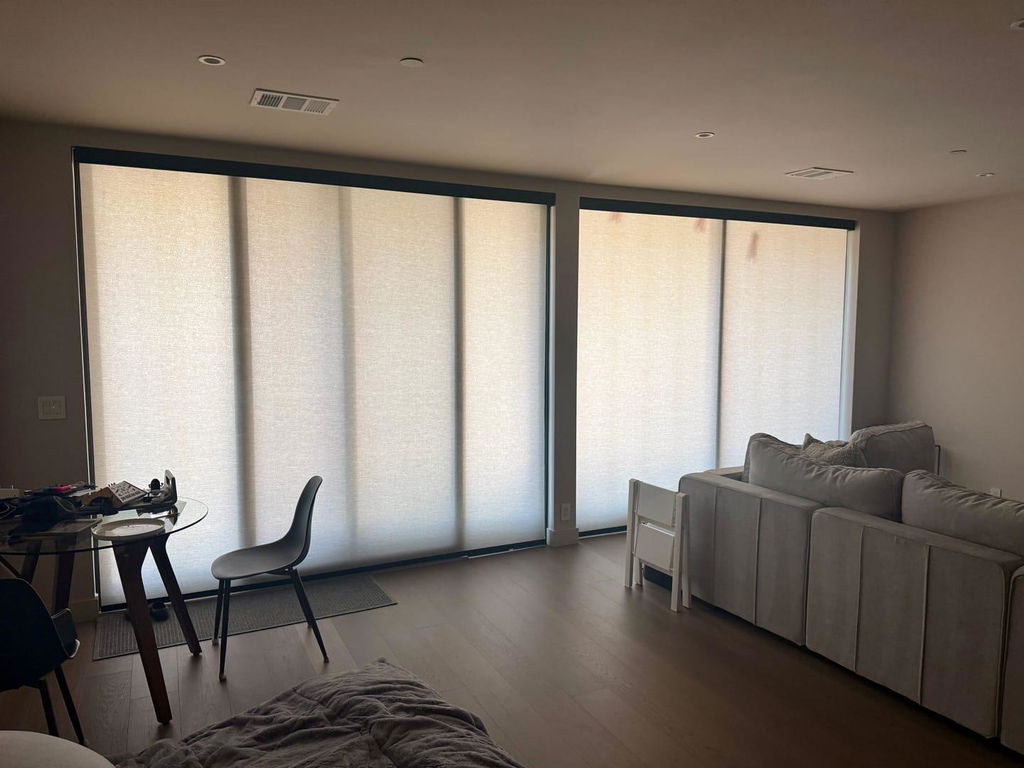
Let's clear the air: I am not talking about those clacky, brittle PVC vertical blinds from your first 1994 apartment. We’ve all lived with those—the ones that yellowed in the sun and lost a slat every time the cat walked past. Modern horizontal sliding window blinds, often called panel tracks, are an entirely different species. They consist of wide, flat fabric panels (usually 17 to 24 inches wide) that glide on a multi-channel aluminum track.
The operation is smooth, silent, and decisively high-end. Because the panels overlap slightly when closed, you get total privacy without the bulk of gathered headers. When you slide them open, they stack neatly behind one another, leaving your view almost entirely unobstructed. It is a minimalist’s dream that still utilizes the softness of textiles. You get the tactile benefit of a 300 gsm weave without the visual clutter of rings, hooks, and pleats.
Why Sliding Panels Make Your Ceilings Look Higher
If you want to trick the eye into thinking your eight-foot ceilings are actually ten feet, stop hanging your window treatments on the trim. The secret to the sliding system is the ceiling mount. By installing the track directly to the ceiling or at the very highest point of the wall, you create a continuous vertical line that the eye follows from floor to top. Traditional curtains often break this line with a chunky rod or a ruffled header that creates a visual 'stop' three inches below the ceiling.
Because these panels stay flat, they act like a movable wall rather than a window dressing. This is especially true if you choose a color that closely matches your wall paint. In my own living room, I used a soft oatmeal shade that made the entire wall feel expansive. It’s a design trick that works because it removes the 'noise' of the window. Are Horizontal Roller Blinds The Cure For Heavy Dated Windows? Absolutely, because they replace the fussy, dated ornamentation of the past with a clean, architectural plane that feels intentional and modern.
The Fabric Weights That Actually Work on a Track
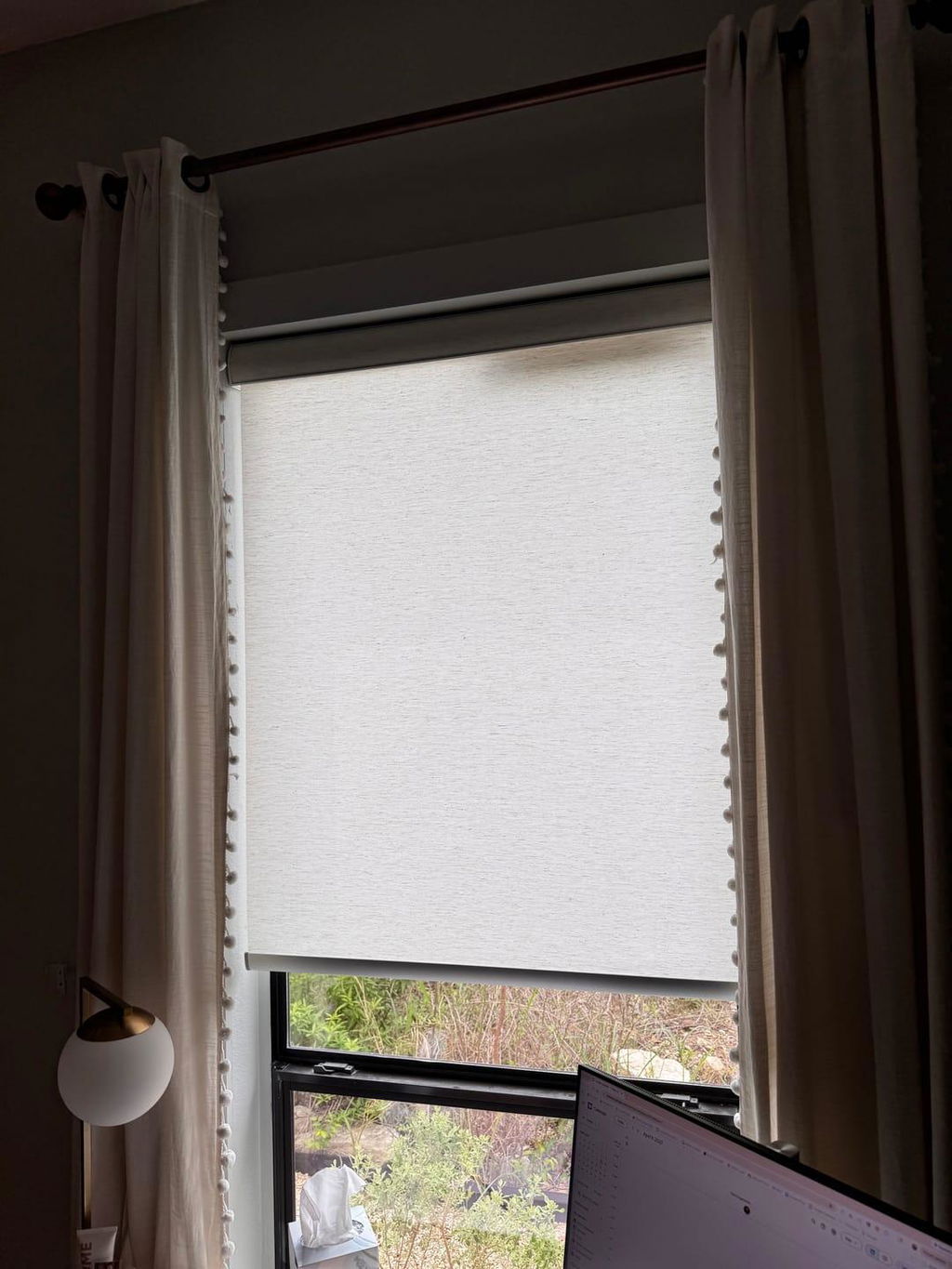
You cannot just use any fabric for a sliding panel system. If you try to use a soft, flowy silk or a lightweight cotton, the panels will ripple at the edges and look like unironed bedsheets. For a track system to look expensive, the fabric needs structure. I usually look for stiffened polyesters or screen materials that have been heat-treated to stay perfectly flat. Think of the crispness you find in high-quality Roller Shades—that is the exact 'hand' you want for your sliding panels.
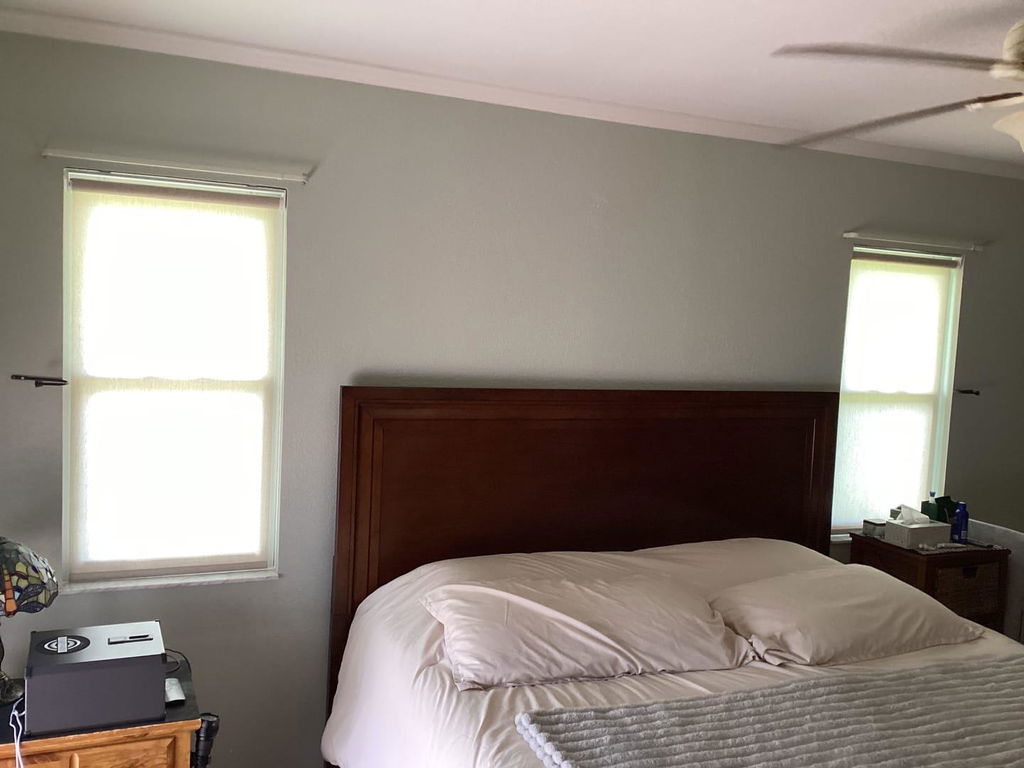
In my guest suite, I paired these structured panels with Day Night Shades on the smaller side windows to maintain a cohesive look. The panels provide the 'wow' factor on the sliding glass door, while the shades handle the smaller apertures. Stick to weights around 250-350 gsm. Anything lighter feels flimsy; anything heavier might strain the track mechanism over years of use. If you’re worried about it feeling too 'office-like,' look for fabrics with a visible slub or a grasscloth texture to bring that organic warmth back in.
My 3 Rules for Mounting a Sliding Track System
Installation is where most people lose their nerve, but it’s actually simpler than a double-rod curtain setup. First, you must calculate your stackback. This is the amount of wall space the panels occupy when they are fully open. If your window is 100 inches wide, and you want the glass completely clear when the blinds are open, your track needs to extend at least 20-25 inches past the frame. If you don't have that wall clearance, you might be better off with Canisteo Motorized Dual Roller Shades Cordless Custom Double Roller Blinds which roll up and out of sight instead of sliding sideways.
Second, check your floor clearance. I like mine to hover exactly 1/2 inch above the floor. Any higher and they look like high-water pants; any lower and they’ll catch on the rug every time you slide them. Third, invest in a low-profile fascia. This is the decorative strip that hides the track. A sleek aluminum fascia in a matte finish (black or brushed nickel) provides a crisp 'cap' to the look. I once tried to skip the fascia and just look at the raw track—it looked like a locker room. Don't make that mistake; the hardware should be invisible or intentional.
FAQ
Can I use these on a regular window, or only sliding doors?
While they are famous for sliding glass doors, they look incredible on any large window. If your window is wider than 60 inches, sliding panels often look much more 'custom' than a standard horizontal blind.
Are they hard to clean?
Not at all. Since the fabric is flat and usually treated with a dust-resistant coating, a quick wipe with a damp cloth or a light vacuuming with a brush attachment once a month is all they need. No more taking down 20 pounds of velvet for the dry cleaners.
What happens if a panel gets damaged?
That is the best part. Most systems allow you to replace a single panel rather than the whole unit. If the dog decides to use one as a chew toy, you just order a replacement strip and slide it into the existing track.