Are Horizontal Roller Blinds the Cure for Heavy, Dated Windows?
I remember staring at the windows in my first 'grown-up' apartment. They were fitted with those chunky, two-inch faux wood blinds that everyone seems to install by default. Even when they were pulled all the way up, a massive four-inch stack of white plastic hung there like a heavy eyelid, blocking the best part of the afternoon sun. That was the day I realized horizontal roller blinds weren't just a utilitarian choice; they were a design necessity.
Quick Takeaways
- Standard slats create visual noise and block up to 25% of your window even when 'open'.
- Roller shades disappear into a slim cassette, maximizing natural light and ceiling height.
- Light-filtering fabrics offer better daytime privacy than tilted slats without the 'striped' shadow effect.
- Dual-roller systems allow for both sheer and blackout options on a single bracket.
The Problem With Wood Slats (They Never Really Disappear)
Traditional two-inch faux wood blinds are the ultimate dust magnets. Each individual slat is a tiny shelf for cat hair and allergens. I spent years with a microfiber cloth, meticulously wiping each one, only to realize I Stopped Dusting Slats and Switched to Horizontal Roller Blinds because life is simply too short for that kind of maintenance.
Beyond the cleaning, there is the 'stack height' issue. When you pull up a standard blind, the bundle of slats at the top is thick and heavy. It cuts off the top of your window view and makes your ceilings feel lower than they actually are. It creates a cluttered, busy header that fights with your molding rather than highlighting it.
Why Horizontal Roller Blinds Feel So Much More Architectural
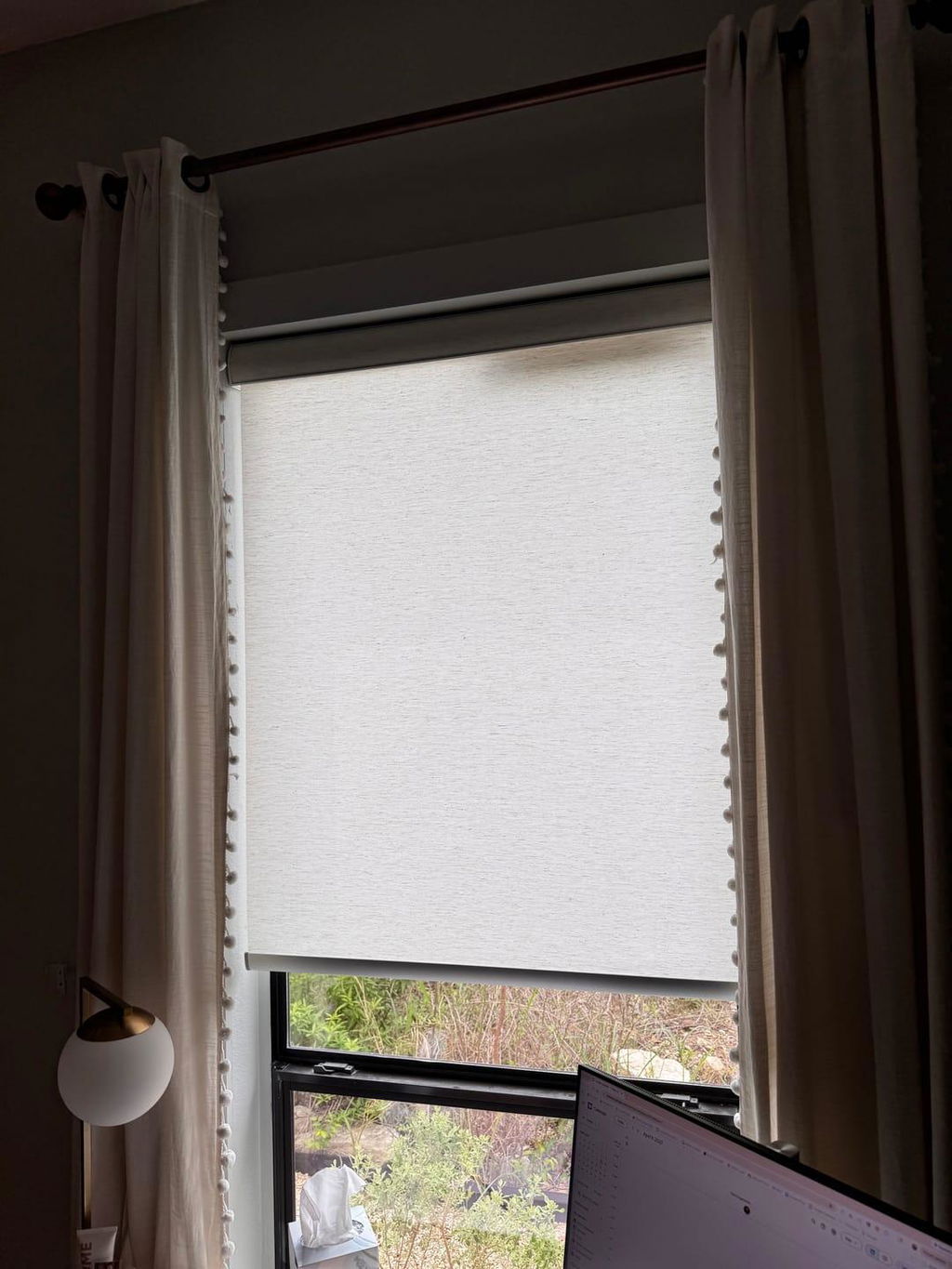
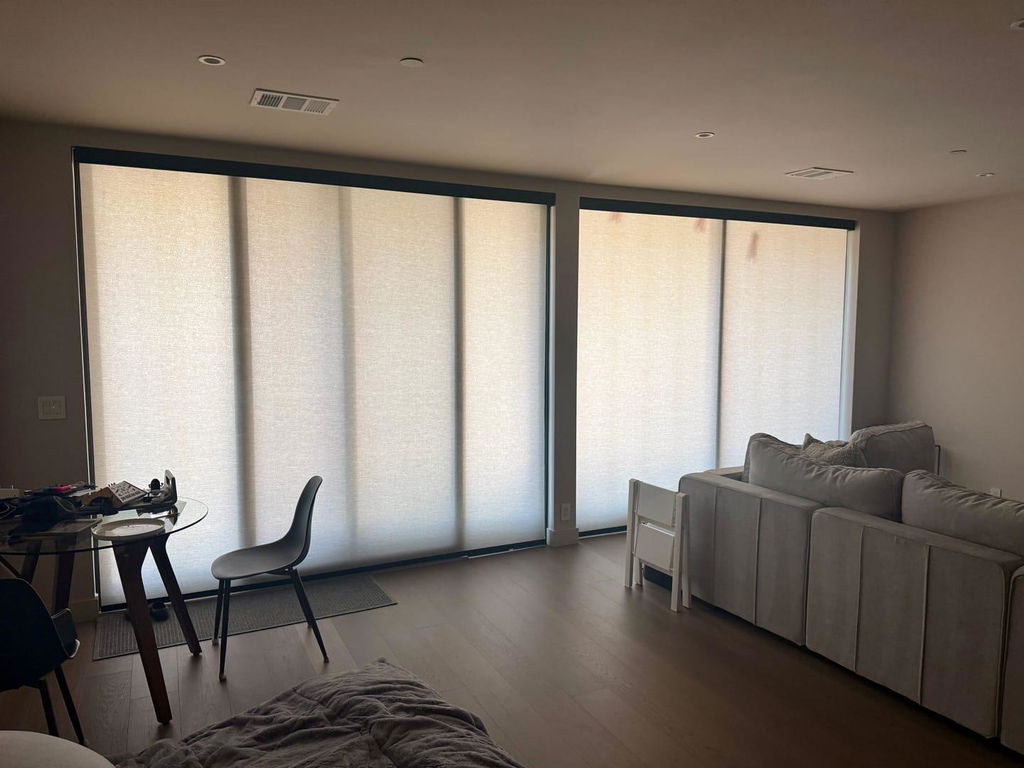
A roller shade horizontal installation acts like a piece of quiet architecture. Because it is a single, continuous plane of fabric, it doesn't break up the room with dozens of horizontal lines. When raised, the fabric rolls into a cassette that might only be three inches deep, tucked neatly inside the window casing.
I usually recommend a 300 gsm linen-look fabric for a bit of texture. It catches the light beautifully but stays perfectly flat. If you are browsing a modern roller shades collection, look for options with a weighted bottom bar. That extra bit of heft keeps the fabric from fluttering when the HVAC kicks on, maintaining those crisp, clean lines that make a room feel curated rather than cluttered.
The Privacy Myth: You Don't Actually Need Tiltable Slats
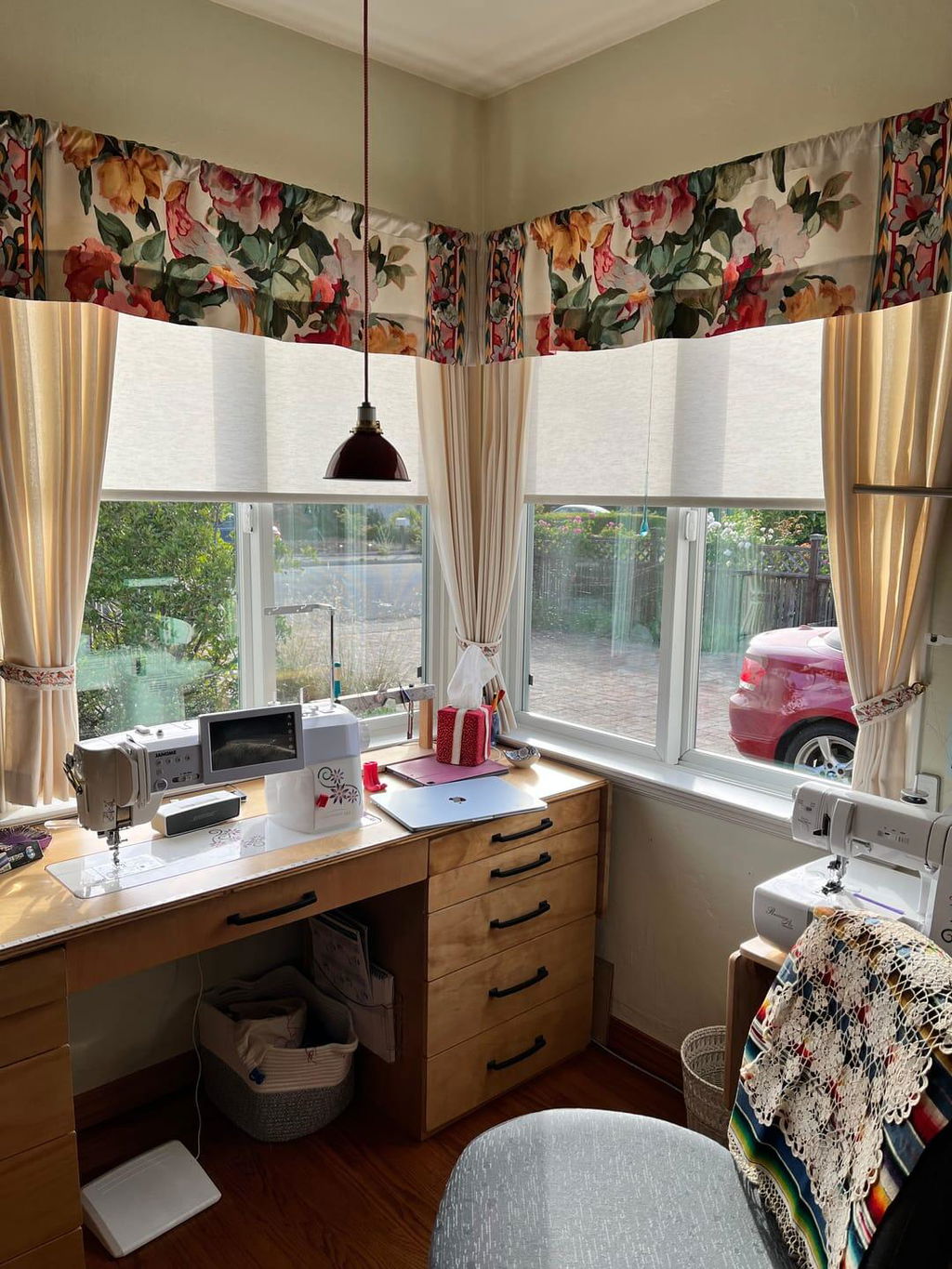
The biggest pushback I get from clients is about privacy. People think they need to tilt slats to 'block the neighbors' while letting light in. In reality, a high-quality light-filtering fabric does this better. You get a soft, diffused glow—think of it as a permanent Instagram filter for your living room—without the harsh, jail-cell shadows that slats cast across your furniture.
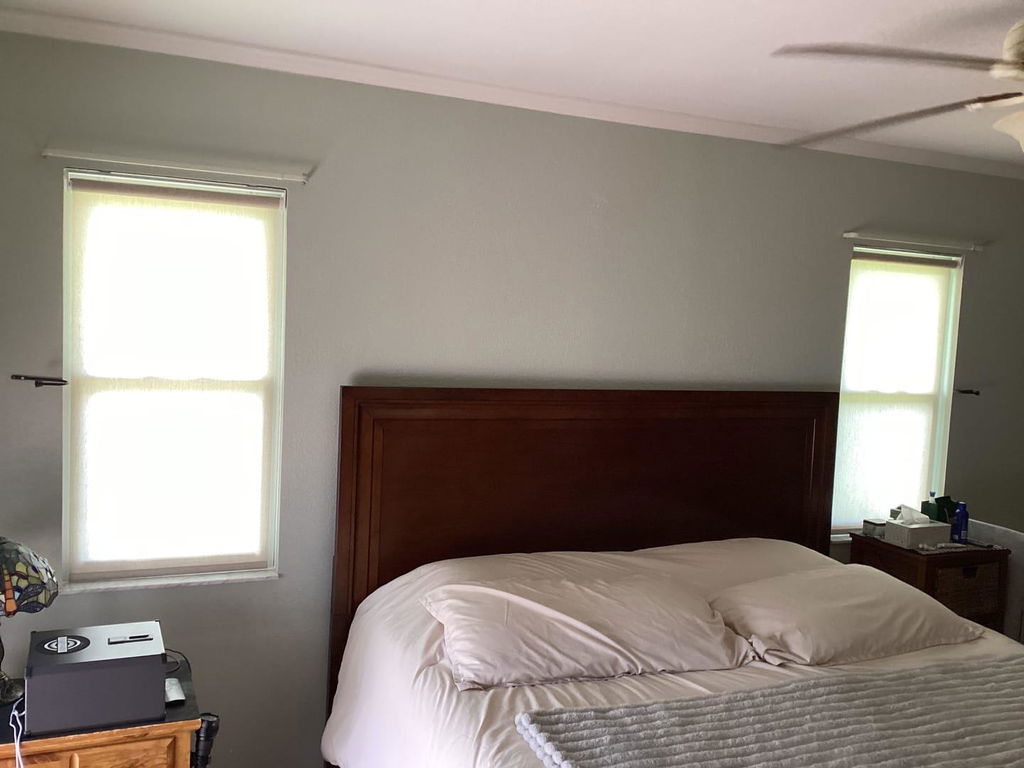
During the day, you can see out slightly, but no one can see in. It is a cleaner solution for street-facing windows where you want brightness but don't want to feel like you're on display. Plus, you avoid that awkward moment when a single slat gets bent or snapped, ruining the entire look of the window.
The Motorized Dual Upgrade That Makes You Feel Like You Live in a Hotel
If you really want to lean into the luxury of it all, the dual-shade system is the way to go. This involves layering a sheer solar shade and a blackout shade on the same window. It used to require bulky, double-bracket hardware that looked like a science project, but modern engineering has slimmed it down significantly.
I recently installed Canisteo motorized dual roller shades in a primary bedroom, and it changed the entire morning routine. With a remote (or an app), you can have the blackout shade rise at 7 AM to let in soft, filtered light through the sheer layer, then raise the sheer layer when you're ready to see the world. It provides total light control without the visual bulk of heavy velvet drapes or thick liners.
How to Keep Your Roller Shade Horizontal, Plumb, and Fray-Free
Here is the honest truth: if you don't install these perfectly level, they will 'telescope.' This happened to me in my guest room—I was off by just an eighth of an inch. Over a week of rolling the shade up and down, the fabric started tracking to the left, hitting the bracket and fraying the edge of my expensive custom linen. It was a heartbreak I could have avoided with a simple spirit level.
Always use a laser level or a long spirit level across the top of your brackets. If your window frame is wonky (and in old houses, they always are), shim the bracket rather than following the line of the wood. Taking ten extra minutes to ensure your roller shade horizontal alignment is dead-on will save the fabric from a slow, fraying death. If you have tricky corner windows or arched tops, it is worth the time to explore all your shade solutions before committing to a standard mount.
FAQ
Do roller blinds look cheap compared to wood?
Only if you buy the plastic-coated 'office' versions. If you choose high-end weaves like grasscloth, linen blends, or matte solar fabrics, they look significantly more expensive and custom than mass-produced faux wood.
Can I install these myself?
Absolutely. Most modern brackets only require two screws. The key is the measurement—measure in three places (top, middle, bottom) and use the smallest width for an inside mount.
Are they okay for kitchens?
They are better than wood. A polyester-blend roller fabric can be wiped down with a damp cloth, whereas wood slats tend to trap grease and steam in their crevices, making them a nightmare to deep clean.