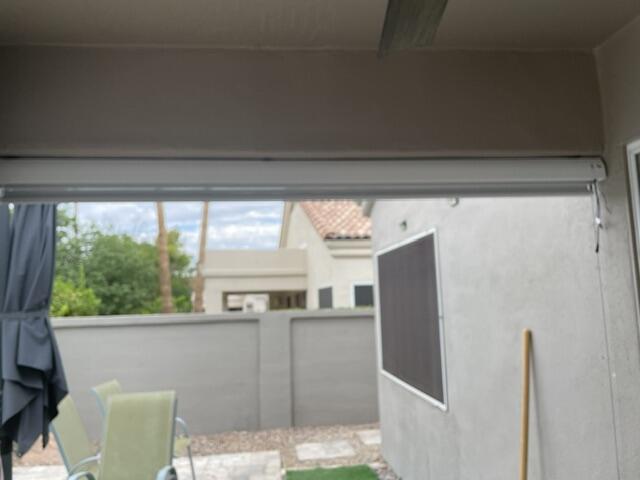
I Stopped Dusting Slats and Switched to Horizontal Roller Blinds
I spent three hours last Saturday with a microfiber cloth and a bowl of vinegar water, trying to reclaim my sanity from fifty individual faux-wood slats. By the time I reached the bottom of the third window, I realized I wasn't just cleaning; I was at war with a design choice that had outstayed its welcome. Traditional slats are basically magnets for pet hair and gray grime, and quite frankly, they make a room look busy before you even put furniture in it.
The moment I swapped those dust-collectors for horizontal roller blinds, the entire vibe of my living room shifted. It wasn't just about the reduced cleaning time—though that was a massive win—it was about the architectural clarity that comes with a single, flat panel of fabric. It makes the window feel like a deliberate design choice rather than a functional afterthought.
Quick Takeaways
- Flat-panel shades eliminate the hundreds of horizontal surfaces where dust and allergens settle.
- A single fabric plane creates a vertical visual flow that makes ceilings feel significantly higher.
- Modern dual-shade systems offer better light control than tilted slats without the visual clutter.
- Choosing a high-texture fabric like a linen blend prevents the window from looking 'flat' or clinical.
The Dust Trap: Why I Finally Said Goodbye to Slats
Let's be honest: horizontal slats are the popcorn ceilings of window treatments. They are functional, sure, but they are a maintenance nightmare. If you have a dog that sheds or live near a busy street where soot is a factor, those 2-inch faux wood slats become a permanent home for debris. Wiping down each individual piece is a soul-crushing chore that usually results in just moving the dust around.
Switching to a flat panel changed my weekend routine entirely. Instead of a deep-cleaning session, I now run a vacuum brush attachment over the surface once a month. Because the material hangs vertically and lacks those tiny ledges, there is nowhere for the grime to land. It is a low-maintenance dream for anyone who values their time more than they value the 'tilted' look of 90s-era blinds.
What We Mean By Horizontal Roller Blinds
When we talk about this style, we are looking at the mechanics of the header. A Roller Shades setup utilizes a horizontal tube at the top of the window frame, allowing the fabric to roll up or down in one smooth motion. Unlike vertical blinds that sway or slatted blinds that stack into a heavy, chunky pile at the top, these stay crisp and contained.
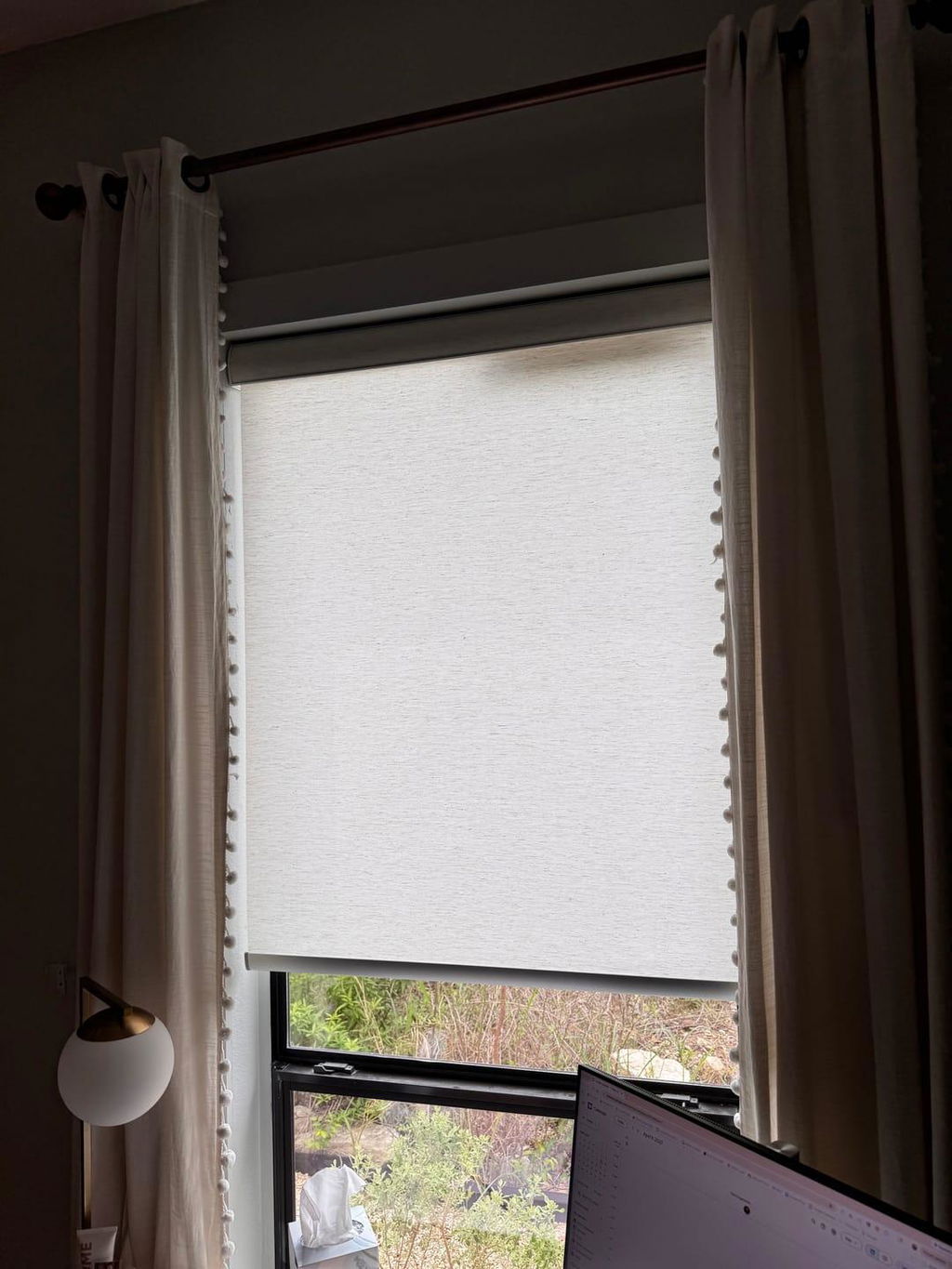
The beauty of the roller shade horizontal tube is that it can be hidden inside a sleek aluminum cassette or a fabric-wrapped fascia. This creates a much cleaner visual line at the top of your window. You aren't looking at a mess of cords and plastic headers; you are looking at a finished, architectural element that blends into the wall.
The Visual Trick: How a Flat Panel Makes Rooms Feel Bigger
There is a specific kind of visual exhaustion that comes from too many lines. When you have fifty slats in a single window, your eye is constantly jumping from line to line. This breaks up the view and effectively 'shortens' the height of your walls. It is visual noise that makes a small room feel cramped and a large room feel cluttered.
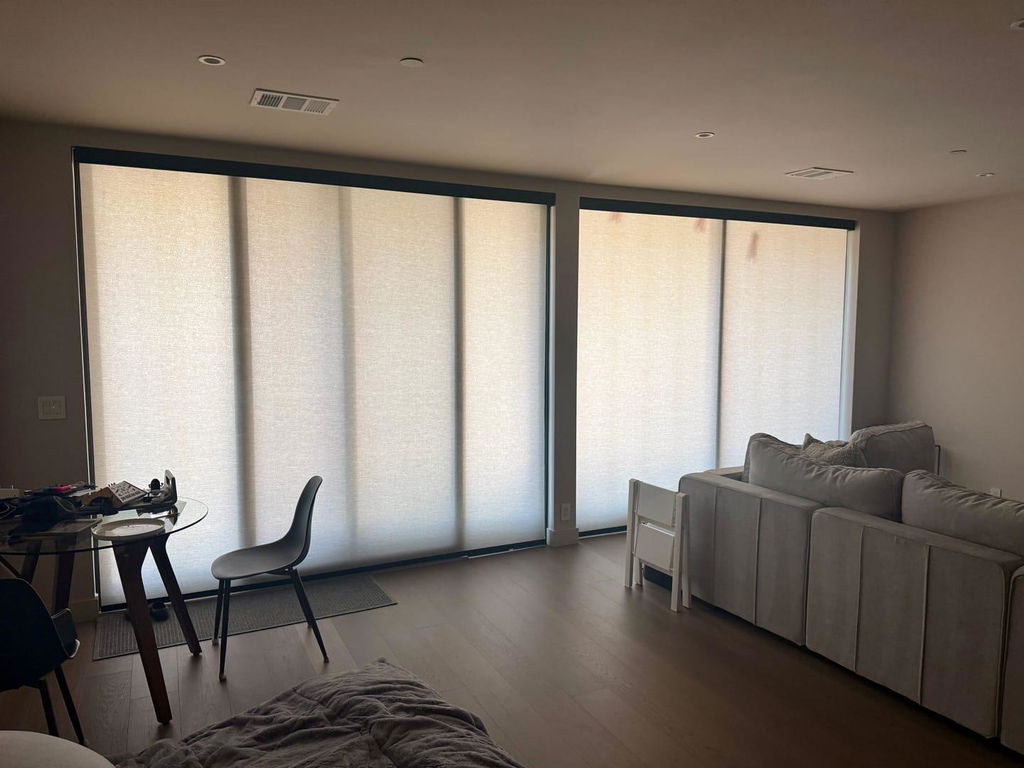
By installing a single, smooth horizontal roller blind, you create a restful point for the eye. I recently installed a 5% openness solar screen in a client's sunroom, and the difference was staggering. The single plane of fabric drew the eye upward toward the ceiling, making the 8-foot walls feel like 10-footers. It’s the same principle as wearing vertical stripes—less breakage equals more height.
Fixing the Light Control Dilemma
The biggest pushback I hear is: 'But I like to tilt my blinds for privacy!' I get it. You want the light but not the neighbors' view. However, you don't need slats to achieve that. The modern solution is a dual-layered approach. I am a huge advocate for the Canisteo Motorized Dual Roller Shades Cordless Custom Double Roller Blinds because they give you the best of both worlds.
With a dual system, you have a sheer layer for the daytime that filters UV rays and kills glare, and a solid blackout or privacy layer for the evening. You get more versatility than a tilted slat ever offered, and you can control it all with a remote or a smartphone. No more tangled cords or uneven slats that won't close quite right on the left side.
Fabric vs. Faux Wood: Getting the Texture Right
One reason people stick with faux wood is that they fear fabric will look cheap or 'dorm-room.' The trick is in the weight and the weave. Avoid thin, shiny polyesters. Instead, look for a 200-300 gsm linen blend or a textured solar screen. A subtle oatmeal or charcoal weave adds warmth and organic texture that rigid plastic simply cannot replicate.
When you are browsing All Your Shade Solutions, pay attention to the opacity. A light-filtering fabric with a visible slub (those little lumps in the yarn) will catch the late afternoon sun beautifully, turning your window into a soft glowing light box. It feels intentional and high-end, whereas plastic blinds always feel like a temporary fix.
How to Layer Them Like a Designer (Not a Dorm Room)
If you want that 'magazine' look, don't let your roller blind fly solo on a large window. I love to mount a roller shade inside the frame for function, then layer it with floor-to-ceiling drapes on the outside. For a recent project, I paired a matte black roller with 96-inch off-white linen curtains hung 4 inches above the trim. The contrast between the structured blind and the soft, pooling fabric is pure luxury.
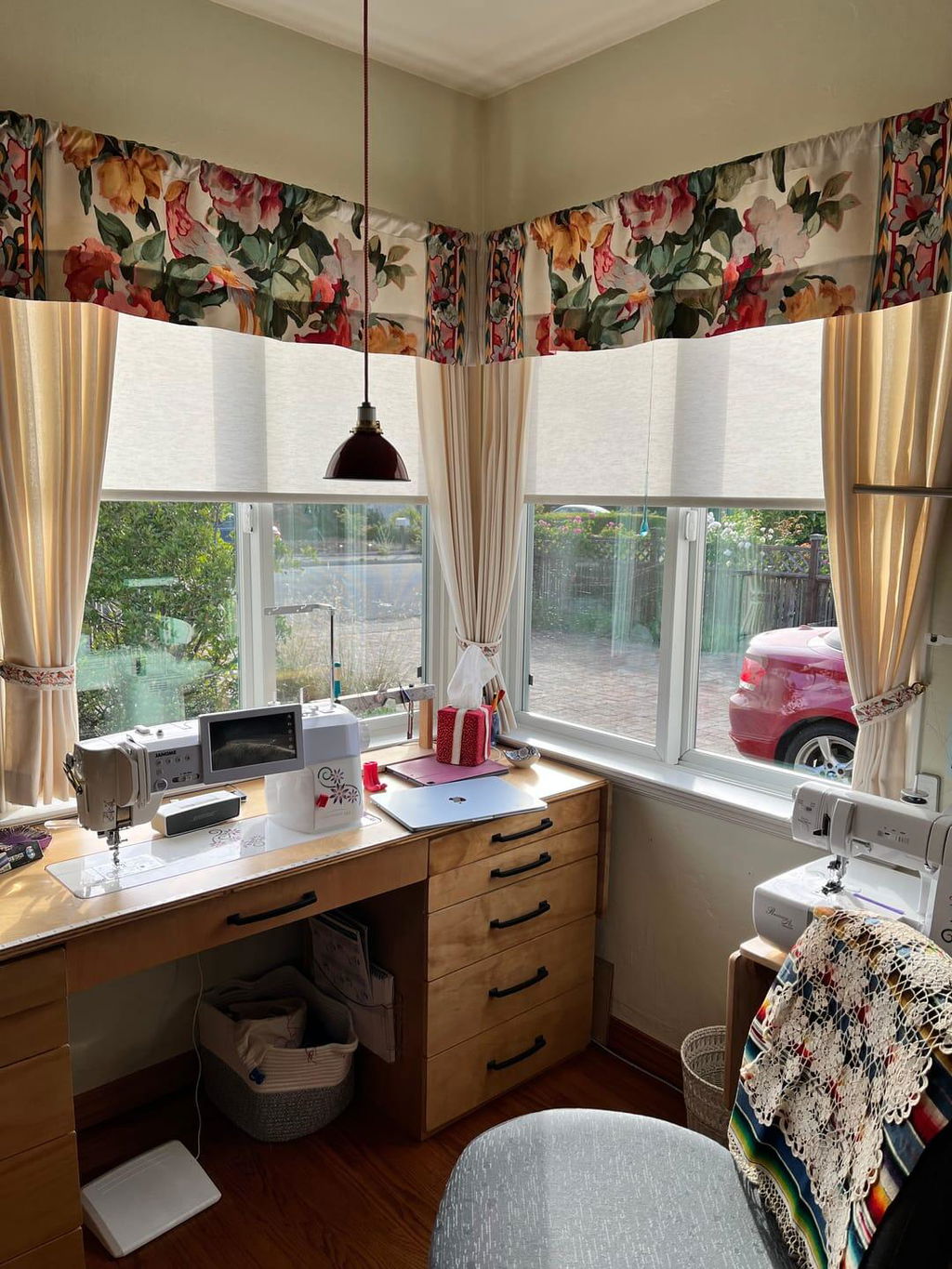
You can also use a structured Roman valance to hide the roller mechanism if you didn't opt for a cassette. This layering adds depth and makes the window feel 'dressed' rather than just covered. It’s about creating a hierarchy of textures—the crispness of the roller against the softness of the drape.
Personal Experience: The Midnight Measurement Fail
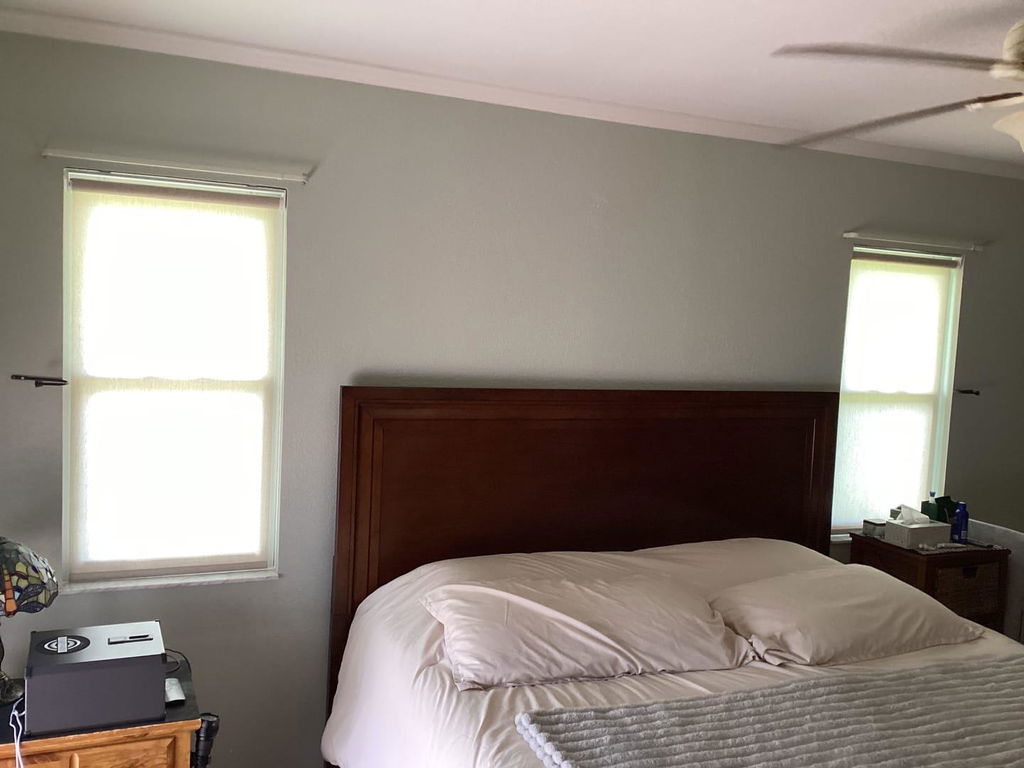
I’ll be the first to admit that 'measure twice, cut once' is a rule I learned the hard way. I once ordered a custom 72-inch wide roller for my bedroom, only to realize I had measured the outside of the trim instead of the inside of the frame. It arrived at 11 PM on a Friday, and I spent two hours trying to 'make it work' before admitting defeat. I had to re-order the entire thing. The lesson? If you are doing an inside mount, subtract 1/8th of an inch from the narrowest part of your window width. Precision is the difference between a high-end look and a DIY disaster.
Frequently Asked Questions
Are horizontal roller blinds harder to install than regular blinds?
Actually, they are easier. Most systems use two simple end brackets. You screw the brackets into the frame, and the tube clicks into place. There are no center supports to struggle with unless your window is exceptionally wide (usually over 72 inches).
Will they provide enough privacy at night?
If you choose a 'privacy' or 'blackout' fabric, yes. If you choose a 'solar' fabric with a high openness percentage (like 10%), people will be able to see shapes and lights inside at night. For bedrooms, always go with a blackout fabric or a dual shade system.
How do I get wrinkles out of a new roller shade?
Most wrinkles will fall out naturally within a week of hanging due to the weight of the bottom bar. If they persist, a handheld steamer on a low setting works wonders—just don't touch the steamer head directly to the fabric if it's a synthetic blend.