The Best Blinds for Horizontal Sliding Windows Don't Go Up and Down
I remember staring at the 72-inch horizontal slider in my first 'grown-up' apartment. I had just hung these gorgeous, heavy velvet Romans, but the second I wanted a breeze, I had to haul five pounds of fabric to the ceiling just to crack the window two inches. It was a mechanical mismatch that drove me wild. Finding the right blinds for horizontal sliding windows isn't about matching the color to your rug; it's about matching the physics of the glass.
Quick Takeaways
- Avoid single, wide roller shades; they turn into sails the moment you open the window.
- Split-panel mounts allow you to shade the fixed glass while venting the slider.
- Sliding panels (track systems) mimic the window's natural movement for a seamless look.
- If you must go vertical, top-down bottom-up shades are the only way to maintain airflow.
The Directional Dilemma: Vertical Lifts on Side-to-Side Glass
Most windows go up. Most blinds go up. It’s a marriage of convenience. But horizontal sliders move side-to-side, usually with one fixed pane and one active sash. If you install a standard blind that only moves vertically, you create an 'all or nothing' situation. You either block the light and the air, or you expose the whole room just to get a cross-breeze.
It’s an ergonomic nightmare. Imagine having to lift your entire garage door just to let the cat out. That is exactly what you’re doing when you pull a full-width shade to the top of the casing just to let in a sliver of fresh air. It’s inefficient, and it puts unnecessary wear on your cord locks and springs.
Why I Stopped Forcing Standard Rollers on Sliding Sashes
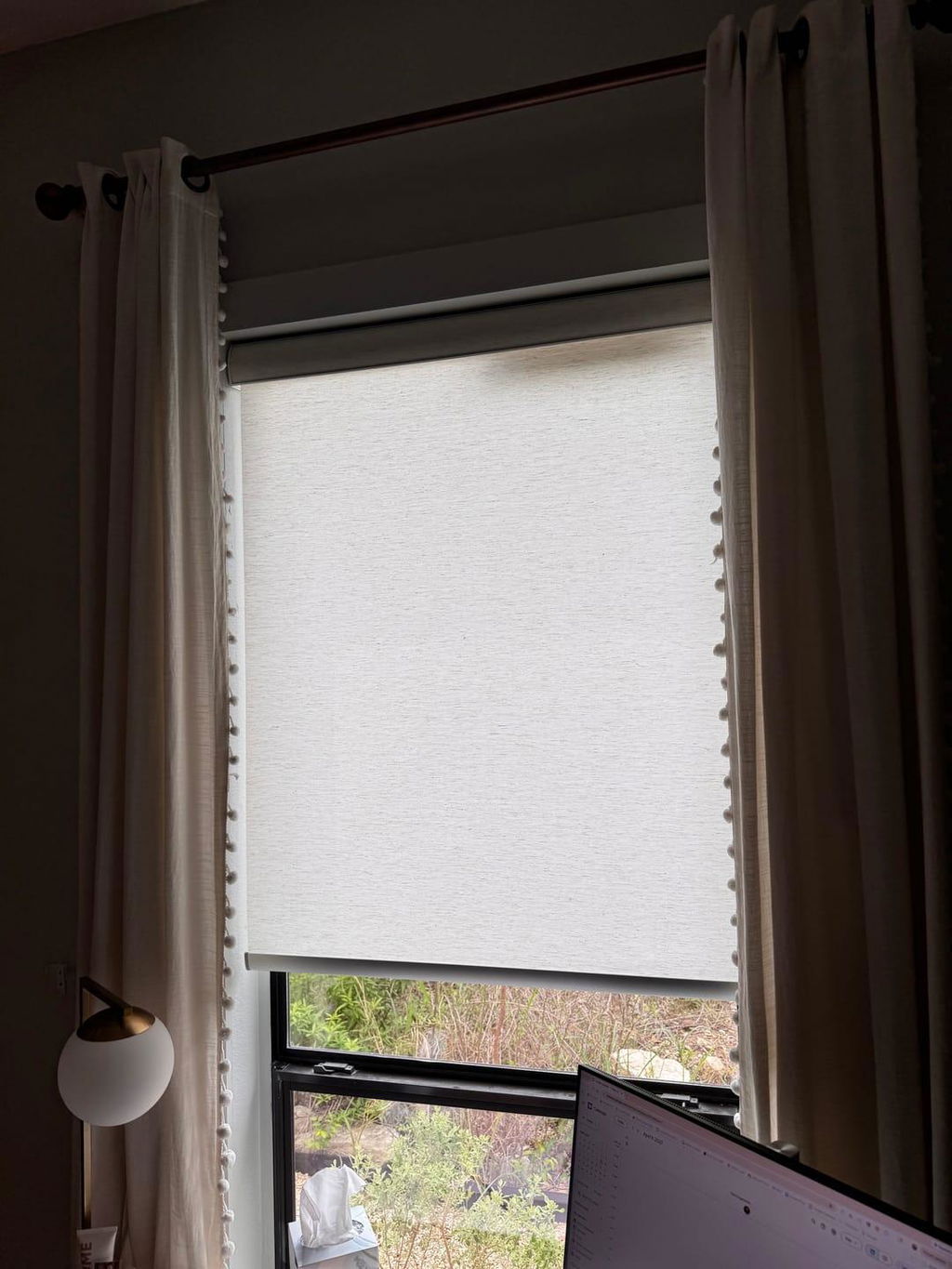
In my early design days, I specified single, 80-inch roller shades for these windows because they look clean and minimalist. Big mistake. The moment you open that sliding sash, that massive sheet of fabric catches the wind like a spinnaker on a sailboat. You get this rhythmic, metallic clatter against the screen that sounds like a poltergeist in the living room.
Beyond the noise, the wind actually pulls the fabric out of the side channels, leading to frayed edges and crooked telescoping. If you're looking for window treatments for horizontal sliding windows, you have to consider the 'flutter factor.' A single wide shade is just too much surface area for a breezy afternoon.
The Magic of the Split-Panel Mount
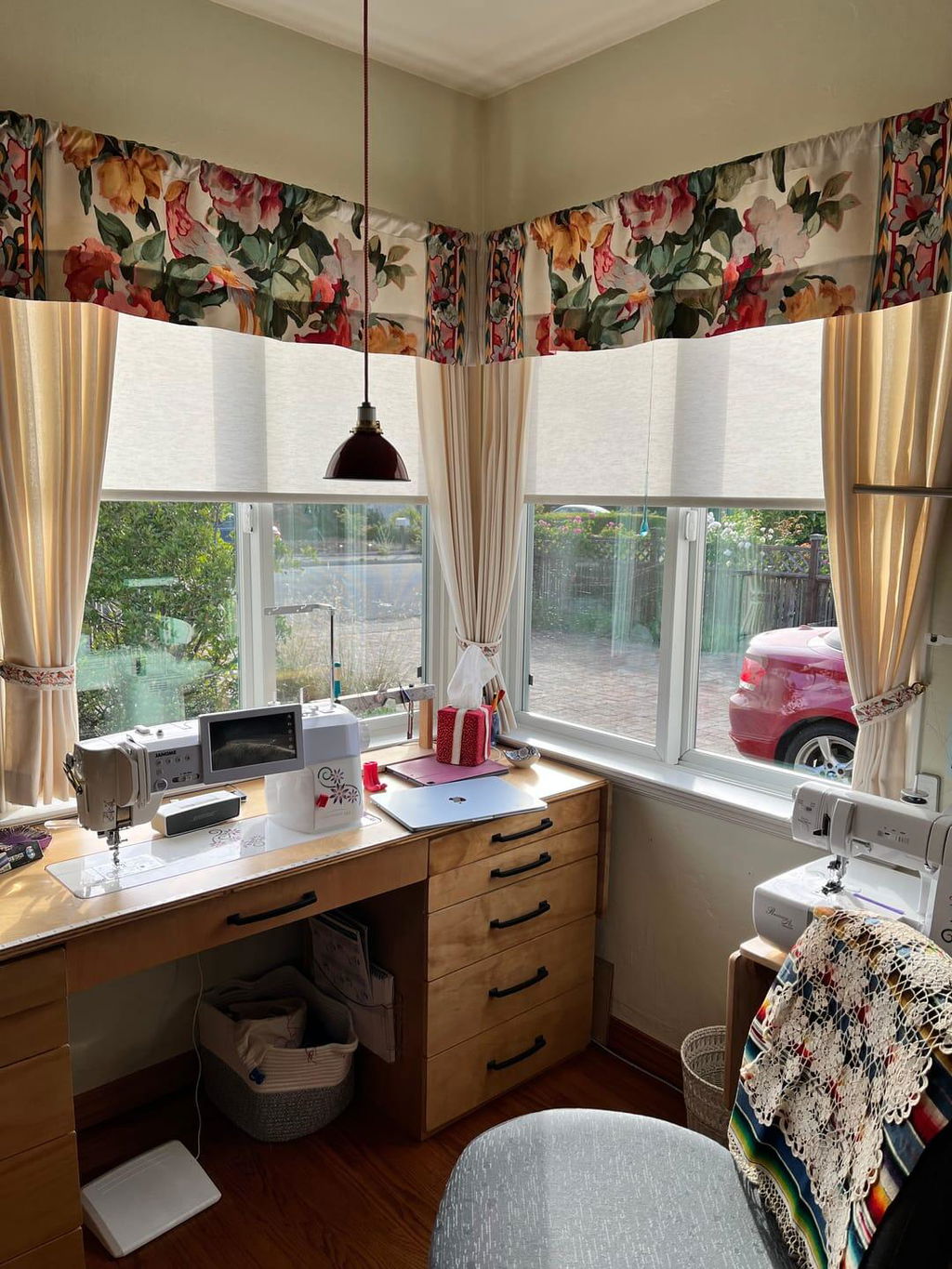
The real designer secret? Two shades, one headrail. I love using day night shades for this exact setup. You mount two separate blinds side-by-side. One covers the fixed pane of glass, and the other covers the sliding sash. This gives you surgical control over your environment.
You can keep the fixed side down to block that aggressive 3 PM glare while the sliding side is tucked up out of the way to let the air circulate. It looks custom, intentional, and it solves the airflow issue instantly. I usually spec a 2-inch gap between the panels or use a shared headrail to keep the profile slim and prevent light gaps.
Sliding Panels: Not Just for Giant Patio Doors
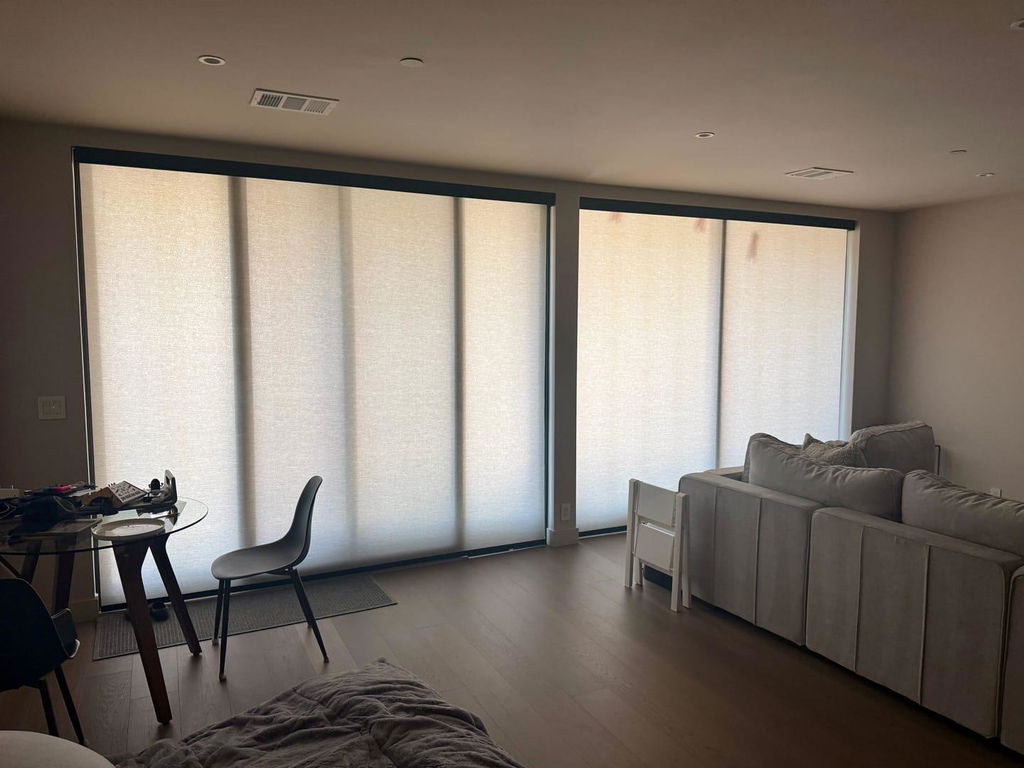
If you have the wall space, sliding panels are the actual answer to this puzzle. They operate on a slim track—usually less than 3 inches deep—and glide exactly like the window does. I traded heavy drapes for horizontal sliding blinds in a mid-century project last year and the difference was night and day. No more wrestling with fabric; just a smooth, lateral glide.
These aren't the clunky vertical blinds from your 1990s rental. Modern sliding panels come in high-end solar screen materials or 300 GSM linen blends. They stack neatly to the side, allowing you to clear the glass entirely. It matches the architectural 'language' of the window, which is something many decorators overlook.
The Top-Down Bottom-Up Compromise
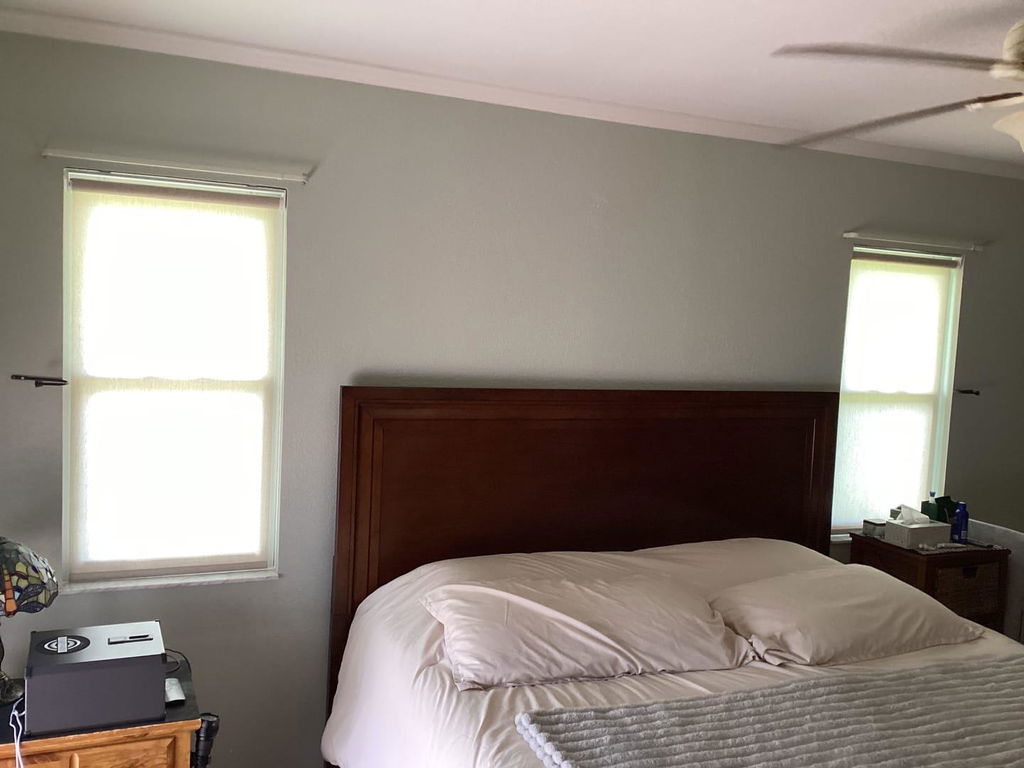
If you are absolutely dead set on a cellular or honeycomb shade, the top-down bottom-up feature is your only saving grace. This allows you to drop the top rail about six inches. Hot air escapes out the top, and cool air flows in, while the bottom 80% of the window remains covered for privacy.
It’s a functional compromise. You aren't fighting the horizontal movement as much because you’re only 'opening' the very top of the window treatment. It works beautifully in bedrooms where you want the breeze at night but don't want the neighbors seeing your morning hair.
My 3 Rules for Styling Sideways-Sliding Windows
First, check your depth. You need at least 2.5 inches of casing for an inside mount to avoid hitting the window handle. Second, go for rigid materials. Soft, lightweight fabrics without bottom weights will flutter and fray in the wind. Third, think about the 'stack'—where does the blind go when it's open? Make sure it doesn't block the handle or the sliding track.
I honestly think horizontal roller blinds the cure for heavy dated windows because they respect the lines of the frame. Don't fight the window's direction; lean into it.
Personal Experience: The Linen Mistake
I once installed a beautiful 100% linen Roman shade on a slider in a coastal kitchen. The salt air and the constant horizontal movement meant the shade was always slightly crooked because the wind would catch the folds unevenly. I spent every morning straightening the cords like a crazy person. Eventually, I ripped it out and went with a sleek track system. Lesson learned: don't fight the window's natural physics.
FAQ
Can I use vertical blinds on a horizontal slider?
You can, but I wouldn't. Unless you love the look of a 1994 dental office, go with sliding panels or a split-mount roller instead. They offer the same lateral movement without the 'clack-clack' noise.
Do I need a professional for a split-panel mount?
If you're doing two shades on one continuous headrail, yes. Measuring that to the sixteenth of an inch so the center gap aligns perfectly with the window's mullion is stressful and leaves zero room for error.
Will an outside mount work better?
Only if your window frame is very shallow. An outside mount can help clear a bulky sliding handle, but it will let in more light around the edges. I always prefer an inside mount for a cleaner, more architectural look.