Stop Guessing With Roller Blinds: How to Measure and Avoid Light Gaps
I remember standing in my first 'adult' apartment, holding a pair of expensive custom shades that were exactly half an inch too wide to fit inside the window casing. I had spent three weeks waiting for them, only to realize I had used my grandmother’s old sewing kit tape measure. That sinking feeling in your gut when the hardware won't clear the frame is something I never want you to experience. Learning roller blinds how to measure is less about being a math whiz and more about using the right tools and trusting the process.
- Always use a rigid steel tape measure; fabric tapes stretch over time and will lie to you.
- Measure the width in three separate places to account for house settling.
- Verify you have at least 2.5 inches of depth for a flush inside mount.
- Provide the exact window size to the manufacturer—never do your own deductions.
The Steel Tape Measure Rule (And Why Cloth Tapes Lie)
If you take away one thing from this guide, let it be this: throw your sewing tape back in the junk drawer. Flexible cloth or plastic tapes are designed for curves, not straight architectural lines. They stretch, they fray, and they can easily be off by an eighth of an inch or more. When you are ordering custom window treatments, an eighth of an inch is the difference between a shade that glides and one that scrapes the paint off your trim.
You need a professional steel tape measure. I prefer a 16-foot model with a standout of at least 8 feet so it doesn't flop over when I’m trying to reach the top of a tall casing. When you measure, make sure the tape is perfectly flat and level. Even a slight tilt can add a fraction to your number, leading to a shade that is just a hair too wide to install.
Inside vs. Outside Mount: Which One Actually Looks Better?
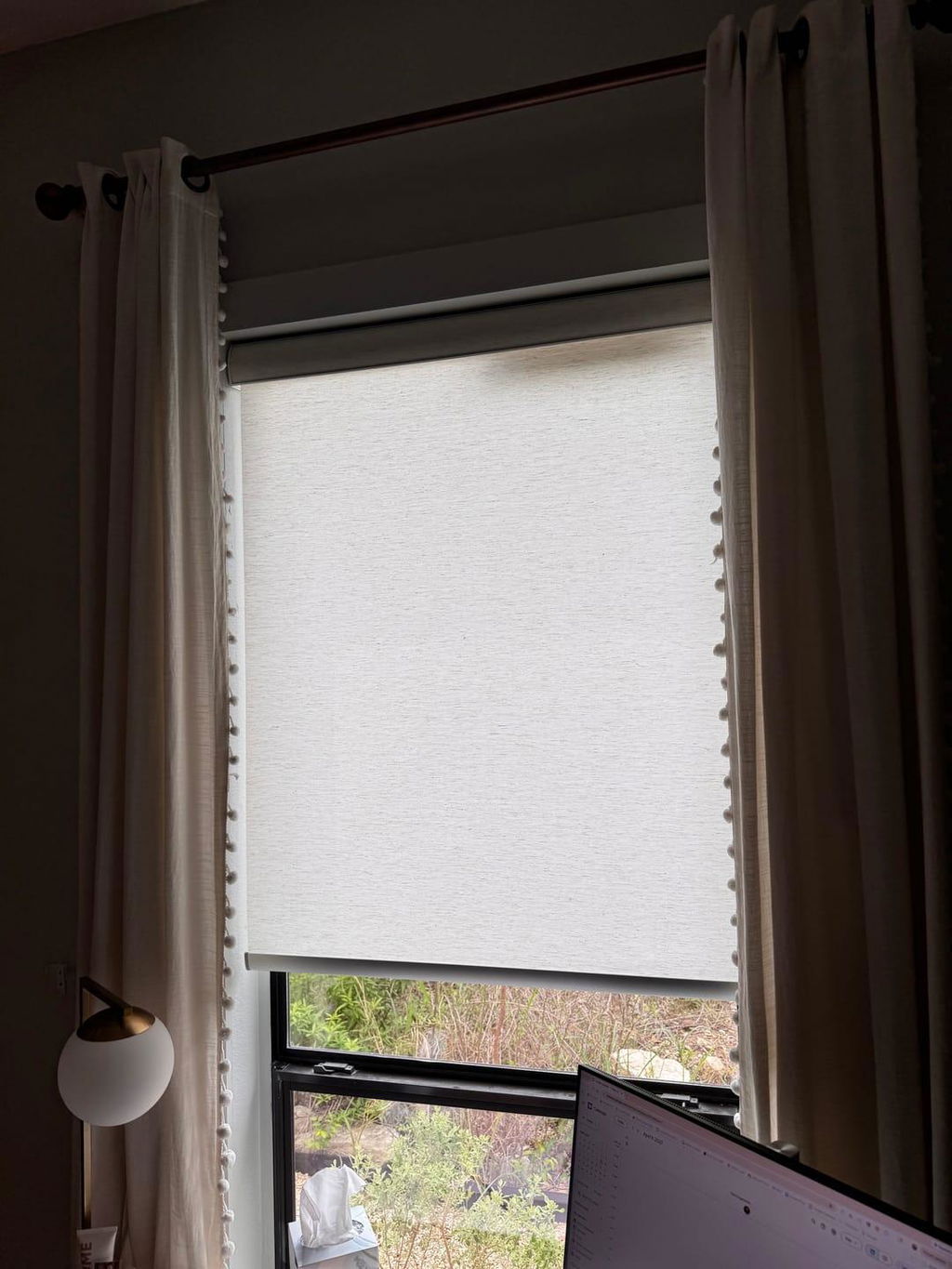
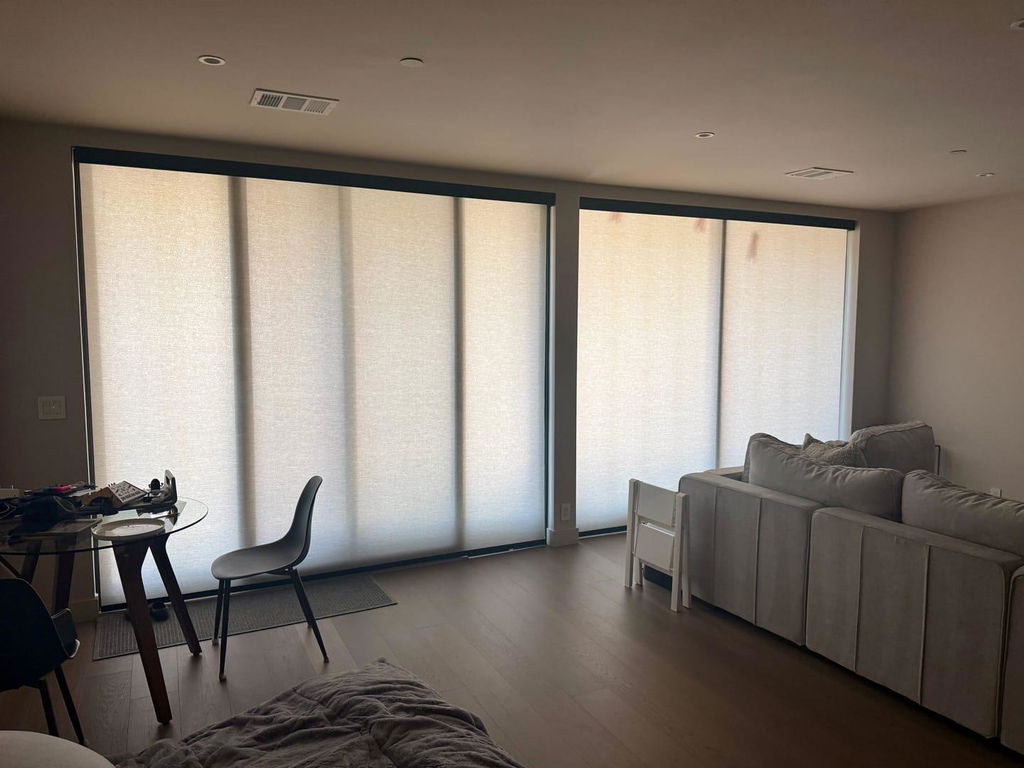
This is the great debate of window styling. An inside mount sits tucked within the window frame, offering a clean, architectural look that highlights your molding. It is the gold standard for modern, minimalist spaces where you want the roller shades to disappear when they are rolled up. It feels intentional and high-end, but it requires a perfectly square window to look its best.
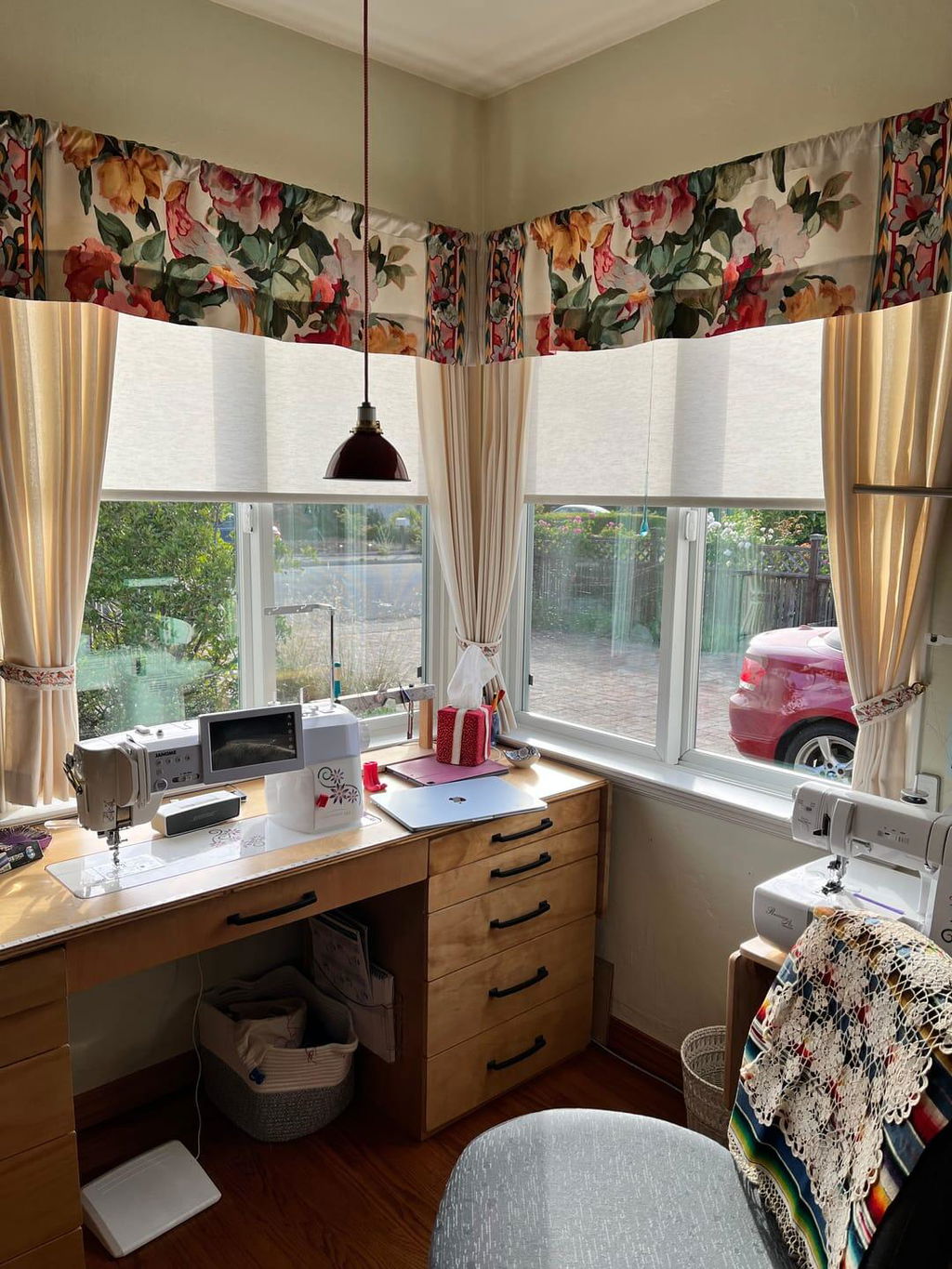
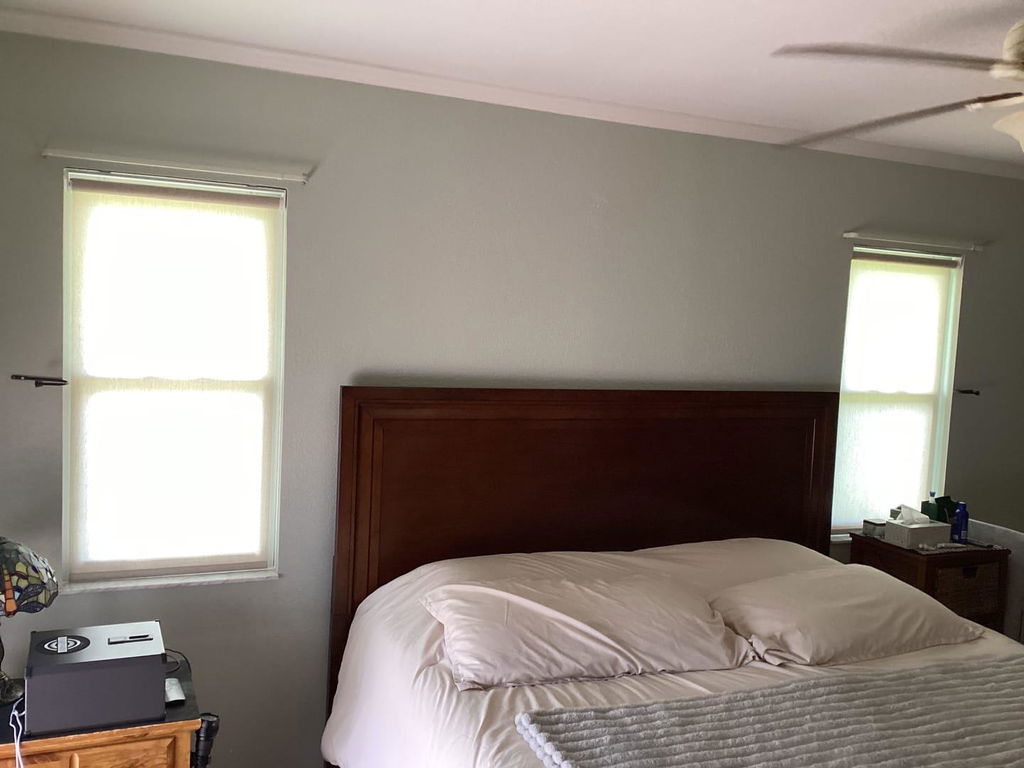
Outside mounts, on the other hand, are your best friend if your windows are ugly, shallow, or crooked. By mounting the shade on the wall above the window or directly on the trim, you can 'cheat' the height of the room by hanging the roller a few inches higher than the actual opening. It also eliminates the light gaps at the sides that are common with inside mounts, making it the superior choice for bedrooms where total darkness is the priority.
The Depth Check for Inside Mounts
Before you commit to an inside mount, you have to check your depth. Most roller mechanisms require a specific amount of flat space inside the casing to mount the brackets securely. I once tried to force a motorized roller into a shallow 1920s bungalow window and ended up with the tube sticking out an inch past the wall—it looked like a mistake, not a design choice.
Use a step-by-step measurement guide to check the 'fully recessed' depth requirement for your specific shade. If your window has a crank handle or a security sensor, you need to measure from the outermost point of those obstructions to the edge of the casing. If you don't have enough clearance, the fabric will bunch up against the glass or the handle every time you lower it.
When an Outside Mount Saves the Day
Sometimes, the architecture just won't cooperate. If your window frames are too shallow or if you have beautiful stained wood trim that you don't want to drill into, an outside mount is the answer. It is also the most forgiving way to handle how to measure for roller blinds because you aren't restricted by the physical boundaries of the casing.
When measuring for an outside mount, I usually add 2 to 3 inches of width on each side of the window opening. This ensures the fabric fully covers the glass and provides a better seal against light. It turns the measuring process into something much more relaxed, which makes measuring without the stress of a 1/16th-inch error possible.
Dealing With Crooked Window Frames (Because None Are Square)
Here is a secret: no window is perfectly square. Between house settling and layers of old paint, your window is likely a trapezoid in disguise. For an inside mount, you must measure the width at the top, the middle, and the bottom. Write all three numbers down. Now, circle the smallest number. That is the width you will use for your order.
If you use the widest measurement, the shade might fit at the bottom but get jammed halfway up the frame. If you are worried about the resulting light gaps on the sides, you can always look into side channels or ensure you have enough overlap for blackout shades by opting for an outside mount instead. Don't fight the house; it will always win.
The Factory Deduction Misunderstanding
One of the most common mistakes people make is trying to be 'helpful' by subtracting an eighth of an inch from their measurements for clearance. Please, don't do this. When you select 'Inside Mount' on an order form, the factory's computer is already programmed to make that deduction. If you subtract and then they subtract, you’ll end up with a massive light gap on both sides.
Provide the exact, tight-to-tight measurement of your window opening. The manufacturer knows exactly how much room the brackets and the roller tube need to operate. Your job is to be the accurate reporter of the window's size; their job is to make sure the product fits into that space.
The Final Checklist Before You Hit Order
Before you click 'buy' on those custom linen-look rollers, do a triple-check. The most expensive mistake in the book is swapping the width and the height. It sounds silly, but when you are measuring ten windows in a row, it is incredibly easy to flip the numbers. A 34-inch wide by 60-inch tall shade is a very different product than a 60-inch wide by 34-inch tall one.
Read your notes back to yourself. Does the width make sense for the window you're looking at? Did you use a steel tape? Did you measure in three places? If you followed the steps for how to measure for roller blinds correctly, you can hit that order button with total confidence. The only thing left to do is get your drill ready and wait for the delivery truck.
Personal Experience: The 1/4 Inch Lesson
A few years ago, I was styling a nursery with a gorgeous 300 gsm blackout roller. I was rushed, used a plastic tape measure I found in a drawer, and measured only at the top of the window. When the shade arrived, it fit perfectly at the top, but the window tapered inward toward the bottom. Every time I lowered the shade, the fabric would catch on the trim and fray. I had to pay for a complete remake out of my own pocket. Now, I measure every window three times, and I never, ever trust a window to be square.
FAQ
Do I measure the trim or the glass?
For an inside mount, measure the opening inside the trim. For an outside mount, you measure the area you want the shade to cover, which usually includes the trim and a few inches of wall on either side.
What if my measurement is between 1/8 increments?
Always round down to the nearest 1/8th of an inch for an inside mount. It is better to have a tiny bit of extra clearance than a shade that is too wide to fit.
Should I measure every window even if they look the same?
Yes. In most homes, even 'identical' windows can vary by half an inch. Measure every single one and label them (e.g., 'Living Room Left', 'Living Room Right') to avoid confusion during installation.