The 1/4-Inch Rule for Blackout Roller Blinds Made to Measure
I remember my first 'grown-up' apartment in Brooklyn. The previous tenant had left behind these generic white vinyl rollers that were about an inch too narrow for the casing. Every morning at 6:15 AM, a laser beam of sunlight would hit me square in the eye, bouncing off my bedside carafe and turning my bedroom into a high-voltage interrogation room. I tried duct-taping the edges—classy, I know—but nothing worked until I finally accepted the truth: blackout roller blinds made to measure are the only way to actually sleep past dawn.
- Standard sizes leave 'light halos' that ruin sleep hygiene.
- DIY trimming often leads to frayed edges and crooked rolls.
- A 1/8-inch to 1/4-inch deduction is the sweet spot for inside mounts.
- Layering with sheers or drapes creates a professional, light-tight finish.
The Infuriating Light Halo (And Why Standard Sizes Fail)
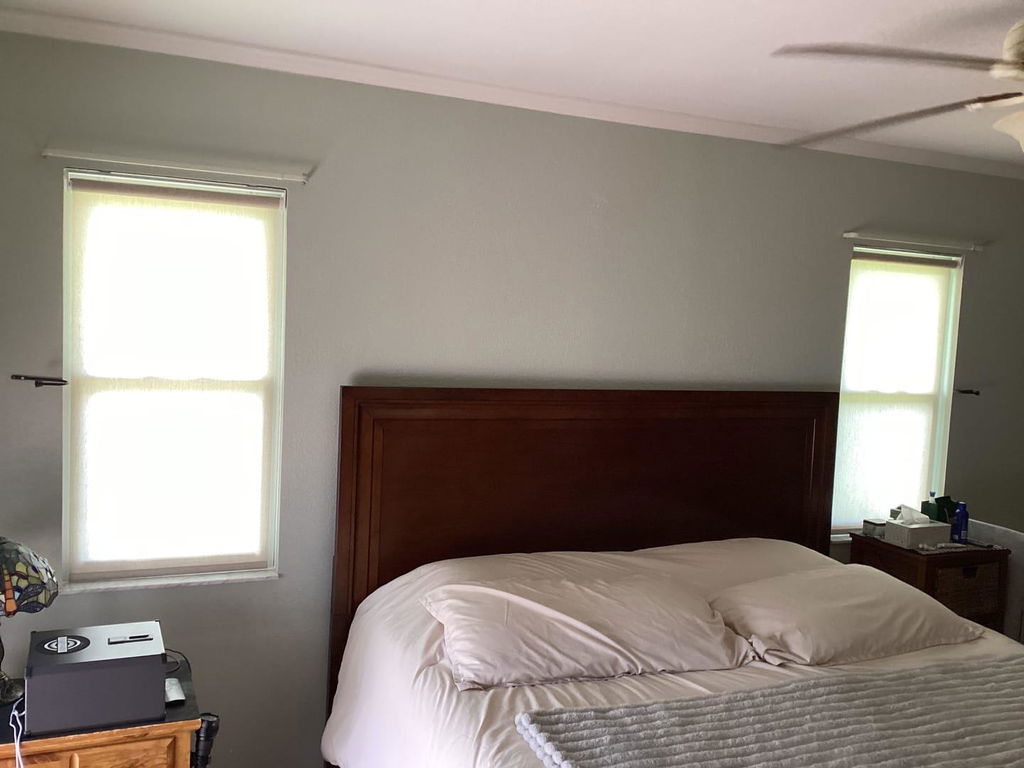
We’ve all been there. You find a 'blackout' shade at a big-box store, bring it home, and realize your window is 34.5 inches wide, but the shade only comes in 32 or 36. You go with the 32, thinking the gap won't matter. It matters. That one-inch gap on either side creates a glaring 'halo' effect that is actually more distracting than having no blinds at all. Because the fabric is so dark, the contrast of the light bleeding through the sides is sharpened, making your eyes focus on the glow instead of drifting off.
Standard sizes are designed for the average of averages, but window casings are rarely perfectly square. If you have an older home, your frame might be 35 inches at the top and 34.75 at the bottom. Off-the-shelf shades can't handle those nuances, leaving you with a messy, unfinished look that screams 'temporary fix' rather than 'designed space.'
Why You Can't Just Hack Big-Box Blinds with Scissors
I’ve seen the YouTube tutorials where people try to saw through a metal roller tube or trim heavy-duty fabric with a utility knife. It never ends well. I ruined three blinds trying to trim them myself back in my DIY-at-all-costs phase. The fabric ends up with tiny, jagged frays that catch in the mechanism, and if your cut is even a millimeter off-parallel, the shade will telescope to one side as you roll it up.
Once a roller shade starts 'telescoping'—rolling unevenly—it’s game over. The edge of the fabric will rub against the bracket, causing it to shred over time. When you order made-to-measure blackout blinds, the fabric is laser-cut or precision-cut in a factory, ensuring the edges are sealed and the alignment is perfectly perpendicular to the tube. It’s the difference between a tailored suit and a 'one size fits most' poncho.
The 1/4-Inch Math: Getting Made-to-Measure Right
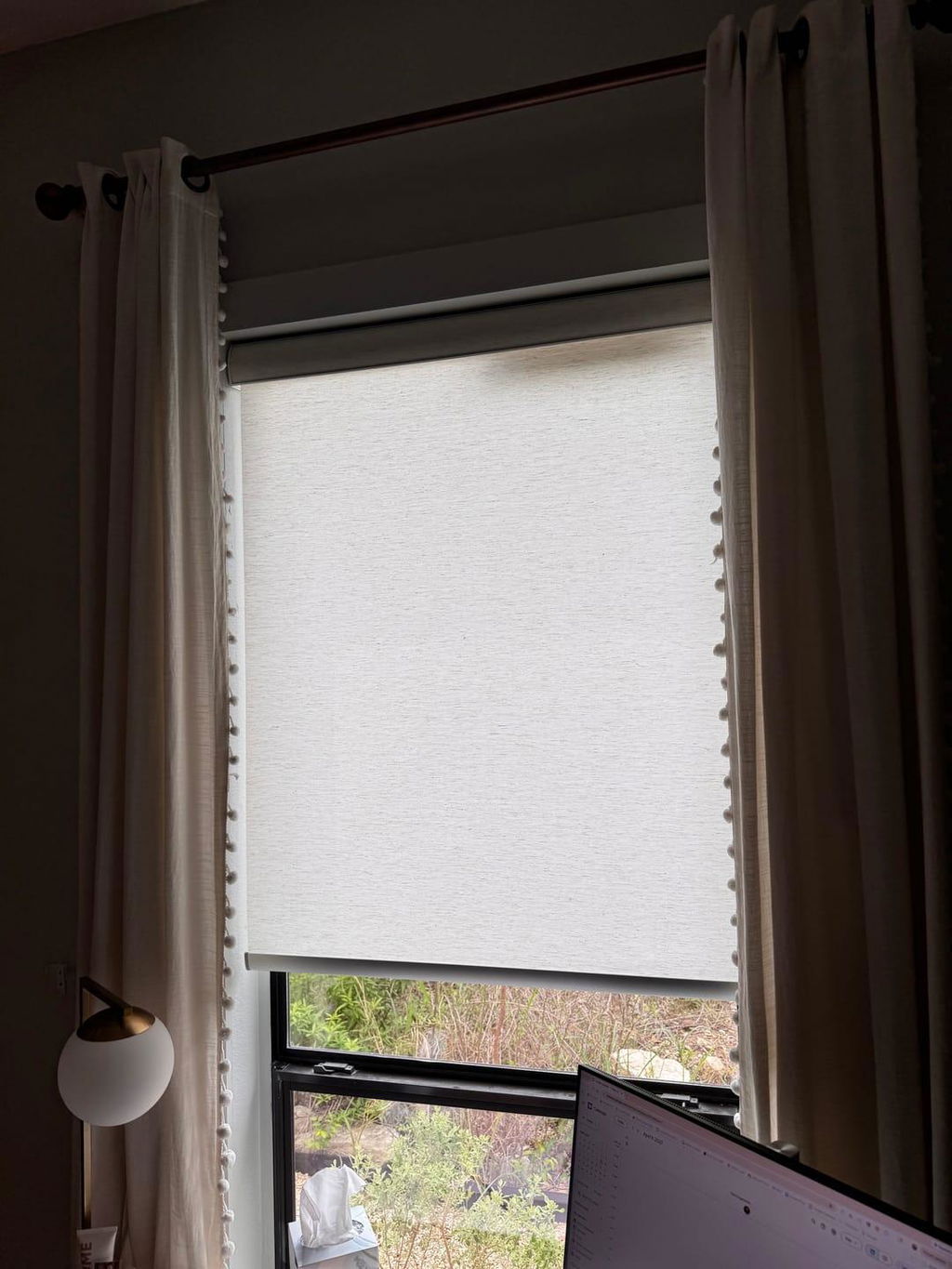
When you’re ordering custom, the math is everything. For an inside mount, you need to measure the width of your window casing in three places: top, middle, and bottom. Use the smallest measurement. Most fabrication shops will ask for the exact 'tight' measurement of the opening and then they will take a small deduction—usually 1/8 to 1/4 of an inch—to ensure the hardware actually fits inside the frame without scraping the paint.
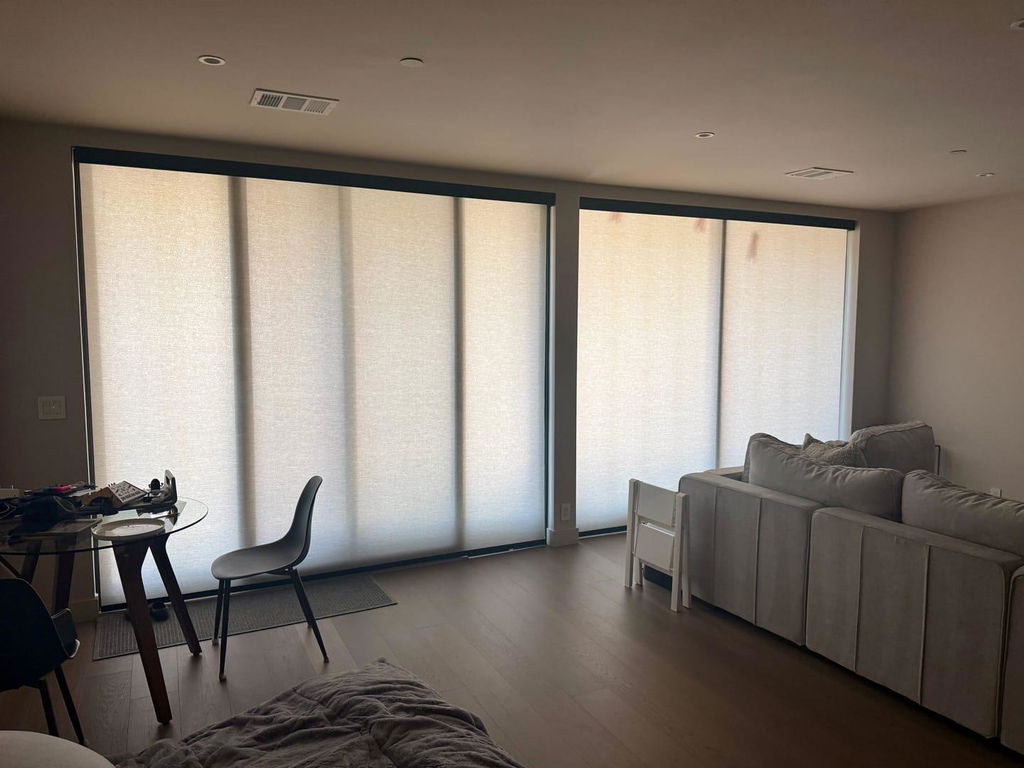
If you want total darkness, pay attention to the depth of your casing. You need at least 2.5 to 3 inches of depth for the roller to sit flush. If your windows are shallow, consider an outside mount that overlaps the trim by 2 or 3 inches on each side. While exploring high-quality roller shades, look for options with 'slim-profile' brackets if you’re working with tight tolerances. This precision prevents that annoying light bleed while keeping the aesthetic clean and architectural.
When to Fake It: Cut-to-Size Alternatives
I get it—full custom isn't always in the budget for every single window, especially if you're in a rental or a guest room that rarely sees use. There are high-quality 'cut-to-size' options that sit in the middle ground. These aren't the cheap vinyl ones; they are usually fabric-based and come with a professional cutting service at the point of sale. If you're faking a custom look with cut-to-size options, the key is the installation. Use a level. Even if the blind is cut correctly, a tilted bracket will ruin the light-blocking effect and the visual line of the room.
Layering Dual Shades to Kill the Final Light Gap
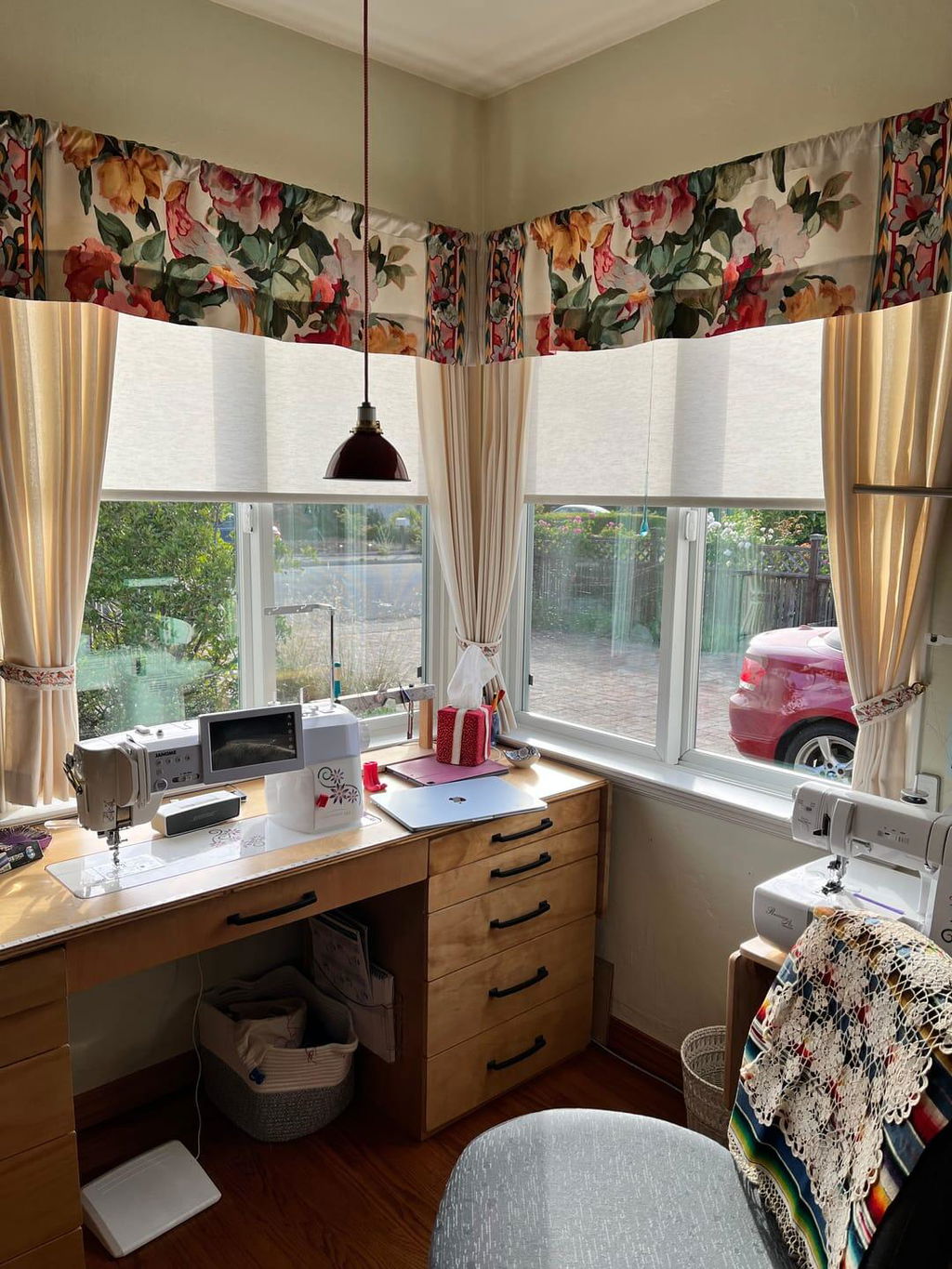
For the ultimate 'hotel-style' blackout, I always recommend a dual-layer approach. Even the best-fitting roller shade has a tiny gap where the brackets sit. To fix this, I often specify motorized double roller blinds for a seamless look. This setup uses a single bracket to hold both a blackout shade and a decorative sheer or solar shade.
By putting the blackout shade closest to the glass and a slightly wider sheer or a set of linen drapes over the top, you completely hide the light gaps. During the day, you have the soft, filtered light of the sheer. At night, you drop the blackout layer and achieve total sensory deprivation. It’s a high-end look that feels intentional rather than reactive.
Is the Wait for Custom Sizing Actually Worth It?
The lead time for custom window treatments can be anywhere from two to six weeks, and I know how hard it is to wait when you're staring at a bare window. But here is my honest take: you will notice a bad fit every single morning. You will notice the frayed edges and the light leaks. The investment in custom sizing pays for itself in sleep quality and the fact that you won't have to replace them in two years when the DIY hack falls apart. A perfectly fitted shade makes the window look larger and the ceiling look higher. It’s the foundation of a room that feels 'finished.'
How do I measure if my window isn't square?
Always take three measurements for width (top, middle, bottom) and three for height. Use the smallest width and the longest height for an inside mount. This ensures the blind won't get stuck halfway down the frame.
What is the best fabric for blackout rollers?
Look for a 100% polyester fabric with a thermal acrylic backing. It’s durable, easy to wipe clean, and won't pinhole over time like some cheaper coated fabrics.
Can I install these myself?
Absolutely. Most custom shades come with simple 'click-in' brackets. As long as you have a drill and a level, you can install a room's worth of blinds in an afternoon. The hard part is the measuring, not the hanging.