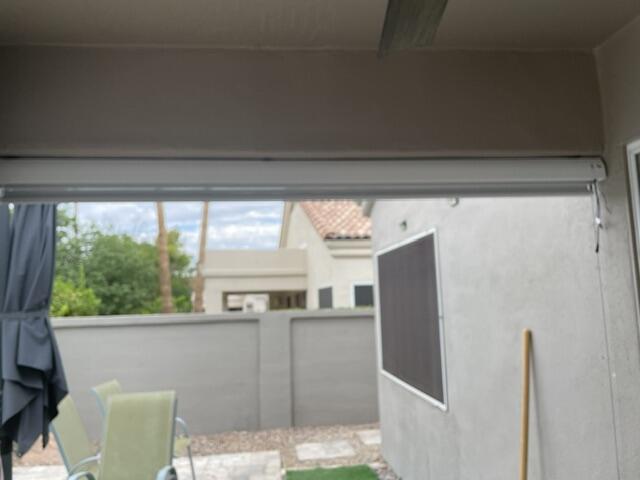
How to Measure for a Custom Roller Shade Without Having a Panic Attack
I still remember the first time I clicked 'place order' on a set of custom window treatments. My palms were literally sweating. I had triple-checked the numbers, but the fear of a $600 mistake arriving at my door—only to be two inches too wide for the frame—was paralyzing. We’ve all been there, standing in front of a window with a flimsy plastic tape measure, wondering if we’re actually measuring the opening or just our own anxiety.
The truth is, a custom roller shade is the single most effective way to make a room look like a professional actually lives there. It’s the difference between a cluttered, DIY mess and a clean, architectural finish that lets your windows breathe. But getting that look requires a level of precision that big-box stores just can’t offer.
- Use a steel tape measure, never a fabric one.
- Measure the width in three places: top, middle, and bottom.
- Check your depth to ensure the shade sits flush.
- Always round down to the nearest 1/8th of an inch.
Why I Finally Stopped Cutting Blinds in the Hardware Store Parking Lot
For years, I lived the 'cut-to-size' life. I’d buy those generic vinyl blinds and watch a store associate run them through a saw that left the edges frayed and sad. It never looked right. The light gaps were massive, and the mechanisms felt like they’d snap if I looked at them wrong. I spent 40 on a spring roller for shades and made my own custom blinds as a weekend experiment once, and while it was a fun craft, it lacked the tension and smooth glide of a factory-weighted hem bar.
When you go custom, you’re paying for the 'fit.' You want that fabric to sit exactly 1/8th of an inch from the casing. No more, no less. It creates a seal that keeps the sun out and makes the window look like it was designed around the shade, rather than the shade being an afterthought.
The Inside Mount vs. Outside Mount Debate, Settled
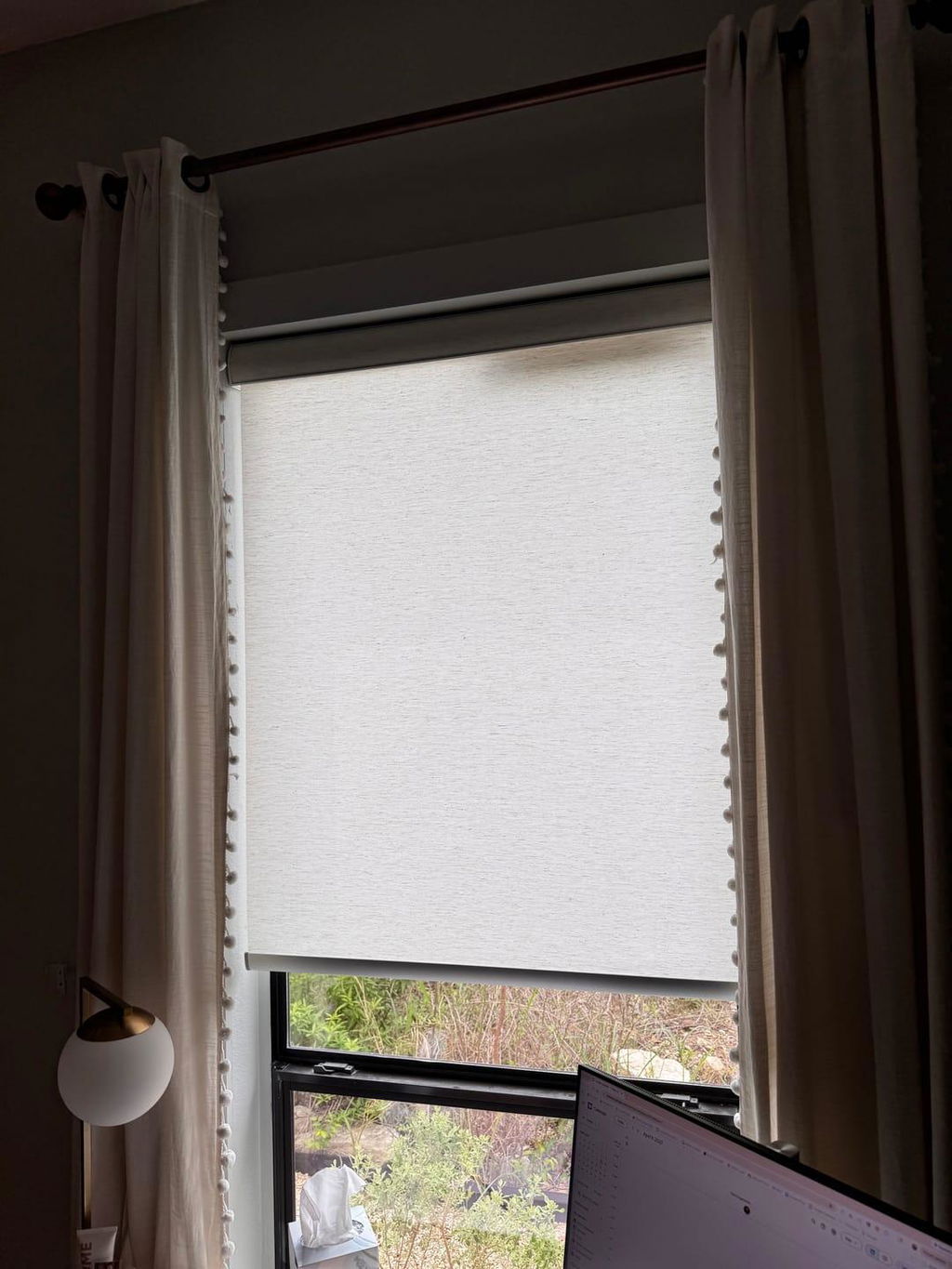
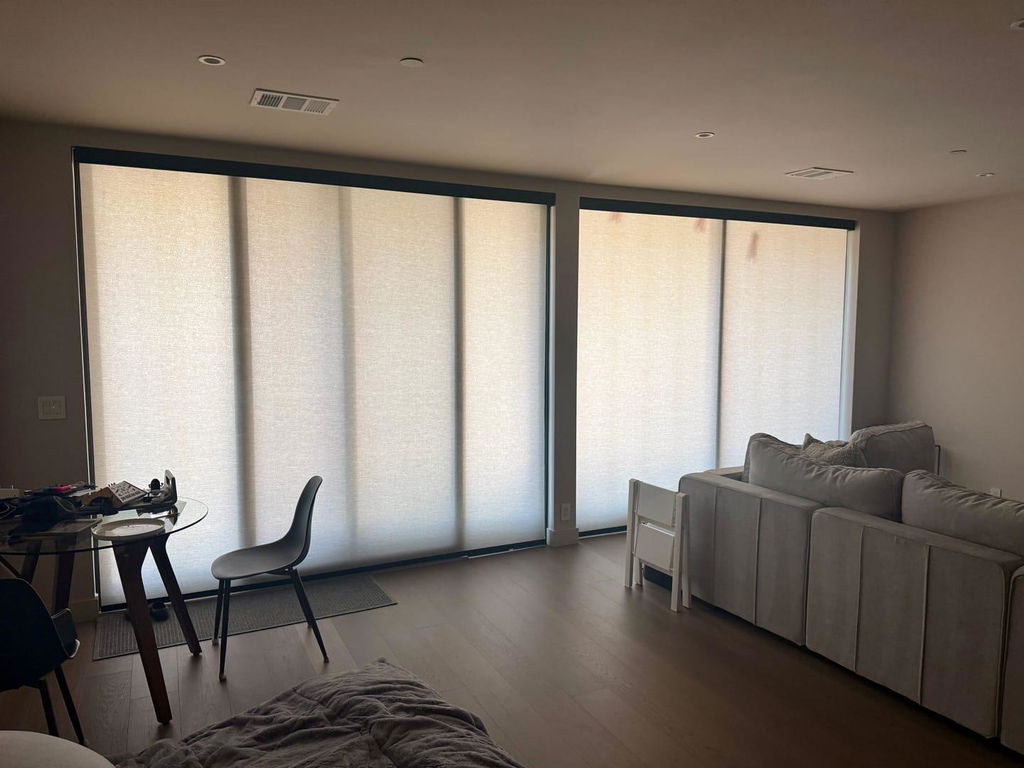
If you have beautiful molding, go with an inside mount. It’s the cleanest look possible and keeps the profile of the room slim. When ordering custom window roller shades, an inside mount allows the window frame to act as a natural border. It’s modern, it’s sharp, and it doesn’t eat up your wall space.
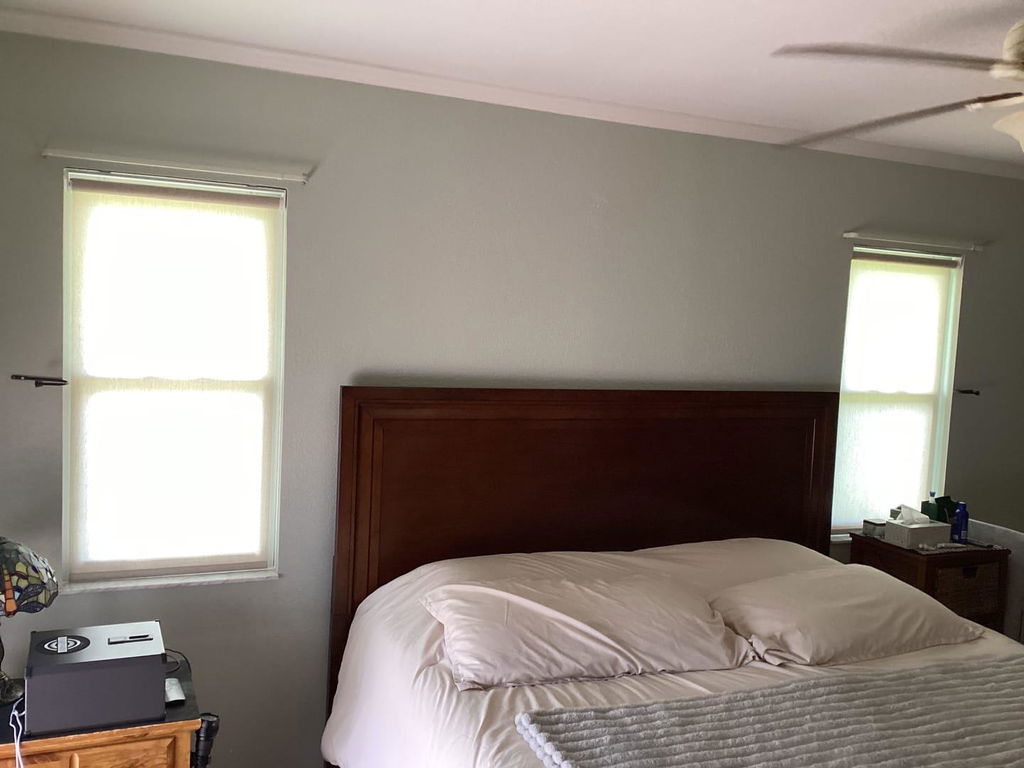
However, if your windows are shallow or the trim is ugly, an outside mount is your best friend. It hides the frame entirely and can make a small window look twice its size if you mount the shade a few inches above the casing. For high-traffic areas like a home office or a bedroom where you need total light control, Day Night Shades are a fantastic inside-mount option. They offer a sheer layer for the day and a solid layer for privacy, all tucked neatly within the frame.
Depth is Everything (Please Don't Skip This Check)
This is where most people trip up. You can have the perfect width, but if your window casing is only an inch deep, a standard roller cassette is going to stick out into the room like a sore thumb. It looks unfinished and cheap. Most high-quality rollers need at least 2.5 inches of flat 'mounting surface' to sit flush.
I learned this the hard way in my guest room. I swapped custom romans for fabric window shades roller styles because I wanted a more minimalist vibe, but I didn't account for the window crank handle. The shade hit the handle every time I lowered it. Always measure from the furthest protruding point—whether that’s a latch, a crank, or a piece of decorative trim.
The 3-Point Measurement Rule for Custom Made Roller Shades
Repeat after me: Your windows are not square. Even in a brand-new build, the house settles, the wood swells, and suddenly the top of your window is a quarter-inch wider than the bottom. If you only measure the top and order based on that, your shade will jam halfway down.
When ordering custom made roller shades, you must measure the width at the top, the middle, and the bottom. Write all three down. Then, take the *smallest* of those three numbers. This ensures the shade can travel the full length of the window without scraping the sides. Before finalizing your cart, check the specific Roller Shades collection notes. Most manufacturers will take a small 'factory deduction' from your provided width to ensure the hardware fits, so don't try to be helpful by subtracting that yourself.
What to Do When Your Window is Wildly Out of Square
If your measurements vary by more than half an inch, you have a 'wonky' window. In this case, an inside mount might actually highlight how crooked the frame is. You’ll see a wedge-shaped light gap at the side that will drive a perfectionist crazy. If you're investing in something like Canisteo Motorized Dual Roller Shades Cordless Custom Double Roller Blinds, you want that movement to be butter-smooth. If the frame is too tight at the bottom, the motor will strain, which can shorten its lifespan. If the window is truly a trapezoid, pivot to an outside mount and call it a day.
Layering: Spacing Your Hardware for Future Drapes
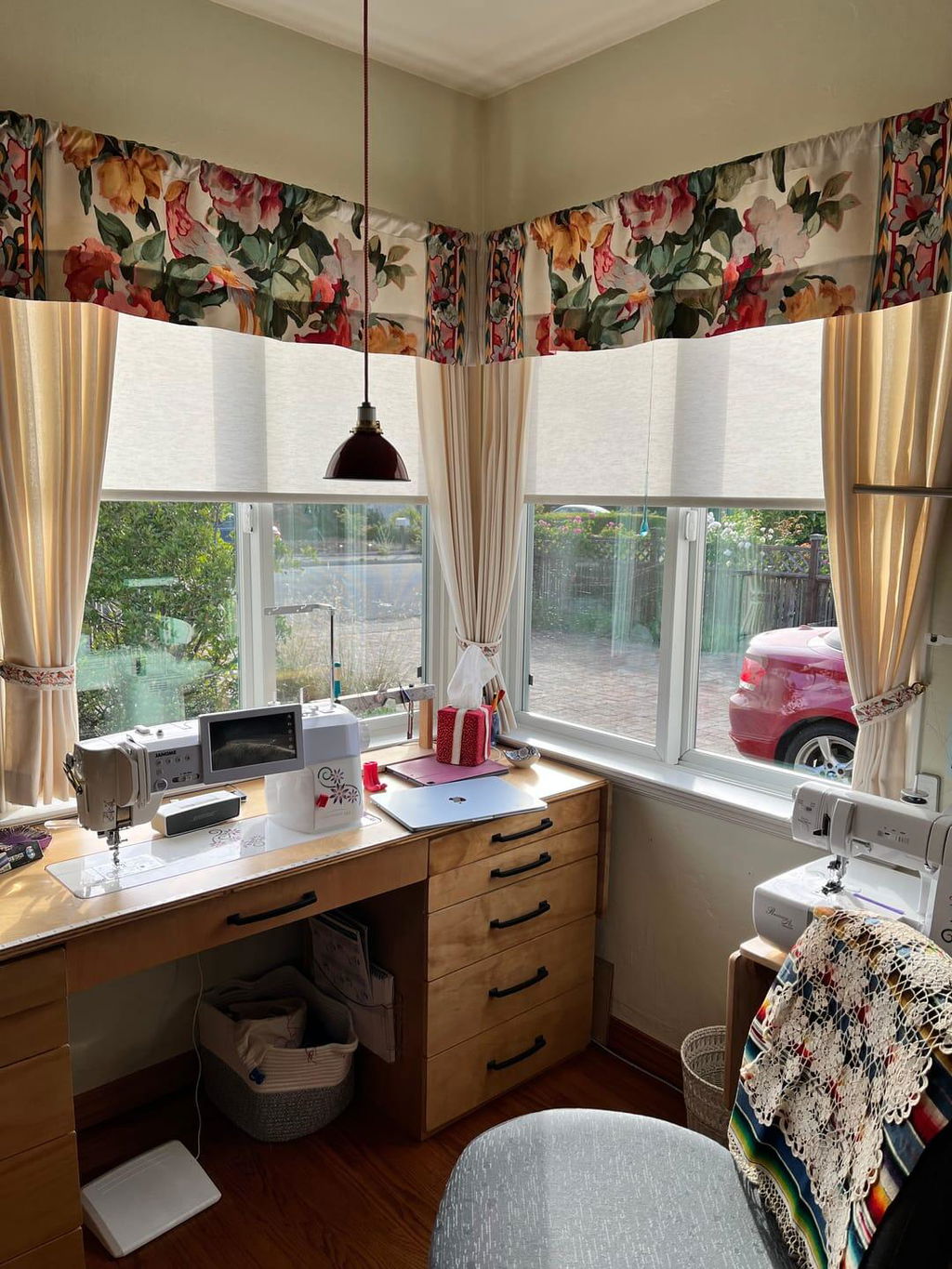
I love a 'belt and suspenders' approach to windows. A sleek roller shade for light control, paired with floor-to-ceiling linen drapes for texture. If you plan to layer, make sure your shade hardware doesn't stick out so far that it creates a giant 'bump' in your curtain panels. Mount your shade as deep into the window as possible. If you’re doing an outside mount, you’ll need extra-long 'L-brackets' for your curtain rod to ensure the drapes clear the roller cassette. I usually aim for at least 3 inches of clearance between the shade and the back of the curtain rod.
My Foolproof Measuring Toolkit
Stop using that yellow tailor’s tape from your sewing kit. It stretches over time and will lie to you. Use a heavy-duty steel tape measure with a locking mechanism. I also keep a small torpedo level in my pocket. If the top of the window frame isn't level, the shade will roll up unevenly (we call this 'telescoping'), causing the fabric to fray against the brackets. A quick check with a level tells you if you need to shim one side of the bracket to keep everything tracking straight.
FAQ
Do I need to subtract anything from my measurements?
No. For an inside mount, provide the exact tight opening measurement. The factory will make the necessary deductions (usually 1/8 to 1/4 inch) so the brackets fit. If you do it yourself, you'll end up with a massive light gap.
What if my window has no trim?
You can still do an inside mount if you have a recessed 'drywall return.' Just be careful when drilling—use anchors, or you'll just crumble the edge of the drywall and the whole thing will come crashing down at 3 AM.
How do I measure the height?
Measure from the top of the inside casing down to the windowsill. Unlike width, you actually want to use the *longest* measurement for height to ensure the shade covers the entire glass. A slightly longer shade just stays on the roll; a shade that's too short leaves a distracting line of sun at the bottom.