I Put Hunter Douglas Architectural Shades in a Glass Box Living Room
I remember standing in the middle of a client's new-build living room—all polished concrete floors and black-framed glass—holding a stack of 300 gsm Belgian linen swatches. The sun was bouncing off the floor at 4 PM, blinding us both, but every fabric I held up felt like putting a ballgown on a robot. It just didn't fit. The room was sharp, intentional, and cold; the soft, romantic waves of traditional drapery looked like a desperate attempt to hide the architecture rather than celebrate it. That was the day I stopped trying to 'soften' modern spaces and started looking for hunter douglas architectural shades.
- Architectural shades use structural battens to maintain a crisp, horizontal aesthetic that mimics window mullions.
- Standard rollers often look like flimsy paper in large windows; architectural versions offer a rigid, high-end finish.
- Commercial-grade hardware is a necessity for the massive glass spans found in modern residential architecture.
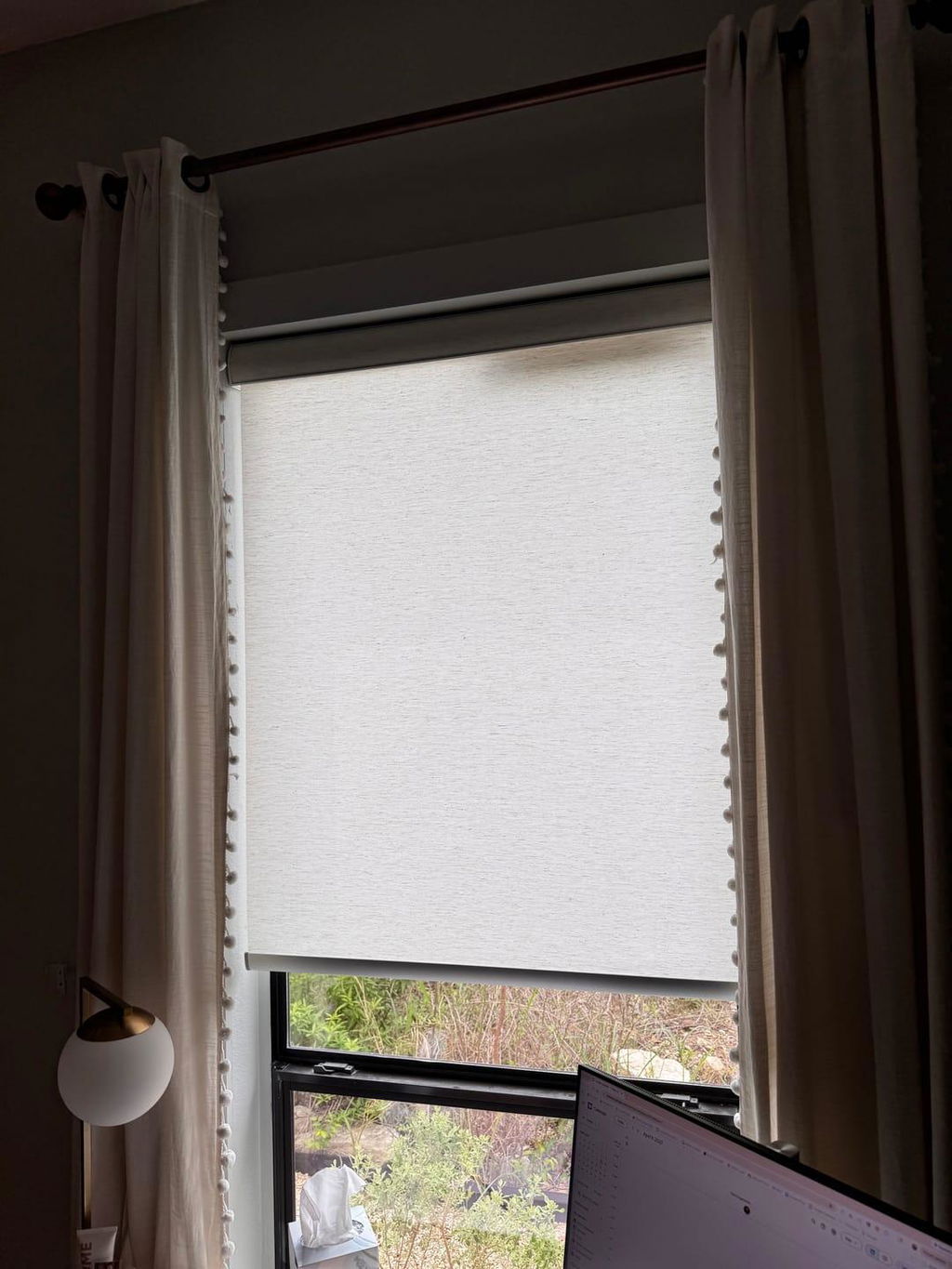
- Forward-roll configurations allow the fabric to clear window handles while keeping the hardware tucked tight to the casing.
The 'Cold Room' Problem With Modern Architecture
Modern architecture is a blessing and a curse. You get these soaring ceilings and floor-to-ceiling glass that makes you feel like you are living in the clouds, but the moment the sun drops or the neighbors turn on their porch lights, you feel like you are living in a goldfish bowl. My typical instinct is to reach for a heavy linen blend with a 2.5x fullness to create some 'coziness.' But in a room defined by right angles and industrial steel, five yards of pooling fabric often looks messy. It interrupts the sightlines.
The dilemma is real: leave the windows bare and freeze at night, or add curtains and ruin the very minimalism you paid for. I have seen too many gorgeous, six-figure renovations get 'cluttered' by bulky rods and sagging fabric. You need something that behaves like the wall itself. You need a treatment that feels like a structural element rather than an afterthought. When the architecture is the star, the window treatment needs to be the supporting cast that actually knows its lines.
What Actually Makes a Shade 'Architectural'?
In the design world, we throw the word 'architectural' around to justify a higher price tag, but here, it actually refers to the anatomy of the shade. A standard shade is just a piece of fabric on a stick. An architectural shade, however, is engineered with structural battens—thin, rigid horizontal inserts—that keep the fabric perfectly flat and taut. It prevents that annoying 'hourglassing' or curling at the edges that you see with cheap roller shades that aren't weighted correctly.
Another key factor is the forward-roll design. Most shades roll off the back of the tube, leaving the fabric close to the glass but exposing the roll itself. Architectural models often roll off the front, allowing the fabric to drop straight down like a seamless wall. This creates a small pocket of air between the fabric and the glass, which is great for insulation, but more importantly, it looks incredibly clean. It mimics the window casing rather than covering it up, which is exactly what a minimalist room demands.
Standard vs. Hunter Douglas Architectural Roller Shades
If you have ever bought a budget shade for a wide window, you know the 'V' shape it makes in the middle after a few months. That is the fabric failing under its own weight. Hunter Douglas architectural roller shades solve this with their Alustra collection fabrics. These aren't just polyester; they are high-performance weaves that feel more like fine mesh or stiffened grasscloth. They have a structural integrity that keeps them looking like a solid panel rather than a piece of flimsy paper. The battens are integrated so seamlessly you barely see them, but you definitely notice the lack of sagging.
Why I Stopped Pushing Soft Drapery in Minimalist Rooms
I learned this lesson the hard way on a project in a concrete-and-glass loft. I insisted on sheer linen drapes to 'warm up' the space. We spent thousands on custom rods and French pleats. Two weeks later, the client called. The drapes were catching on the industrial floor vents, they looked 'fussy' against the raw concrete, and they blocked the view even when open. It was a disaster. We pulled them down and replaced them with structured shades, and the room finally breathed. It was a major design epiphany for me, and it is why I stopped hiding my Hunter Douglas roller blinds behind drapes.
There is a specific kind of confidence in a room that doesn't need ruffles. When you use a shade that has its own internal structure, you are leaning into the geometry of the house. I once had a client worry that it would feel too much like an office, but once we chose a fabric with a slight metallic shimmer and a 3% openness factor, it felt like a gallery. You could still see the city lights through the mesh, but the glare was gone and the room felt finished.
When to Spec Hunter Douglas Commercial Roller Shades at Home
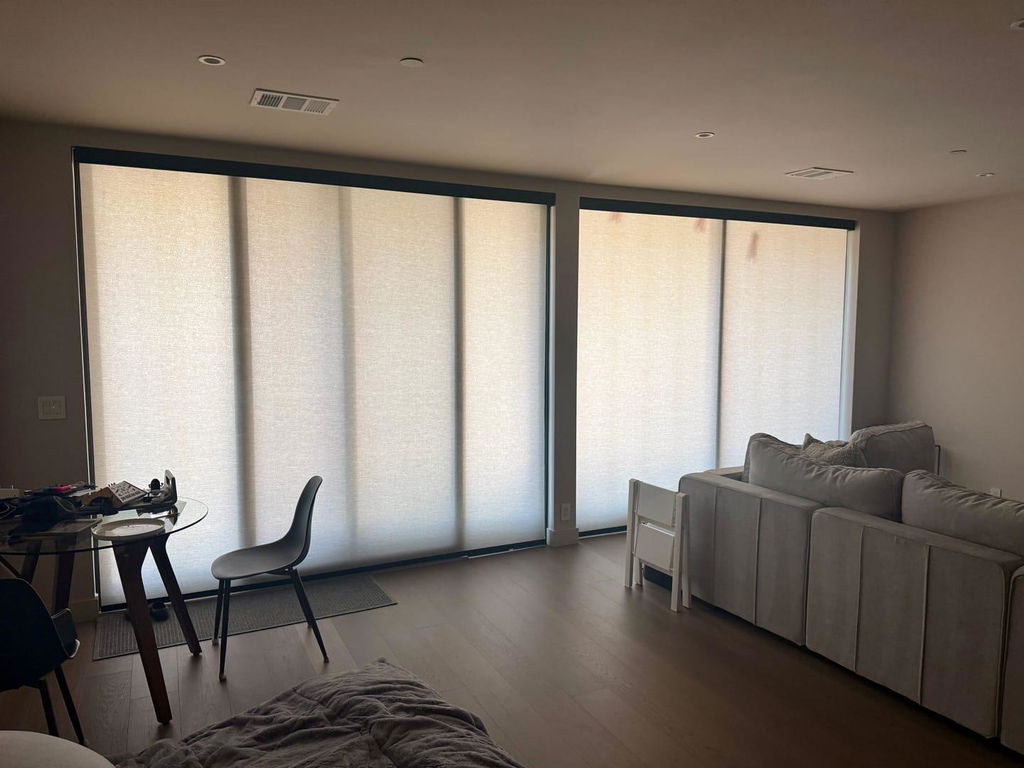
Sometimes, residential hardware just isn't enough. If you are dealing with a window that is 12 feet wide or a double-height ceiling, you need to look at hunter douglas commercial roller shades. These systems use larger tube diameters (think 2 to 3 inches) to prevent the metal from bowing under the weight of the fabric. They also feature heavy-duty clutches that make manual operation feel like butter, rather than a workout. In my experience, if the window is wider than 96 inches, commercial-grade is the only way to go if you want it to last more than a season.
For these massive spans, I always tell clients that open floor plans need motorised roller shades. Trying to manually pull a commercial-grade shade that weighs 20 pounds is a recipe for a broken cord and a frustrated homeowner. With automation, you can sync the shades to drop the moment the sun hits that specific 4 PM angle, protecting your art and your furniture without you having to lift a finger. It is the difference between a house that works for you and a house you have to manage.
Pairing Structured Shades With the Right Hardware
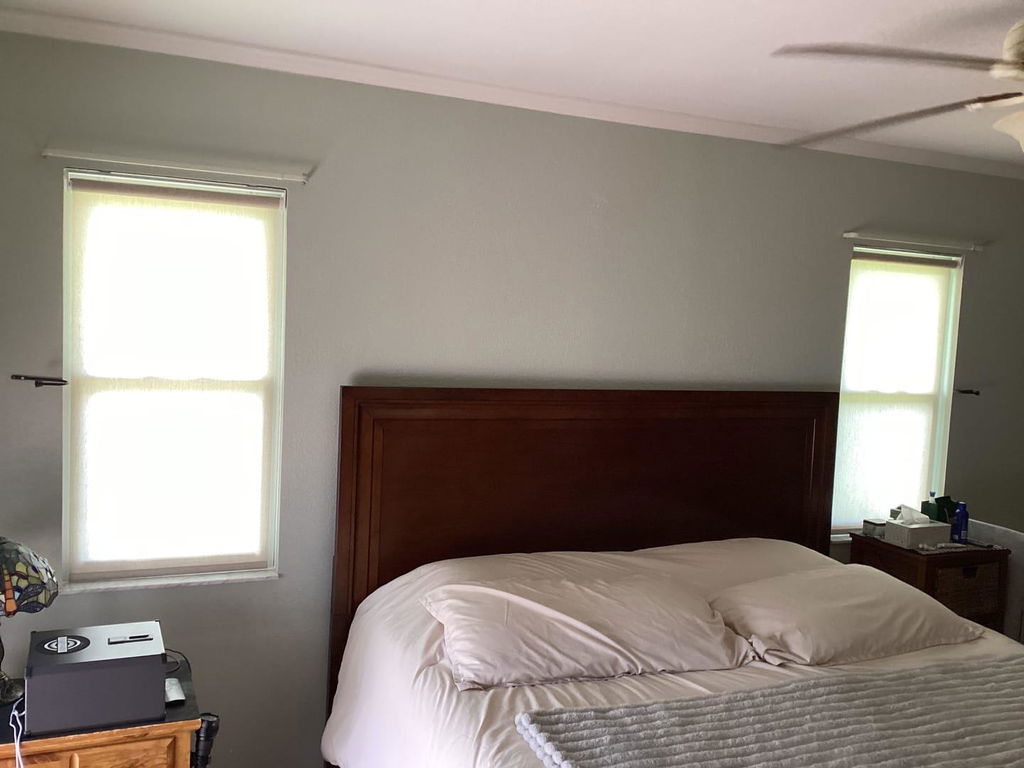
The shade is only half the battle; the hardware is what makes it disappear. In a perfect world, you would have a ceiling pocket recessed into the drywall so the shade vanishes completely when raised. If you are retrofitting, you want a sleek square fascia or a cassette that matches your window mullions. I usually go with a matte black or anodized aluminum finish to match the frames. You want the eye to skip right over the hardware.
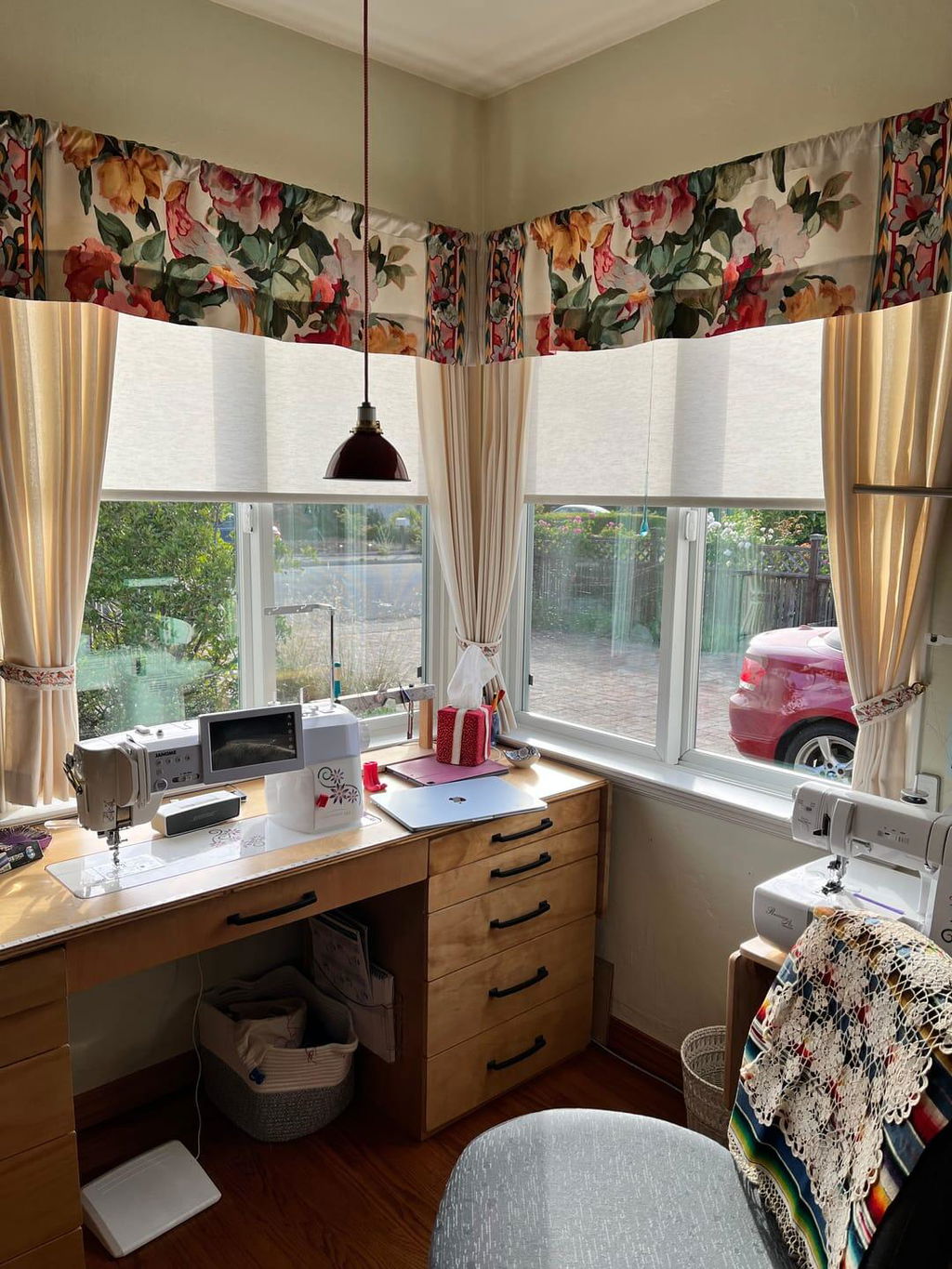
If you need both privacy and light control, don't double up on bulky rods. Look into day night shades which offer two fabrics in one unit. If you want the ultimate flexibility, motorized dual roller shades allow you to have a solar screen for the day and a blackout fabric for movie night, all within a single, compact bracket system. It keeps the footprint minimal while giving you total control over the environment.
Are High-End Architectural Treatments Worth the Budget Hit?
Let's be honest: these systems aren't cheap. You are paying for the engineering, the tensioned fabrics, and the fact that they won't rattle when the HVAC kicks on. But in a modern home, the windows are the most prominent feature. If you skimp on the treatments, the whole house looks 'off.' I view architectural shades as part of the permanent structure, like the flooring or the cabinetry. When you invest in premium engineering, you aren't just buying a window covering; you are completing the architecture. It is a non-negotiable for a room that wants to be taken seriously.
FAQ
Do architectural shades provide total privacy?
It depends on the 'openness factor' of the fabric. A 1% openness provides significant privacy while still letting in a glow of light, whereas a 10% openness is much more transparent. For total privacy, you would choose a blackout fabric with side channels to eliminate light gaps.
Can I install these myself?
I wouldn't recommend it for large architectural or commercial models. The tensioning and leveling must be perfect to prevent the fabric from telescoping (rolling unevenly). Professional installers have the laser levels and the experience to ensure that 12-foot drop is perfectly plumb.
How do I clean the Alustra fabrics?
Most are made from high-performance synthetic blends that only require a light dusting or a vacuum with a brush attachment. Because they are structured, they don't hold onto dust as much as heavy, porous drapery does. Just don't use harsh chemicals, or you might damage the stiffening agents in the fabric.