The Real Reason Open Floor Plans Need Motorised Roller Shades
I remember moving into my first open-concept loft with 14-foot ceilings and six massive windows. I felt like I had finally made it, until the first Tuesday afternoon when the sun hit at a 45-degree angle. I spent the next twenty minutes sprinting from the kitchen to the dining area, then back to the sofa, wrestling with beaded chains just to see my laptop screen. That was the day I realized that motorised roller shades aren't a luxury for the lazy—they are a survival tool for the modern floor plan.
Open floor plans are a dream for entertaining, but they are a nightmare for light control. When your kitchen, dining, and living areas share one continuous visual plane, every window needs to behave. If one shade is up, one is half-down, and another is slightly crooked, the whole room feels like a messy bed. It creates a visual stutter that ruins the clean architectural lines you paid so much for.
- Instant Symmetry: Grouped motors ensure every shade stops at the exact same millimeter.
- Reduced Wear: No more tugging on delicate fabrics or snapping beaded chains.
- Curb Appeal: From the street, your house looks intentional and uniform, not haphazard.
- Energy Efficiency: Set timers to drop shades during peak heat without being home.
The Open Floor Plan Problem Nobody Talks About
The beauty of a combined living and dining space is the flow, but that flow is interrupted the moment you have to manage eight different windows manually. In most open-concept homes, you are dealing with multiple exposures. You might have North-facing light in the kitchen and West-facing glare in the living room. Adjusting these individually twice a day is a chore that most people eventually just stop doing, leaving their expensive furniture to fade in the UV rays.
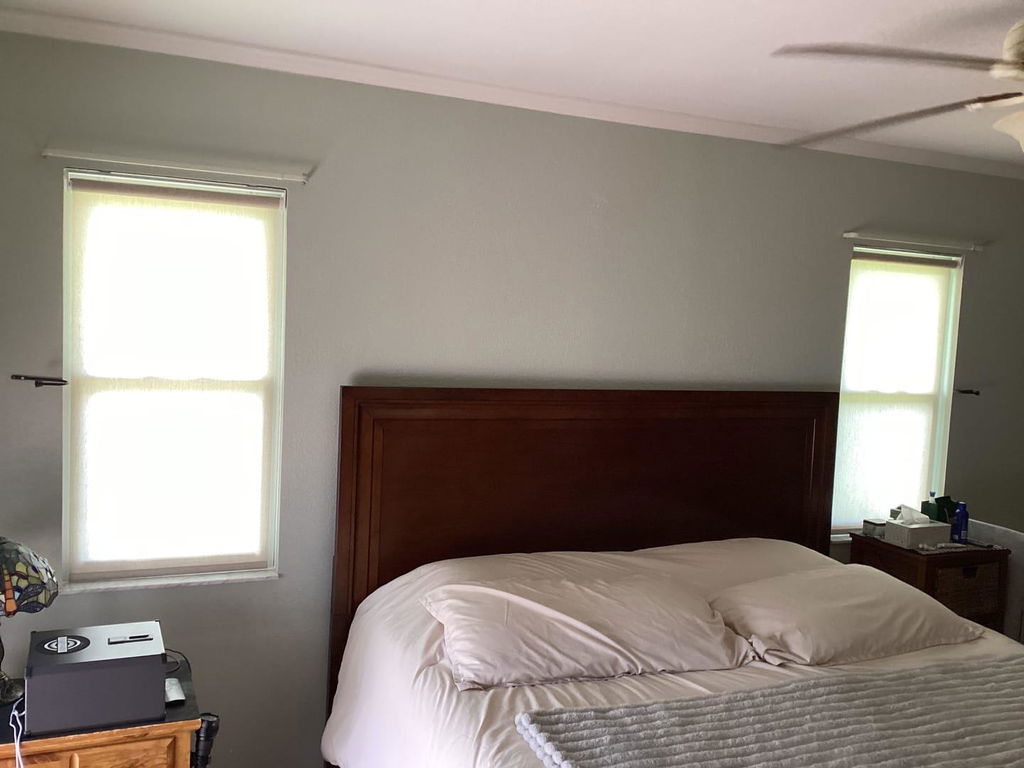
There is also the 'jagged tooth' effect. When you pull manual shades, you are eyeballing the height. One is at 50%, another is at 55%. In a small, enclosed room, you might not notice. In an open space where your eye can track a 40-foot wall, those uneven hemlines create massive visual noise. It makes a high-end renovation look unfinished and chaotic.
The Magic of Grouping: One Button, Six Windows
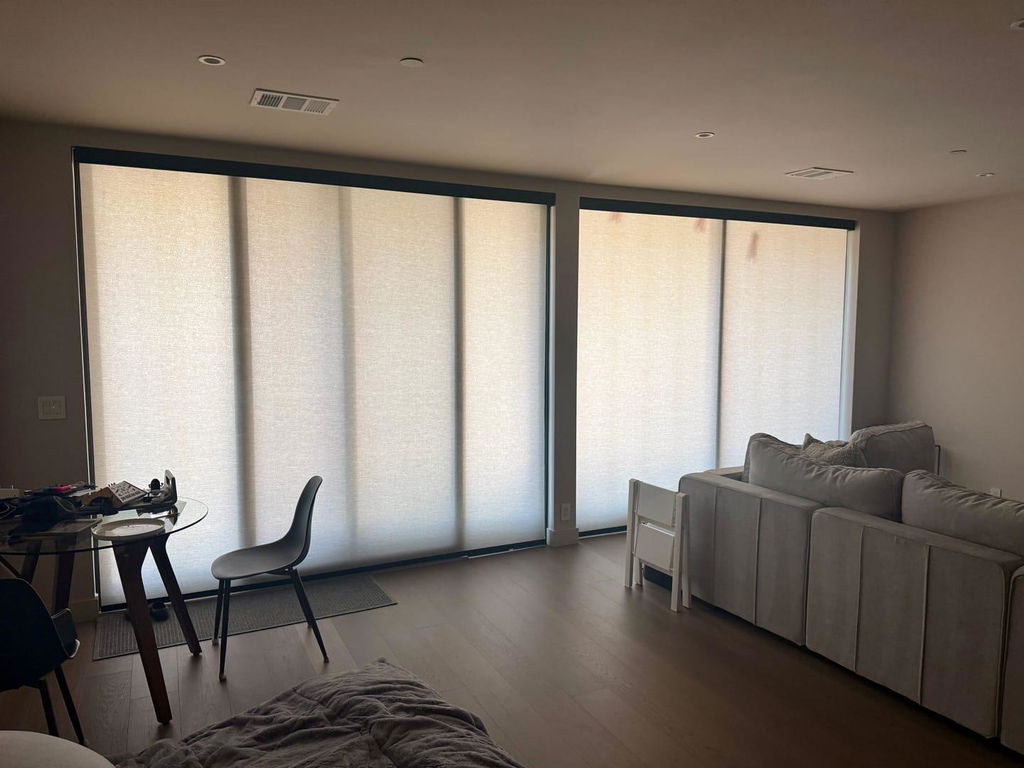
The real secret to a polished open space is the 'grouping' function. When you install mechanical roller shades, you aren't just getting a motor; you are getting a conductor for your home's lighting orchestra. I usually recommend programming a single channel on your remote to control the entire 'Great Room' block. At 4 PM, when the glare hits the television, one tap drops every shade in the room simultaneously.
When selecting your materials, consistency is your best friend. Browsing a collection of modern roller shades allows you to pick a single high-quality fabric—I'm partial to a 3% openness solar screen in a cool charcoal or a warm sand—that works across the kitchen and the lounge. It creates a cohesive backdrop that lets your furniture be the star of the show. No more clashing textures between the cooking area and the relaxation zone.
The 'Uneven Hemline' Effect (And How to Fix It)
We spend so much time thinking about how our windows look from the sofa that we forget how they look from the driveway. A motorized roller blind is the ultimate fix for curb appeal. Manual blinds are almost never perfectly aligned. From the outside, your house looks like it has a wandering eye. With automated systems, you can program an exact 'mid-point' stop that aligns perfectly with your window mullions or transoms.
I once worked on a project where the homeowner insisted on manual electric rolling blinds (yes, they existed in a weird hybrid state back then). Within a week, they called me back because the front of the house looked 'messy.' We swapped them for fully programmable motors, set a 'scenic' height for 10 AM, and suddenly the architecture popped. It’s about precision. If your shades are even an inch off from each other, the human eye picks up that tension immediately.
How to Stop Your Living Room From Looking Like a Boardroom
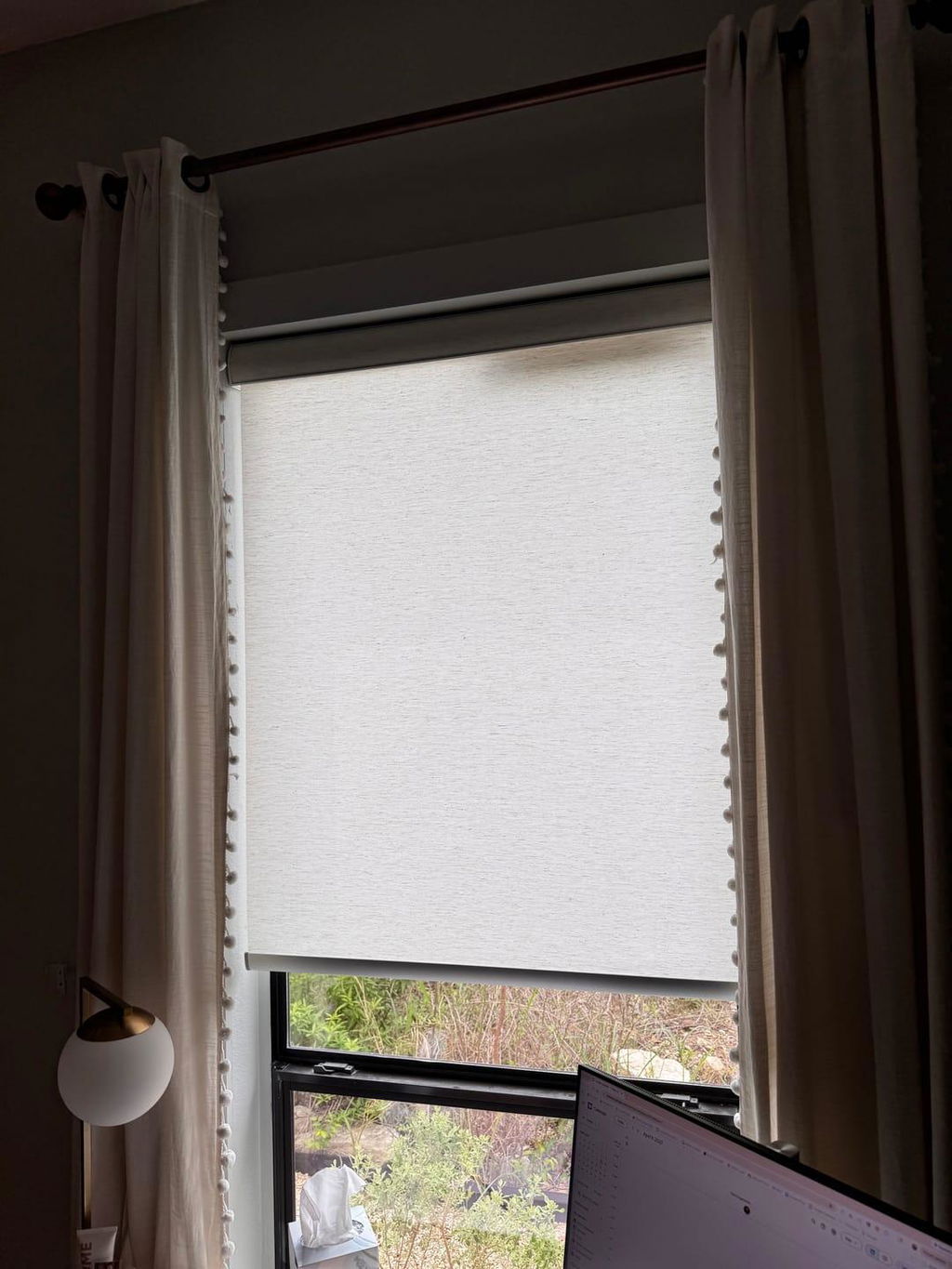
The biggest pushback I get from clients is that they fear roller shades feel too corporate. They think 'dentist office' instead of 'cozy sanctuary.' The trick is in the layering. You use electric roller shades for windows as your functional base layer, then you soften the edges with stationary linen side panels. I love a 200 gsm linen blend with about 2.5x fullness. The fabric adds the soul, while the shade does the heavy lifting.
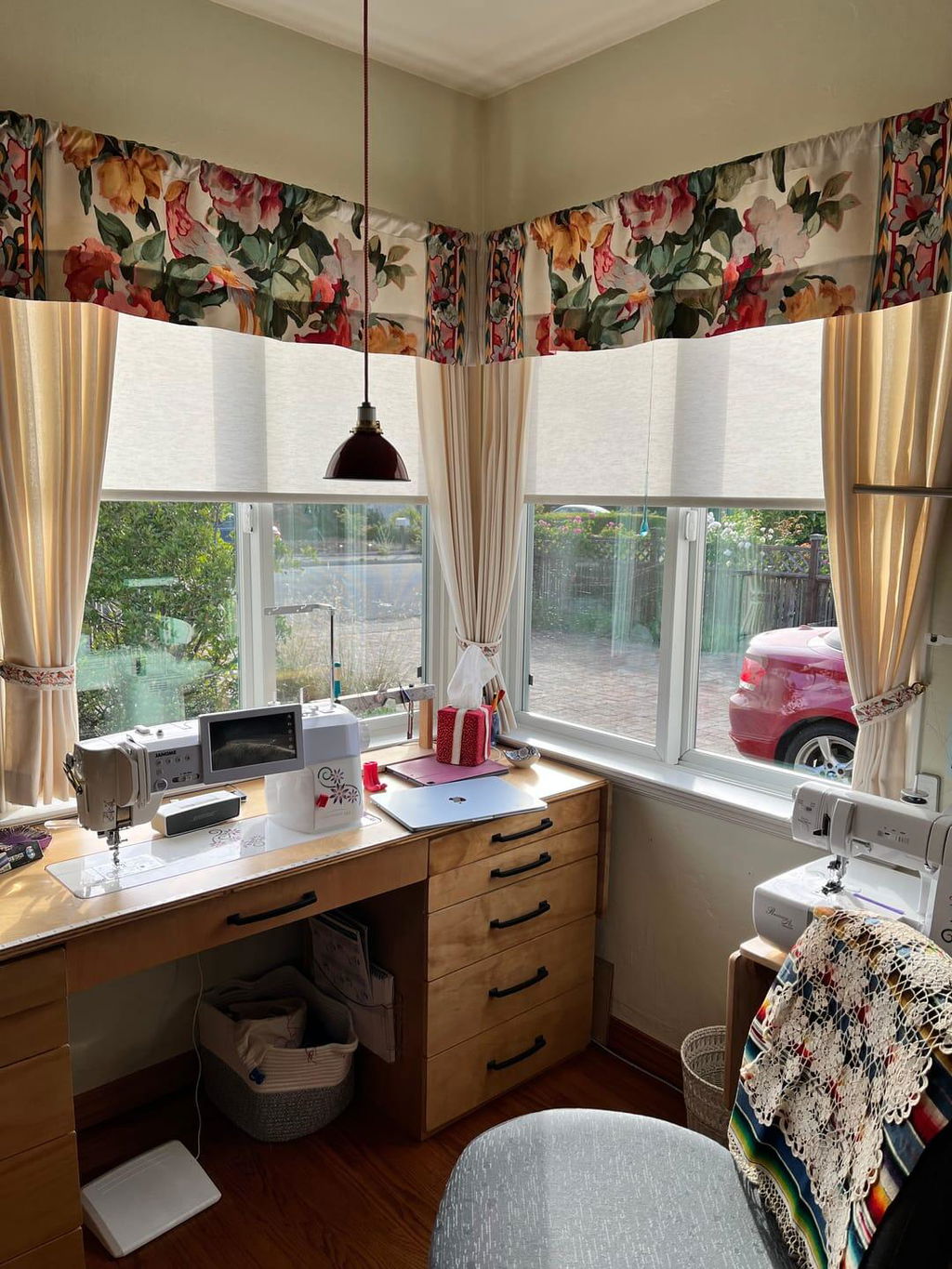
If you want the ultimate setup, consider a dual motorized roller system. This allows you to have a sheer solar shade for the daytime to cut glare and a blackout or privacy shade for the evening, both tucked into the same slim headbox. It is the gold standard for open-plan living because it gives you total environmental control without the bulk of heavy drapes that eat up your floor space.
Yes, You Can Do This Without Ripping Open Your Drywall
Ten years ago, if you wanted roller shade electric options, you had to hire an electrician to run wires through your studs. It was a dusty, expensive nightmare. Today, the tech has shifted entirely. High-capacity lithium-ion batteries now live inside the roller tube. You can get the luxury hotel look while skipping the electrician entirely.
These battery motors are beasts. In a typical open-plan living room, you’ll likely only need to plug them into a USB charger once or twice a year. I’ve installed these in rentals where we couldn't touch the wiring, and they worked flawlessly. You just pop them into the brackets, and you’re done. It’s the easiest way to make a standard 'builder-grade' open floor plan feel like a custom-designed estate.
My Honest Take: The Time I Measured Wrong
I’ll be the first to admit that automation has a learning curve. I once ordered five motorized roller blind units for a client's sunroom and forgot to account for the motor head clearance on the inside mount. I was a quarter-inch off on every single window. I spent the night before their housewarming party re-mounting brackets and sweating through my silk blouse. The lesson? Measure three times, because once those motors are in, you want them to fit like a glove. But once they were up? The client hit one button, the shades glided down in perfect unison, and the look of pure joy on their face made the midnight stress worth it.
Frequently Asked Questions
Are motorised shades loud?
Most modern motors are whisper-quiet. You’ll hear a low hum, similar to a high-end refrigerator, but it’s far less intrusive than the clatter of manual metal chains hitting the glass.
What happens if the battery dies?
You’ll usually get a low-battery alert via an app or a blinking LED on the shade. You just plug in a long micro-USB or USB-C cable for a few hours. You don't even have to take the shade down.
Can I connect them to my smart home?
Absolutely. Most systems now bridge easily with Alexa, Google Home, or Apple HomeKit. You can literally tell your kitchen to 'close the shades' while your hands are covered in pizza dough.