Why I Stopped Hiding My Hunter Douglas Roller Blinds Behind Drapes
I still remember the sound of a 1994 vinyl blind snapping upward like a gunshot at 6 AM. It left me with a deep-seated distrust of anything on a roller. For years, my design philosophy was simple: hide the functional shade under ten yards of velvet or linen. I treated hunter douglas roller blinds as a necessary evil rather than a design asset, burying them behind heavy drapery to mask their utilitarian roots.
Quick Takeaways
- Modern roller fabrics now mimic high-end linens and woven grasses, making them worthy of being seen.
- The 'exposed tube' is the biggest killer of a high-end look; always opt for a cassette or valance.
- Screen shades offer UV protection without sacrificing your view, acting like sunglasses for your windows.
- Layering is no longer a requirement for 'finished' rooms—sleek architecture often looks better with a single, clean shade.
The Plastic Roller Shade Trauma We All Share
We’ve all lived with them. Those brittle, off-white sheets of plastic that yellowed in the sun and refused to stay level. They were the 'budget' choice, the thing you put up because you had to, not because you wanted to. This lingering trauma caused a generation of designers to default to heavy layered drapery. We were so busy trying to hide the 'cheap' shade that we ended up over-complicating our windows.
I used to insist on double-rod setups for every client. I’d spend hours calculating the 2.5x fullness for sheer under-panels just to soften the blow of a functional roller. It was a lot of fabric, a lot of dust, and frankly, it often crowded the window frame. We weren't highlighting the architecture; we were apologetically draping over it.
Why the New Generation of Rollers Changed My Rules
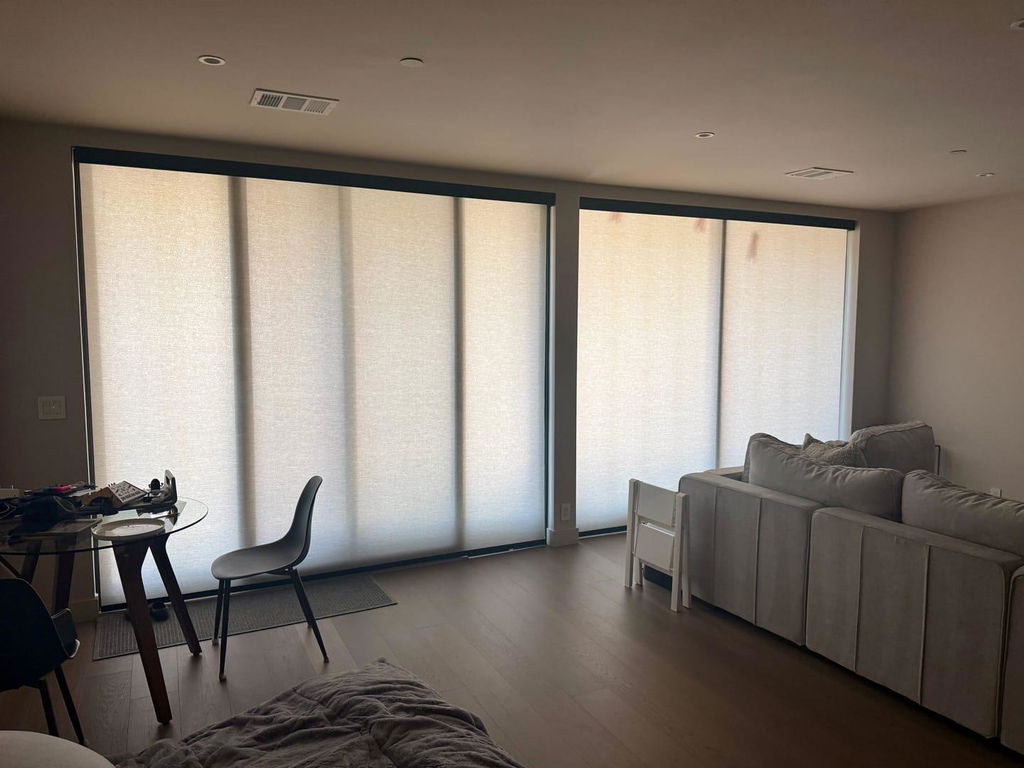
The shift happened for me during a mid-century modern renovation in the hills. The windows were massive, steel-framed beauties. Adding heavy drapes felt like putting a parka on a marble statue. I reluctantly suggested premium roller shades, specifically hunter douglas designer roller shades, and the result was a revelation. They didn't look like hardware; they looked like part of the wall.
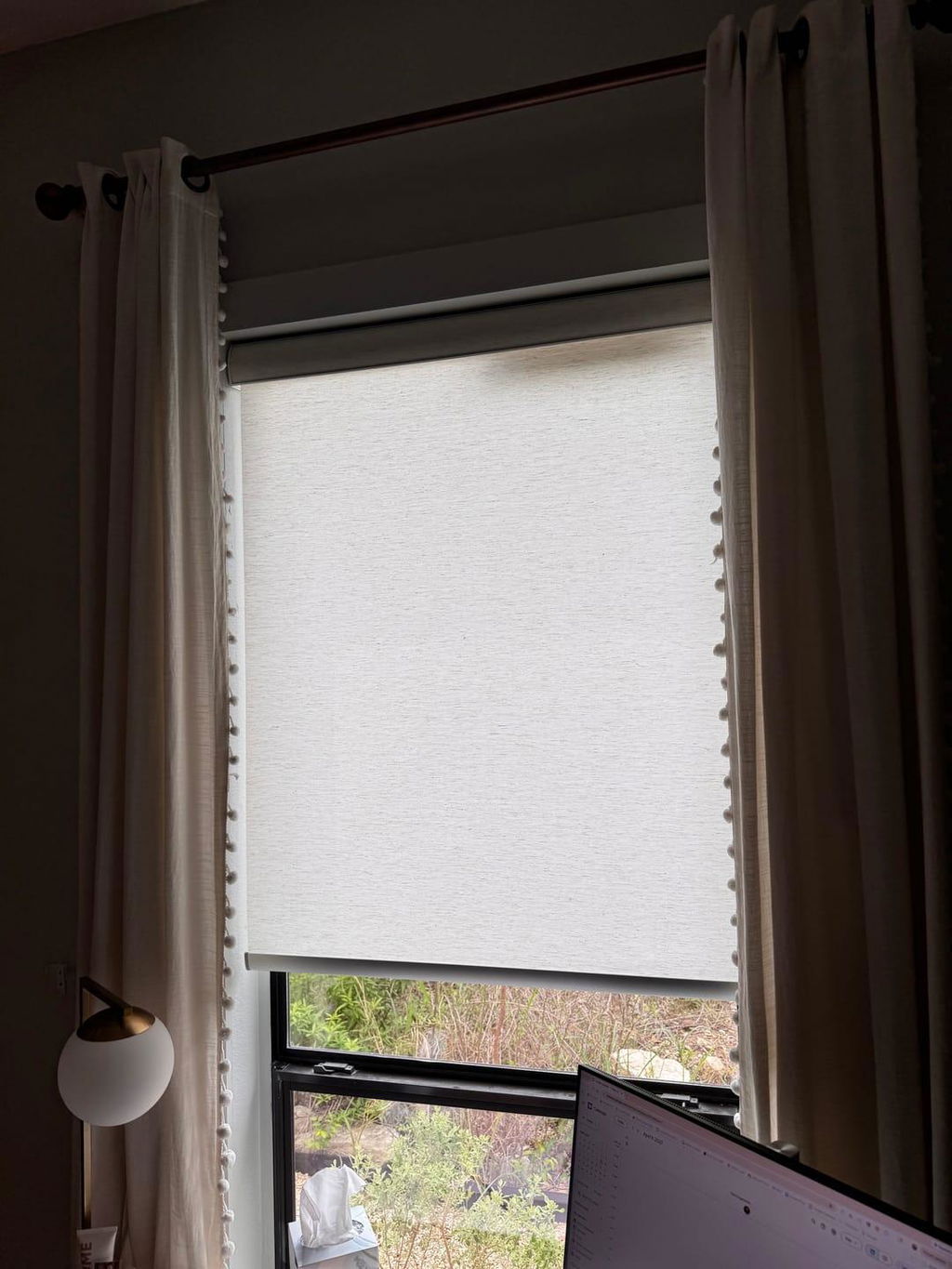
The evolution of the hunter douglas roller blind has moved away from 'utility' and toward 'textile.' When you see a hunter douglas designer roller shade in a soft, heathered gray or a nubby oatmeal weave, the desire to hide it vanishes. It provides a crisp, architectural finish that flatters modern lines instead of fighting them. It’s the difference between a generic t-shirt and a tailored linen button-down.
The Fabric Weights That Actually Drape Beautifully
Not all hunter douglas roller shade fabrics are created equal. The secret to a shade that looks expensive is the weight and the weave. A high-quality hunter douglas fabric has enough body to hang perfectly straight without that annoying curling at the edges that plagues cheaper versions. I look for textures that catch the late afternoon sun—think bouclé-inspired weaves or metallic-threaded fibers.
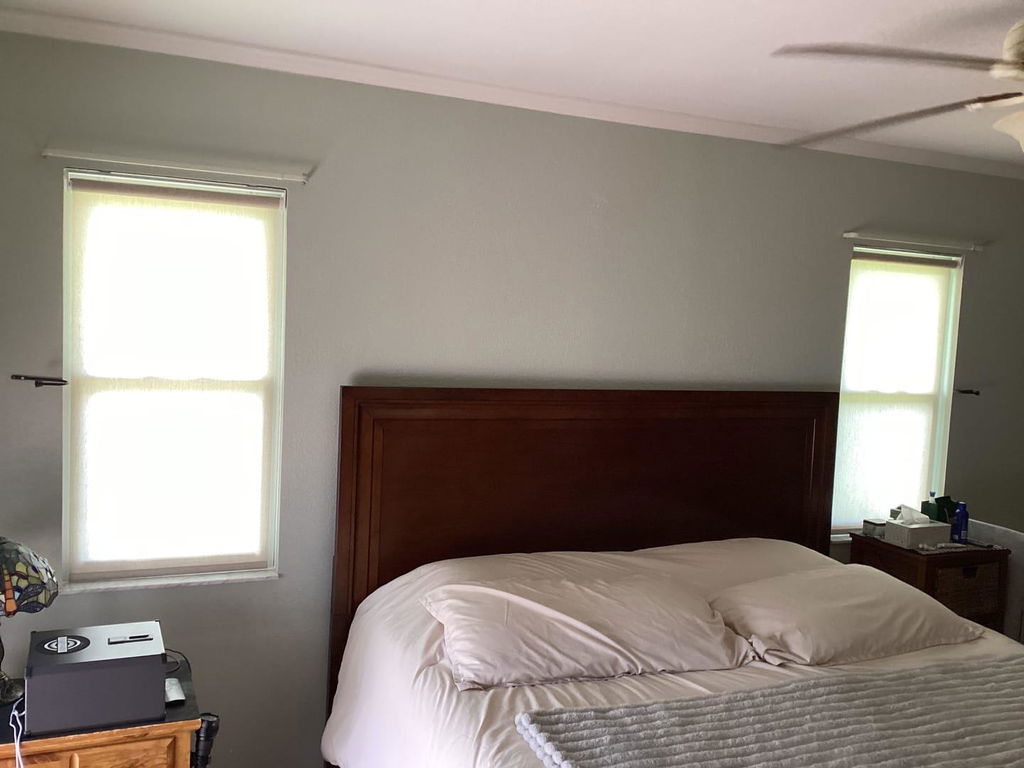
In bedrooms, I’ve moved away from the 'blackout drape plus sheer' combo. Instead, I’m leaning into day night shades. This allows you to have that gorgeous, light-filtering hunter douglas screen during the day and a solid privacy barrier at night, all within one sleek system. It’s cleaner, smarter, and much easier on the eyes than a bulky double-rod setup.
Screen Shades vs. Traditional Roller Fabrics
If you have a view, you need screen shades hunter douglas offers. These aren't your standard hunter douglas roller shades fabric. They are engineered with 'openness factors' (usually 1% to 10%). A 5% hunter douglas screen shade is my sweet spot; it cuts the glare on the TV and protects your vintage rugs from UV damage, but you can still see the trees outside. These designer screen shades are the ultimate 'quiet luxury' for a sun-drenched living room.
Stop Exposing the Tube (The Cassette Secret)
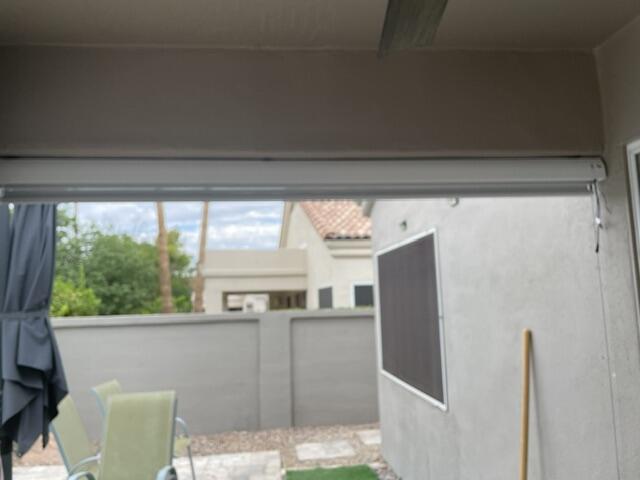
The fastest way to make a hunter douglas roller shade look like a DIY project is to leave the metal roller tube exposed. Unless you are going for a very specific industrial loft vibe, an exposed tube looks unfinished. This is why roller shades with cassette look custom and high-end.
A hunter douglas roller shade cassette or a fabric-wrapped hunter douglas roller shade valance options creates a seamless transition from the window frame to the shade. I always recommend hunter douglas roller shades with cassette in a color that matches your trim. It disappears when the shade is up, leaving the focus on your architecture, not the hardware. If you’re feeling bold, a contrasting hunter douglas cassette can act as a slim, modern accent line.
When to Layer (And When to Let Them Stand Alone)
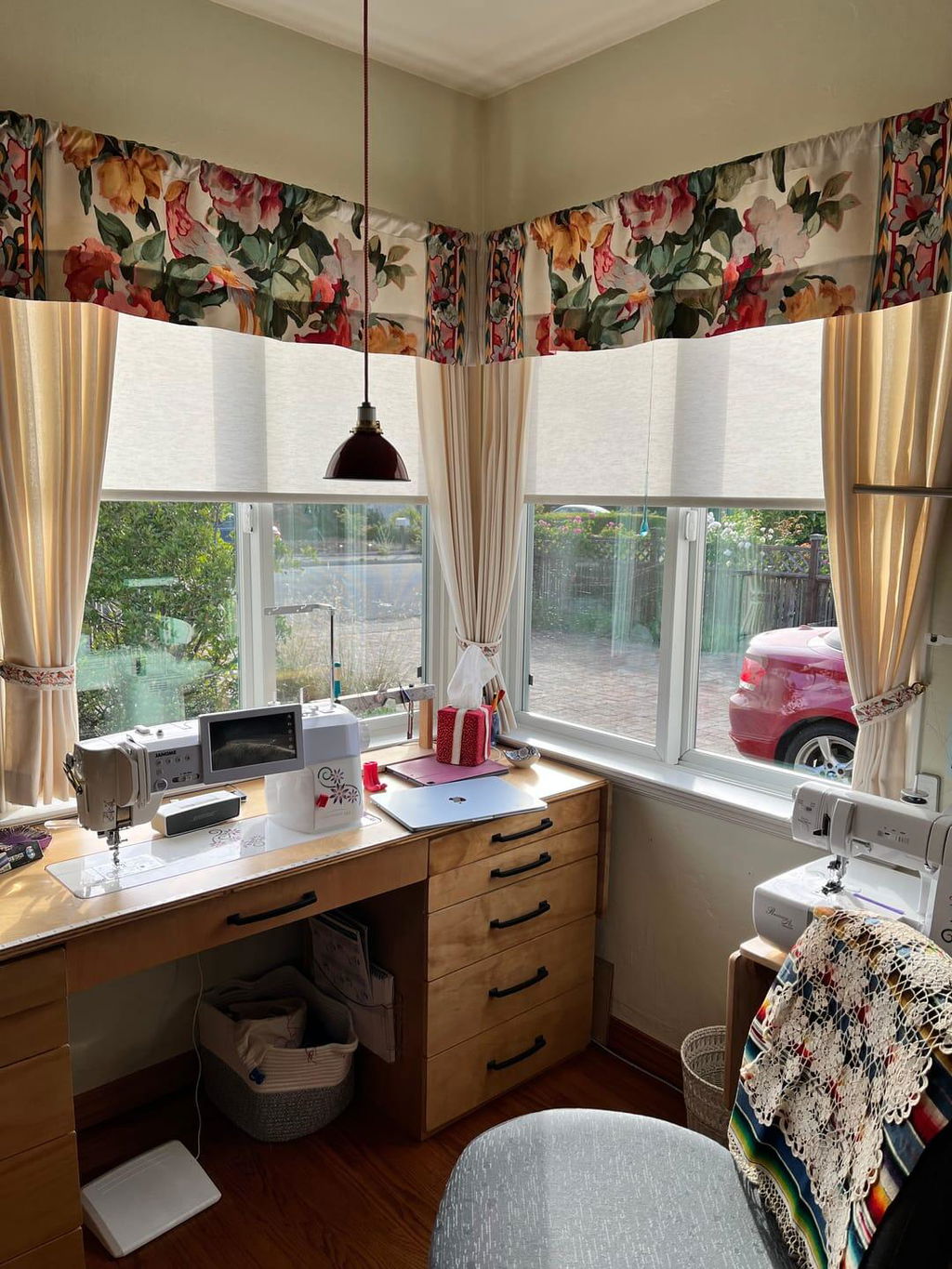
I still love a good drape, but I’ve become much pickier about when to use them. If your room has high ceilings and very little architectural detail, the warmth of fabric is necessary. But if you have beautiful window casings or a minimalist aesthetic, let the roller blind hunter douglas stand alone. The hunter douglas roller shade colors available now—from deep charcoals to warm terracottas—provide enough visual interest on their own.
For those who want the best of both worlds without the bulk, I often suggest custom double roller blinds. You get the functionality of two different hunter douglas roller blind fabrics in one compact footprint. I once made the mistake of trying to save money by using a 1% hunter douglas screen in a nursery, thinking it would be 'dark enough.' It wasn't. I ended up having to retro-fit a blackout hunter douglas fabric shades over it at 11 PM. Lesson learned: be honest about your light-blocking needs from day one.
Frequently Asked Questions
Can you see through screen shades at night?
Yes, if the lights are on inside and it’s dark outside, hunter douglas screen roller shades offer very little privacy. You’ll see silhouettes. If you need nighttime privacy, you should opt for a traditional hunter douglas roller shade or a dual-roller system.
How do I clean hunter douglas roller shades?
Most hunter douglas fabrics are surprisingly resilient. A light dusting or a low-suction vacuum with a brush attachment usually does the trick. For spots, a damp cloth with very mild soap works, but never soak the fabric or you'll ruin the stiffening agents that keep it rolling straight.
Are motorized roller shades worth the cost?
If your windows are tall or behind furniture, absolutely. There is nothing less 'chic' than wrestling with a manual cord behind a sofa. Plus, being able to schedule your hunter douglas designer screen shades to close automatically when the sun hits its peak is a lifesaver for your AC bill.