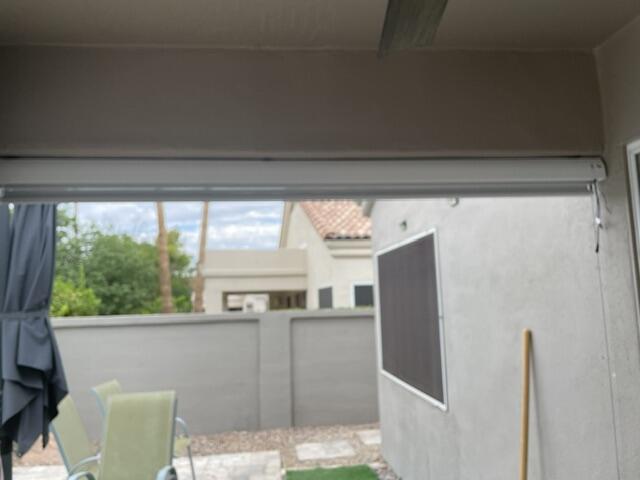
Are Exterior Blackout Roller Shades the Secret to a Cooler House?
I remember sitting in my first real apartment—a beautiful, sun-drenched loft with floor-to-ceiling south-facing windows—and realizing by 2 PM that I was essentially living inside a slow cooker. I had spent half my security deposit on heavy velvet drapes, thinking the sheer mass of the fabric would keep the heat out. I was wrong. By mid-afternoon, the velvet was hot to the touch, radiating heat back into the room like a space heater.
That is the moment I learned the hard truth about window treatments: once the sun hits the glass, you have already lost the battle. If you are serious about temperature control, you need to look outside. Specifically, exterior blackout roller shades are the only way to stop the thermal onslaught before it enters your home.
- Exterior shades block up to 95% of solar heat gain before it touches the glass.
- They prevent the 'greenhouse effect' that traps hot air between your window and your indoor drapes.
- Modern zip-track systems make them wind-resistant and durable for all seasons.
- They preserve your interior aesthetic by moving the bulky hardware to the facade.
The Greenhouse Effect: Why Your Indoor Drapes Are Failing
We have all been there—shutting every curtain in the house during a heatwave until the living room feels like a cave, yet the thermostat keeps climbing. The problem is physics. Standard window glass allows short-wave solar radiation to pass right through. When that light hits your rugs, sofas, or those expensive 2.5x fullness linen panels, it turns into long-wave infrared heat.
That heat is now trapped inside. Your interior treatments are basically just acting as a thermal sponge. You can stop fighting light inside and realize that an interior roller shade is mostly about privacy and glare, not true climate control. To actually lower the temperature, you have to intercept the radiation on the outside of the building envelope.
Intercepting the Sun Before It Hits the Glass
Think of outdoor blackout screens as a thermal shield for your home. By installing blackout exterior shades, you create a dead-air space between the shade fabric and the window pane. This buffer prevents the glass itself from heating up. On a 95-degree day, a window protected by an exterior shade can stay significantly cooler to the touch than one protected only by an interior blind.
I usually recommend a heavy-duty vinyl-coated polyester for these. You want something with a high 'Solar Reflectance' rating. We are talking about fabrics that feel more like architectural membranes than window dressings. They are designed to live in the elements, shedding rain and resisting UV degradation that would turn indoor fabrics into dust within a single season.
Will They Ruin My Home's Exterior Architecture?
This is the number one concern I hear from clients: 'I don't want my house to look like a self-storage facility.' I get it. But we have come a long way from the clunky plastic shutters of the 90s. The trick is integration. You can spec the headboxes (the cassettes that hold the roller) to match your trim color exactly—think Bronze, Sand, or Slate Gray powder-coating.
While I have motorized shades hidden behind drapes on the inside of many projects, for the exterior, I prefer to recess the tracks into the window reveal or hide the cassette under the soffit. When the shades are up, they are virtually invisible. When they are down, they provide a clean, monolithic look that actually looks quite modern and intentional on a contemporary home.
Wind, Rain, and Why You Need Zip Tracks
Do not make the mistake of hanging a standard exterior shade with just a weighted bottom bar. I once saw a DIY installation on a patio where the first summer thunderstorm turned the shades into sails, nearly ripping the brackets out of the siding. For a true blackout and thermal solution, you need a 'zip' or 'side-channel' system.
This means the edges of the fabric are locked into a side track using a zipper-like mechanism. It keeps the fabric taut, prevents light leakage at the edges, and allows the shade to withstand significant wind loads without flapping. If you are styling a transitional space like a screened-in porch, you might look at breeze-friendly motorized shades for airflow, but for a bedroom window, the zip-track blackout is the gold standard.
When to Keep It Inside (And When to Move It Out)
Not every window needs an exterior solution. If you have a north-facing window that never sees direct sun, traditional interior roller shades are perfectly fine and much easier on the budget. They handle privacy and light control without the need for weather-proof hardware.
However, if you have a massive west-facing wall of glass or a south-facing bedroom that feels like a sauna by 4 PM, go exterior. The cost is higher upfront, but the reduction in your AC bill—and the fact that you can finally sleep in a cool room—makes it the smartest design move you will make all year.
My Honest Take on the Downside
I have to be real: the biggest headache is the cleaning. Unlike indoor drapes that you can vacuum once a month, exterior shades live in the dust and pollen. Last spring, I neglected my own exterior screens, and after a heavy rain, I had mud streaks that required a ladder and a garden hose to fix. If you aren't prepared to spray them down twice a year, stick to the inside.
FAQ
Can I install exterior shades on a brick house?
Yes, but you need a pro with a masonry drill. We typically side-mount the tracks into the mortar or the window frame itself to avoid cracking the brick face.
Are they motorized or manual?
You can do both, but for exterior shades, motorization is highly recommended. It allows you to link them to a sun sensor so they drop automatically when the heat hits a certain threshold, even if you aren't home.
Do they provide privacy at night?
Absolutely. A blackout exterior shade is completely opaque. Just remember that if the lights are on inside and the shade is up, you're on display—but once they're down, it's total privacy.