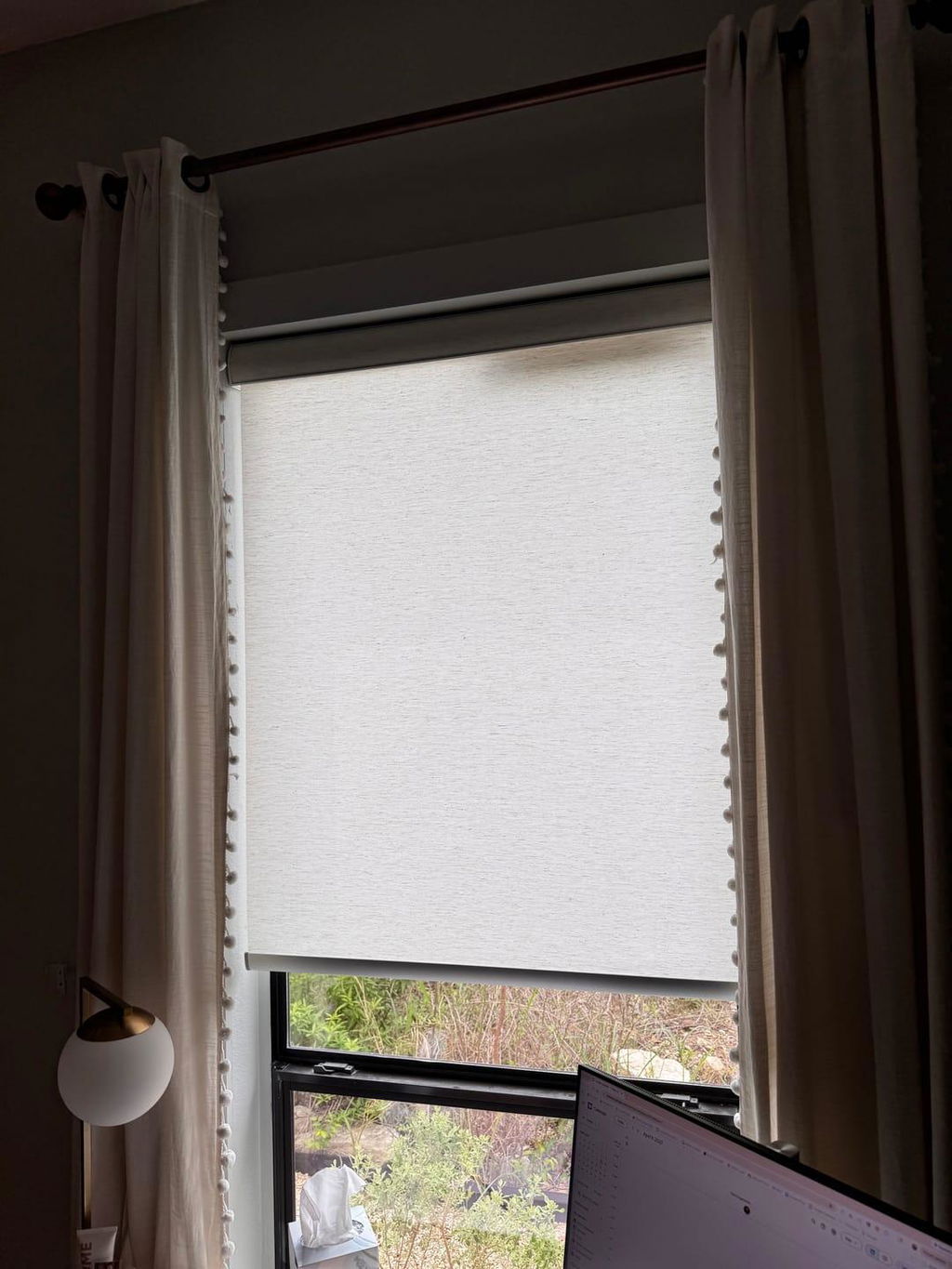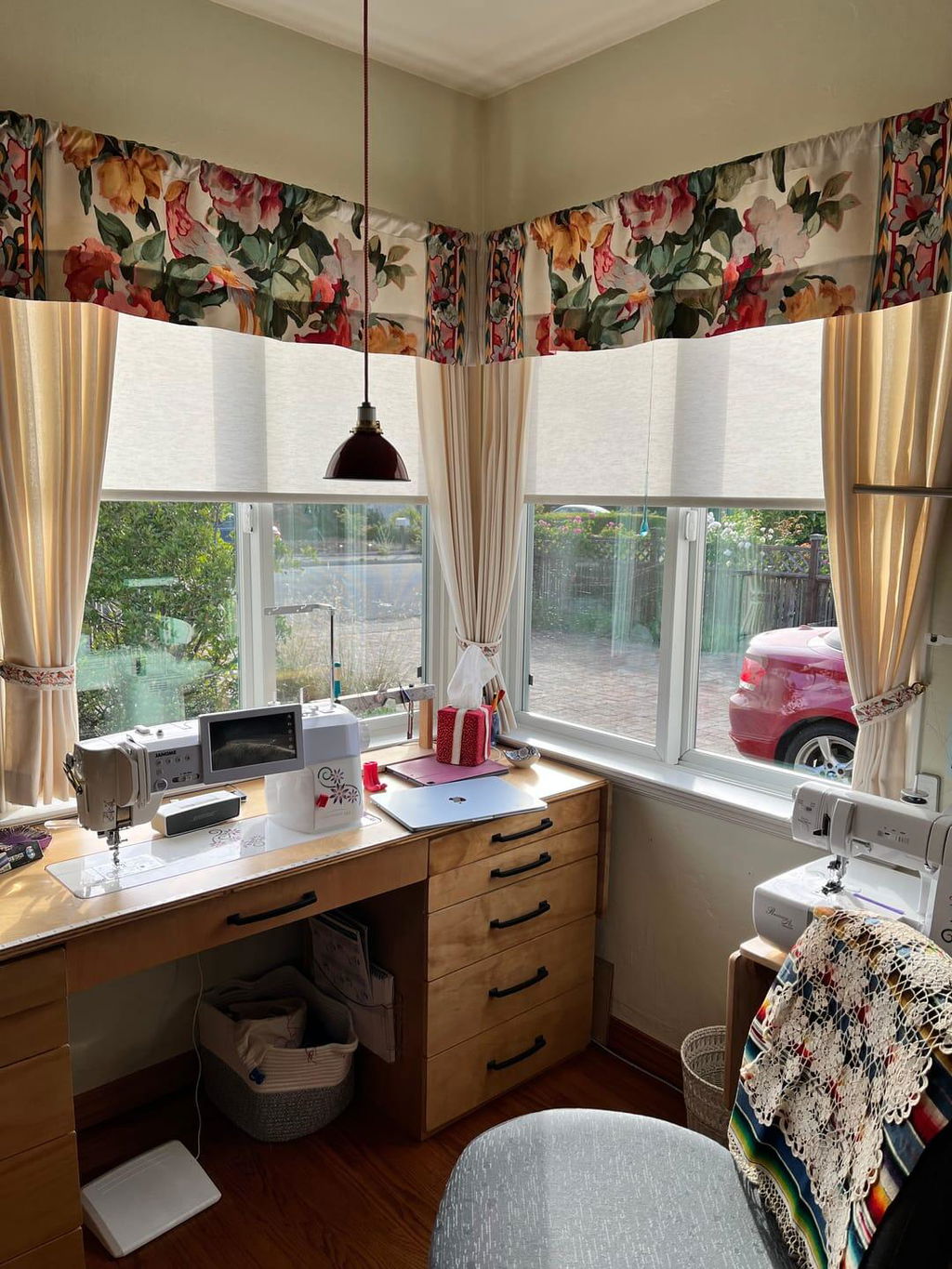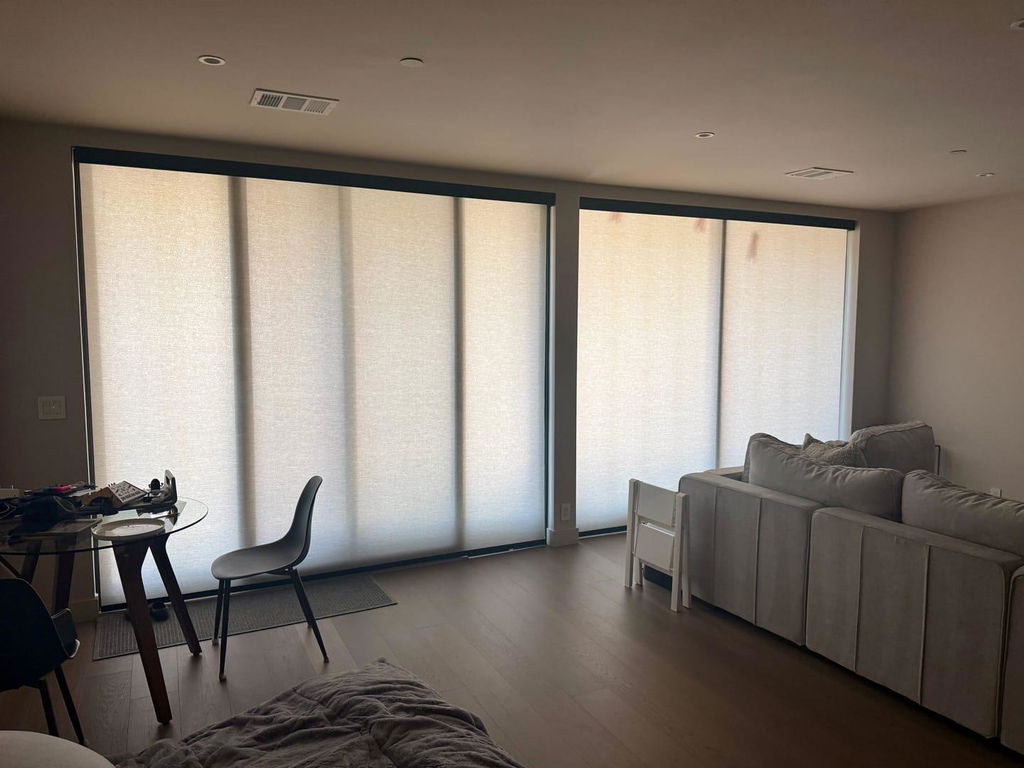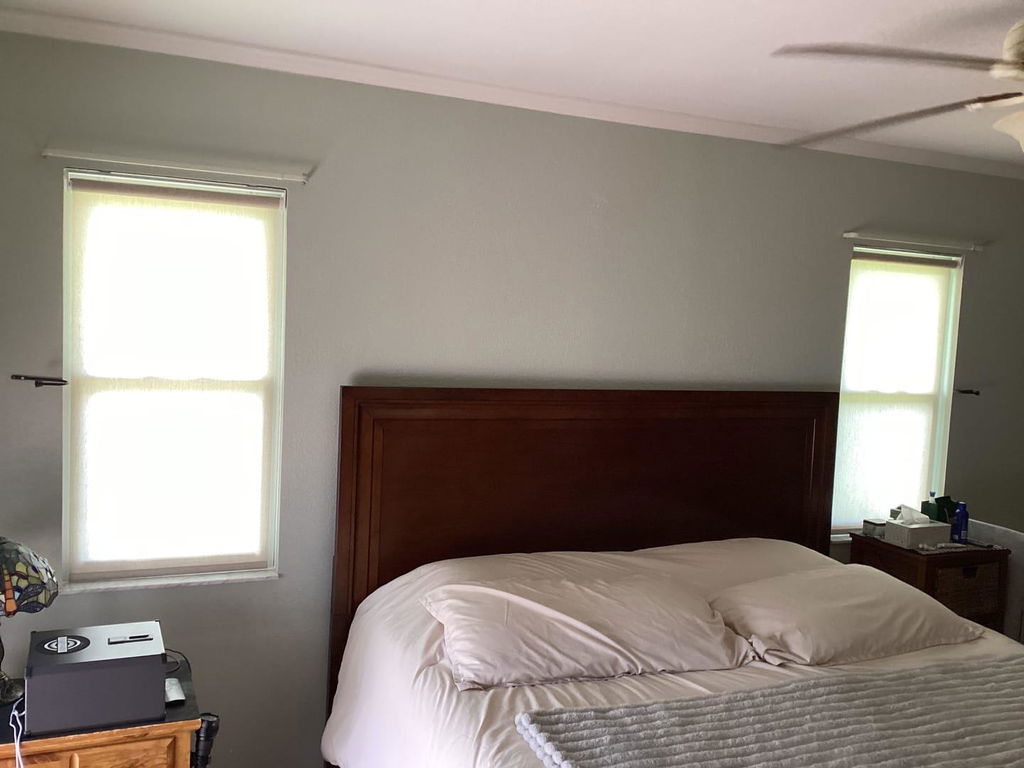
Stop Fighting Light Inside: Why I Use Exterior Blackout Roller Shades
I remember standing in a west-facing bedroom in Austin at 4:30 PM. The AC was humming at full blast, but the air felt heavy, like a humid hug you didn't ask for. My client had beautiful velvet drapes, but the heat was literally radiating off the glass behind them. That was the day I stopped trying to solve heat problems from the inside.
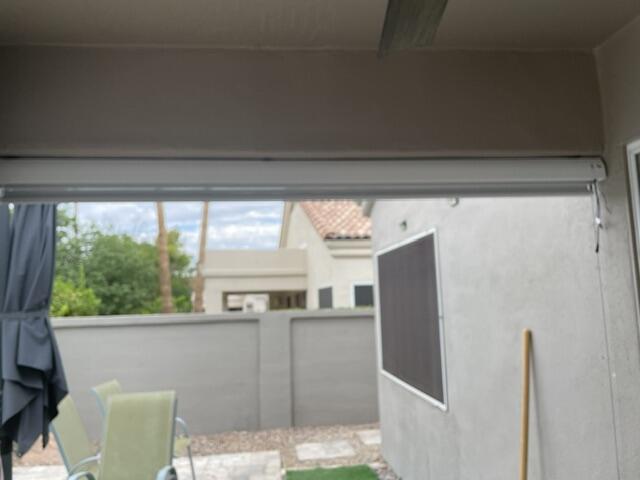
We often think of window treatments as interior jewelry, but sometimes you need armor. Installing exterior blackout roller shades isn't just about darkness; it's about stopping the thermal load before it even touches your window pane. It’s an architectural move that saves your energy bill and your sanity.
- Blocks 95-100% of heat before it enters the glass.
- Eliminates the 'light halo' effect common with interior mounts.
- Allows for delicate, sheer interior fabrics without sacrificing sleep.
- Requires weather-rated materials and side tracks for wind resistance.
Why I Started Moving Window Treatments Outside
It sounds counterintuitive. Why put the 'nice' shades outside where the spiders and rain can get them? I learned this the hard way with a client who had a stunning floor-to-ceiling glass wall. We tried heavy interlined silk, then triple-layered blackout honeycombs. Nothing worked. The room stayed at a stubborn 78 degrees all afternoon.
The problem wasn't the quality of the fabric; it was the placement. By the time the sun hits your interior shade, the heat is already inside the house. Moving the barrier to the exterior changed everything. It’s the difference between wearing a sweater in the sun and standing under a massive oak tree.
The Greenhouse Effect: Why Indoor Shades Aren't Enough
Glass is a heat trap. Short-wave radiation from the sun passes through your window, hits your floor or furniture, and turns into long-wave radiation (heat). That heat can't get back out through the glass easily. This is why inside mount shades often fail to keep a room truly cool; they are essentially trying to manage the heat after the fire has already started.
When you use blackout exterior shades, you are creating a physical barrier outside the thermal envelope. You’re stopping the glass from ever getting hot. If the glass stays cool, the room stays cool. Plus, you avoid that annoying light bleed that happens when sun bounces off the window jamb and around the edges of your interior roller.
Decoding the Fabric: Outdoor Blackout Screens vs. Standard Vinyl
You cannot—and I mean this with love—just hang standard indoor roller shades on your patio or exterior window frame. Interior fabrics are designed for climate-controlled environments. Outside, the UV rays will eat through standard polyester in a single season, and the first rainstorm will turn your beautiful shade into a moldy mess.
True outdoor blackout screens are usually made from a heavy-duty PVC-coated fiberglass or a high-tenacity polyester core. They are thick, slightly stiff, and rated for thousands of hours of direct sun. I prefer a 0% openness factor for bedrooms to ensure total light blockage, but you have to ensure the hardware is beefy enough to handle the weight of these industrial-grade materials.
My Favorite Trick: Layering Exterior and Interior Treatments
Here is the real designer secret: exterior shades give you total freedom inside. Usually, if you want a dark room, you’re forced into heavy, bulky blackout drapes that can look a bit stiff and corporate. But when you handle the light-blocking from the outside, you can get away with layering behind sheer linen drapes on the interior.
I love using a 100% Belgian linen sheer inside—something with a beautiful slubby texture and a 2.5x fullness. It catches the breeze and looks ethereal. Because the exterior shade is doing the heavy lifting of blocking the 4 PM glare, your interior curtains can just be pretty. It’s the ultimate way to get that 'airy' look without waking up at 5 AM when the sun hits your pillow.
Why Motorization is Non-Negotiable Here
I once installed manual exterior shades on a second-story window. It was a disaster. Every time a storm rolled in, the homeowner had to lean out a window or run outside with a crank handle. It was ridiculous. Now, I tell every client that motorized light-blocking options are the only way to go for exterior installs.
You want a system that integrates with your phone or a remote. Even better, look for systems with wind sensors. If the wind picks up to 30 mph while you're at work, the sensor will automatically retract the shade into its cassette so it doesn't turn into a sail and rip off your siding. It’s the kind of tech that pays for itself in peace of mind.
The Installation Rules You Cannot Ignore
Exterior shades face a lot of physics. Wind is the enemy. If you just hang a shade outside without side tracks, it will clatter against the house every time there’s a breeze. You need a 'zipper' system or side channels that lock the fabric in place. This also ensures there is zero light leakage at the edges.
Also, insist on a fully enclosed headbox or cassette. This protects the fabric roll from rain, bird nests, and dust when it’s retracted. I once saw an unprotected roll that had become a preferred nesting spot for wasps. Trust me, you want that roll sealed away when it’s not in use.
FAQ
Can I install these myself?
If you’re handy with a drill and a level, maybe. But exterior installs often involve drilling into brick, stucco, or siding, and the electrical for the motors can be tricky. I usually recommend a pro for these to ensure the warranty stays intact.
Will they make my house look like a warehouse?
Not if you match the cassette color to your window trim. Most high-end brands offer bronze, black, white, and sand finishes. When retracted, the cassette blends right into the architecture and you barely notice it's there.
Do they work in the winter?
Yes, they actually provide an extra layer of insulation against the cold glass. Just be careful not to operate them if they are covered in heavy ice, as it can strain the motor.