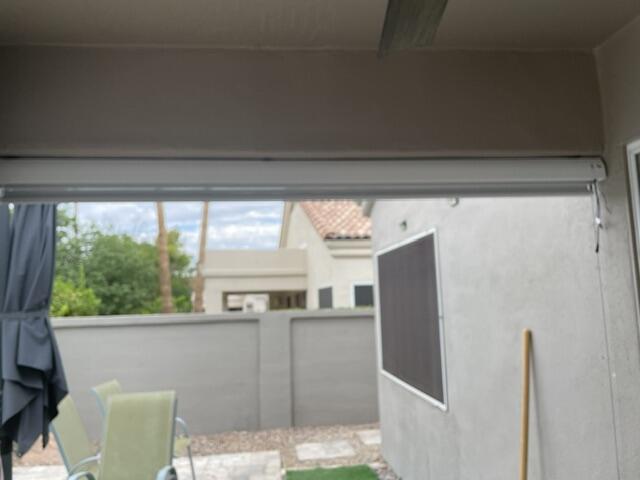
I Hid Blackout Roller Shades Motorized Behind My Sheer Linen Drapes
I spent three months hunting for the perfect 200 gsm linen in a soft oatmeal tone. I wanted that specific 'puddle'—where the fabric breaks about two inches onto the white oak floors, looking effortlessly relaxed. But the first morning I woke up at 5:14 AM with the summer sun piercing through those unlined panels, I realized my ethereal dream was actually a sleep-deprivation nightmare. I faced a choice: ruin the curtains with heavy, stiff lining or find a way to make the window work harder without sacrificing the vibe.
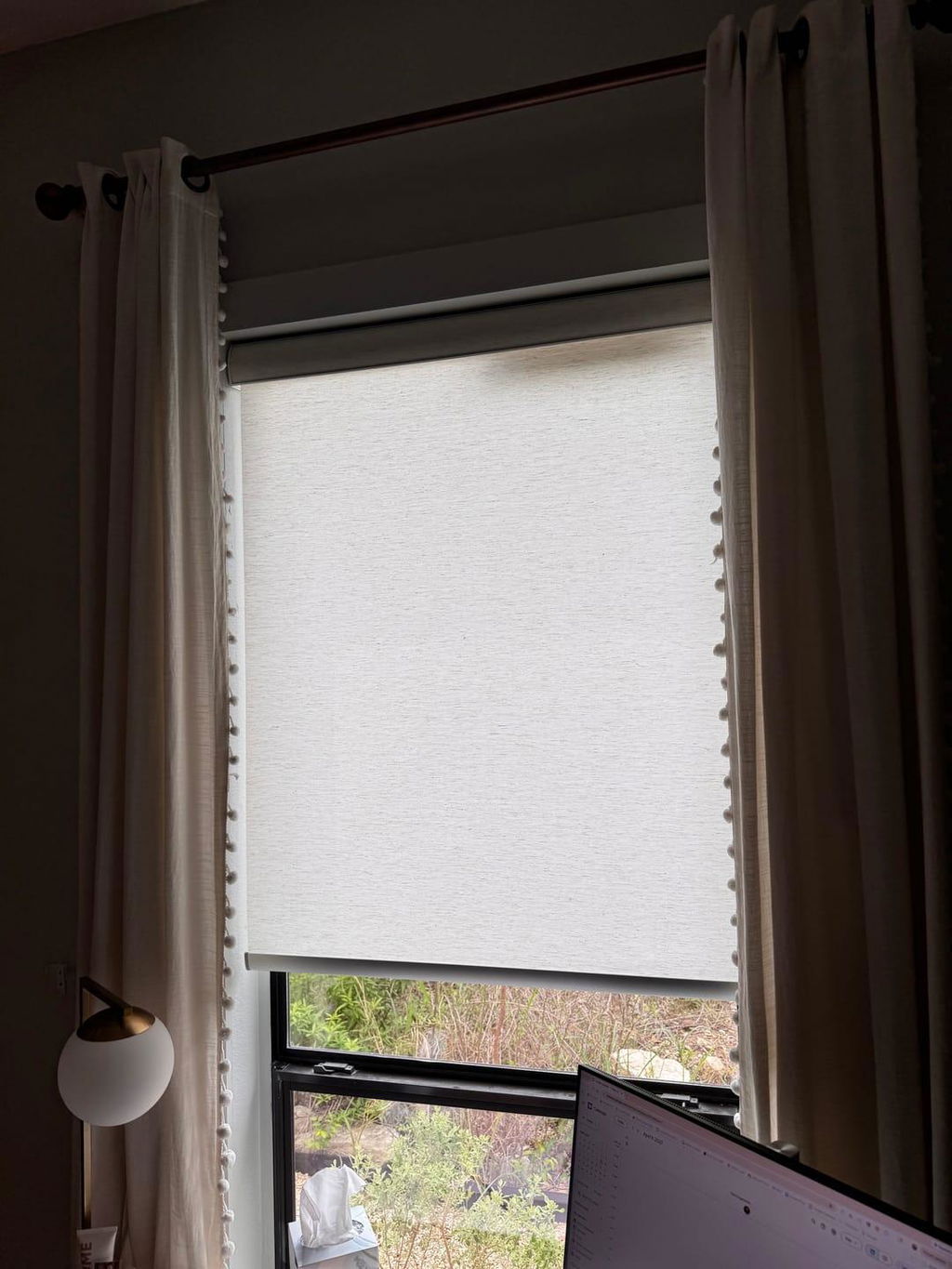
My solution wasn't a thicker curtain rod or more fabric. I installed blackout roller shades motorized directly inside the window casing, hiding them completely behind my beloved linen. It was the ultimate design hack that allowed me to keep the soft, romantic look of the drapes while gaining the ability to turn the room into a dark cave with a single tap on my phone.
Quick Takeaways
- Unlined linen drapes provide the best 'puddle' and movement but offer zero light control.
- Motorized shades allow for a 'hidden' secondary layer that doesn't interfere with your curtain hardware.
- Inside-mounting the shade is crucial for a flush, invisible look when the shade is raised.
- Smart integration means you can schedule your 'workhorse' shades to open with your alarm.
The Dilemma: Romantic Bedroom Styling vs. The 6 AM Sunrise
We have all been seduced by the Pinterest-perfect bedroom: floor-to-ceiling sheers, natural light bouncing off every surface, and a breeze catching the hem of a light-filtering curtain. It is the gold standard for a 'serene' space. However, the biological reality is that humans sleep better in total darkness. When I first hung my unlined linen panels, the room felt like a sanctuary at 4 PM, but by 6 AM, it felt like an interrogation room. The sun didn't just wake me up; it highlighted every speck of dust in the air and heated the room by five degrees before I even had my coffee.
The traditional fix is to buy blackout-lined curtains. The problem? Those linings are thick, rubbery, and heavy. They turn a beautiful, fluid fabric into something that resembles a weighted blanket hanging from a pole. I refused to let my windows look like a budget hotel suite. That is when I started looking at blackout roller shades motorized as a separate entity. By separating the 'style' from the 'function,' I could have the best of both worlds. The shades stay tucked away, invisible during the day, and the linen drapes do what they do best: look pretty and frame the view.
Why I Stopped Buying Heavy Lined Drapery
If you have ever handled a high-end linen or a delicate cotton voile, you know the magic is in the hand-feel. These fabrics are meant to be light. When you stitch a 3-pass blackout lining to the back of them, you kill the 'drape.' Instead of falling in elegant, soft folds, the fabric flares out at the bottom like a stiff A-line skirt. It loses its soul. I have seen countless DIYers try to clip-on blackout liners, only to find the extra weight makes the curtain rings drag and the rod sag in the middle. It is a mess of tension and bulk that never looks quite right.
Moving toward Roller Shades as a base layer changed my entire approach to window dressing. By using automatic blackout roller shades, I eliminated the need for any lining on my decorative panels. This allows the linen to be its true, semi-sheer self during the day. It also means I can go for a 2.5x fullness on my drapes—meaning the fabric is two and a half times wider than the window—without the stack-back becoming so thick it blocks half the glass. The shades handle the light, and the curtains handle the texture.
The 'Workhorse and Show Pony' Window Strategy
I like to think of window treatments in two categories: the show pony and the workhorse. The show pony is your decorative drapery. It provides the color, the height, and the softness that every room needs to feel finished. My show ponies are usually a relaxed pinch pleat in a neutral tone, hung high and wide—about 6 inches above the frame and 10 inches past the sides. They make the ceiling feel ten feet tall, even when it is barely eight. But let's be honest: they are terrible at actually blocking light.
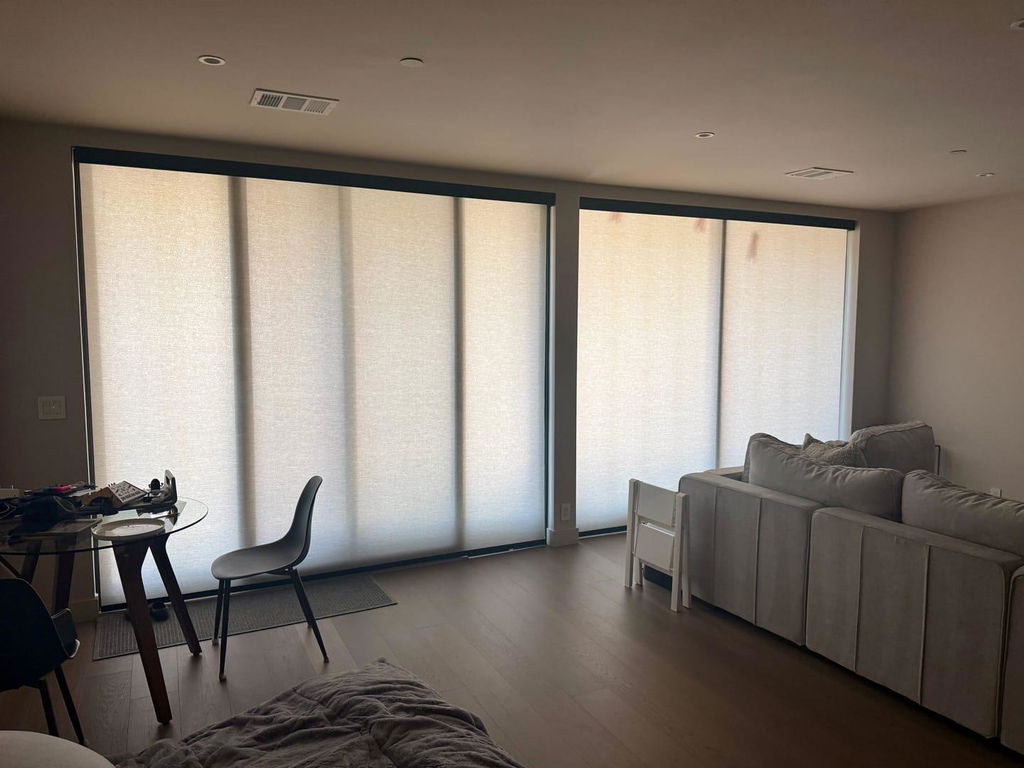
The workhorse is the motorized blackout roller blinds. These are the unsung heroes. Because they are motorized, you don't have cords dangling behind your beautiful curtains, which is a major design faux pas and a safety hazard. The shade sits tight against the glass, creating a seal that keeps the light out and the temperature regulated. When they are up, you don't even know they are there. When they are down, they provide a flat, neutral backdrop that doesn't compete with the texture of the drapes. It is a layered system that works perfectly for anyone who values both aesthetics and a solid eight hours of sleep.
Getting the Depth and Spacing Right
The secret to making this look professional is all in the measurements. You need to ensure your window casing has enough depth for an inside mount. I usually look for at least 2.5 inches of flat space inside the frame to mount the blackout motorized roller blinds. This allows the shade to sit flush with the trim. If your windows are shallow, you can still do this, but the shade might protrude slightly, which is why having those drapes in front is so helpful—they hide the side profile of the hardware.
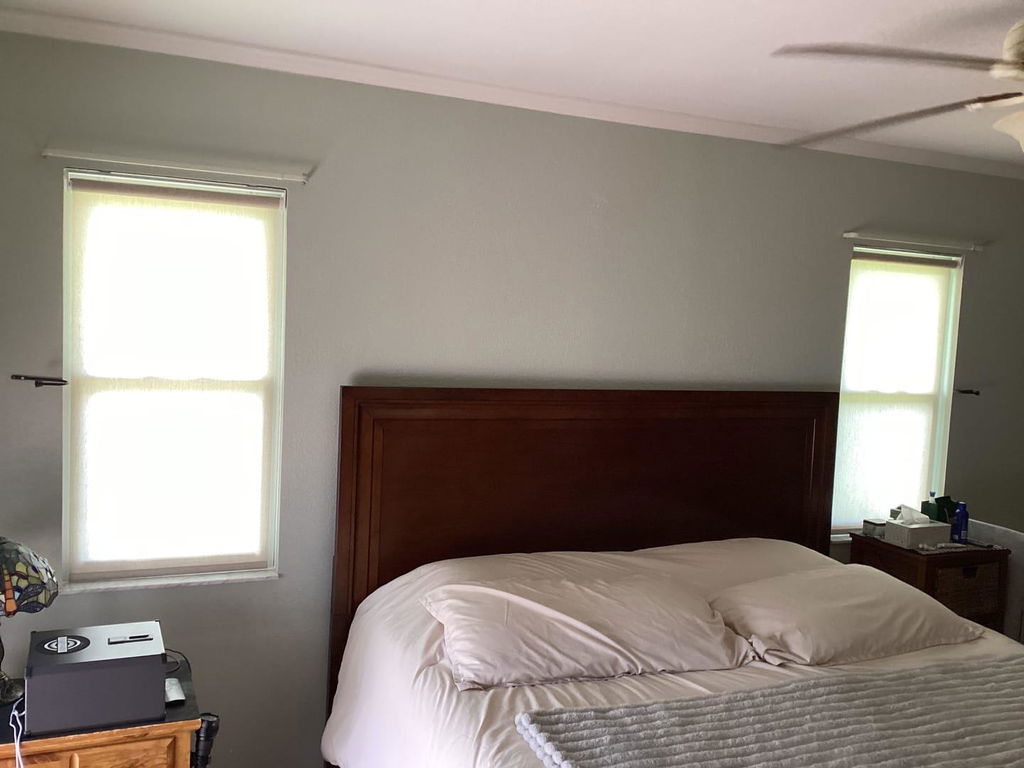
One concern people often have is light bleed—that tiny sliver of light that peeks through the sides of a roller shade. While it is usually minimal, you can read more about whether Are Motorized Shades Blackout Enough for a Truly Dark Bedroom? to see if you need side channels or if the overlap of your drapes will be enough to kill the glow. In my experience, the combination of the shade and the overhanging curtain fabric is more than enough to achieve total darkness.
Controlling the Light Without Leaving the Bed
There is a specific kind of luxury that comes with automation. In my old setup, I had to climb behind the bedside table, wrestle with a plastic wand, and manually tug at shades every morning. Now, I have my motorized roller shades blackout synced to my morning routine. At 7:30 AM, they whisper open. I wake up to the sun filtered through the linen drapes, which is a much gentler way to rejoin the world than a blaring alarm in a pitch-black room.
It is also about the nighttime routine. With a voice command, I can close the shades while I am already tucked under the duvet. If you are someone who likes to watch movies in bed, having that instant 'theater mode' is incredible. You aren't just buying a window covering; you are buying a lifestyle upgrade that makes your home feel like a high-end boutique hotel. Plus, if you travel, you can set them on a timer so it looks like someone is home—a nice little security bonus that traditional curtains just can't offer.
My Go-To Fabric and Shade Combinations
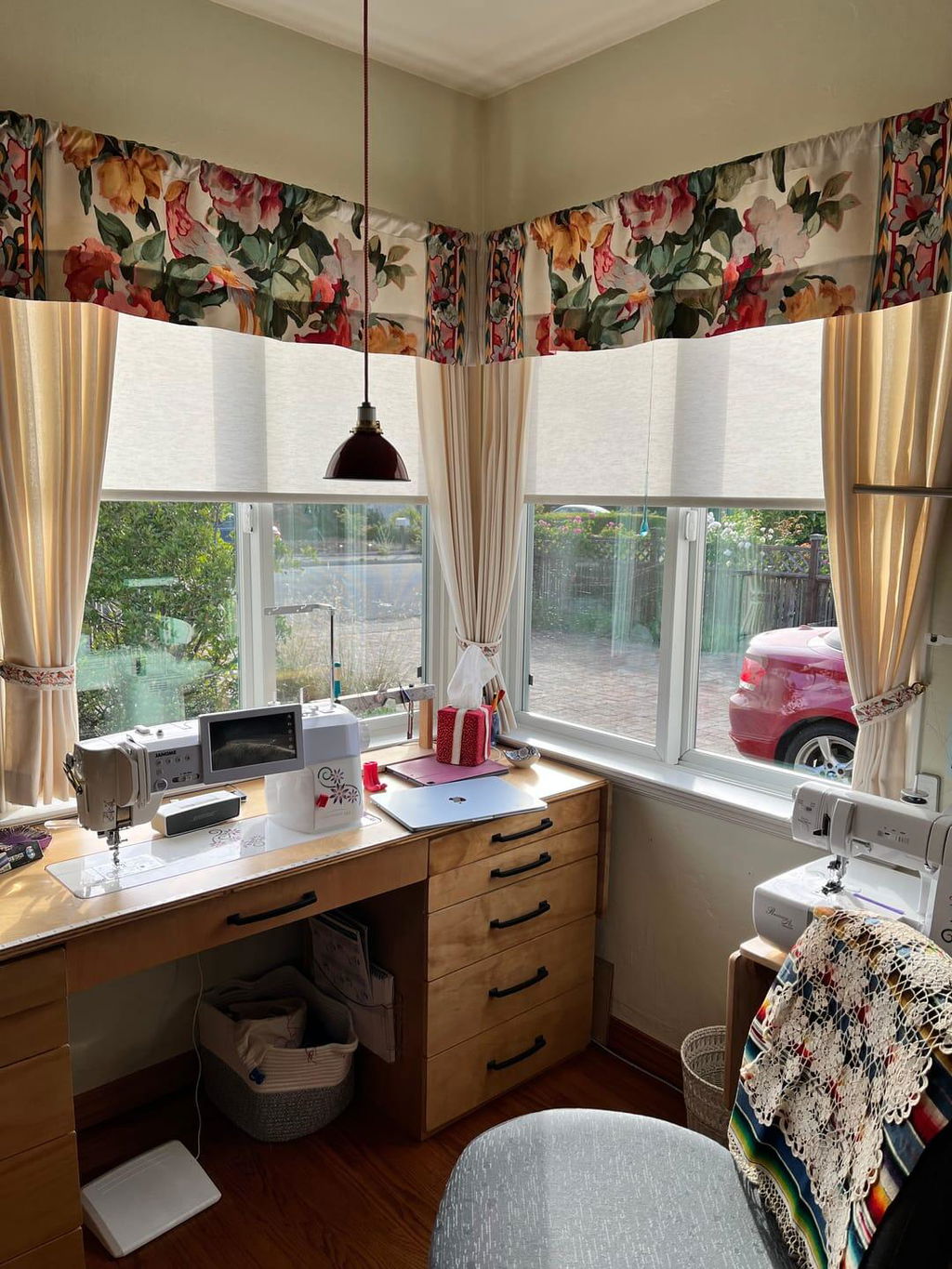
When styling this look, I always recommend contrasting textures. If you have a very flat, matte blackout shade, pair it with a slubby, textured linen drape. The contrast makes the window feel expensive. I recently paired a charcoal blackout shade with a crisp white cotton drape for a high-contrast, modern look in a guest room. It felt clean, functional, and very intentional. For a primary suite, I love a tonal approach—oatmeal linen over a cream-colored shade.
Don't feel like you have to go 100% blackout in every room, though. In a primary bathroom or a dressing area, I often swap the full blackout for something like Canisteo Motorized Zebra Shades 60 Blackout Luxe. These give you that 'striped' light-filtering effect which is great for privacy while you are getting ready, but they still offer a decent level of darkness when closed. It is all about choosing the right tool for the specific light needs of each space.
Personal Experience: The 'DIY Lining' Disaster
Before I discovered the hidden roller shade trick, I tried to be 'frugal.' I bought beautiful vintage silk panels at an estate sale and decided to sew my own blackout lining onto them. It was a catastrophe. Because the silk was so light and the lining was so heavy, the entire curtain puckered at the seams. It looked like a lumpy sleeping bag hanging from a brass rod. I spent hours trying to steam out the wrinkles, but the tension was all wrong. I ended up ruining the silk and wasting a weekend. That was the moment I realized that some things—like light control—are better handled by a dedicated piece of technology than a needle and thread.
FAQ
Do I need a special rod for this?
Nope! You use a standard curtain rod for your drapes. The motorized shade is mounted inside the window frame on its own brackets. They don't touch each other at all, which is why it works so well.
How do the shades get power?
Most modern versions are battery-powered and rechargeable. You only have to plug them in once or twice a year with a USB cable. No messy wiring or calling an electrician required.
Will the shade block my view when it's up?
Hardly. When a roller shade is fully raised, the roll is usually only 2 or 3 inches in diameter. If you mount it high enough in the casing, it stays completely out of the sightline of the glass.