Are Double Roller Blinds Sheer and Blackout Actually Worth the Splurge?
There is a specific kind of frustration that hits at 3 PM on a Tuesday when the sun decides to bounce directly off your monitor, rendering your spreadsheet invisible. You want light, but you do not want *that* light. Later, at 3 AM, you are staring at a streetlamp through a gap in your curtains, wishing for total darkness. I have spent years trying to solve this with double roller blinds sheer and blackout systems, trying to find that sweet spot between a glowing, airy living room and a pitch-black sleeping cave.
For a long time, the only solution was layering heavy drapes over flimsy sheers, which usually ended in a tangled mess of cords and a dusty pile of fabric. When I first saw a dual-roller system—one headrail, two fabrics—I was skeptical. It looked like something out of a corporate boardroom. But after installing them in a cramped guest room with zero floor space for curtains, I realized these are less of a gadget and more of a functional workhorse for modern homes.
Quick Takeaways
- Space Savers: They occupy about 4 to 5 inches of depth, far less than double rods and drapes.
- Light Control: You get 100% privacy at night and soft, diffused 1% to 5% openness during the day.
- Aesthetics: Use a fabric-wrapped fascia to hide the rolls for a built-in architectural look.
- Mounting: Inside-mount is cleanest, but requires at least 3 inches of window depth.
The Clunky Reality of Traditional Layered Windows
We have all been there: trying to install those cluttered double curtain rods that stick out six inches from the wall. They are heavy, they require massive anchors, and they inevitably sag in the middle unless you use a center bracket that prevents you from actually closing the curtains fully. It is a hardware headache that ruins the clean lines of a contemporary bedroom.
Beyond the installation, there is the visual bulk. In a small room, two layers of heavy fabric can feel like the walls are closing in on you. I have seen beautiful 96-inch linen panels lose their charm because they were fighting for space with a bulky blackout liner. Double rollers skip the drama by keeping everything tight to the glass, freeing up your floor-to-ceiling space for furniture or, better yet, nothing at all.
How Double Roller Blinds Sheer and Blackout Actually Work
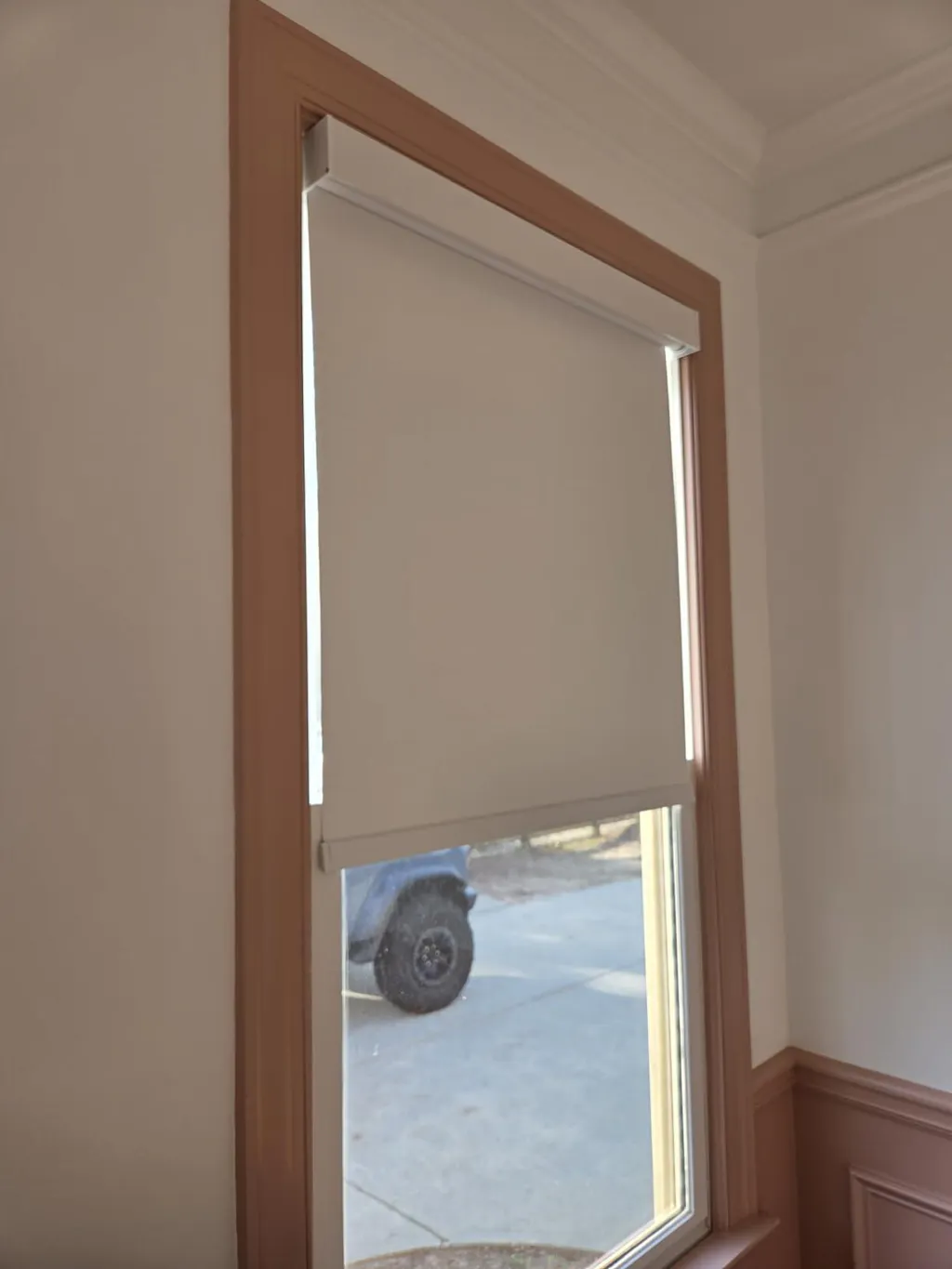
The magic happens in the bracket. A true dual system uses a specialized bracket that stacks two independent rollers—one slightly higher and further back than the other. This allows double blinds sheer and blackout materials to operate without catching on one another. You have two separate chains or motors, giving you granular control over exactly how much of the world you let in.
I prefer the systems where the fabrics roll off the back of the tube (standard roll) to keep them as close to the window frame as possible. This minimizes that annoying light gap on the sides. If you are going the DIY route, ensure your window casing is deep enough. You are essentially trying to fit two 2-inch tubes into one space; if your windows are shallow, you will need to consider an outside mount with a sleek decorative valance to hide the hardware.
Getting the Front Layer Right (No Stiff Plastics)
The sheer layer is what you will see most of the day, so do not settle for that shiny, plastic-feeling polyester that looks like it belongs in a dentist's office. I look for sheer shades with a soft, tactile weave—think a faux-linen texture or a delicate voile. A 3% openness factor is usually the 'Goldilocks' zone: it cuts the glare on your TV and protects your rug from UV fading, but you can still see the trees moving outside.
The Back Layer: Why Proximity to the Glass Matters
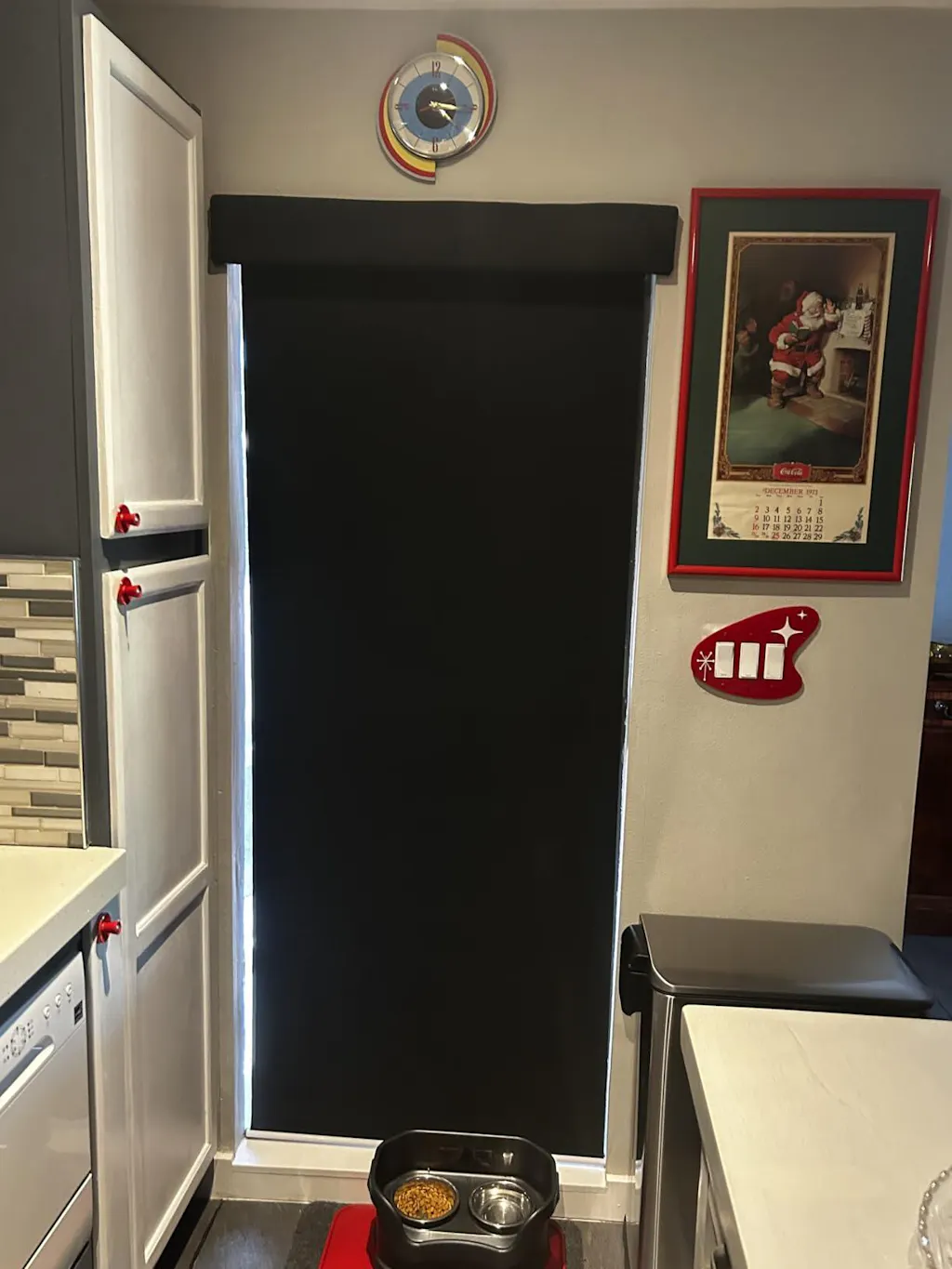
The blackout layer is your utility player. For it to actually work, it needs to be the layer closest to the glass. This reduces the 'halo effect' where light leaks around the edges. If you have a particularly drafty window, a heavy-duty blackout fabric also acts as a decent thermal barrier. For those who want a more modern, banded look, you might even consider motorized zebra shades as an alternative, though they offer a different kind of light filtration than a true solid blackout.
Do They Look High-End, or Just Utilitarian?
The biggest fear people have is that roller blinds look 'cheap.' The secret to making them look high-end is the finish. Skip the exposed rollers—they look unfinished and gather dust on the top of the fabric roll. Instead, opt for a matching metal or fabric-wrapped cassette. This hides the mechanics and makes the whole unit look like a deliberate architectural choice.
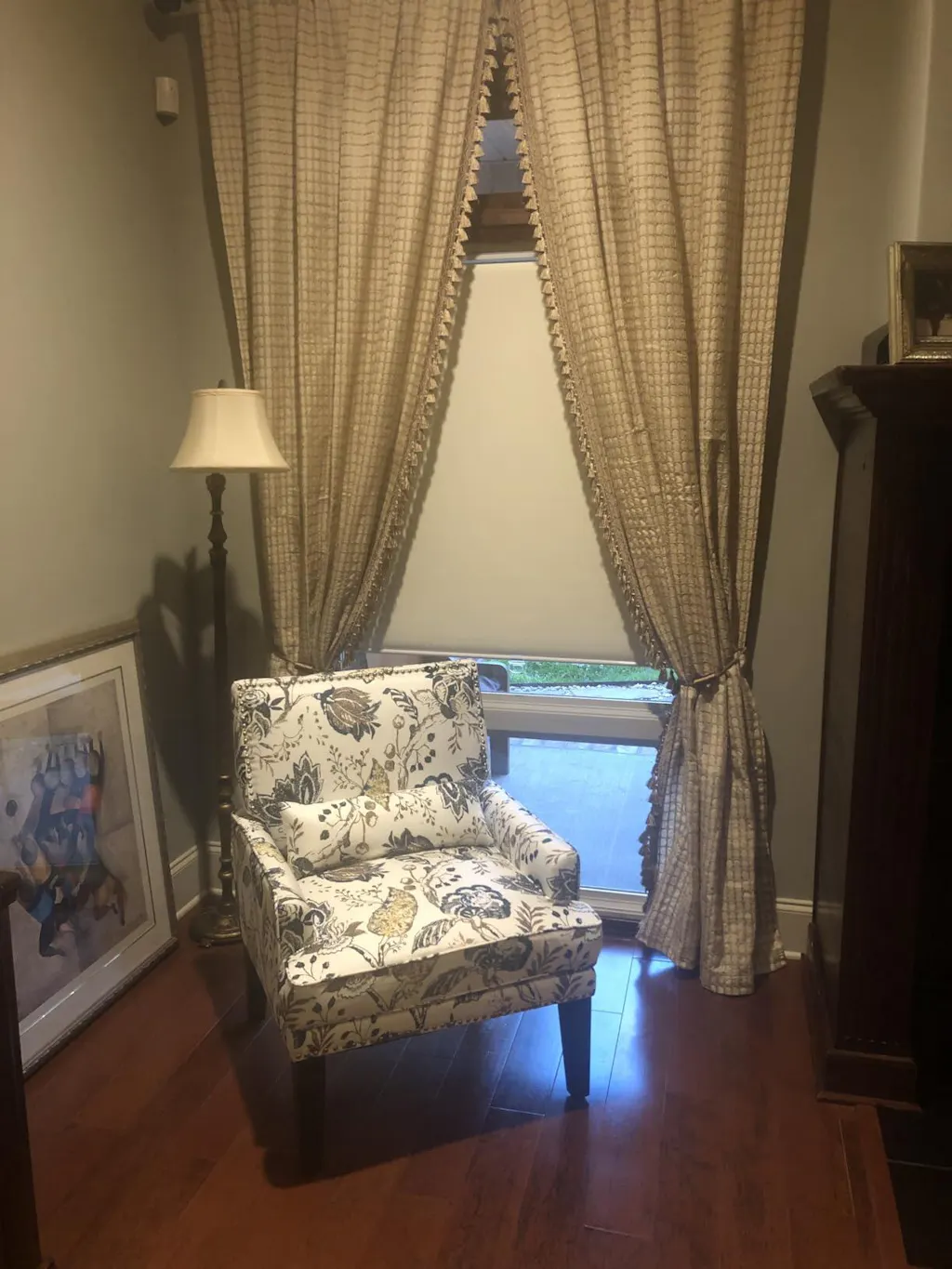
If the look is still too 'hard' for your taste, I often suggest a hybrid approach. Install the dual rollers for function, then hang stationary, non-closing decorative panels on either side. I once hid my motorized shades behind sheer linen drapes in a primary suite, and it provided the perfect mix of hotel-level darkness and soft, residential texture. It gives you the 'puddle' look of drapes without the struggle of actually pulling them shut every night.
My Final Verdict: Are They Worth the Investment?
If you are living in a modern condo with floor-to-ceiling glass, or a small bedroom where every inch counts, these are absolutely worth the splurge. They solve two problems with one piece of hardware. However, if you live in a drafty Victorian and you love the romantic, heavy look of velvet pooling on the floor, a roller system might feel too clinical for you.
In my own home, I put them in the nursery. Being able to drop the blackout shade for a midday nap while keeping the sheer layer down for soft morning play was a life-saver. Yes, they cost more than a single blind, but when you factor in the cost of a double rod, sheers, and blackout curtains, the price is often a wash.
Frequently Asked Questions
Can I install these myself?
Yes, but precision is key. Because the tolerances are tight in a dual bracket, your measurements need to be exact to the 1/8th of an inch. If your window is out of square, an outside mount is much more forgiving for DIYers.
Do they come in motorized versions?
Absolutely. In fact, motorization is where these systems shine. Being able to schedule the sheers to open at sunrise and the blackouts to drop at sunset is the ultimate luxury for high-reach windows.
How do I clean them?
Most high-quality roller fabrics are synthetic blends that only need a quick go-over with a vacuum brush attachment. Unlike drapes, they do not hold onto pet hair or allergens nearly as much, which is a huge plus for allergy sufferers.