Your Double Curtain Rod Looks Cluttered: Try Sheer and Blackout Shades
I remember staring at my bedroom window three years ago, three different drill holes deep, trying to mount a double rod that looked more like a plumbing fixture than a design choice. It was heavy, it sagged in the middle despite the center bracket, and the sheer layer always seemed to get caught in the blackout panel’s grommets. Most of us have been taught that layering sheer and blackout shades requires two sets of rods, four panels of fabric, and a lot of visual noise that smaller rooms simply cannot handle.
Quick Takeaways
- Double rods create excessive bulk and often stick out 6 inches or more from the wall.
- All-in-one zebra shades provide both light-filtering and privacy in a single, slim cassette.
- Choose 60% opacity for living areas and 85% for total bedroom darkness.
- You can still use decorative drapes as stationary 'frames' without the mechanical mess.
The Problem With the Traditional Double Curtain Rod
The traditional double-rod setup is a space hog. By the time you mount the bracket and layer a 200 gsm velvet drape over a lightweight sheer, you’ve eaten up nearly half a foot of depth into your room. In a tight guest room or a modern apartment, that projection makes the window feel like it’s encroaching on your floor space. It’s a heavy, dated look that reminds me of hotel rooms from the late nineties.
Then there is the 'fabric fatigue.' You have two different sets of hems to worry about, two different ways the fabric gathers, and a constant battle with the wands or pull-strings. If your floor isn't perfectly level—and let's be honest, whose is?—you end up with a tangled mess of fabric at the floor that collects dust bunnies faster than you can vacuum them. It’s a lot of maintenance for a setup that often looks cluttered the moment you actually try to use it.
Enter the 'Zebra' Solution: Getting Both in One Cassette
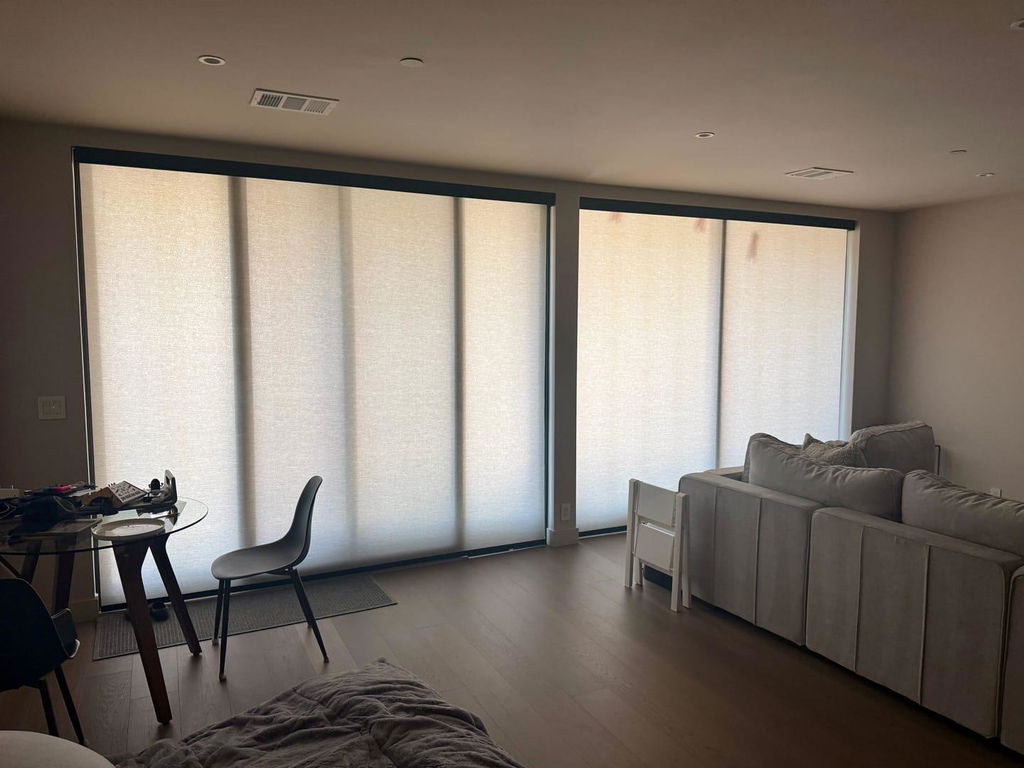
Modern window engineering has finally caught up to our need for dual-functionality without the bulk. Banded shades, or 'zebra' shades, use a continuous loop of fabric with alternating translucent and opaque strips. By simply shifting the shade an inch, you align the opaque bands to block the view, or align the sheer bands to let the light pour in. It is the exact same utility as sheer blackout shades but contained within a single, sleek headrail.
The beauty here is the mechanical simplicity. Instead of wrestling with two rods, you have one smooth movement. If you want a high-end feel, the Canisteo Motorized Zebra Shades 60 Blackout Luxe offers that luxury experience where the bands glide into place at the touch of a button. It eliminates the cords and the clutter, leaving you with a window that looks architectural rather than upholstered.
60% vs. 85% Opacity: Sizing Up Your Room's Needs
Not every room needs a total 'void' of light. In my home office, I use a 60% block. It cuts the glare on my monitor during that brutal 3 PM sun spike but keeps the room feeling energized and airy. If you go too dark in a living space, you end up living in a cave, which is a quick way to kill the vibe of a well-decorated room. You want the sheer sections to diffuse the light, turning harsh yellow rays into a soft, gallery-like glow.
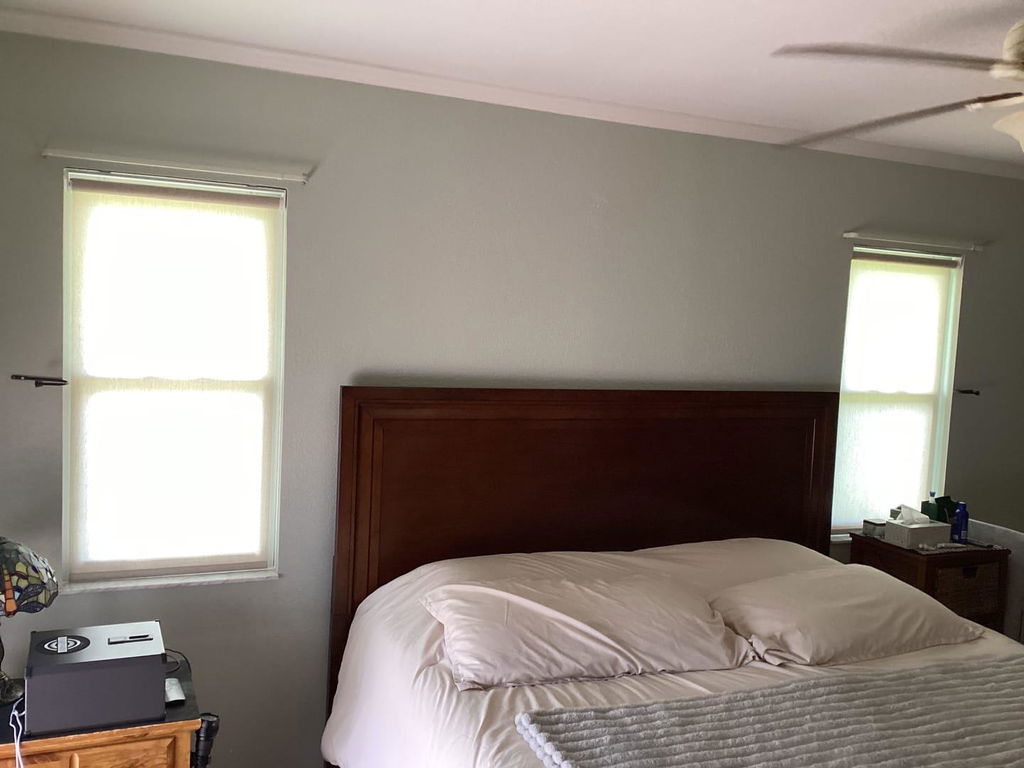
However, the bedroom is a different beast entirely. If you’re a light sleeper or have a streetlamp right outside your window, you need the heavy hitters. I always recommend the Canisteo Motorized Zebra Shades 85 Blackout Breeze for primary suites and nurseries. That 85% opacity ensures that even when the sun is high at 7 AM on a Sunday, your room stays pitch black. It’s about matching the tool to the task—don't over-darken your kitchen, and don't under-darken your sleep sanctuary.
Why I Still Love Layering (But Only Over a Flat Shade)
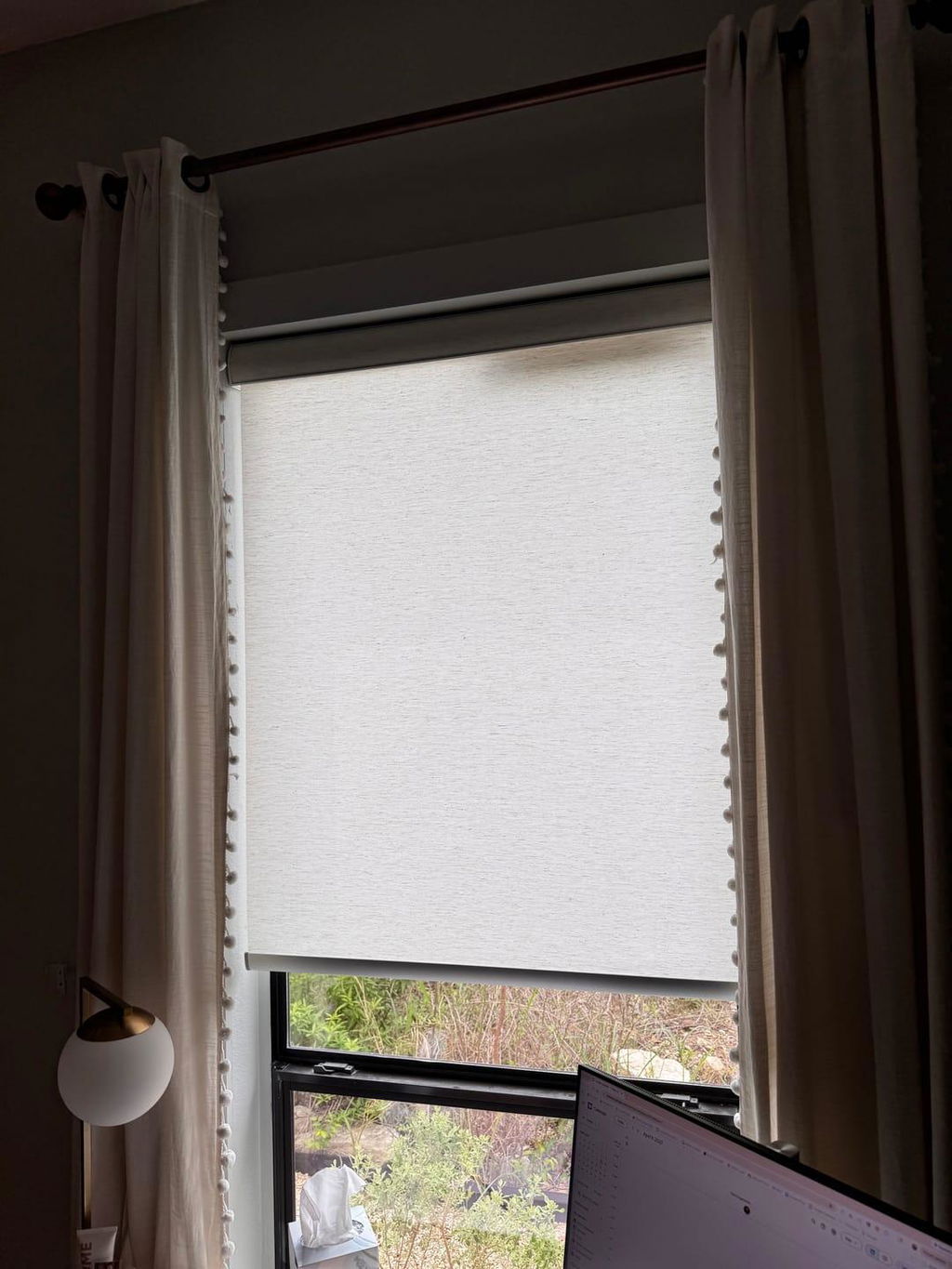
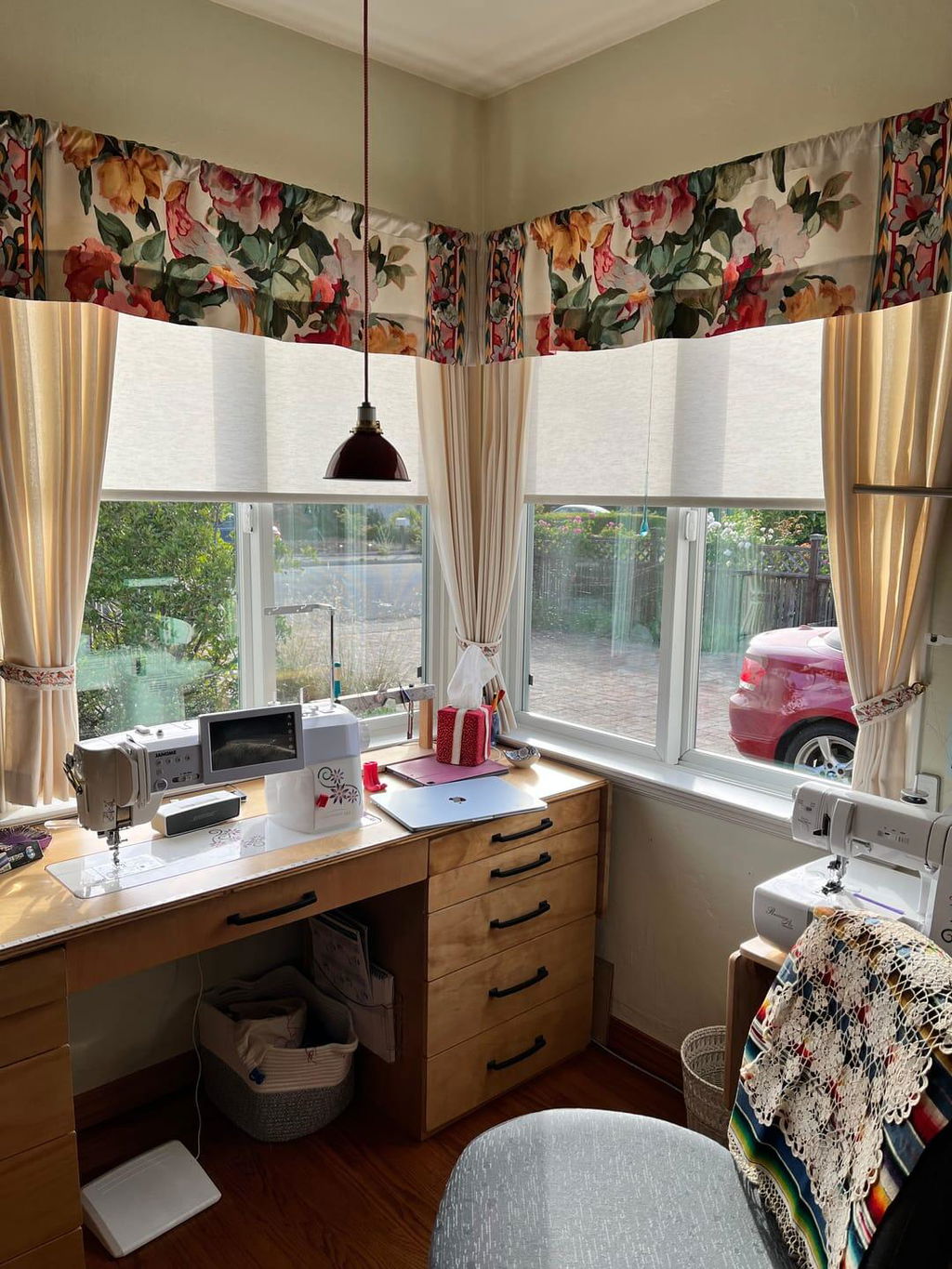
I’ll admit it: I’m a sucker for the romance of a linen drape. There is a specific way a fabric panel softens the vertical lines of a window that a hard shade just can't replicate. The trick to doing this without the double-rod headache is to use your zebra shade for the heavy lifting and a single, stationary decorative panel for the aesthetic. You mount the shade inside the window frame and hang a single rod with one panel on each side of the window.
This 'stylist’s cheat' gives you the texture and softness you crave without the mechanical frustration. I actually did this in my own living room; I hid motorized behind my sheer linen drapes and it changed everything. I get the 'House Beautiful' look of flowing fabric, but I don't have to actually pull those curtains shut every night because the motorized shade handles the privacy. It’s the best of both worlds: visual softness and modern efficiency.
Sourcing the Right Fabric So They Don't Look Like Plastic
The biggest mistake people make with banded shades is buying cheap, shiny vinyl versions. If the material looks like a shower curtain liner, it’s going to ruin your room. You want to look for woven textures that mimic the look of high-end Sheer Shades. A good quality zebra shade should have a matte finish and a visible weave in the fabric bands. This helps it blend in with your furniture and rugs rather than standing out as a 'plastic' fixture.
When you touch the fabric, it should have some body to it—not feel like flimsy paper. I look for blends that have a slight heathered effect or a linen-like grit. This ensures that when the light hits the shade, you see the beautiful irregularities of a textile, not the flat, clinical reflection of cheap PVC. It's those small details that separate a 'builder-grade' house from a home that feels curated and expensive.
Personal Experience: The Midnight Re-measurement
I once tried to save money by ordering a 'close enough' size for a double rod in my first studio apartment. I spent four hours trying to level two different rods while balanced on a kitchen chair. By midnight, I realized the blackout curtains were so heavy they were pulling the anchors right out of the drywall. I ended up with a pile of velvet on the floor and a very bruised ego. Switching to a single-unit shade was a revelation—it took twenty minutes to install and didn't require a structural engineer to keep it on the wall. Learn from my sweat: simplicity is almost always the better design choice.
Frequently Asked Questions
Can I install zebra shades myself?
Absolutely. Most use a simple 'click-in' bracket system. If you can use a drill and a level, you can install these in under 15 minutes per window. Just make sure you measure the inside of your window frame at the top, middle, and bottom to ensure a perfect fit.
Do these shades provide privacy at night?
Yes. When you align the opaque bands, they create a solid barrier. While the 60% version might show very faint shadows if you have bright lights on inside, the 85% version provides total privacy from the outside world.
How do I clean banded shades?
Keep the vacuum attachment handy. A quick once-over with a brush tool every few weeks keeps dust from settling into the weave. For small spots, a damp microfiber cloth with a tiny bit of mild soap usually does the trick—just don't soak the fabric.