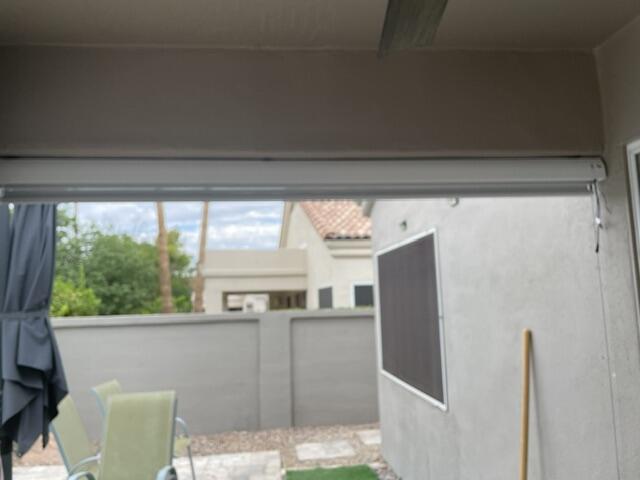
Your Roller Blinds Heat Reflective Are Ruining Your Curb Appeal
I remember standing in my first south-facing apartment—a gorgeous, light-filled studio that felt like a literal pizza oven by 3 PM every July. In a desperate rush to stop my houseplants from wilting and my AC bill from skyrocketing, I ordered the first roller blinds heat reflective solution I could find online. It worked, but when I walked the dog that evening and looked back at my building, my windows looked like I was running a secret government lab or perhaps a very high-end grow op.
The metallic sheen was blinding. While I was finally sitting in a cool, 72-degree living room, my curb appeal had officially died a shiny, crinkly death. It turns out that choosing a reflective roller blind involves a delicate balance between thermal physics and neighborhood politics.
Quick Takeaways
- Reflective backings are the only way to bounce heat before it enters the room.
- Always use a matching fascia to hide the top of the roll from the street.
- Layering with unlined linen softens the clinical look of high-performance fabrics.
- Check your HOA rules before installing high-glare silver finishes.
The 'Space Blanket' Dilemma in Sun-Facing Rooms
The visual shock of a reflective roller blind is real. Most people buy them for the thermal specs—which are admittedly impressive—but they forget that windows have two sides. From the inside, it looks like a clean, white or grey fabric. From the outside, many of these shades look like a literal survival blanket taped to your glass. It’s a harsh, industrial aesthetic that clashes with traditional brick or cozy siding.
I’ve seen stunning Victorian homes ruined by a single window that looks like a tin foil spaceship. The goal is to find a fabric where the 'reflection' happens via high-tech coatings rather than a raw aluminum finish. If you don't choose carefully, you’re basically installing a giant mirror that shouts at your neighbors every time the sun hits it.
How the Metallic Backing Actually Works (Without Getting Too Nerdy)
Standard blackout fabrics are thick, but they often absorb solar energy, which then radiates into your room as heat. A reflective blind uses a microscopic layer of aluminum or specialized pearlescent coating to bounce that radiation back through the glass before it can warm up your air. It’s the difference between wearing a black t-shirt or a white one on a 90-degree day.
If you've ever wondered are reflective roller shades worth it, the answer is usually in the numbers: they can drop the surface temperature of your window treatment by 10 to 15 degrees. That silver backing is a necessary evil for high-performance cooling, but modern textile engineering is getting better at hiding the 'foil' look behind woven textures.
Curb Appeal vs. Climate Control: Finding the Balance
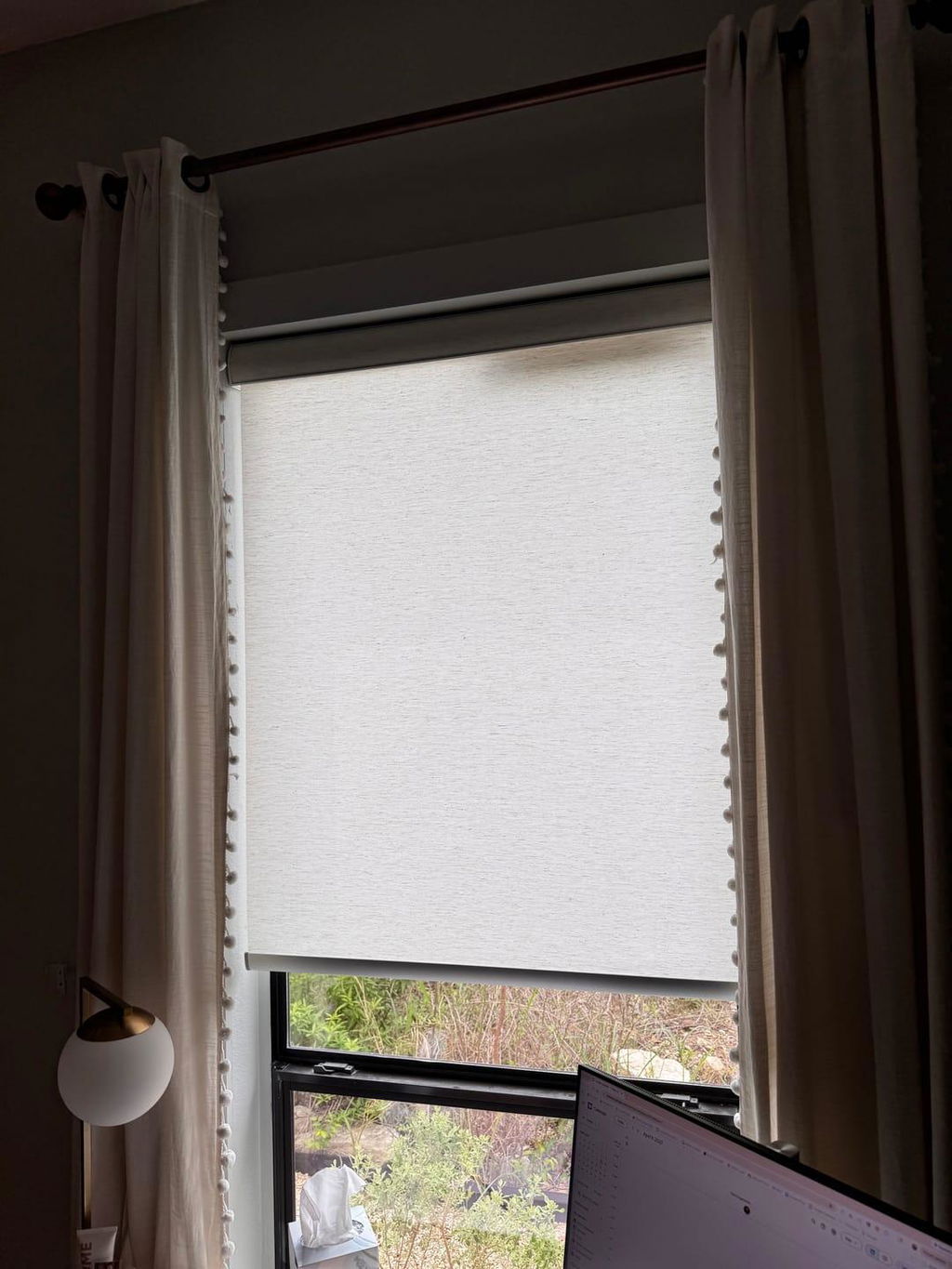
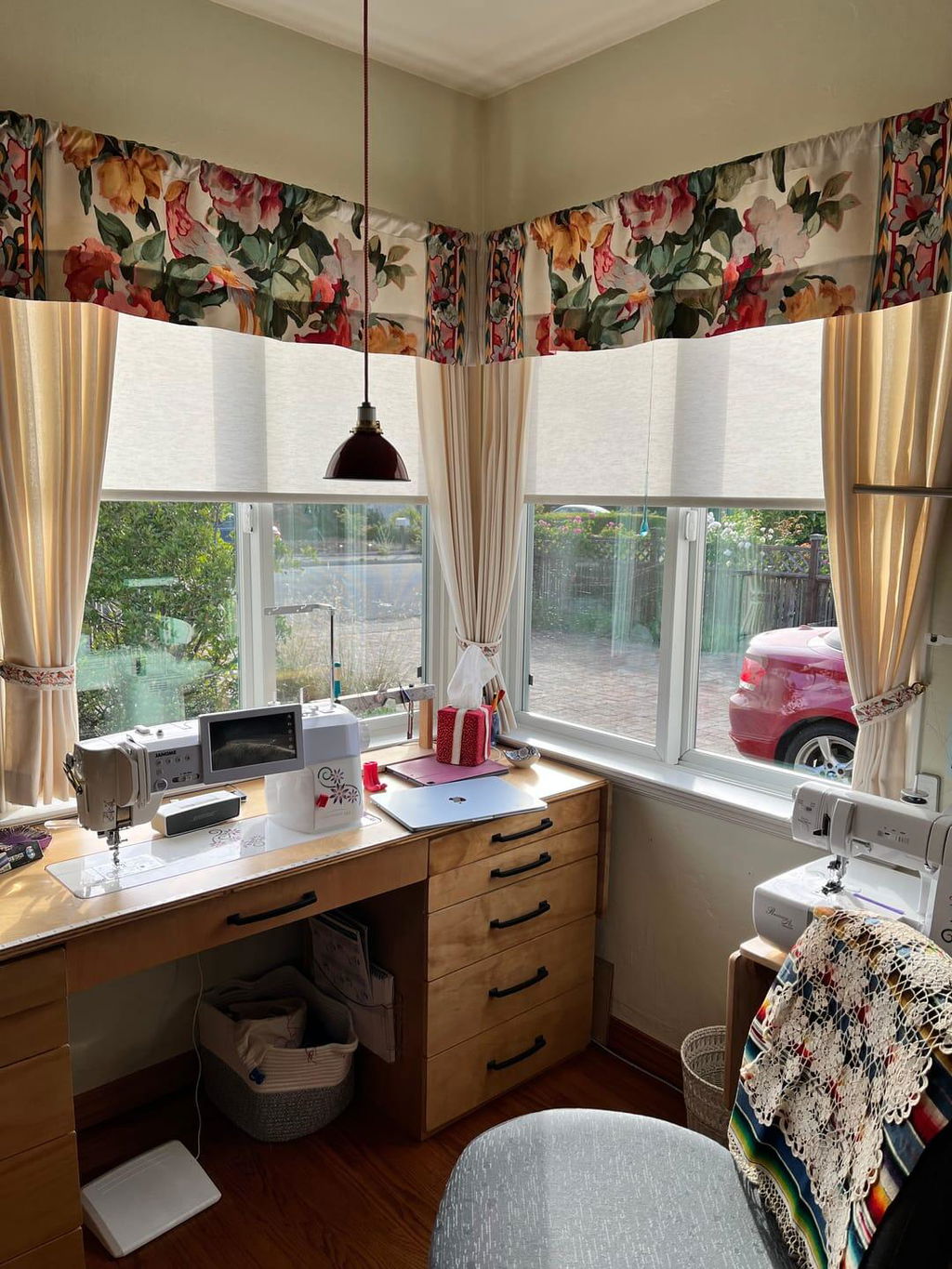
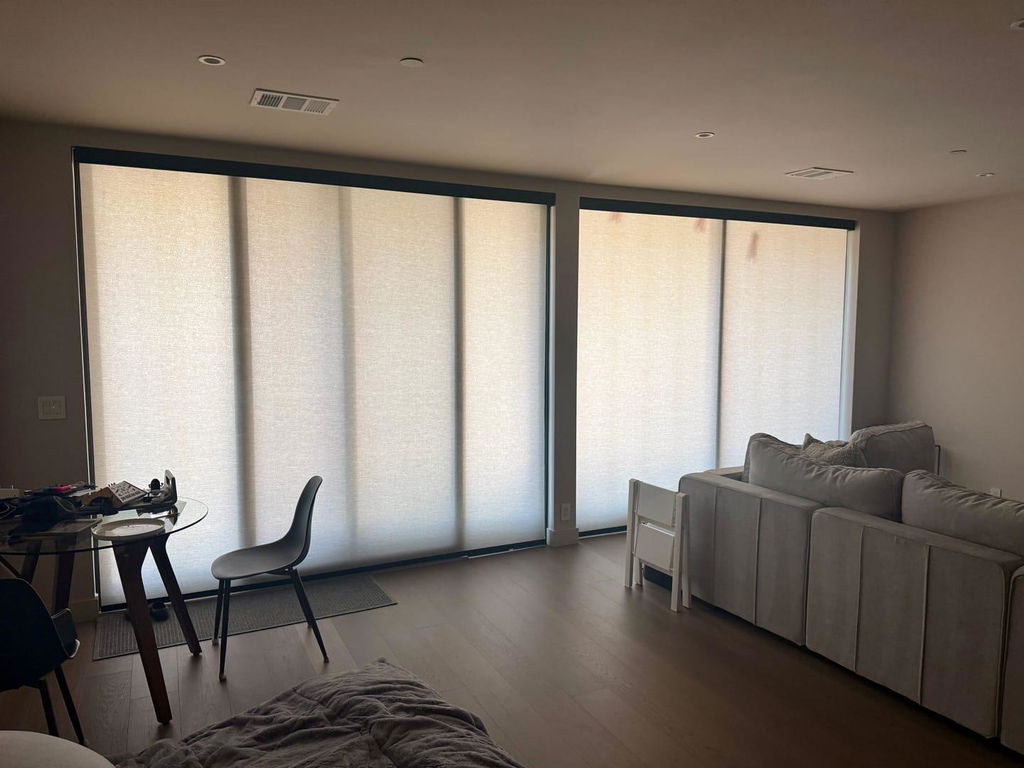
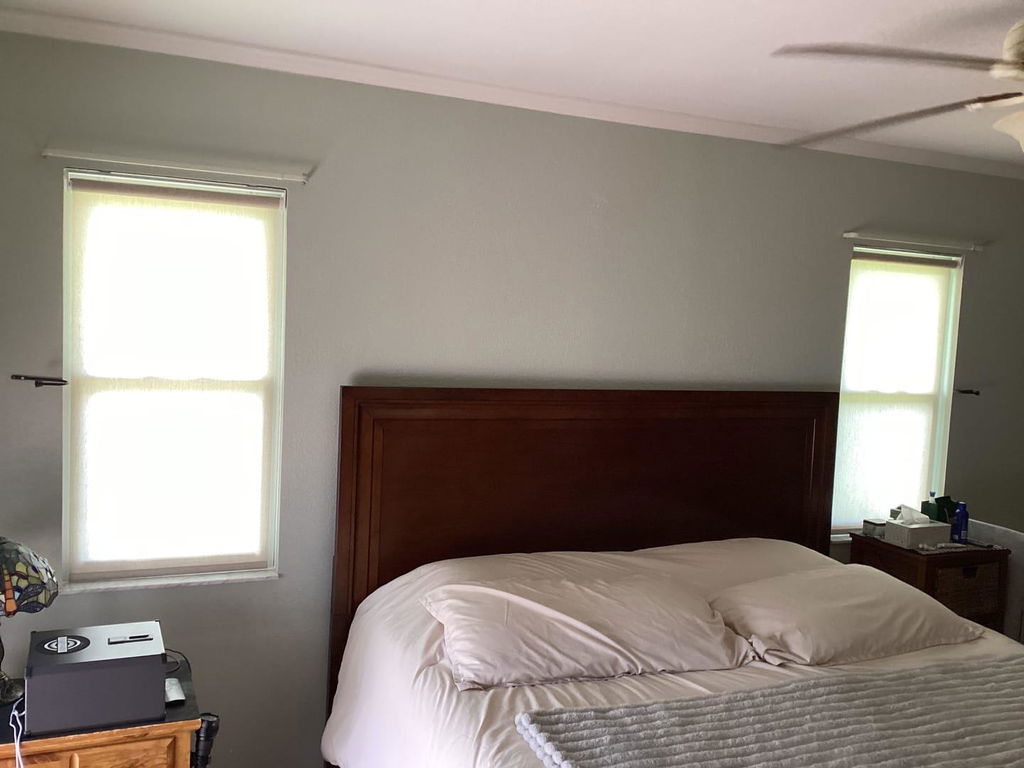
When you’re browsing modern custom roller shades, look for options that offer a 'white-to-street' backing or a matte finish. You want the functionality of a reflection blinds system without the high-gloss glare. I always recommend matching your fascia or cassette to your window trim—if your frames are bronze, don't use a white header. It makes the treatment look like an afterthought rather than a design choice.
I once worked on a mid-century ranch where we used a charcoal-colored solar fabric with a subtle metallic weave. From the street, it just looked like tinted glass, but inside, the homeowners could finally sit on their velvet sofa without sweating through their shirts. It’s all about the intensity of the sheen.
Why Street-Facing Windows Need Special Attention
Before you commit to a reflective roller blind, walk across the street. If your house faces a neighbor's bedroom or a busy intersection, a high-reflectance shade can actually create a safety hazard by blinding drivers or annoying the folks next door. Many HOAs actually ban 'silver' or 'foil' appearances, so checking your bylaws is a boring but essential step before you drill into your trim.
My Go-To Layering Trick for a Reflective Blind
The secret to making functional shades look like 'interior design' is layering. I like to mount a reflective blind deep inside the window recess—as close to the glass as possible—and then hang a pair of 200 gsm unlined linen drapes over the top. The drapes should be at least 2.5x fullness to give that soft, luxurious ripple. This way, you get the heat-blocking power of the shade, but your room feels like a breezy sanctuary.
If you want a cleaner look without the bulk of drapes, consider versatile day night shades. These allow you to toggle between a sheer view during the morning and a high-performance reflective barrier when the afternoon sun starts to bake the room. It’s the most flexible way to manage light without living in a cave.
When to Upgrade to Dual Hardware Instead
Sometimes one shade just can't do it all. If you have a room that gets brutal sun but you still want a decorative fabric, I suggest moving to custom cordless double roller blinds. This setup uses a dual bracket to hold two separate rolls: one is your heavy-duty, heat-reflective solar shade, and the other is a beautiful, textured fabric that matches your decor.
I installed this exact setup in a client's nursery last year. We used a 1% openness reflective shade to kill the heat during the day, and a soft navy blackout shade for nap time. It’s a bit more of an investment, but it’s the only way to get true climate control without compromising on the 'House Beautiful' aesthetic we all want.
Frequently Asked Questions
Can people see through reflective blinds at night?
If you have a reflective roller blind with a high 'openness' factor (like a solar shade), people can see in at night when your lights are on. If it's a reflective blackout shade, you have total privacy. Always check the 'openness' percentage before buying.
Do reflective blinds actually save money on electricity?
Yes. By reducing the 'solar gain' in a room, your AC doesn't have to work nearly as hard to overcome the heat coming through the glass. In sun-drenched climates, these can pay for themselves in a few seasons.
Will a reflective blind damage my double-pane windows?
It’s a rare but real concern. High-reflectance shades can trap heat between the glass and the blind. Always ensure you have a small gap for airflow or consult with the manufacturer to make sure the fabric is compatible with your specific glass type.