Are Reflective Roller Shades Worth It for Sun-Baking Rooms?
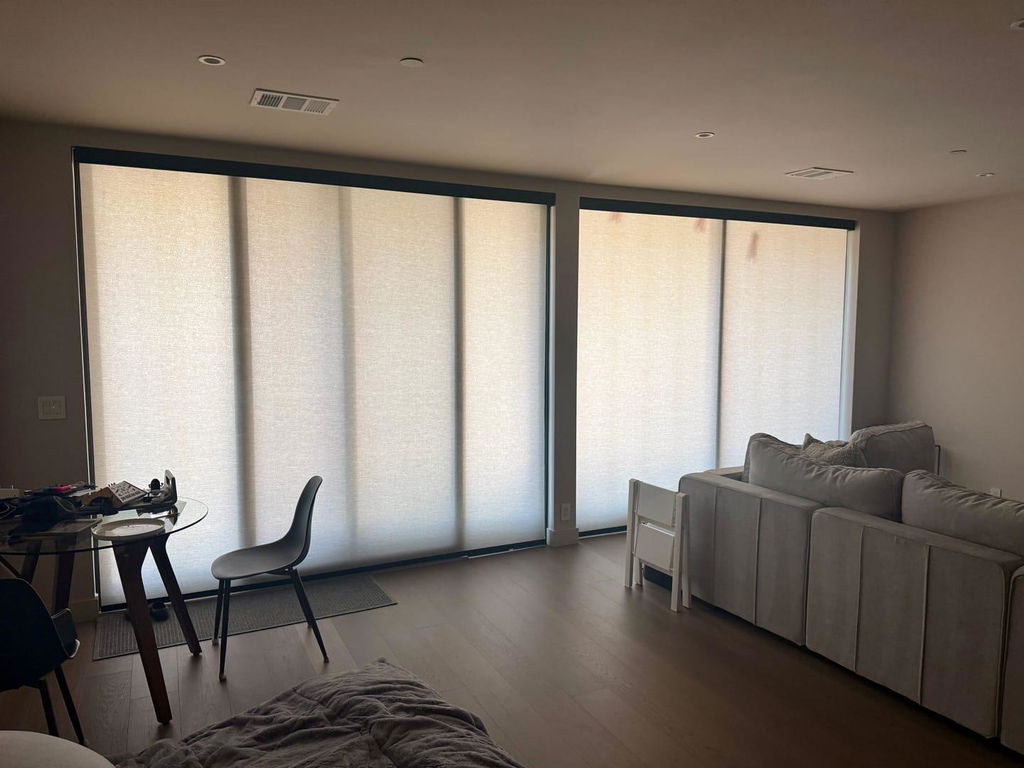
I remember the first afternoon I spent in my west-facing condo. By 4 PM, the golden hour wasn't a vibe—it was a hazard. My vintage teak sideboard was literally hot to the touch, and the air conditioning was screaming in a losing battle against the floor-to-ceiling glass. I had beautiful linen drapes, but they were just absorbing the heat and radiating it back into the room like a giant space heater.
That is when I started looking into reflective roller shades. I was terrified they would make my living room look like a NASA clean room or a survivalist’s bunker, but I was desperate to stop the greenhouse effect before my fiddle leaf fig turned into a crisp. It turns out, there is a massive difference between 'industrial' and 'high-performance' when you know what to look for.
- Bounces up to 70% of solar energy back outside.
- Protects expensive rugs and furniture from UV bleaching.
- Maintains your view while cutting the blinding glare.
- Modern textures hide the tech-heavy backing from the interior.
The Afternoon Oven: Why West-Facing Windows Are a Nightmare
If you live in a room that faces west, you know the specific misery of the late-day sun. Unlike the gentle morning light of an east-facing window, the afternoon sun hits at a low angle, piercing deep into the room. Standard fabric drapes or unlined Romans might look pretty, but they often act as a thermal bridge. They catch the heat, hold onto it, and eventually dump it right into your lap.
I spent years trying to layer sheer panels under heavy velvet, thinking thickness was the answer. It wasn't. The heat was already inside the glass. I finally realized that functionality had to come first, which is why I Swapped Custom Romans For Fabric Window Shades Roller Styles. I needed a material that didn't just 'block' the sun, but actively rejected it back through the pane before it could settle into my floorboards.
What Actually Makes a Shade 'Reflective'?
When we talk about reflective window shades, we aren't talking about hanging mirrors. The magic happens through a process called metallization. A microscopically thin layer of aluminum is applied to the street-facing side of the fabric. This layer acts as a shield, reflecting solar radiation back out the window. It is the same principle as those silver sunshades people put in their car windshields, just executed with much more domestic grace.
The science of reflective shades for windows focuses on 'solar reflectance.' A standard dark fabric might have a reflectance of 5%, meaning it absorbs 95% of the sun’s energy. A high-performance reflective shade can push that reflectance up to 60% or 70%. By stopping the heat at the 'envelope' of the home, you significantly reduce the load on your HVAC system. It is the difference between wearing a black cotton t-shirt in the sun versus a high-tech white running shirt.
The 'Foil Window' Myth: Do They Ruin the Room's Aesthetic?
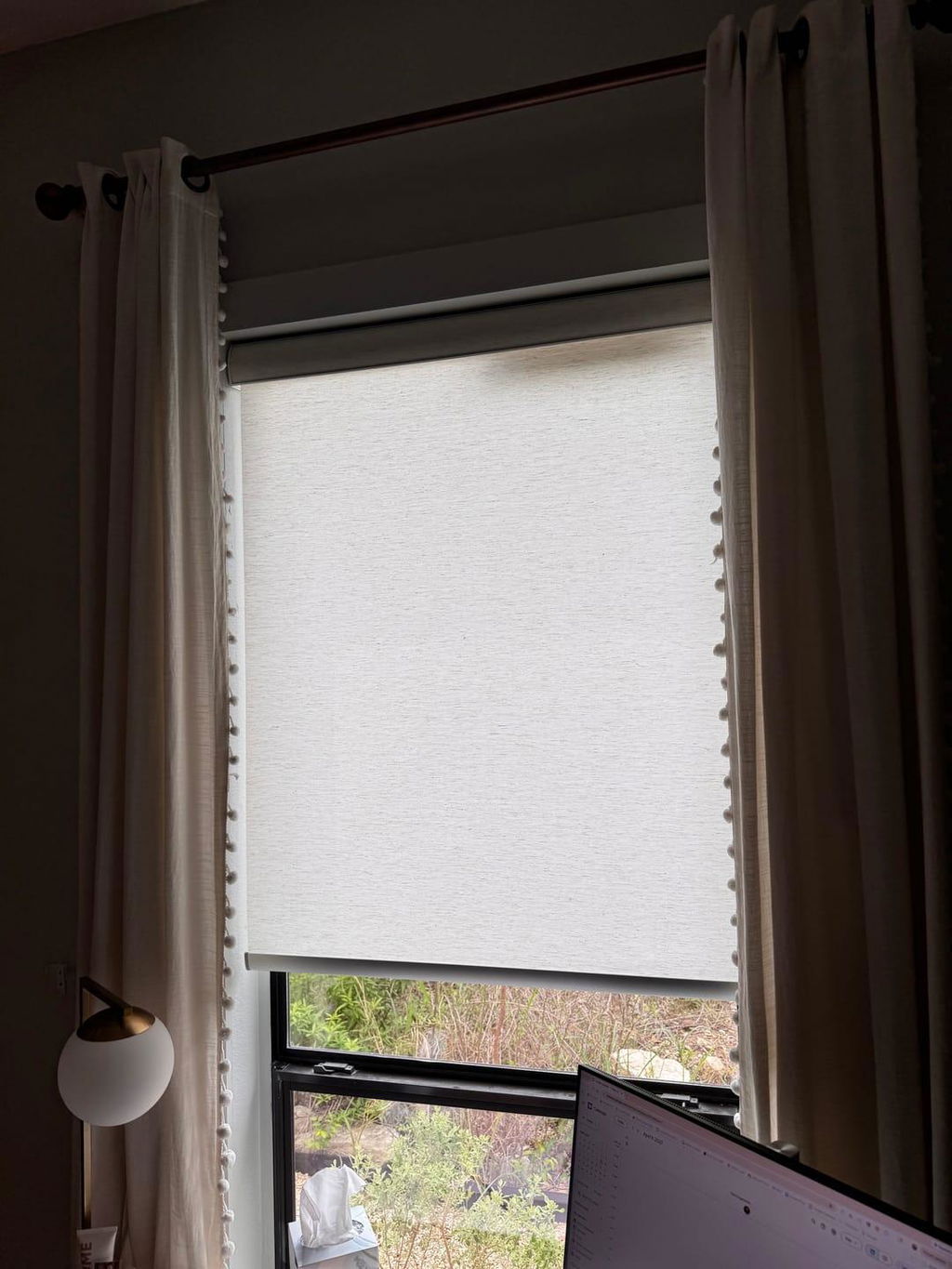
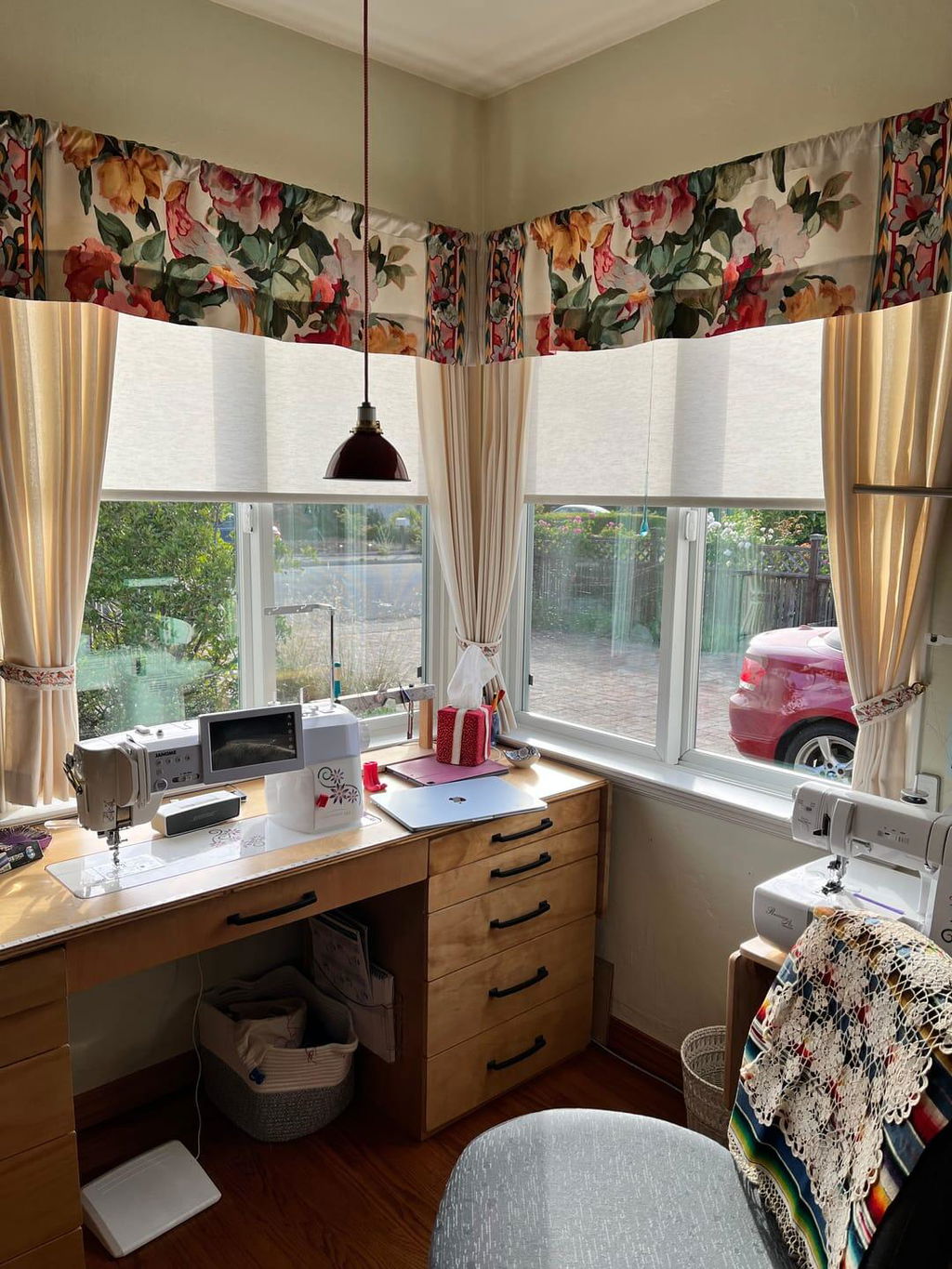
This was my biggest hurdle. I didn't want my neighbors to think I was running a grow op or hiding from aliens. The good news is that textile technology has come a long way since the shiny, crinkly plastics of the 90s. The room-facing side of modern Roller Shades can be almost anything—a soft white weave, a textured charcoal, or even a sandy oat color that looks like high-end Belgian linen.
The silver backing is bonded to the fabric so tightly that you only see it from the outside, and even then, it usually just looks like a clean, neutral window tint. Inside, you get the aesthetic of a high-end designer shade. I opted for a soft grey weave with a 300 gsm weight. It feels substantial and expensive, but the hidden silver lining is doing all the heavy lifting. You get the 'architectural' look without the architectural heat stroke.
Heat Blocking vs. Light Blocking: Getting the Openness Right
One mistake people make is thinking they need total blackout to stop the heat. That is not true with reflective shades for windows. You can choose different 'openness factors'—usually 1%, 3%, or 5%. A 5% openness allows you to still see the skyline and the trees while the reflective backing handles the infrared heat. It kills the glare on your TV screen but keeps the room from feeling like a cave.
If you are dealing with a bedroom where you need total darkness for sleep but maximum heat rejection during the day, a single shade might not cut it. In those cases, I often recommend a layered approach. Using something like Canisteo Motorized Dual Roller Shades Cordless Custom Double Roller Blinds allows you to have a reflective solar screen for the day and a total blackout fabric for the night. It is the gold standard for climate control and privacy.
My Verdict: Did They Actually Cool Down the Room?
The short answer: Yes, and the difference was immediate. I did a highly unscientific test with an infrared thermometer. On a 90-degree day, the surface of my hardwood floors behind the old linen drapes was hitting 104 degrees. After installing the reflective rollers, that same spot stayed at 76 degrees. That is a massive delta that you can actually feel on your skin when you walk into the room.
My AC doesn't kick on nearly as often, and the 'hot zone' near the windows has vanished. The biggest win, however, wasn't just the temperature—it was the light. I can finally sit on my sofa at 5 PM without squinting or feeling like I’m being interrogated by the sun. The room feels airy and bright, but the 'bite' of the sun is gone. It’s the most functional design choice I’ve made in this condo.
A Few Things I Wish I Knew Before Ordering
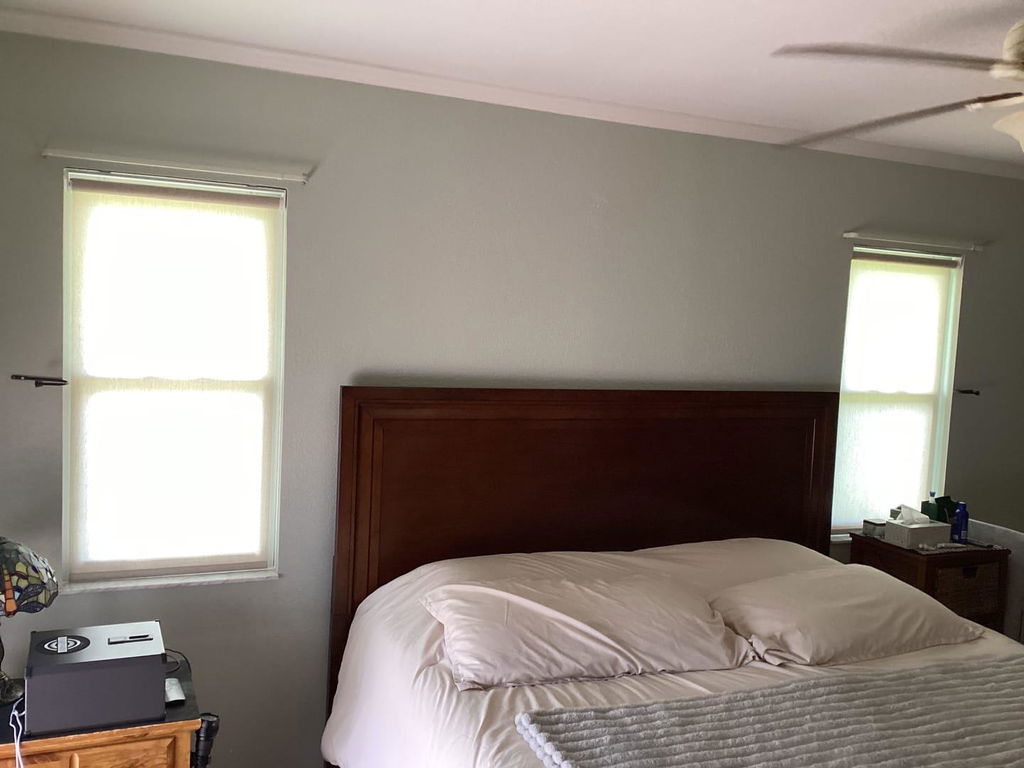
Precision is everything with these. Because you are dealing with such intense light and heat, any gap is going to be magnified. I originally measured my windows a bit too loosely, and the 'light bleed' around the edges was like a laser beam hitting the wall. You want an inside mount that fits as snugly as possible to the window frame.
If you have tricky windows, pay attention to The 1 Inch Clearance Rule For Perfect Bay Window Roller Shades. Getting the brackets tight to the glass ensures the reflective backing can do its job before the air between the shade and the window gets too hot. Also, don't be afraid to go a little darker on the interior color—darker colors actually provide better 'view-through' to the outside, as long as that reflective backing is there to handle the heat.
FAQ
Do reflective shades look like tin foil from the street?
No. Most high-quality reflective shades have a soft, matte metallic finish or a white backing that looks like a standard window lining from the sidewalk. They don't have that 'crinkled foil' look of DIY solutions.
Can I see through reflective roller shades?
Yes, if you choose a solar screen material with an openness factor (like 3% or 5%). You will be able to see the view outside, but people outside generally cannot see in during the day due to the light reflection.
Are they hard to clean?
Not at all. Most are made from a polyester or PVC blend that can be wiped down with a damp cloth. Unlike heavy drapes, they don't trap dust or allergens, which is a huge plus if you have pets.