Your Dangling Cords Look Messy: It's Time for Push Up Window Blinds
I remember walking into a client's sun-drenched Brooklyn brownstone last year. The architecture was stunning—original crown molding, high ceilings, and massive windows. But there it was: a tangled, yellowing mess of polyester strings dangling like limp spaghetti from every frame. It didn't matter that she had a $4,000 velvet sofa; those messy cords made the whole room look like a disorganized rental. That afternoon, we decided to rip them out and install push up window blinds instead.
There is a specific kind of visual peace that comes from a window frame without hardware clutter. When you finally get rid of the plastic cleats and the uneven strings that always seem to leave one side of the blind two inches higher than the other, the room finally breathes. It is the quickest way to make your windows look intentional rather than an afterthought.
Quick Takeaways
- Eliminate 'visual noise' by removing dangling cords.
- Modern tension systems provide smooth, precise height control.
- Top-down functionality solves the privacy-vs-light dilemma in urban areas.
- Cordless designs are a non-negotiable safety standard for homes with pets or kids.
The Visual Clutter of the Pull Cord (And Why It Has to Go)
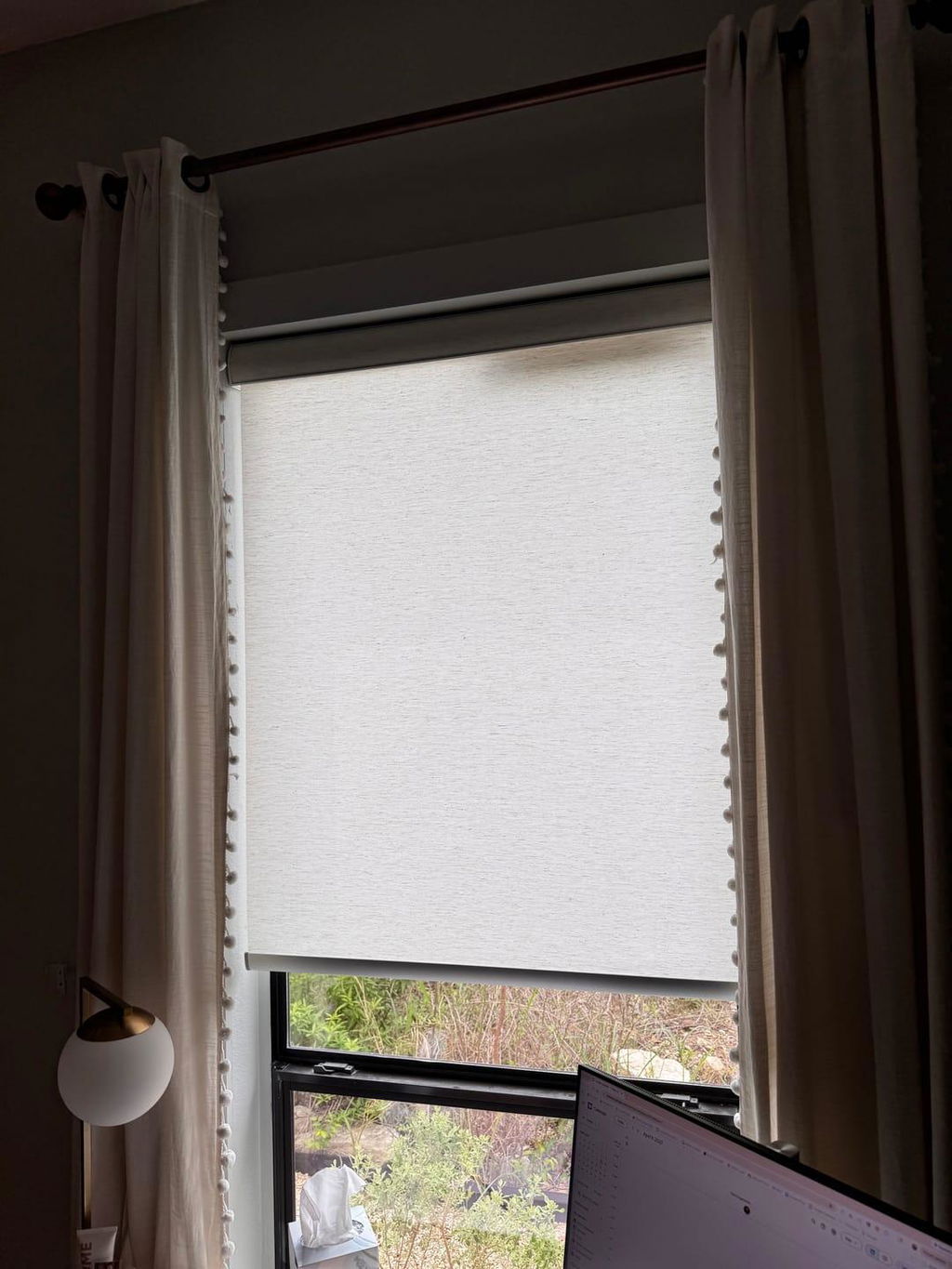
Standard corded blinds are an aesthetic nightmare. Beyond the obvious safety hazards, they create a chaotic vertical line that competes with your window's trim. When you have three windows side-by-side, you end up with a forest of strings that never hang at the same length. Switching to a window blind cordless system is about more than just safety; it is about 'visual quiet.' It allows the eye to focus on the view or the fabric texture rather than the mechanical debris.
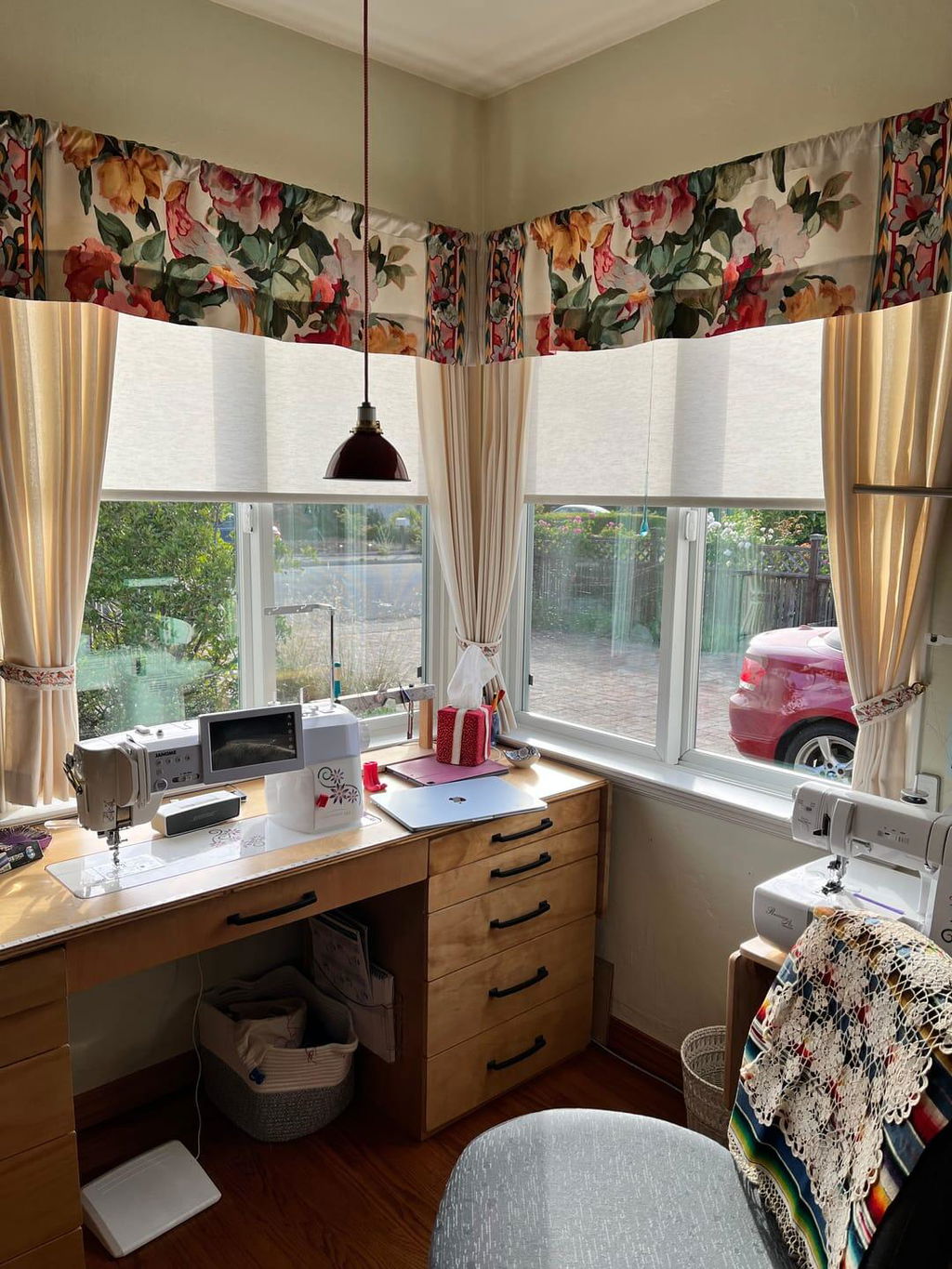
I’ve found that even high-end custom drapes can be undermined by cheap corded under-layers. By opting for blinds that you push up, you create a flush, clean profile that sits neatly inside the window casing. This 'inside mount' look is particularly effective if you have deep 3-inch sills where the hardware can stay tucked away. It turns the window into a framed piece of art rather than a utility station.
How Push Up Window Blinds Actually Work (No, They Don't Snap)
We have all had that trauma with the old-school roller shades from the 90s—the ones where you pull slightly, and the whole thing violently retracts like a runaway tape measure, flapping at the top. Modern pull down push up blinds use a sophisticated internal tension or planetary gear system. This means they stay exactly where you put them. You can move the bottom rail with one finger, and it glides into place without a sound.
This smooth mechanism is standard in most sleek roller shades today. Instead of a spring that is either 'on' or 'off,' these push pull blinds use constant-force springs that balance the weight of the fabric. Whether you are using a 5-pound blackout cellular shade or a light-as-air sheer, the tension is calibrated so the shade doesn't drift. It feels solid, expensive, and reliable.
The Street-Level Privacy Hack: Push Pull Blinds
If you live on a busy street or in a garden-level apartment, you know the struggle. You want the sunlight, but you don't want the person walking their dog to see you in your bathrobe. This is where lift up blinds with top-down/bottom-up functionality become a literal life-saver. You can push the top half down to let the sky in while keeping the bottom half closed for total privacy.
I often suggest day night shades for these scenarios. They combine a sheer fabric on top and a privacy fabric on the bottom, all controlled by a cordless push-and-pull motion. It gives you total control over the light's direction. You get that beautiful 4 PM amber glow hitting the ceiling without exposing your entire living room to the sidewalk. It is the ultimate lighting hack for urban dwellers who refuse to live in a cave.
Cost vs. Customization: Are They Worth the Upgrade?
Yes, push and pull blinds will cost more than the $20 corded versions at the big-box hardware store. But you are paying for the engineering. When you look at what factors drive up your window blinds price, the cordless tension motor is the biggest piece of that pie. You are also getting a heavier bottom rail, which is necessary to keep the blind level and prevent it from 'smiling' (bowing in the middle).
Investing in window blinds that push up also means you are getting better fabric quality. Cheap corded blinds often use thin, brittle slats that yellow in the sun. Cordless versions are typically built with higher-quality materials—think 300 gsm weaves or thick, spun-lace cellular fabrics—that provide actual R-value insulation. In a drafty house, those cellular pockets can actually lower your heating bill, which helps the blinds pay for themselves over a few seasons.
My Favorite Cordless Styles for Different Rooms
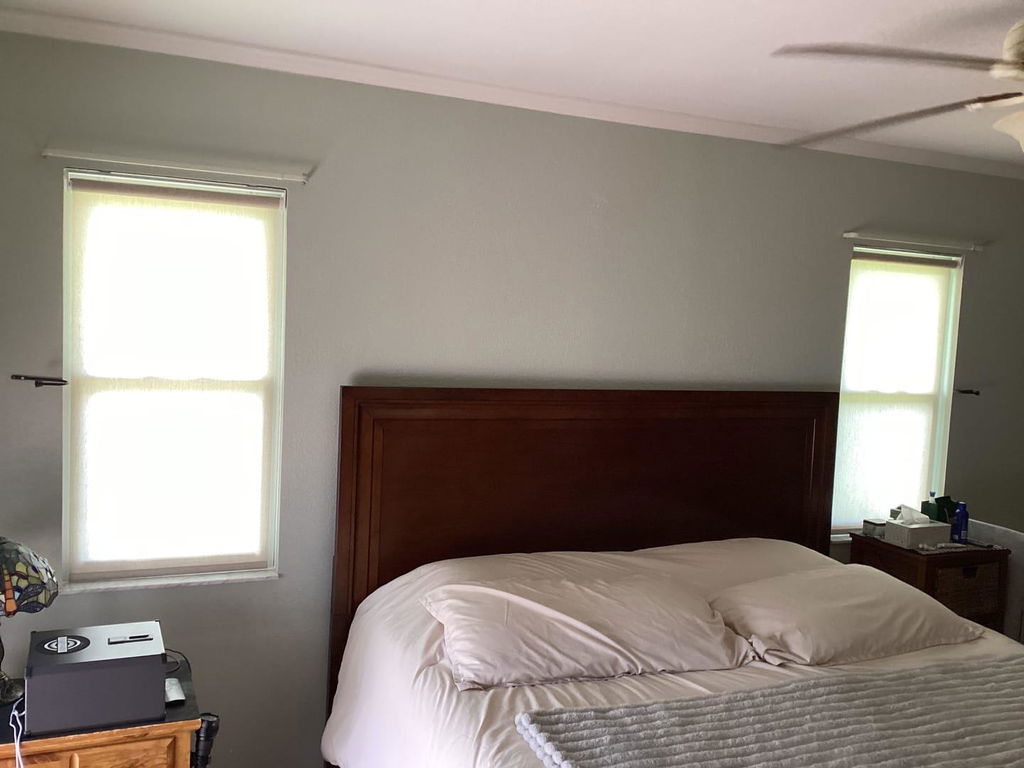
Not all window blinds that you push up are created equal. For bedrooms, I always go for a thick cellular shade. The 'honeycomb' structure is incredible for sound dampening—perfect if you have a neighbor who likes to start their car at 6 AM. However, in a kitchen or bathroom, I pivot. You want something moisture-resistant like pull down mini blinds made of high-grade aluminum or faux wood that won't warp when the pasta is boiling.
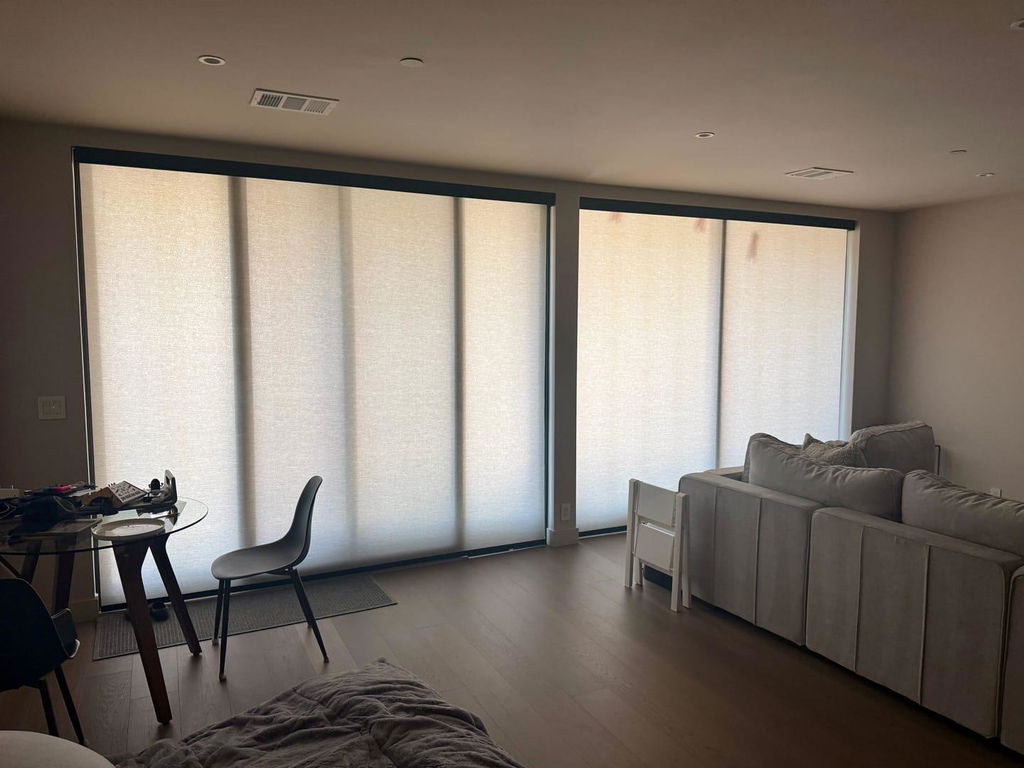
For the living room, where you want to impress, I love cordless custom double roller blinds. They allow you to layer a solar screen for UV protection during the day and a blackout fabric for movie night. The lack of cords means you can mount them side-by-side with almost zero light gap between the panels, creating a seamless wall of fabric that looks incredibly high-end.
The Time I Measured Twice and Still Failed
I’ll be honest: I once ordered fourteen cordless shades for a client’s sunroom and forgot to account for the mounting bracket depth. I spent six hours on a Tuesday night trying to 'make it work' with a hack-saw and a prayer before admitting defeat. I had to reorder the entire lot. The lesson? With cordless blinds, the fit must be perfect because there is no 'wiggling' a cord to make it hang straight. Measure your window at the top, middle, and bottom, and use the smallest width. It’s worth the extra ten minutes of measuring to avoid a midnight breakdown.
Frequently Asked Questions
Are cordless blinds hard to reach on tall windows?
If your windows are over 8 feet tall, you might need a simple reacher pole. These are lightweight rods with a small hook that grabs the bottom rail, allowing you to glide the blind up or down without a ladder. For anything higher, I usually suggest motorization.
Do push up blinds lose their tension over time?
High-quality systems are tested for thousands of cycles. If a blind starts to 'drift' or won't stay up, it usually just needs a quick tension reset, which involves pulling it all the way down and then pushing it all the way up slowly to recalibrate the internal spring.
Can I install these myself?
Absolutely. Most cordless systems use a simple 'click-in' bracket. You screw the brackets into the lintel or the face of the trim, and the headrail just snaps into place. It’s actually easier than corded blinds because you don't have to mount a cord cleat afterward.