The 3 Hidden Details That Drive Up Your Window Blinds Price
You’ve spent months obsessing over the perfect shade of 'greige' for the walls. You finally pulled the trigger on that velvet sectional that cost as much as a used car. But then, you look at your naked windows and realize the 5 AM sun is about to turn your living room into a greenhouse. You start browsing, and suddenly, the window blinds price you see on your screen makes your eyes water. How can a few yards of fabric and some plastic brackets cost more than the sofa?
I have been exactly where you are. I’ve stood in the middle of a half-finished room with a tape measure in one hand and a mounting sense of dread in the other. We happily budget for the big-ticket items like flooring or cabinetry, but we often treat window coverings as an afterthought. Then the quotes come in, and the windows treatment cost feels like a personal attack. It is the great interior design sticker shock that no one warns you about until the drywall is already painted.
Understanding the average window treatment cost is about more than just looking at a price tag; it is about understanding the engineering and textile quality behind it. Whether you are looking for a simple roller or a complex Roman, the window covering cost is dictated by three main factors: precision, material, and movement. I am here to pull back the curtain on why those quotes vary so wildly and how you can navigate the window treatment prices without losing your mind—or your entire savings account.
Quick Takeaways
- Custom sizing to the 1/8th inch prevents light gaps but significantly increases the cost of window shades.
- Natural fibers like 100% linen or woven woods carry a premium over polyester or vinyl alternatives.
- Motorization adds roughly $150–$300 per window but is a lifesaver for high-up or heavy treatments.
- Professional installation ensures your warranty stays intact, even if the labor adds to the overall cost of shades.
- Mixing high-end custom shades in main rooms with budget-friendly options in guest spaces is the ultimate designer secret.
The Window Budget Sticker Shock is Real
Most homeowners walk into a renovation thinking they can outfit the whole house for the price of a single weekend trip. They see a $30 blind at a big-box store and multiply it by ten windows. But when you start looking for quality that doesn't rattle in the wind or yellow in the sun, you realize the average cost of window treatments for a standard home can easily climb into the thousands. It’s a bitter pill to swallow when you’re already fatigued from picking out tile grout and light fixtures.
The reality is that window treatments are one of the few items in your home that must be both beautiful and highly functional. They have to withstand constant UV exposure, provide privacy, and operate smoothly every single day. When you ask, how much for window treatments, you aren't just paying for the fabric. You are paying for the tension systems, the UV-stabilized components, and the peace of mind that your shades won't fray after six months of use. The shade prices reflect the complexity of the hardware hidden inside those sleek headrails.
Custom Measurements vs. Standard Sizing
If you live in a house built more than twenty minutes ago, I can almost guarantee your windows are not perfectly square. Architecture is imperfect. I’ve seen window frames that were a full half-inch wider at the bottom than at the top. This is where the window shades cost starts to climb. Off-the-shelf options come in standard widths, which usually means you’re left with a massive light gap on the sides or a shade that bunches up because it’s a hair too wide.
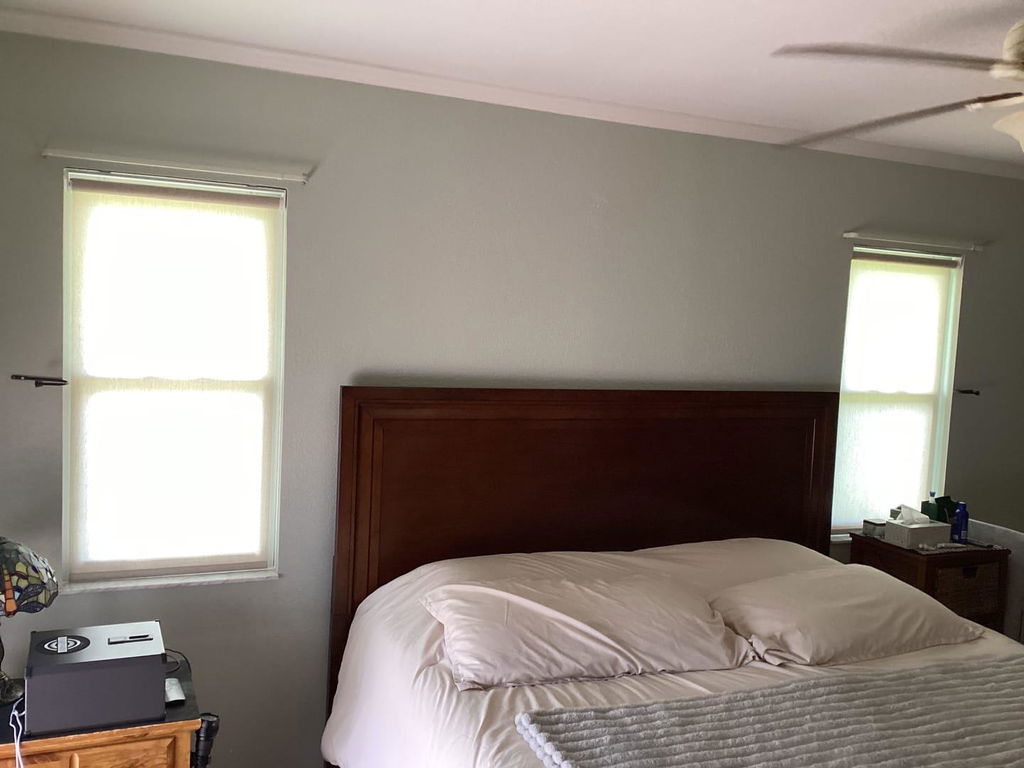
When you pay for custom, you are paying for a technician (or a very careful version of yourself) to measure to the 1/8th inch. This precision is what gives you that high-end, built-in look. It allows you to hang shades inside mount even when the house is settling and the frames are wonky. This level of detail is a huge part of the average window treatment cost. You are eliminating the 'halo effect' of light leaking in around the edges, which is essential for bedrooms or media rooms where light control is the whole point.
How much do window shades cost when they are custom? Usually two to three times the price of a stocked item. But the difference in how they look is the difference between a tailored suit and a poncho. One fits your home’s specific 'body' perfectly, while the other just covers it up. If you have deep windows, custom sizing allows the shade to sit flush with the trim, creating a clean, architectural line that makes the whole room feel more expensive than it actually was.
The Fabric and Hardware Upgrades That Inflate the Bill
Not all fabrics are created equal. A basic 100% polyester light-filtering shade is the baseline for how much are window treatments. It’s durable and gets the job done. But the moment you move into premium textured linens, high-weight velvets, or hand-woven grasses, the cost of window shades jumps. For example, a 300 gsm linen blend has a weight and 'hand' that polyester simply cannot replicate. It drapes differently and filters light into a soft, golden glow rather than a harsh, flat white.
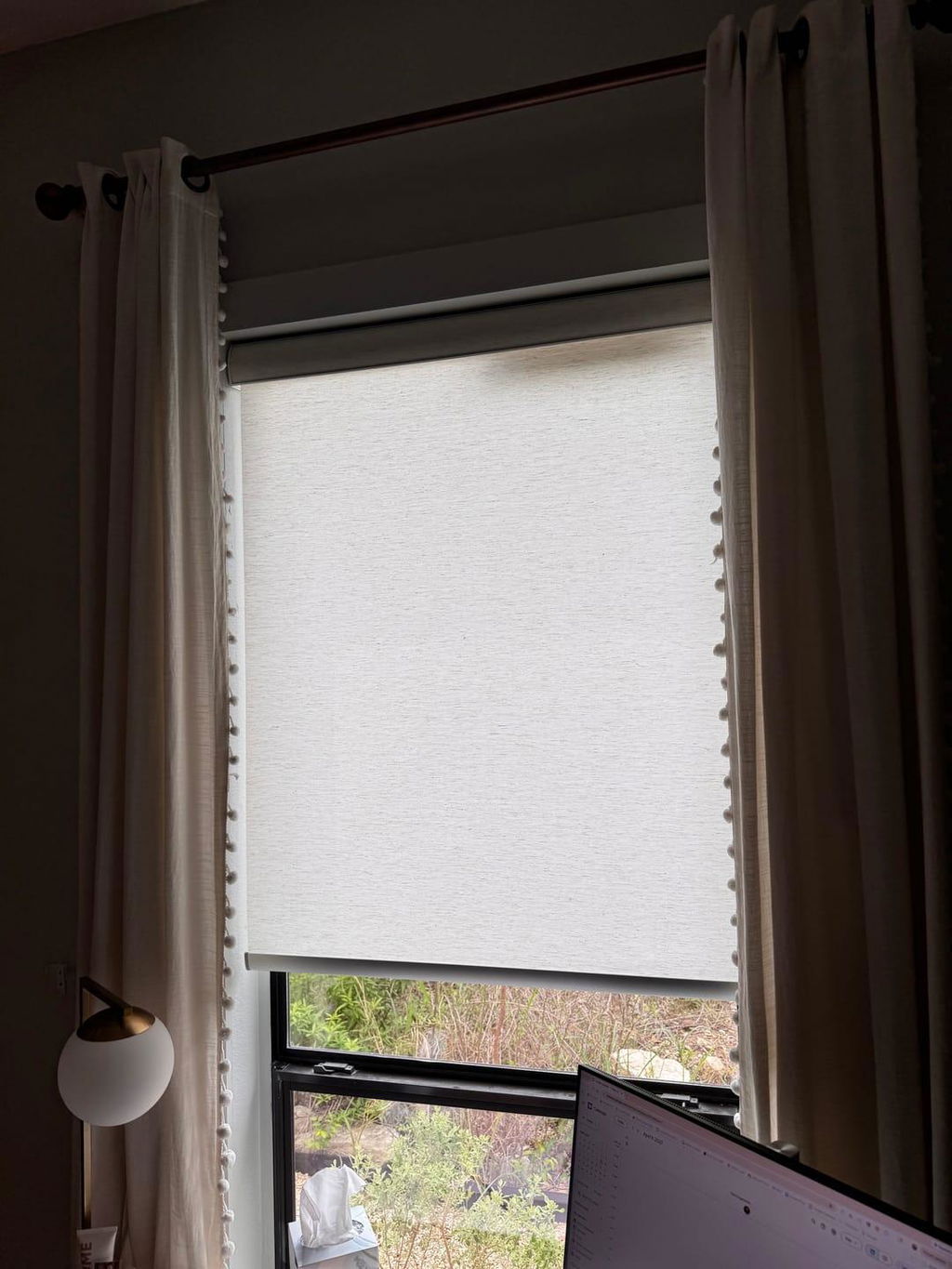
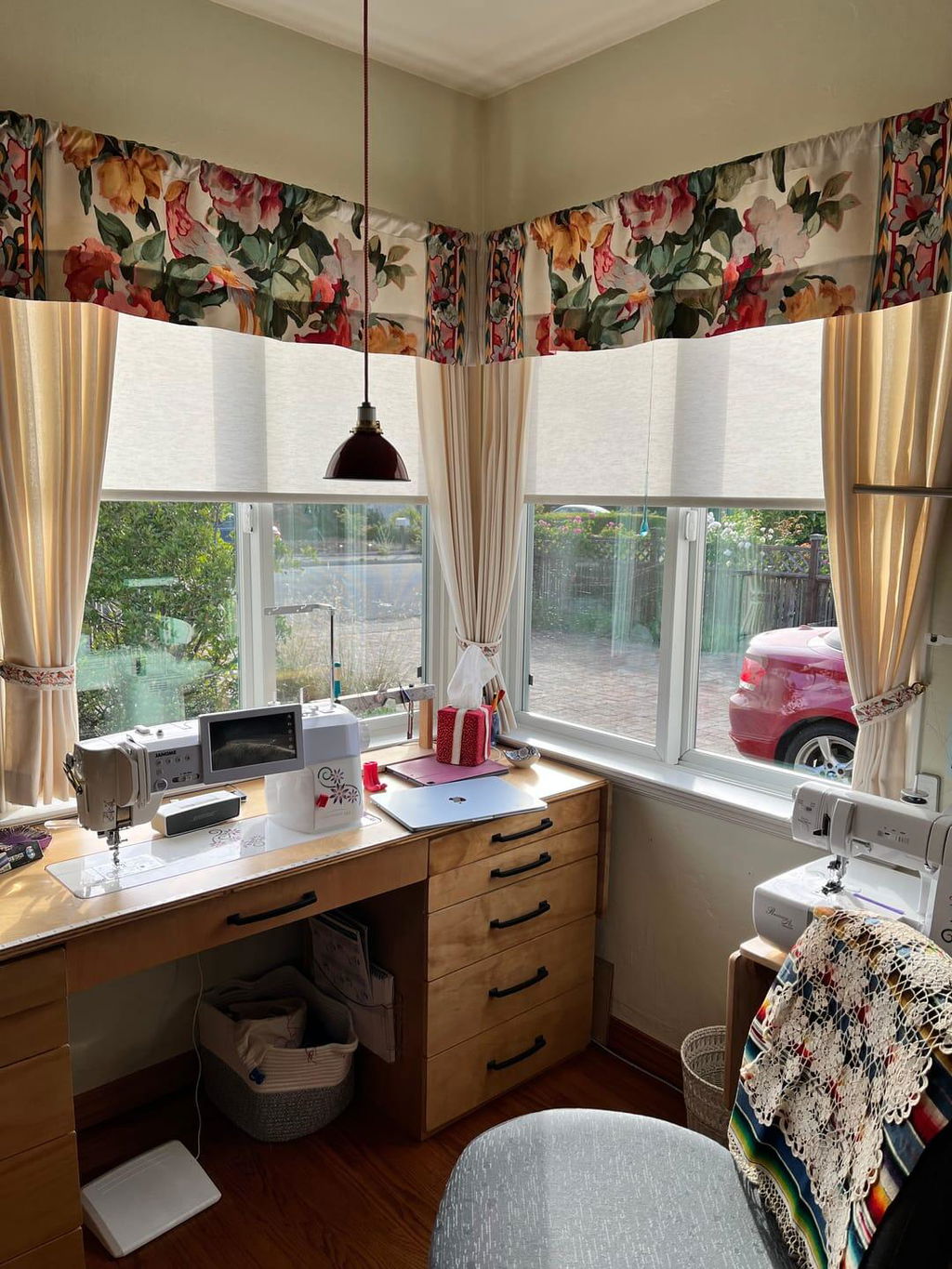
Then there is the hardware. A standard exposed roller is the most affordable way to go, but many people prefer a cassette or a metal fascia to hide the roll. These upgrades, along with cordless mechanisms for child safety, add to the window treatment prices. If you browse a collection of roller shades, you will see options ranging from basic vinyl to designer fabrics with silver-backed solar coatings. These coatings reflect heat and can actually lower your energy bills, which is a factor to consider when calculating the long-term cost of window treatments.
Think about the touchpoints. A metal bead chain feels substantial and 'clicky' in a way that plastic never will. A slow-rise cordless system that glides up with a gentle tug feels like luxury. These are the small details that drive up the window shade price but also make your home feel finished. I always tell clients to spend the extra money on the fabrics they will touch and see every day in the living room, and save the basic vinyl for the laundry room or the walk-in closet.
Is Motorization Actually Worth the Price Jump?
How much are window treatments once you add motors? This is the question that usually makes people gasp. You can expect to add anywhere from $150 to $500 per window for motorization. It sounds like a lot—and it is—but for certain windows, it is non-negotiable. If you have a window behind a bathtub, a skylight, or a double-height foyer window, you are never going to manually adjust that shade. It will stay closed forever, or you’ll be climbing a ladder every morning like a Victorian chimney sweep.
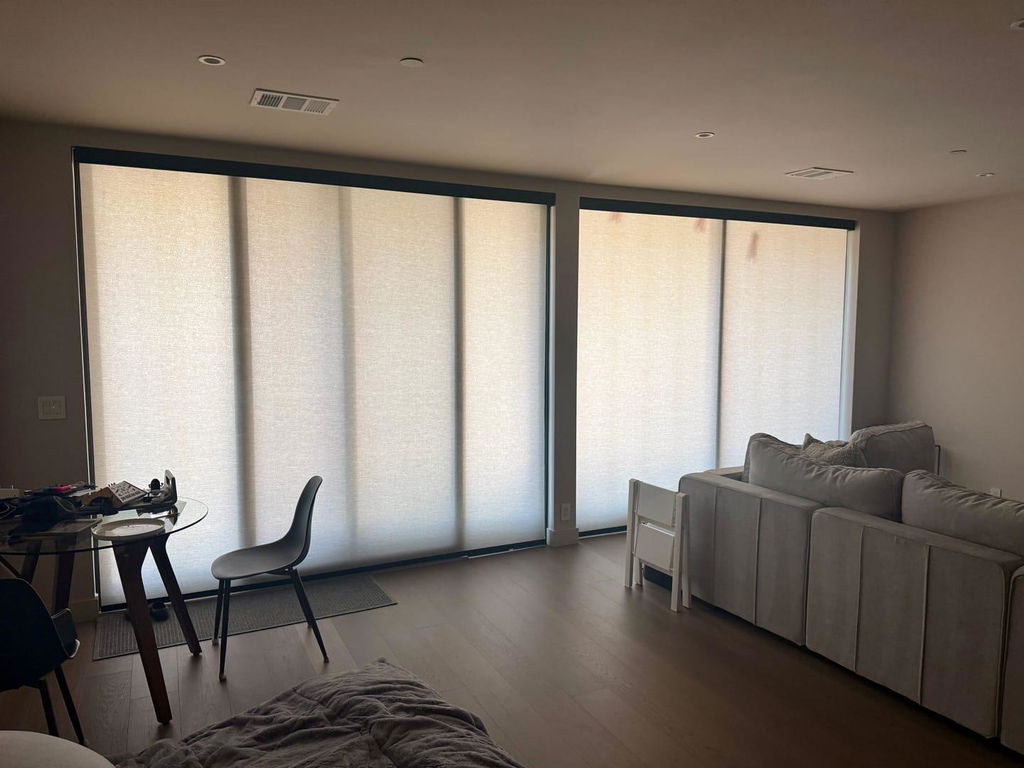
Modern systems have moved beyond clunky remotes. We are talking about battery-powered motors that only need a charge once a year or hardwired systems that integrate with your phone. If you are looking for the ultimate setup, motorized dual roller shades are the gold standard. They allow you to have a sheer layer for the day and a blackout layer for the night, all controlled with a tap on your smartphone. When you're lying in bed on a Sunday morning and can block the sun without moving a muscle, you stop wondering how much do shades cost and start wondering how you ever lived without them.
The value isn't just in the 'cool' factor. Motorization extends the life of your shades. Most damage to window coverings happens because people pull them too hard, tug them at an angle, or let the cord snap back. Motors provide a perfectly consistent, gentle tension every time the shade moves. This prevents the fabric from fraying and the internal springs from failing, which can actually save you money on replacements over a ten-year period.
The Hidden Cost of Installation (And DIY Disasters)
You’ve finally picked the fabric and accepted the window shade price. Now, who is going to put them up? Professional installation usually costs between $50 and $100 per window. It’s tempting to skip this to save on the window covering cost, but DIY can be a minefield. I learned this the hard way. I once spent a Saturday learning how to install window roller shades in my first apartment. I didn't use the right anchors for my plaster walls, and three days later, the entire assembly came crashing down, taking a chunk of the ceiling with it.
If you are handy and have a solid impact driver and a level, you can certainly save money here. There are great resources on how to install your shades that can walk you through the process step-by-step. But you have to be honest with yourself about your architecture. If you are dealing with concrete headers, high ceilings, or metal studs, the 'free' DIY installation might end up costing you hundreds in drywall repair and replacement hardware. A pro installer also carries the liability; if they mis-measure or break a bracket, they fix it on their dime.
When calculating how much are shades for windows, don't forget the 'frustration tax.' If you have twenty windows to do, that is a lot of time on a ladder. Professional installers can knock out a whole house in a few hours, ensuring every single shade is perfectly level and the tension is set correctly. For many, that speed and accuracy are worth the extra 10% on the total bill.
My Formula for Budgeting a Whole House
So, how do you handle the average cost of roller shades per window without going broke? You use the 'High-Low' strategy. Designers rarely outfit an entire 3,000-square-foot home with the most expensive custom silk Romans. Instead, we prioritize. In the primary bedroom and the living room—the places where you spend 90% of your time—go for the custom fit, the premium linen, and the motorization. These are the rooms where light control and aesthetics matter most.
In the guest rooms, the home office, or the kids' playroom, look for ways to lower the shades cost. You can often find high-quality standard sizes that 'almost' fit and use an outside mount to hide the gaps. Or, choose a simpler fabric in the same color family as your premium shades to keep the look cohesive throughout the house. By mixing your investments, you can bring down the average cost of window treatments to a number that is much easier to stomach. Window treatments are an investment in how your home feels and functions every single day. Don't let the initial price tag scare you off from getting the quality your space deserves.
Frequently Asked Questions
How much do window treatments cost on average per window?
For a standard-sized window, you can expect to pay anywhere from $150 for a high-quality DIY custom shade to over $1,000 for a motorized, designer-fabric Roman shade. The average for a mid-range, custom-sized roller shade is typically between $250 and $450.
Why are custom shades so much more expensive than store-bought?
Custom shades are built to your exact specifications, often down to the 1/8th inch. This requires individual assembly rather than mass production. You are also paying for higher-grade internal components, UV-resistant fabrics, and specialized mounting hardware that you won't find in a boxed product.
Is it cheaper to do blinds or curtains?
Generally, basic blinds or roller shades are more cost-effective than custom drapery. Curtains require significantly more fabric (often 2.5 times the width of the window for proper fullness) plus the cost of rods, rings, and professional hemming. However, high-end motorized shades can sometimes exceed the cost of simple curtain panels.
How much does shades cost for a whole house?
For a typical 3-bedroom home with 10 to 15 windows, a full set of custom window treatments usually ranges from $3,500 to $8,000 depending on the materials and features like motorization. You can lower this by using standard sizes in secondary rooms.