Why Your Window Shade Covering Never Looks Like the Inspiration Photos
I remember the first time I tried to DIY a 'minimalist' bedroom. I ordered a basic window shade covering, snapped it into the brackets, and stood back, expecting a sleek architectural statement. Instead, it looked like a sheet of white construction paper taped to the glass. It was flat, the plastic chain felt flimsy, and the light bleed at the edges made the whole room look like a cheap motel at noon.
Quick Takeaways
- Hardware is 70% of the look; never leave a raw plastic clutch exposed.
- Reverse rolls create a cleaner profile by hiding the fabric roll.
- Opacity isn't just about light—it's about how the fabric texture reads at night.
- Layering a sheer with a blackout is the only way to get true versatility.
The Disconnect Between Inspiration and Reality
When you browse images of window shades on Instagram, you are looking at a highly curated environment. Those pictures of window shades usually feature custom-built recessed pockets where the hardware is literally buried in the ceiling. In a standard home, we don't have that luxury. We are dealing with residential window treatments that sit on the face of the trim or inside a shallow frame.
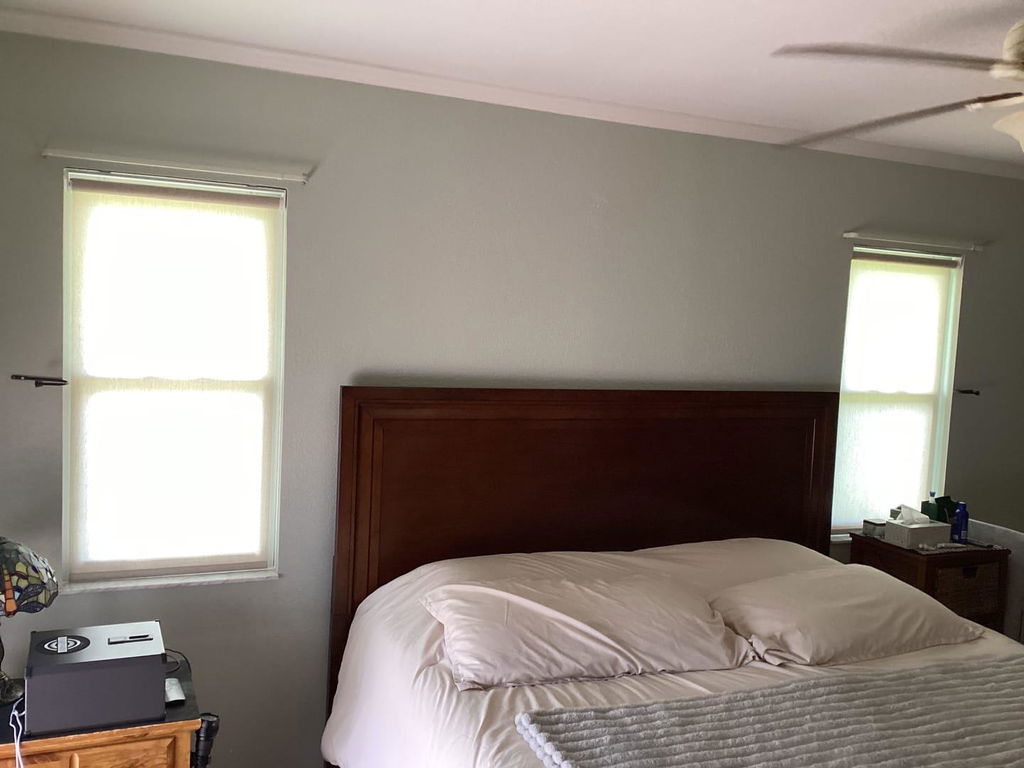
The secret to those window shade images isn't just the shade itself—it's the styling. Pro photographers use 'V-flat' boards to bounce light and steam the fabric until it’s stiff and perfect. Most off-the-shelf window shade pictures also hide the light gaps. In reality, a standard shade has a 3/4-inch 'light gap' on the side with the pull cord. To fix this, you need to stop thinking about the shade as a flat object and start thinking about the depth of the window casing.
Hardware Hiding: The Ultimate Designer Secret
If you want cool window shades, you have to hide the mechanics. Nothing ruins a room faster than a bulky, yellowing plastic bracket. I always specify a 'reverse roll.' This means the fabric rolls off the front of the tube rather than the back, hiding the roll itself and keeping the fabric closer to the room's interior. It creates a much cleaner, more architectural line.
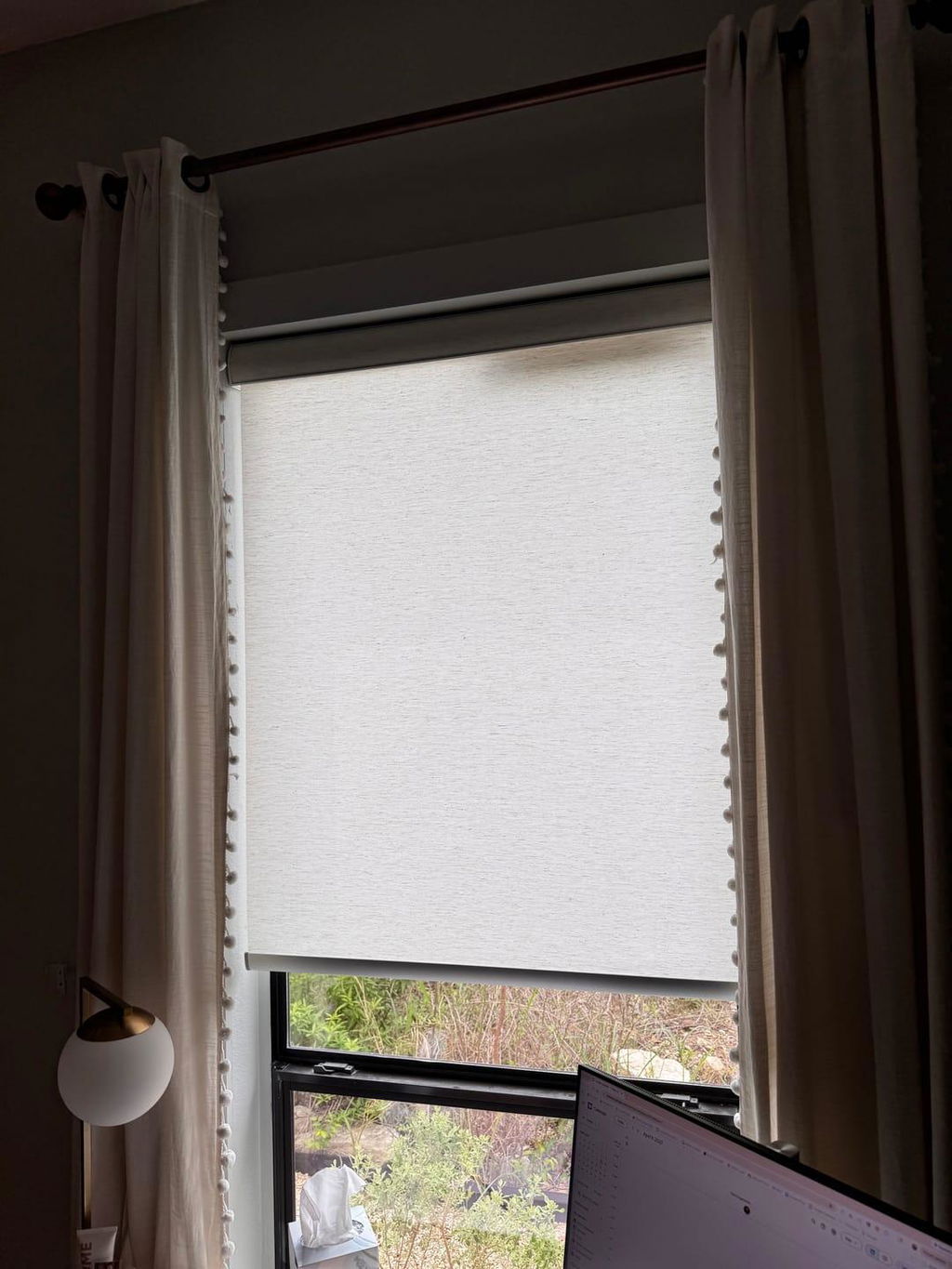
For those looking for sleek roller shades, look for metal fascias or fabric-wrapped cassettes. These covers snap over the top of the roller and instantly make the treatment look like part of the wall. If you’re stuck with a manual pull, swap the plastic beads for a stainless steel or matte black metal chain. It’s a $15 upgrade that makes the shade feel heavy and intentional rather than an afterthought.
Why Opacity Dictates the Entire Vibe
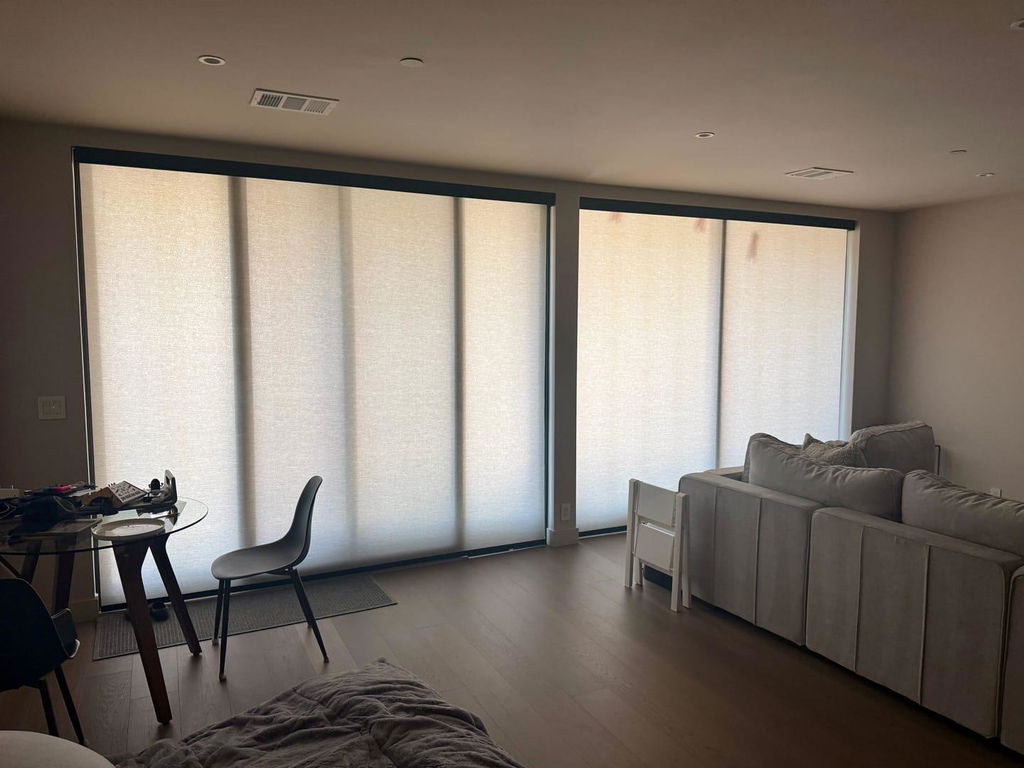
Choosing a shade over window openings often comes down to a binary choice: can people see me, or can they not? But opacity is a sliding scale. A 1% openness solar shade might look great in window shade photos during a bright afternoon, but at 8 PM, it turns into a black, reflective void that makes your living room feel like a fishbowl.
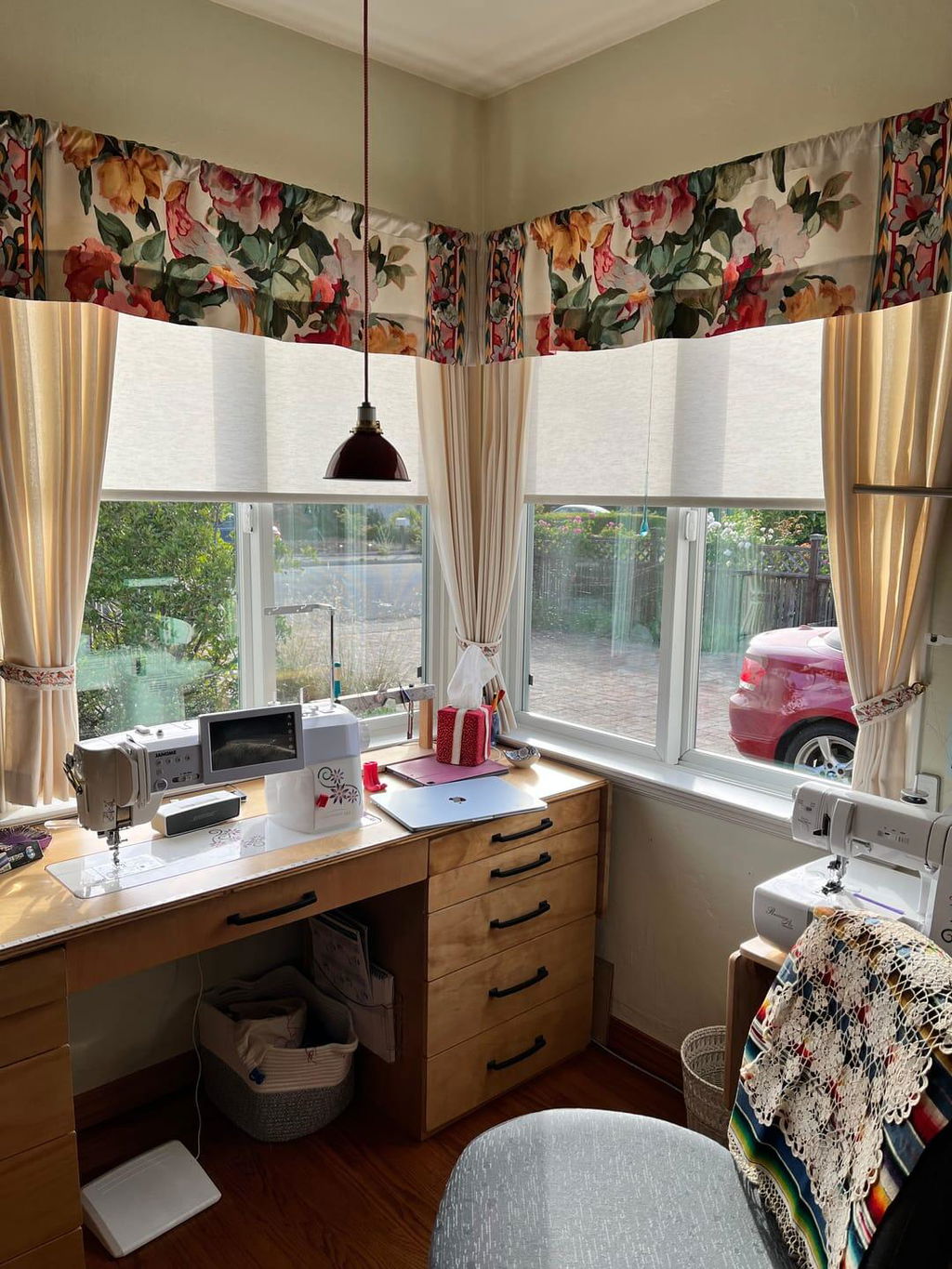
I prefer using day night shades to solve this. These allow you to have a 'filtering' layer that lets in that soft, 2:00 PM glow without the glare on your TV, while also having a secondary privacy layer. If you choose a fabric that is too thin, you’ll see the ugly silhouette of the window muntins through the material. If it’s too thick and cheap, it will look like vinyl siding. Aim for a fabric with a visible weave—think 300 gsm weight—to give it some soul.
Stop Compromising: Layering for Function and Form
We all want pretty window blinds, but we also want to sleep past 6:00 AM. The mistake is trying to make one single shade do both jobs. When you try to find a 'pretty' blackout shade, you often end up with a stiff, rubberized fabric that looks terrible when the sun hits it from behind. It glows in a weird, sickly way at the edges.
The modern solution is custom double roller blinds. This setup uses a single bracket that holds two separate rollers. You put the beautiful, textured linen-look shade on the front for the 'vibe' and a heavy-duty blackout shade behind it for the function. Motorizing these is the ultimate luxury; there is nothing quite like hitting a button from bed and watching the light slowly filter through a high-quality sheer.
Fixing the Treatments You Already Own
Before you shell out for cool shades for windows, try a few styling tricks on your current ones. If your shade is rolling crooked (telescoping), it’s likely because the bracket isn't level. A tiny piece of masking tape on the side of the roller tube can actually re-balance the fabric. It sounds low-tech, but it works every time.
I've spent a lot of time repairing window shades instead of tossing them, and usually, the issue is tension. If your cordless shade won't stay up, the internal spring just needs a few more rotations. If the fabric is wrinkled, don't use a heavy iron; use a handheld steamer on the lowest setting while the shade is fully extended. It relaxes the fibers and makes even a budget shade hang with a bit more weight and grace.
My Biggest Mistake
I once ordered custom Roman shades for a client's sunroom and forgot to account for the 'stack.' When the shades were up, they covered 12 inches of the glass, blocking the view we were trying to highlight. I had to pay to have them re-made with a higher mount above the trim. Always measure the 'stack height'—the amount of space the shade takes up when it's fully open—or you'll lose your best light.
FAQ
What is the best color for window shades?
Avoid pure stark white; it often looks like plastic. Go for an 'off-white' or 'oatmeal' with a slight grey undertone. It will look more like natural fabric and won't glow as harshly when the sun hits it.
Should I mount my shades inside or outside the frame?
Inside mount is cleaner and shows off your window trim. Outside mount is better for blocking 100% of the light (blackout) and making small windows look much larger than they actually are.
Are motorized shades worth the extra money?
Yes, especially for hard-to-reach windows or heavy fabrics. It eliminates the need for messy cords and ensures the shade is always perfectly level, which preserves the life of the motor and the fabric.