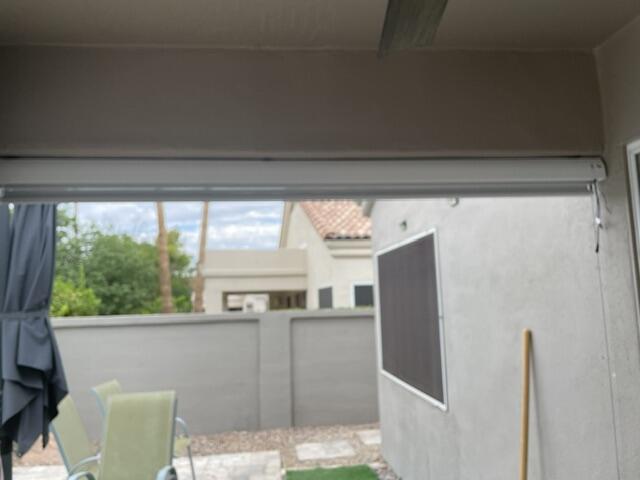
I Saved $400 by Repairing Window Shades Instead of Tossing Them
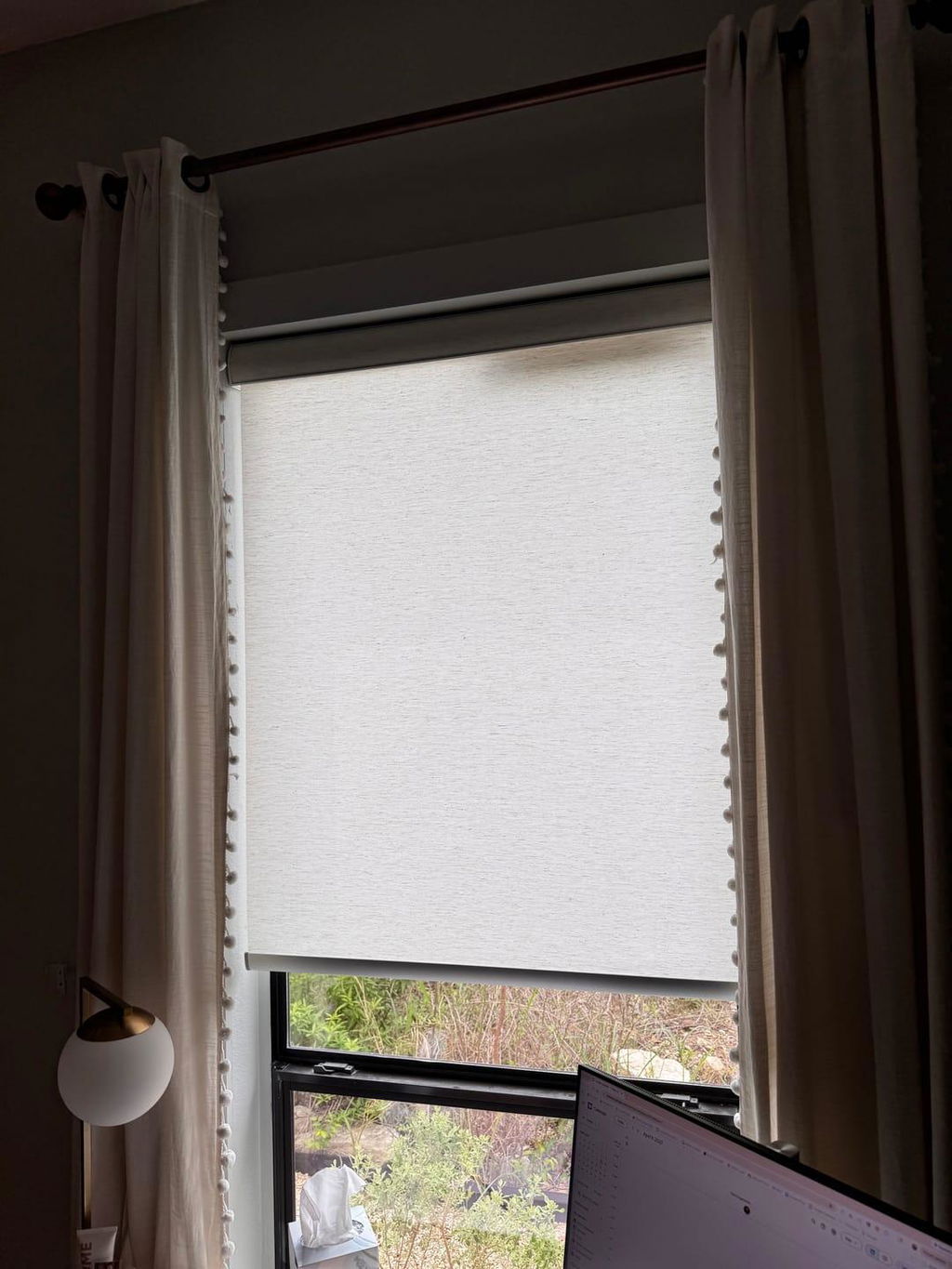
I remember staring at my favorite charcoal grey linen roller shade last March. It was stuck half-mast, mocking me while the afternoon sun glared off my laptop screen. My first instinct was pure frustration—I was ready to rip the hardware out of the drywall and drop $400 on a new custom replacement. But after a cup of coffee and a deep breath, I realized how wasteful that felt. Custom window treatments shouldn't be disposable.
The truth is, repairing window shades is usually a ten-minute job that requires zero power tools. Most of the time, the mechanism isn't actually broken; it’s just tired or misaligned. Before you consign your expensive window coverings to the landfill, let’s talk about how to actually fix them.
Quick Takeaways
- Most 'broken' shades are actually just suffering from simple tension loss.
- Beaded chain clutches are modular and can be replaced for under $20.
- Frayed fabric edges can be trimmed and sealed with a fabric shaver or fray-check.
- If the internal motor on a high-end shade fails, that is the time to call a pro.
Why I Finally Stopped Throwing Away 'Broken' Treatments
For years, I treated window hardware like fast fashion. If a cord snapped or a roller lost its spring, I assumed the internal gears were stripped and headed straight for a retail site. It was an expensive habit. Custom shades—especially those with 300 gsm blackout linings or high-end weave textures—are built to last, but the moving parts eventually need a tune-up. Learning basic window shade repairs isn't just about saving money; it's about maintaining the quality of the pieces you already love.
When you invest in window blinds repair instead of a full replacement, you keep high-quality materials in your home. I’ve seen people toss perfectly good 96-inch linen shades because of a $5 plastic clutch. It’s the equivalent of buying a new car because you have a flat tire. Once you understand the anatomy of a shade, the mystery disappears.
The 3 Most Common Culprits (And How to Fix Them)
Most issues boil down to three things: tension, hardware failure, or fabric fatigue. We often cause these problems ourselves by being too aggressive during the morning rush. Learning how to roll up a window shade without breaking it is the best preventative medicine, but if the damage is already done, don't panic. You don't always need a window blinds repair service to handle a shade that won't stay put.
The Dreaded Wonky Roll: Fixing Tension Issues
If your cordless shade won't retract or hangs lower on one side, the internal spring has likely lost its 'memory.' This is the most common reason people seek out shade repair. To fix a window shade with no tension, pull it down about halfway. Take it out of the brackets, and manually roll the fabric back up onto the tube by hand. Re-insert it into the brackets and try again. You’re essentially 're-winding' the spring. If it's too tight and snaps up violently, do the opposite: take it down while rolled up, unroll it halfway by hand, and put it back. It’s a game of balance that takes two minutes but saves a fortune.
Swapping Out Snapped Chains and Busted Clutches
For shades with beaded chains, the clutch is the circular hub the chain loops through. These are usually made of plastic and can crack after years of use. If your chain is stuck or making a grinding noise, you’re looking at a standard blind and shade repair. You can pop the clutch out of the end of the metal roller tube with a flathead screwdriver. Match the size (usually 1-inch or 1.5-inch) and buy a replacement online. It slides right back in. I once did this for a set of three shades in a sunroom and saved nearly $600 compared to the quote I got from a local shade repair service.
Rescuing Frayed Edges and Creased Fabric
Sometimes the 'break' is purely aesthetic. I’ve had cat claws snag a beautiful 2-in-1 shade, leaving it looking ragged. For frayed edges, I use a high-quality fabric shaver and a tiny bit of clear fray-check liquid along the vertical seam. If you have a 2 in 1 shade, you can often hide minor fabric imperfections on the back layer while keeping the front-facing side pristine. For deep creases, a handheld steamer is your best friend—just don't get too close to the adhesive strips that hold the fabric to the roller tube, or you'll have a much bigger window covering repair on your hands.
When to Call a Pro vs. Doing It Yourself
I’m all for DIY, but I know my limits. If you are dealing with hardwired motorized systems or complex honeycomb structures where the internal strings have snapped and tangled into a bird's nest, it might be time to look for all your shade solutions through a professional. Trying to re-string a top-down bottom-up cellular shade is a special kind of hell that I wouldn't wish on my worst enemy. If the fix window shade project involves soldering wires or specialized proprietary tools, call the manufacturer.
Is Upgrading Actually Cheaper Than Fixing?
There comes a point where a shade is truly terminal. If the fabric is sun-rotted—meaning it literally crumbles when you touch it—no amount of shade repair will save it. In those cases, I stop pouring money into a sinking ship. If you find yourself doing a window treatment repair every other month, it’s a sign the hardware has reached the end of its life cycle. Upgrading to something like custom double roller blinds can be a better long-term investment. Modern cordless systems are much more durable than the spring-loaded rollers of ten years ago, and the peace of mind is worth the price tag.
FAQ
Can I fix a shade that has been pulled out of the roller?
Yes. Most fabrics are attached with a strong adhesive strip or tucked into a small groove. Clean the roller tube with rubbing alcohol, apply a high-strength double-sided mounting tape, and carefully realign the fabric. Make sure it is perfectly square, or it will telescope to the side when you roll it up.
Why does my shade roll up crooked?
This is usually because the shade isn't level in the brackets. Even a 1/8th inch difference can cause 'telescoping.' Check your brackets with a level first. If they are level, place a small piece of masking tape on the roller tube on the side opposite of the direction the fabric is drifting. This acts as a shim to even out the roll.
Where do I find replacement parts for old shades?
Most 'universal' parts are available through specialty hardware sites. You just need to measure the diameter of your roller tube. Most residential shades use a 1-inch, 1.25-inch, or 1.5-inch tube. Once you know that, finding a new clutch or end-plug is easy.