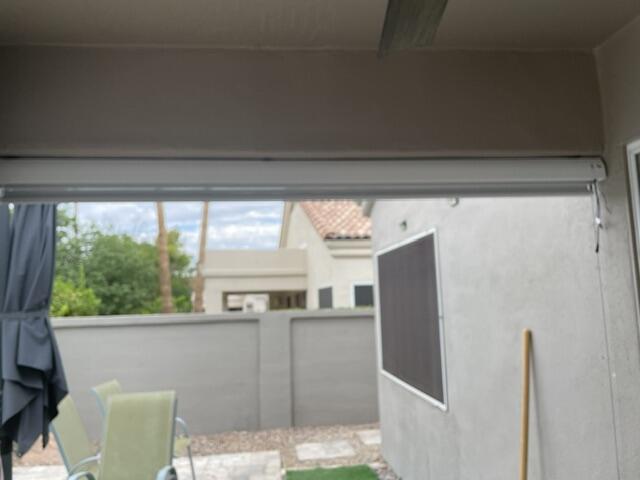
Stop Yanking the Hem: How to Roll Up a Window Shade Without Breaking It
I remember a photoshoot in a Brooklyn brownstone where a heavy-duty blackout shade decided to live its best life by retracting so fast it actually dented the crown molding. The sound was like a gunshot, and the client’s face went pale. If you have ever felt that mid-renovation panic when a mechanical fixture refuses to cooperate, you know that how to roll up a window shade is less about muscle and more about finesse. I have spent years wrestling with fussy window treatments, and I can tell you that the secret lies in understanding the physics of the tube, not the strength of your grip.
Quick Takeaways
- Always pull from the center of the hem bar to avoid 'telescoping' or uneven rolling.
- For cordless shades, use a 45-degree downward tug to release the internal locking pawl.
- Continuous cord loops should always be pulled straight down, never at an angle toward the room.
- If the shade drifts to one side, a small piece of masking tape on the roller tube can rebalance the fabric.
The 'Snap and Roll' Panic (Why Your Shades Keep Getting Stuck)
Most standard Roller Shades utilize a pin-and-pawl system. It is a simple, gravity-fed ratchet inside the metal or PVC tube. When you pull the shade down, you are winding a large internal spring. The 'click' you hear is the pawl falling into a notch to hold that tension. The reason people struggle with roller shades how to roll up is that they try to force the shade upward without first 'unlocking' that ratchet.
On that Brooklyn shoot, the shade snapped because the tension was wound too tight and the pawl didn't catch. If your shade feels like a coiled snake ready to strike, the spring is over-rotated. Understanding the mechanics is the first step to preventing that violent recoil that frays your fabric edges and scares the cat.
The Gentle Tug: The Right Way to Operate Cordless Springs
Cordless is the gold standard for a clean look, but they are the most common victims of user error. To master how to roll up window shades with a cordless spring, you need the '45-degree' rule. Grab the bottom hem bar—usually a weighted aluminum or plastic slat—exactly in the center. Pull it down and slightly toward you at a 45-degree angle. This movement lifts the pawl out of the ratchet notch.
Once you feel the tension release, guide the shade up slowly. Never just let go. If you are wondering how to roll up roller blinds without them becoming a crooked mess, the key is constant, centered pressure. If you pull from the left or right corner, you are essentially asking the fabric to spiral, which eventually leads to a jammed mechanism.
Handling Continuous Cord Loops Without Fraying the Edges
Chain-driven shades feel more industrial and reliable, but they have a hidden enemy: friction. When you are learning how to open roller shades with a beaded chain, the most common mistake is pulling the chain outward toward the center of the room. This creates a diagonal pull that forces the fabric to rub against the metal side brackets.
To properly execute how to pull up roller blinds, keep your hand close to the window frame. Pull the chain vertically, parallel to the glass. This ensures the fabric rolls perfectly onto the tube without the edges hitting the 'clutch' mechanism. This is the professional secret for how to roll up blinds so they stay looking brand new for years rather than fraying into a fuzzy mess within six months.
The Telescoping Fix: When Your Fabric Rolls Off to One Side
Telescoping is that annoying phenomenon where the fabric gathers unevenly on one side of the roll, eventually hitting the bracket and jamming. It usually happens because your window frame isn't perfectly square. Before you panic, check how to install your shades correctly; if your brackets are even slightly unlevel, the fabric will always drift toward the lower side.
If your brackets are level but you still need to know how to pull up roller shades straight, use the masking tape trick. Roll the shade all the way down until you see the bare tube. Place a two-inch strip of masking tape on the side opposite of the drift. This slightly increases the diameter of the tube on that side, pulling the fabric back into alignment. Test it by seeing how to roll up roller shades after the 'shim' is applied—you will be amazed at how a tiny piece of tape solves a massive headache.
Tired of the Spring? When It's Time to Upgrade
Sometimes, the internal tension spring is just shot. I have spent hours with needle-nose pliers trying to re-tension 20-year-old springs, and usually, it is a losing battle. If your shade won't stay up or requires a violent yank just to move an inch, the internal metal has likely fatigued. At this point, you are better off looking at modern alternatives.
I have reached a point in my career where I value convenience over the 'authentic' struggle of manual hardware. I tried to motorize existing roller shades here is what actually worked, and it was a revelation for my high-reach windows. If you want a fresh start, something like the Canisteo Motorized Dual Roller Shades Cordless Custom Double Roller Blinds eliminates the need for the 'tug and pray' method entirely. No more snapped springs, just smooth, quiet operation at the touch of a button.
Frequently Asked Questions
Why does my roller shade snap up so fast?
Your internal spring has too much tension. To fix this, roll the shade up manually by hand (off the brackets), then place it back in the brackets and pull it down. This resets the tension to a more manageable level.
How do I fix a shade that won't stay down?
The 'pawl' (the locking pin) is likely stuck or dusty. Remove the shade and give the pin end a quick blast of canned air or a tiny drop of dry silicone lubricant. Never use WD-40, as it attracts dust and will gunk up the fabric.
Can I roll up a shade if the chain is broken?
You can manually roll the fabric onto the tube by hand, but it won't stay there without the chain's clutch mechanism. If the chain breaks, you usually need to replace the clutch unit, which is a five-minute DIY fix.