Why Your Foldable Window Blinds Stack Like Stiff Accordions
I remember standing in my first 'grown-up' apartment, staring at a set of foldable window blinds I had just spent three hours installing. The late October sun was hitting the slats, but instead of the soft, diffused amber glow I had envisioned, I got a harsh, jagged shadow that looked like a paper fan from a primary school art project. It was stiff, clinical, and felt like I had just sucked the soul out of my living room with a single pull of a cord.
We have all been there—seduced by a low price tag and a 'custom-ish' promise, only to realize that the way a shade looks in a tiny thumbnail is rarely how it behaves when gravity takes over. If your shades look more like a cheap accordion than a tailored design feature, you are likely dealing with a manufacturing shortcut that no amount of steaming can fix.
- Mass-produced shades use chemical stiffeners that prevent a natural drape.
- Glued seams create rigid 'hinges' rather than soft fabric folds.
- Medium-weight linen (around 200-250 gsm) is the gold standard for a relaxed stack.
- Architecture often dictates whether you need a fold or a flat roll.
The 'Accordion Effect' Nobody Warns You About
The 'accordion effect' is that dreaded zig-zagging stack that happens when foldable window blinds refuse to settle into themselves. Instead of a clean, horizontal stack where each fold rests neatly on the one below, the fabric fights the hardware. It kicks out at odd angles, creating a bulky, messy pile at the top of your window frame that blocks your view even when the shade is fully open.
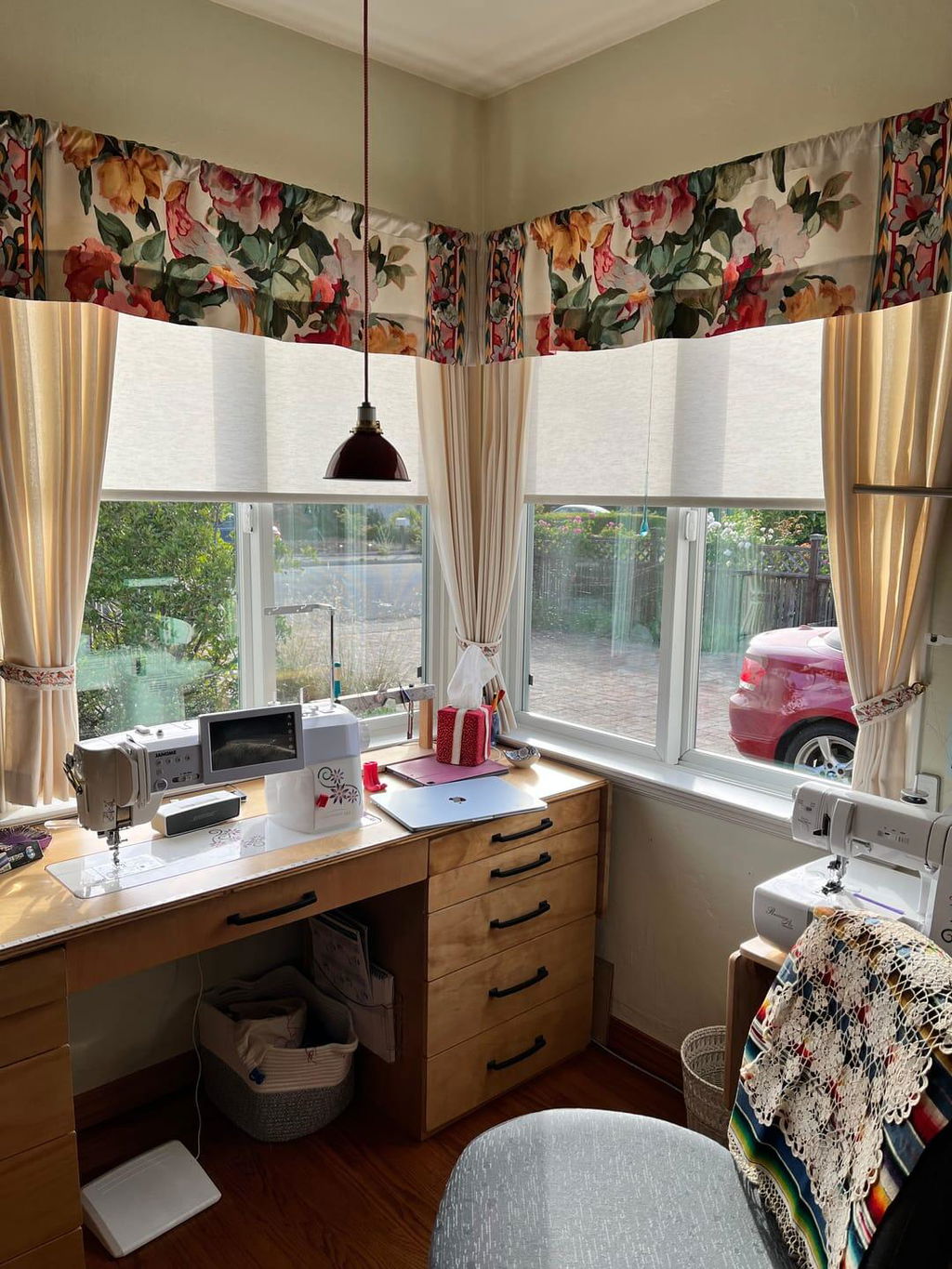
When I’m styling a client’s home, I often suggest switching to window foldable curtains or high-quality Roman shades to avoid this. A real tailored shade uses a structured rib or a weighted bottom bar to pull the fabric down, allowing it to 'smile' or stack flat depending on the style. If your current blinds look like they are made of stiff origami paper, it is because they are likely lacking the internal structure required to move like real textile.
Why Mass-Produced Pleats Always Look So Rigid
The dirty secret of the budget window world is glue. To save on labor costs, many manufacturers use heat-activated adhesives to create the folds in their shades rather than traditional stitching. This creates a hard, plastic-like seam that never loses its memory. It wants to stay in that sharp V-shape forever, which is why your blinds never seem to 'relax' even after months of hanging.
I have learned the hard way that handmade window shades drape better because they rely on thread and tension. A hand-stitched fold allows the fibers of the fabric to shift and breathe. When you pull the cord, the fabric collapses naturally under its own weight. In mass-produced versions, you are basically fighting against a chemical bond that wants the shade to stay exactly as it was packed in the box.
Fabric Weight is Everything (Yes, Really)
I once ordered a set of heavy-duty canvas shades for a sunroom, thinking the thickness would help with insulation. It was a disaster. The fabric was so heavy that the folds warped the header board within three weeks. On the flip side, if the fabric is too light—like a cheap polyester sheer—it lacks the 'heft' to pull the folds straight, leaving you with a limp, wrinkled mess.
The sweet spot is a medium-weight linen or a cotton-poly blend with about 2.5x fullness. You want something that feels substantial in your hand but still has enough movement to be manipulated. If you are going for that designer look, look for fabrics with a 200-300 gsm rating. This weight is heavy enough to hold a crisp fold but light enough to stack tightly without looking like a duvet cover stuffed into your window header.
The Flat Roll Alternative for a Cleaner Look
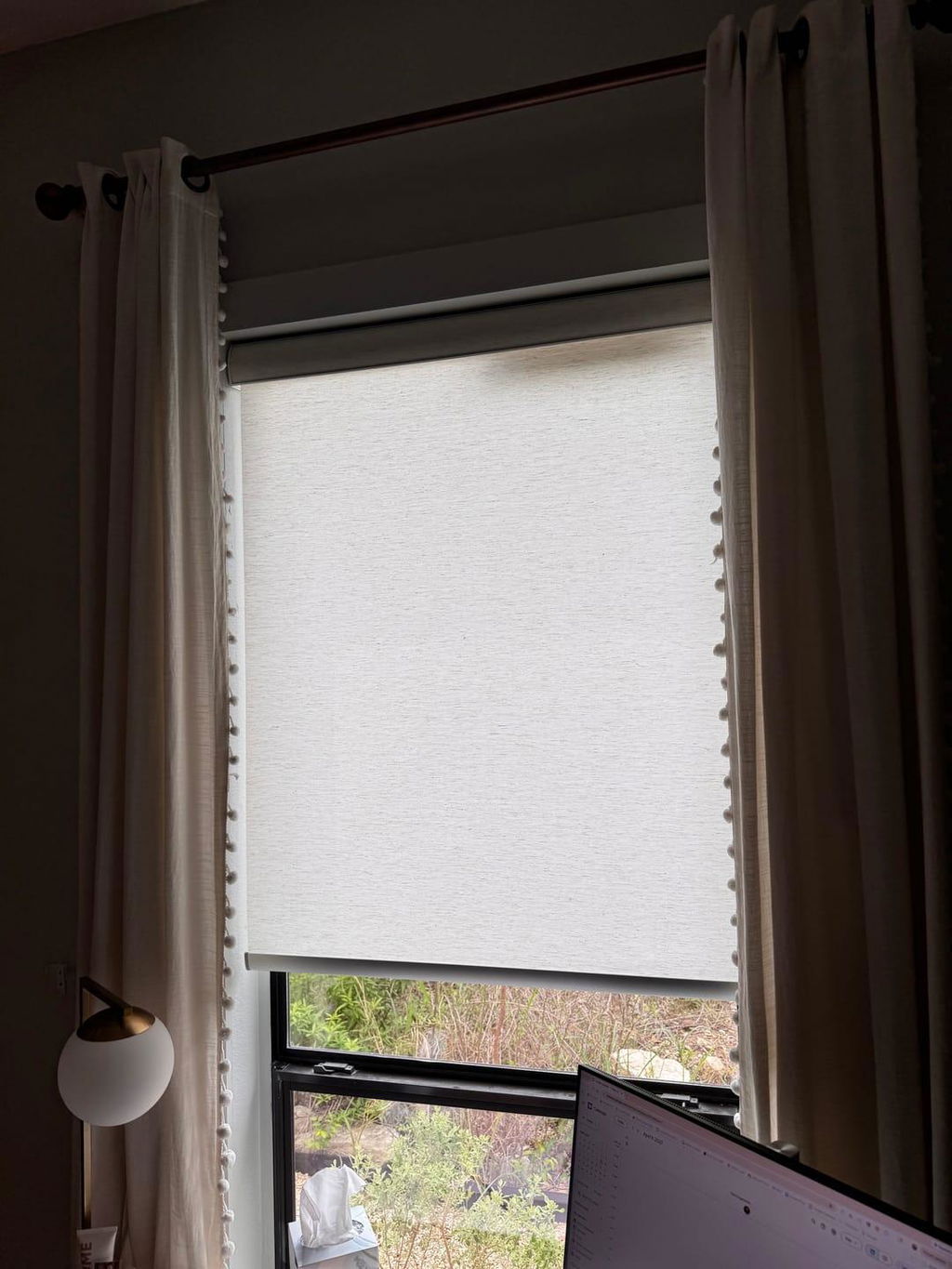
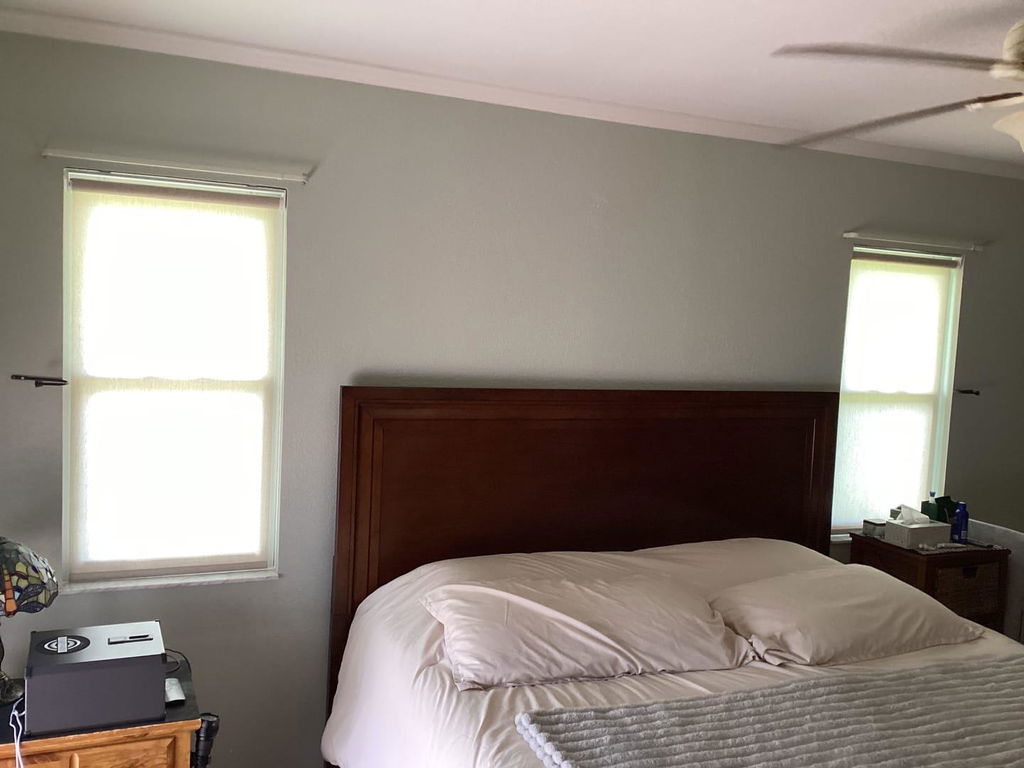
Sometimes, the best folding shade is actually no fold at all. If you have low ceilings or shallow window casings, a bulky stack of fabric can make the room feel claustrophobic. In these cases, I often pivot my clients toward sleek roller shades. They offer the same light control but disappear into a tiny profile when raised, letting the architecture of the window speak for itself.
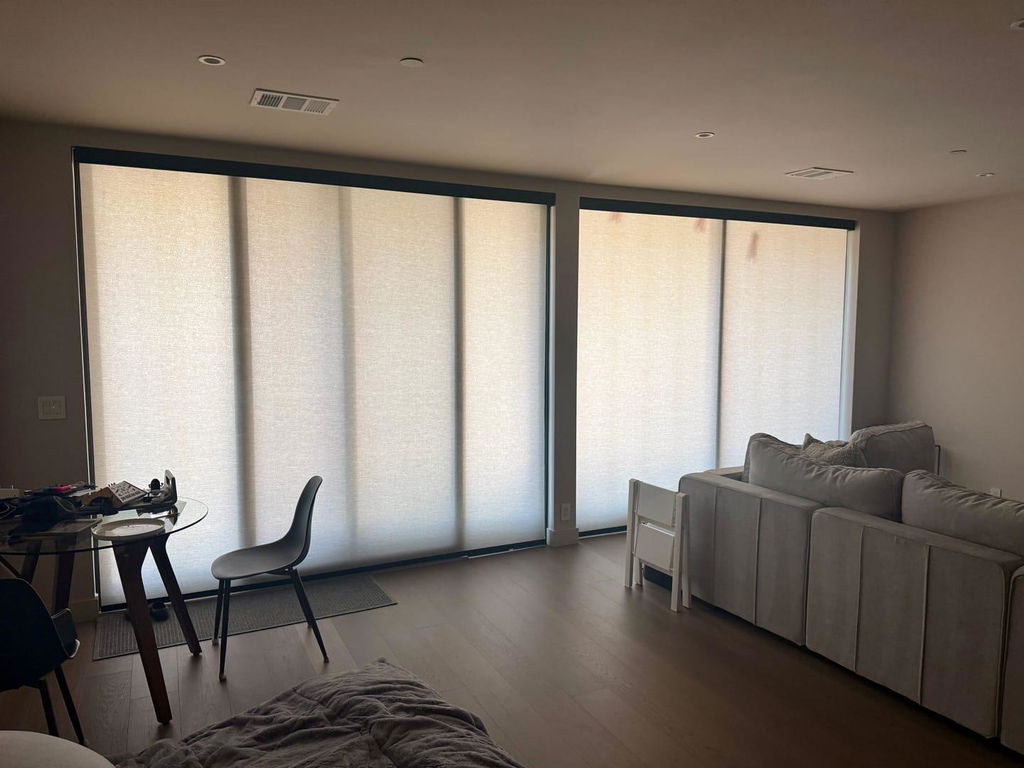
For those who want the convenience of modern tech without the clunky look of old-school cords, motorized dual roller blinds are the move. They provide a incredibly clean finish and eliminate the 'accordion' problem entirely. You get the functionality of a shade that works for you, rather than a fabric treatment you have to constantly 'dress' and straighten every time you open the windows.
Day-to-Night Privacy Without the Bulky Stack
A common mistake I see is people layering two different sets of folding shades—like a sheer Roman behind a blackout Roman. It’s too much bulk. It looks like your window is wearing a winter coat in July. Instead, look for integrated solutions like day night shades. These give you a sheer layer for filtering UV rays during the day and a solid layer for blocking streetlights at night, all within a single, streamlined system.
This approach keeps the 'stack height'—that measurement of how much space the shade takes up when fully raised—to a minimum. If you have a beautiful view, the last thing you want is 10 inches of bulky, folded fabric eating into the top of your window frame. Streamlining the layers ensures that your window treatments provide privacy without becoming a visual distraction.
A Quick Note on Tricky, Non-Standard Windows
Not every window is a standard 36x60 rectangle in a suburban bedroom. I’ve worked on everything from tiny house lofts to converted vans where a traditional folding shade would just flop around and hit you in the head. For mobile or unconventional spaces, you need something that stays flush to the glass. I actually wrote about my own experience when I rolling window shade car setup to solve exactly this problem. When space is a premium, ditch the folds and go for something that rolls.
How do I stop my blinds from flaring out at the bottom?
This is usually a weight issue. Check if your shade has a bottom 'weight bar.' If it doesn't, you can often slide a thin metal rod into the bottom hem to help gravity pull the fabric taut and keep those folds aligned.
Can I steam the 'accordion' look out of cheap blinds?
Only to a point. Steaming helps with transit wrinkles, but it won't change the 'memory' of a heat-pressed or glued seam. If the fabric is chemically stiffened, it will likely return to its rigid shape once it cools.
What is the best way to measure for a clean stack?
Always measure the 'stack height' before you buy. If a shade has a 10-inch stack and you only have 2 inches of trim above your window, that shade is going to block 8 inches of your glass when it is open. Mount the rod higher to keep the glass clear.