I Stopped Buying Glued Blinds: Why Handmade Window Shades Drape Better
I remember staring at my living room window at 4 PM, watching the harsh October sun filter through a pair of 'custom' shades I had ordered from a major retail chain. They didn't hang; they hovered. They were stiff, like architectural cardboard, and the edges flared out as if they were trying to escape the window frame. That was the moment I realized handmade window shades aren't just a luxury—they are a structural necessity if you want your home to feel lived-in rather than staged.
- Hand-stitched hems allow fabric to move and settle naturally with humidity changes.
- Industrial adhesives used in factory blinds create rigid lines that cause 'dog-ear' corners.
- Artisanal shades use higher-quality textiles (like 300 gsm linens) that filter light without looking muddy.
- Bespoke measuring ensures a flush fit that mass-produced 'cut-to-size' options can't match.
The Day I Realized My Blinds Were Literally Glued Together
I eventually got so frustrated with a buckling Roman shade in my dining room that I took a pair of scissors to it. I expected to find delicate stitching or perhaps a hidden support wire. Instead, I found industrial-strength adhesive. The hems were literally fused together with heat and glue. It was a revelation: the reason my shades looked like stiff plastic was that they were constructed like a cardboard box.
This 'no-sew' factory method is the industry standard for mass production because it's fast. But glue doesn't have the flexibility of thread. When the sun hits those glued seams day after day, the adhesive hardens and pulls, which is why your store-bought shades always seem to stick out rigidly from the glass rather than dropping in a clean, vertical line. It’s a structural failure disguised as 'modern' manufacturing.
What Actually Makes Handmade Window Shades Different?
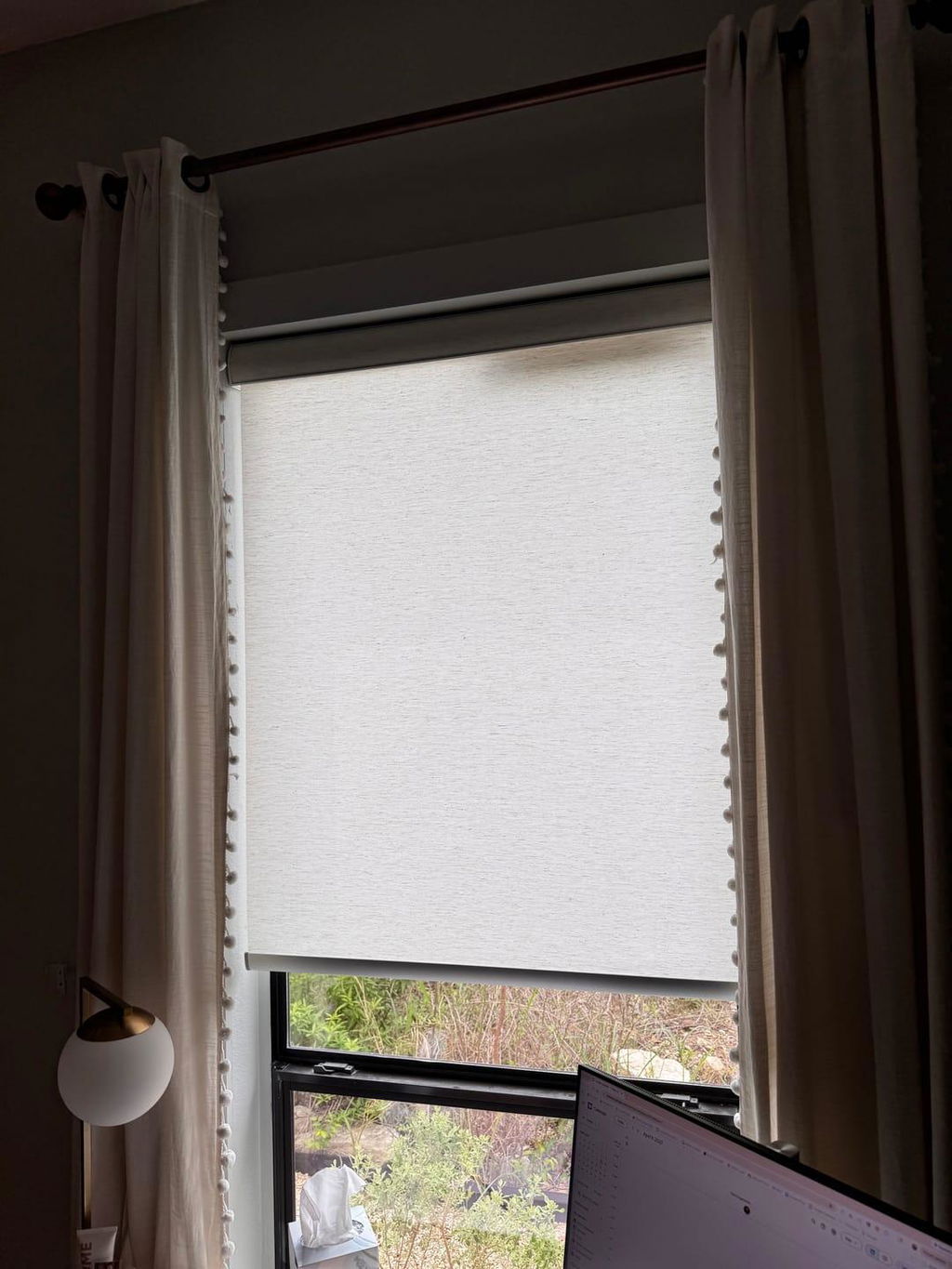
When you invest in handmade window treatments, you are paying for a tailor who understands the bias of the fabric. A machine just pulls a roll of polyester-blend through a needle at high speed, but a human hand feels the tension of the weave. I eventually I Swapped Custom Romans For Fabric Window Shades Roller Styles in my guest suite because I wanted that softer, tailored roll that only comes from precise hand-alignment.
These custom window fashions respect the fabric's natural drape. Artisans use 'swing stitches' and loose-tension hems that allow the face fabric and the lining to move independently. This prevents that dreaded puckering that happens when two different materials are fused together. The result is a shade that looks like it’s floating, not fighting the wall.
The Hidden Magic of Hand-Sewn Hems
A machine-pressed hem is essentially a permanent, crushed crease. If it's slightly crooked from the factory, you're stuck with it forever. A hand-stitched blind, however, has 'give.' The thread allows the fibers to relax over the first few weeks of hanging. This is why a bespoke shade eventually finds its perfect 'drop,' hanging perfectly level even if your window frame is a few millimeters off.
Why Mass-Produced Fabrics Can't Fake the 'Custom' Look
Most factory-made shades use heavy synthetic blends because natural fibers are too 'unpredictable' for robots. Machines want 100% polyester that won't shrink or stretch during the glue-curing process. But those fabrics often look flat and lifeless when the light hits them. When you move into the realm of authentic custom window wear, you get to play with how light actually enters the room.
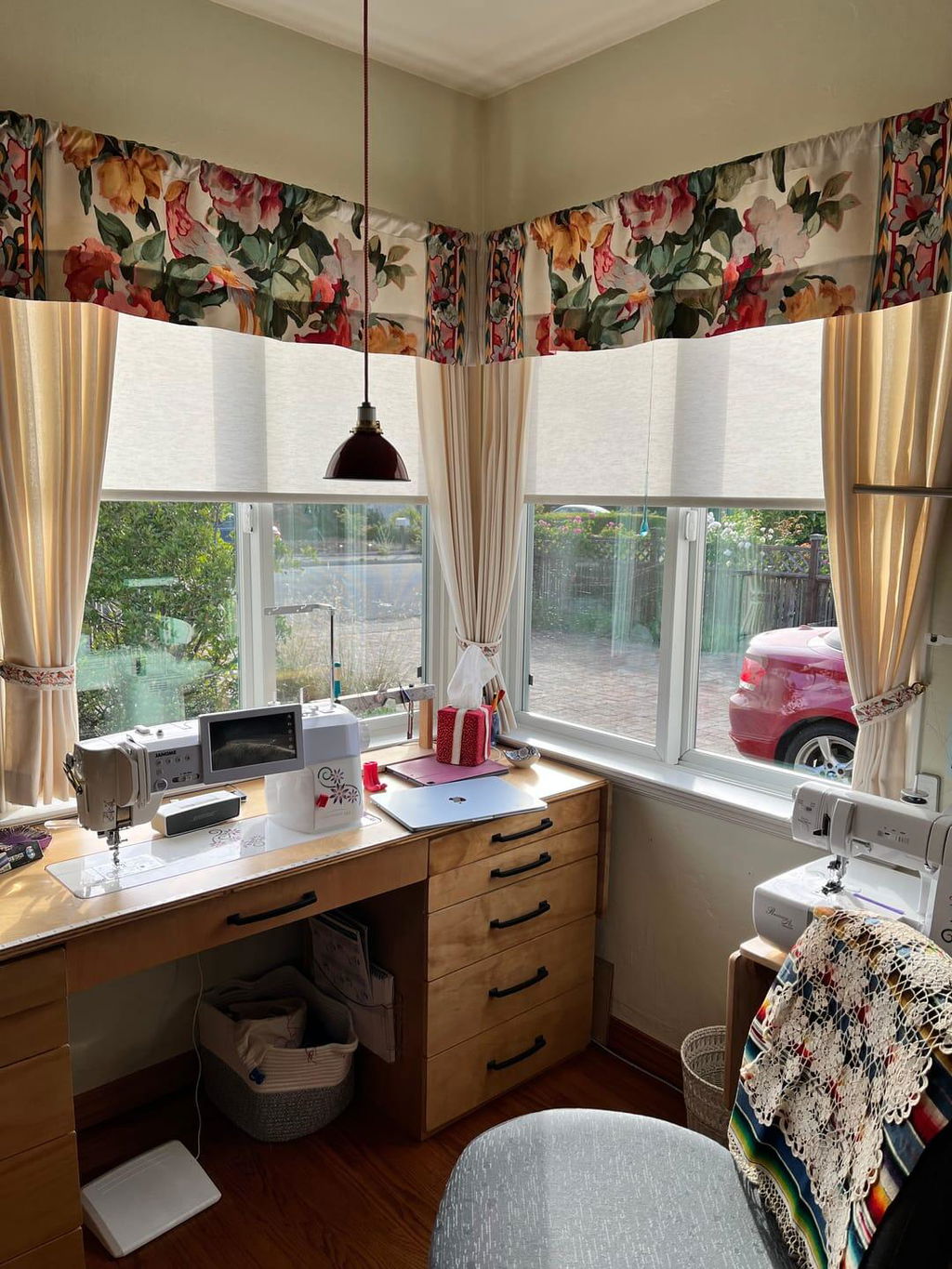
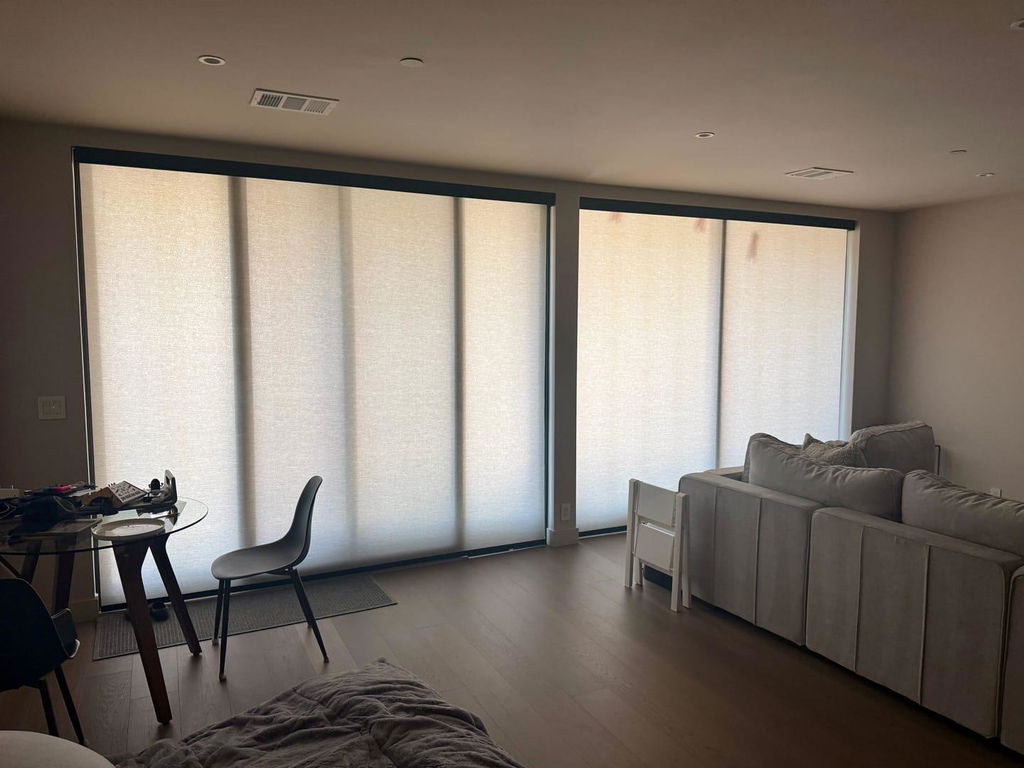
I love using specialized systems like Day Night Shades to achieve a dynamic light-filtering effect. Instead of a single layer of stiff grey polyester, you can use high-quality linens or silk-wool blends that turn a harsh 2 PM glare into a soft, amber glow. Authentic textiles have a depth of weave that synthetics just can't mimic; you can see the individual threads and the slight, beautiful variations in the yarn.
Do You Have to Buy Handmade for Every Single Window?
Let’s be real: bespoke tailoring isn't cheap. I don't put artisanal shades in my laundry room or the basement. That’s where the budget-friendly, functional stuff goes. Save your investment for the 'soul' of the house—the living room, the dining room, and the primary bedroom. These are the spaces where you actually sit and look at the walls.
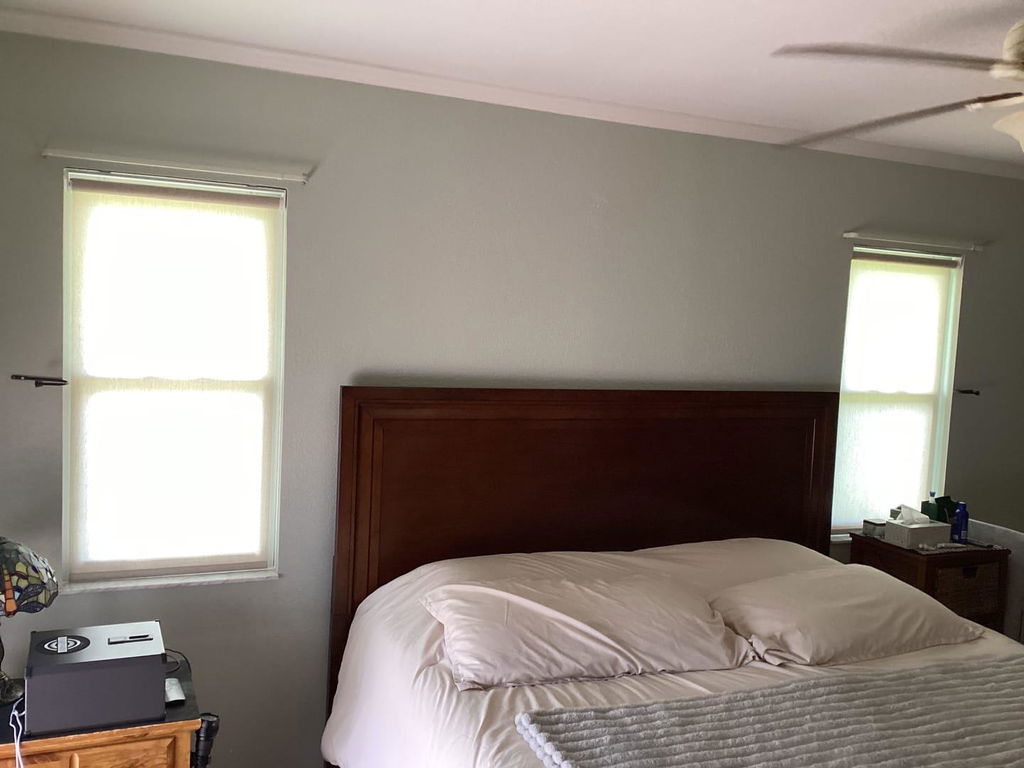
In a primary suite, a hand-tailored shade in a heavy 400 gsm velvet changes the acoustic quality of the room, dampening sound in a way a thin factory blind never could. People often ask Are 12 Inch Window Shades Actually Worth The Custom Price Tag, and my answer is almost always yes if that window is at eye level. A tiny, perfectly draped shade in a powder room acts like a piece of jewelry for the space.
Measuring for Artisanal Treatments (Don't Mess This Up)
The one downside to handmade quality? There is zero room for 'close enough.' These pieces are tailored to the exact millimeter of your frame. I once tried to use the measurements from my old big-box blinds to order new custom ones, only to find the old ones were actually a quarter-inch too narrow, and the factory had just covered the gap with a wider mounting bracket.
Before you order, you must consult a proper How To Measure guide. Use a steel tape measure—never a fabric one, which can stretch—and measure the top, middle, and bottom of the inside of the frame. Handmade shades are designed to fit like a glove, and that precision is what creates that high-end, built-in look that makes guests ask if you hired a professional designer.
FAQ
Why do my cheap shades flare out at the bottom?
This is usually caused by heat-fused side hems. The glue creates a rigid edge that fights the natural weight of the fabric, causing it to 'kick' out at the corners rather than hanging straight down.
Is linen too high-maintenance for handmade shades?
Linen will have 'memory folds,' yes. But that’s the point. Those soft, organic wrinkles are what distinguish a high-end room from a hotel room. A quick steam once a year is all they really need.
Can I install handmade shades myself?
Absolutely. The 'custom' part is in the sewing and the fabric selection. The actual installation usually involves just two or three brackets and a few screws. If you can level a picture frame, you can hang a handmade shade.