Why Your All-White Room Desperately Needs a Bamboo Roman Shade
I remember standing in my first 'real' apartment, staring at a living room that was perfectly curated and yet completely soul-crushing. I had the white linen sofa, the cream-colored rug, and white walls that cost me a full weekend of labor. It looked like a high-end hospital waiting room. I realized then that my bamboo roman shade was the missing link—the only thing that could save me from the 'builder-grade chill' of a sterile, monochromatic space.
That morning sun would hit the white walls and bounce around like a pinball, making everything look flat and two-dimensional. I needed grit. I needed something that looked like it grew out of the earth, not something that came off a factory loom. Once I swapped my basic white blinds for natural wovens, the light filtered through the reeds and turned the whole room into a warm, amber-hued sanctuary at 5 PM.
Quick Takeaways
- Bamboo adds organic 'grit' to soften the hard lines of modern or all-white rooms.
- Inside mounting is the secret to a high-end, custom look on a budget.
- Flat folds are for modernists; hobbled folds are for traditionalists.
- The right bamboo shade acts as a neutral foundation that bridges wood floors and white walls.
The 'Builder-Grade Chill' (And Why Fabric Isn't Always the Fix)
We have been told for a decade that linen is the cure-all for a cold room. While I love a 200 gsm linen blend with a healthy 2.5x fullness as much as the next stylist, sometimes more fabric just makes a room feel 'mushy.' If your walls are white and your furniture is soft, adding more soft fabric on the windows can make the space feel ungrounded, like a cloud with no silver lining.
What an all-white room actually craves is architectural tension. You need a hard texture to play against the soft upholstery. This is where most people get stuck; they think window treatments have to be either 'hard' (like plastic slats) or 'soft' (like drapes). But the magic happens in the middle.
Natural fibers like bamboo or jute provide a structural element that fabric simply can't replicate. When you hang a woven shade, you aren't just covering a window; you are adding a piece of furniture to the wall. It provides a visual 'stop' for the eye, creating a boundary that makes a large, airy room feel cozy and intentional rather than just empty.
Why I Use a Bamboo Roman Shade as a Texture Hack
When I’m styling a space that feels a bit too 'new,' I reach for a bamboo roman shade every single time. These aren't the orange-toned matchstick blinds from the 90s. Modern natural bamboo roman shades come in complex, variegated tones—think toasted almond, weathered driftwood, and deep tortoiseshell. These variations act as a bridge between your light walls and darker wood floors.
Unlike classic Roman Shades that rely on the pattern of the fabric for interest, bamboo roman window shades rely on the weave itself. The way the light peeks through the tiny gaps between the bamboo slats creates a dappled effect that mimics the way sunlight filters through trees. It’s an instant mood-setter that fabric shades can't compete with.
The visual weight of these shades is also a huge plus. They feel substantial. Even when they are raised, the 'stack' at the top of the window acts like a valance, adding a layer of depth to the top of your window frame that draws the eye upward and makes your ceilings feel a few inches taller than they actually are.
Flat Fold vs. Hobbled: Nailing the Right Drape
When you start shopping for roman blinds bamboo, you’ll likely face the 'fold' dilemma. A flat fold is exactly what it sounds like: when the shade is lowered, it is one continuous, flat piece of material. This is my go-to for modern or minimalist spaces. It’s clean, it’s sharp, and it doesn't compete with other patterns in the room.
On the other hand, a hobbled bamboo roman blind retains its soft, cascading loops even when fully lowered. This adds a lot of volume and feels more traditional. However, be warned: bamboo is stiffer than cotton. A hobbled woven shade will have a much deeper 'stack' at the top of the window when raised. If you have very little clearance between your window frame and the ceiling, you might find a roller blind over a roman shade is a better fit to preserve your view, as wovens can be quite bulky when retracted.
I usually spec a cordless lift mechanism for bamboo. Not only is it safer, but the aesthetic of a woven shade is all about that organic, raw look—you don't want a messy tangle of nylon cords distracting from the beautiful texture of the wood.
How to Make Budget-Friendly Woven Woods Look Custom
You don't have to spend four figures to get the look. You can find bamboo roman shades cheap at most big-box retailers, but the secret to making them look like a $2,000 custom job is all in the installation. First rule: Inside mount. Always.
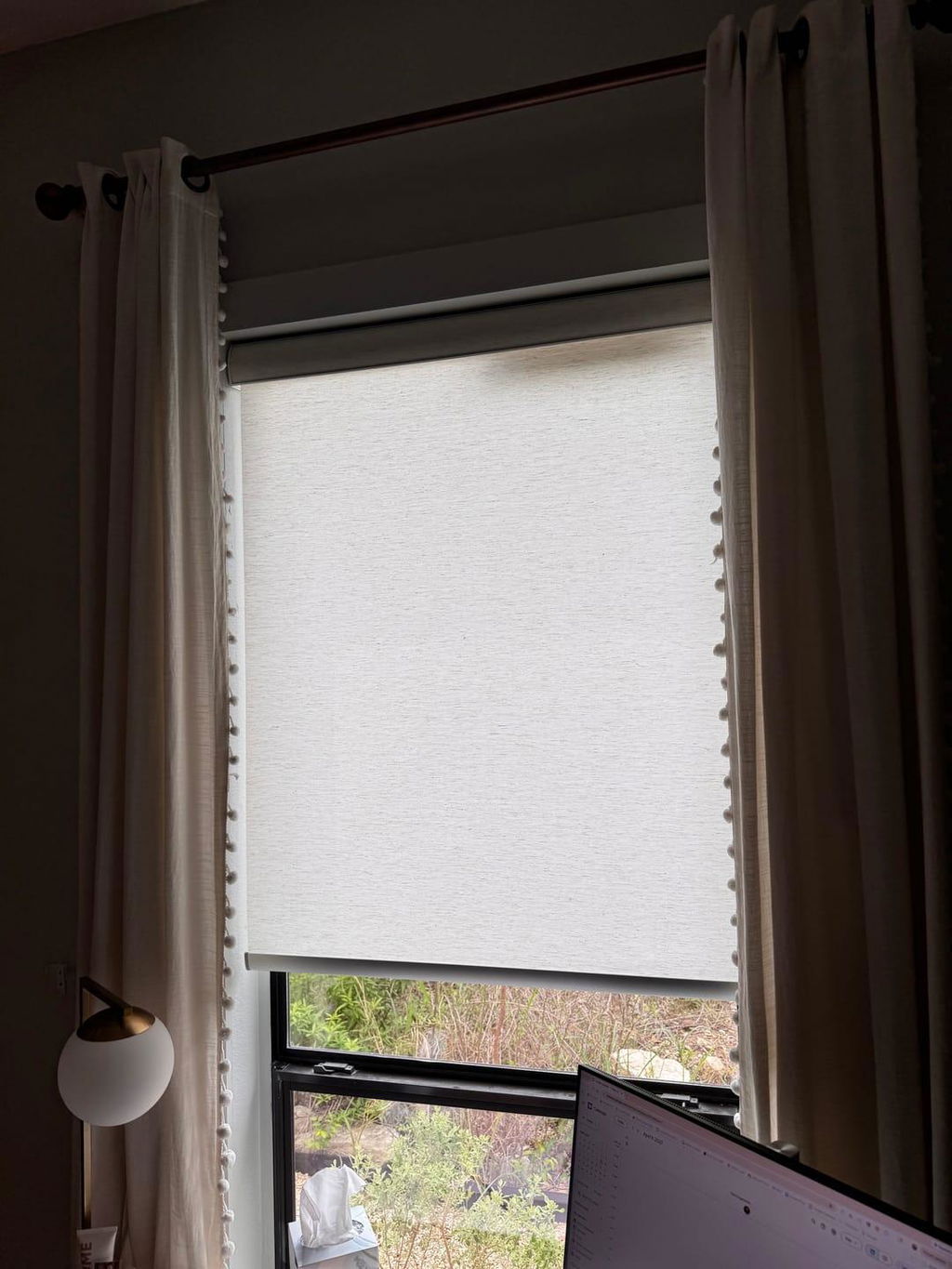
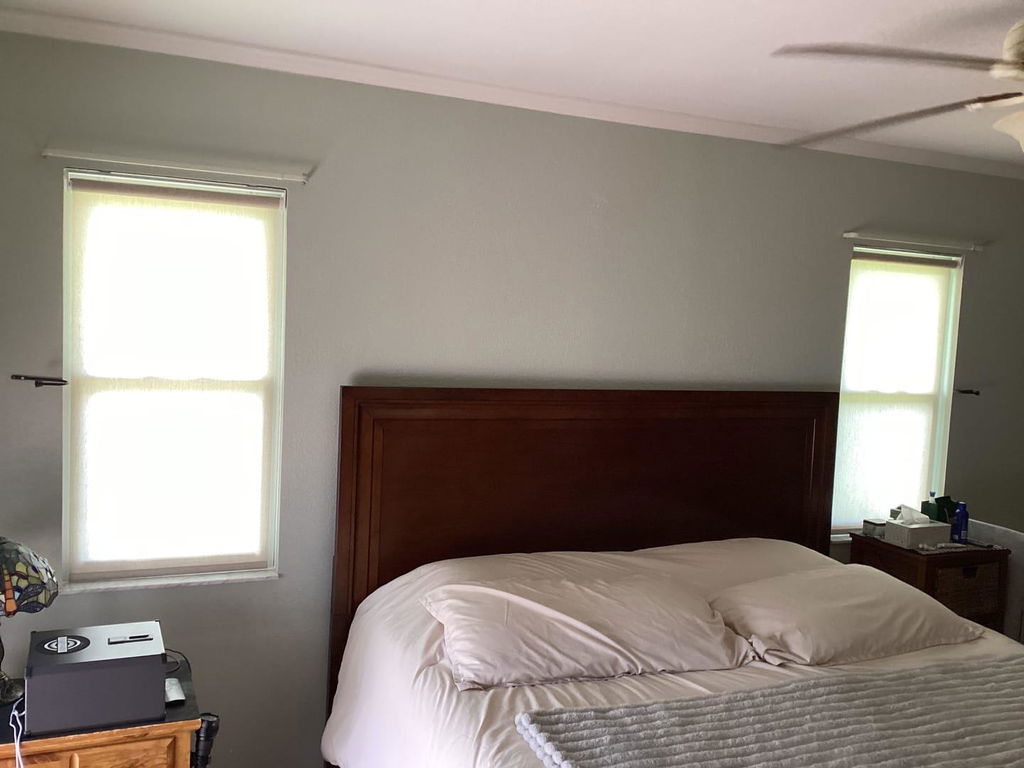
An inside-mounted indoor bamboo roman shades setup looks integrated into the architecture. Measure the inside of your window frame at the top, middle, and bottom. Use the smallest measurement and subtract 1/8th of an inch. This tight fit prevents light leakage and looks incredibly high-end. If your windows are too shallow for an inside mount (you need at least 2 inches of depth for most hardware), then mount them high and wide—at least 4 to 6 inches above the trim—to cheat the window's height.
Another tip? Ditch the valance. Many off-the-shelf shades come with a clunky 6-inch valance attached to the top to hide the headrail. If you can, tuck that valance back or choose a model with a 'waterfall' front where the material cascades directly off the front of the roller. It’s a much cleaner, more modern silhouette.
Balancing the Visual Weight of Your Windows
Once your shades are up, the room might feel a little bottom-heavy if you don't balance the new texture. I like to anchor a bamboo shade by bringing in other natural elements at eye level. Think a chunky jute rug, a cognac leather chair, or even just a large wooden bowl on the coffee table. This makes the bamboo feel like a deliberate part of a color story, rather than a random addition.
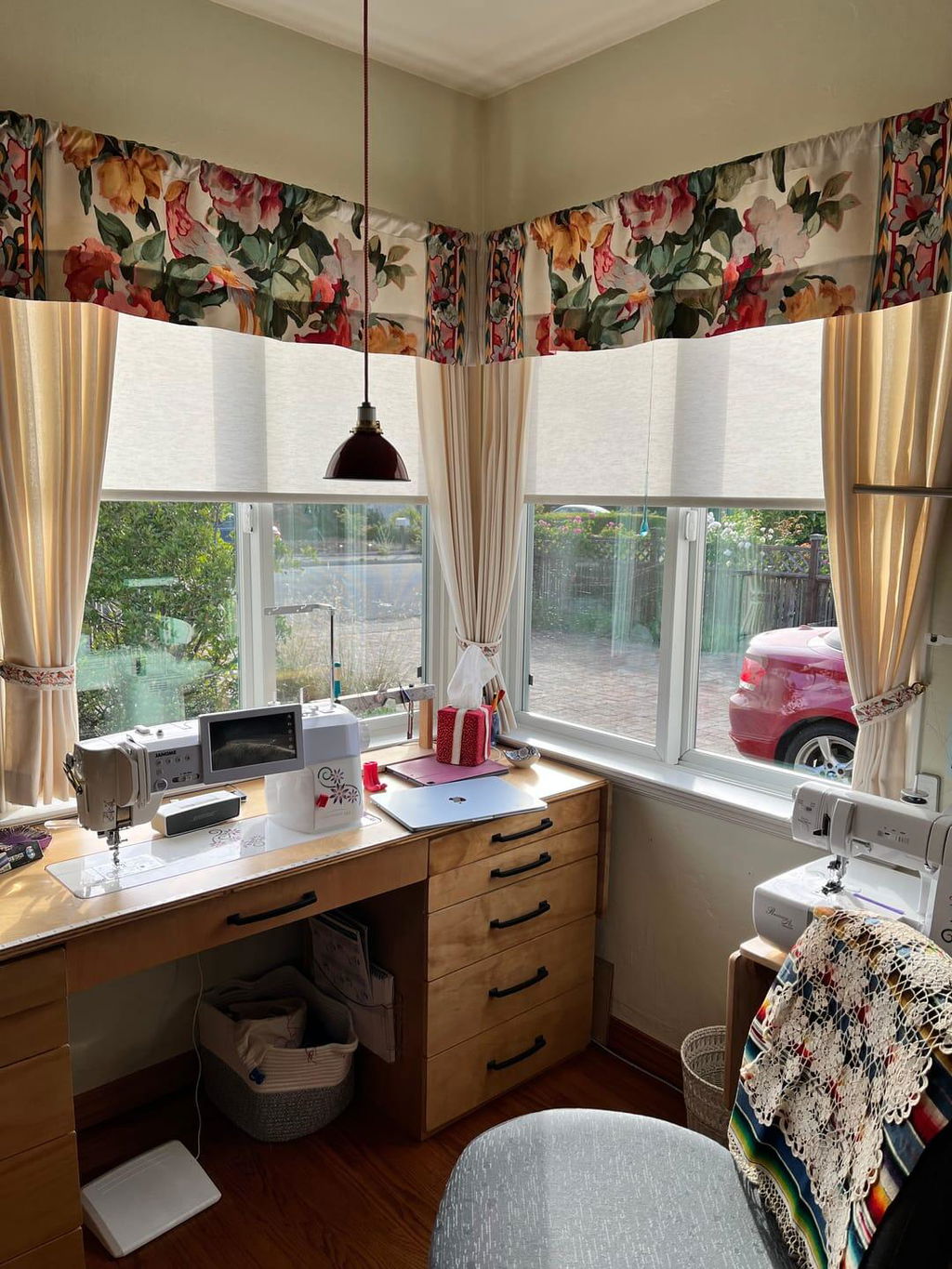
If the room still feels a bit 'naked' with just the shades, consider layering. A bamboo shade paired with floor-to-ceiling drapery is the ultimate designer move. When deciding which layers better under drapes, the flat-fold bamboo shade wins every time because its low profile allows the drapery panels to hang straight without being pushed out by the bulk of the shade.
My Personal Design Fail
I once ordered a set of 'bargain' bamboo shades for a guest room and ignored the reviews that mentioned 'natural dust.' For the first three months, every time I raised the shades, a fine mist of bamboo fibers would coat the windowsill. I ended up having to take them outside and give them a vigorous shake and a light vacuuming with a brush attachment. The moral? Even with budget finds, look for 'kiln-dried' or 'sealed' bamboo to avoid the shed. Also, I once measured the width at the bottom of the window but not the top—turns out my 1920s window was a half-inch narrower at the top. I had to sand down the edges of the headrail at midnight before a photoshoot. Measure three times, order once.
Frequently Asked Questions
Are bamboo shades private at night?
Standard woven shades offer 'light filtering' privacy, meaning people can see shapes and shadows but not details. If you need total privacy or want to sleep in, you absolutely must order them with a blackout or privacy liner sewn to the back.
Do bamboo shades make a room dark?
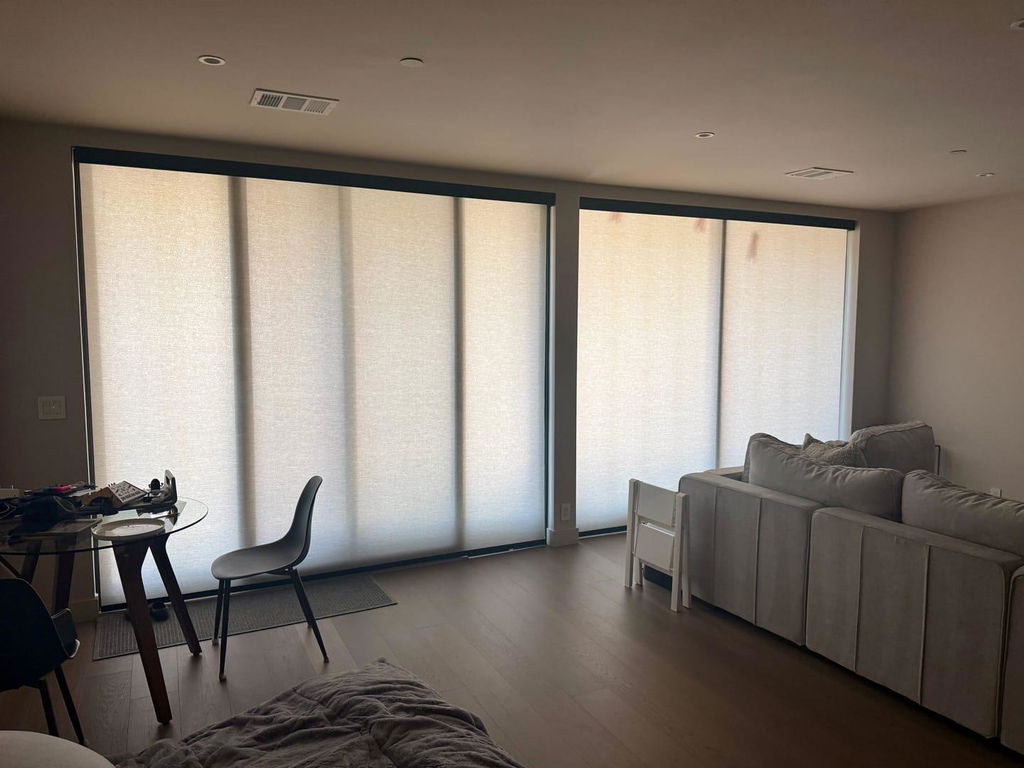
Without a liner, they filter the sun into a warm glow but don't darken the room. They are perfect for living rooms where you want to cut the glare on the TV without living in a cave.
How do you clean bamboo roman shades?
Avoid water! Use the upholstery brush attachment on your vacuum once a month. If they get a spot on them, a very slightly damp cloth is okay, but never soak the fibers or they might warp or mildew.