Woven Roman vs. Woven Roller Shade: Which Layers Better Under Drapes?
I remember standing in my first apartment, staring at a set of heavy velvet drapes that refused to hang straight because the bamboo Roman shade underneath was basically a brick of wood. It was 4 PM on a Sunday, the golden hour light was hitting the floor at that perfect low angle, and all I could see was the ugly, protruding gap between the wall and my curtain rod. I’d spent hours steaming those panels only for them to look like they were being pushed out by a hidden suitcase.
That was the day I realized that the ‘layered look’ we see in magazines isn’t just about putting two things on a window; it is about the physics of depth. If you want that high-end, textured aesthetic without the structural mess, you need to ditch the bulk. A woven roller shade is the secret weapon for anyone who wants the warmth of natural fibers without the accordion-style baggage of a traditional Roman.
Quick Takeaways
- Roman shades create a ‘stack’ at the top that pushes drapery rods too far from the wall.
- Woven roller shades offer the same organic texture with a profile under two inches.
- Inside mounting is non-negotiable for a clean, layered look.
- Pairing rigid woods with soft linens creates the best visual tension.
- Dual-layered systems solve the privacy-vs-light-control dilemma.
The Awkward Bulge: Why Layering Over Roman Shades Usually Fails
We’ve all seen the Pinterest boards: a beautiful linen drape framing a textured wood shade. It looks effortless, but in reality, Roman shades are space hogs. When you raise a Roman shade, the fabric folds over itself. By the time it’s fully open, you have a four-to-six-inch thick stack of material sitting right where your drapery rod needs to be.
If you try to hang a curtain rod over that, you have two bad options. You either mount the rod so far out that you have a massive light gap on the sides, or you let the drapes rest against the shade, creating a visible bulge. It ruins the vertical architectural lines of the room. Instead of a crisp, floor-to-ceiling look, your windows look cluttered and heavy. This is especially true if you’re using 2.5x fullness drapes; that extra fabric needs space to breathe, not a wooden obstacle course behind it.
Why a Woven Roller Shade is the Ultimate Base Layer
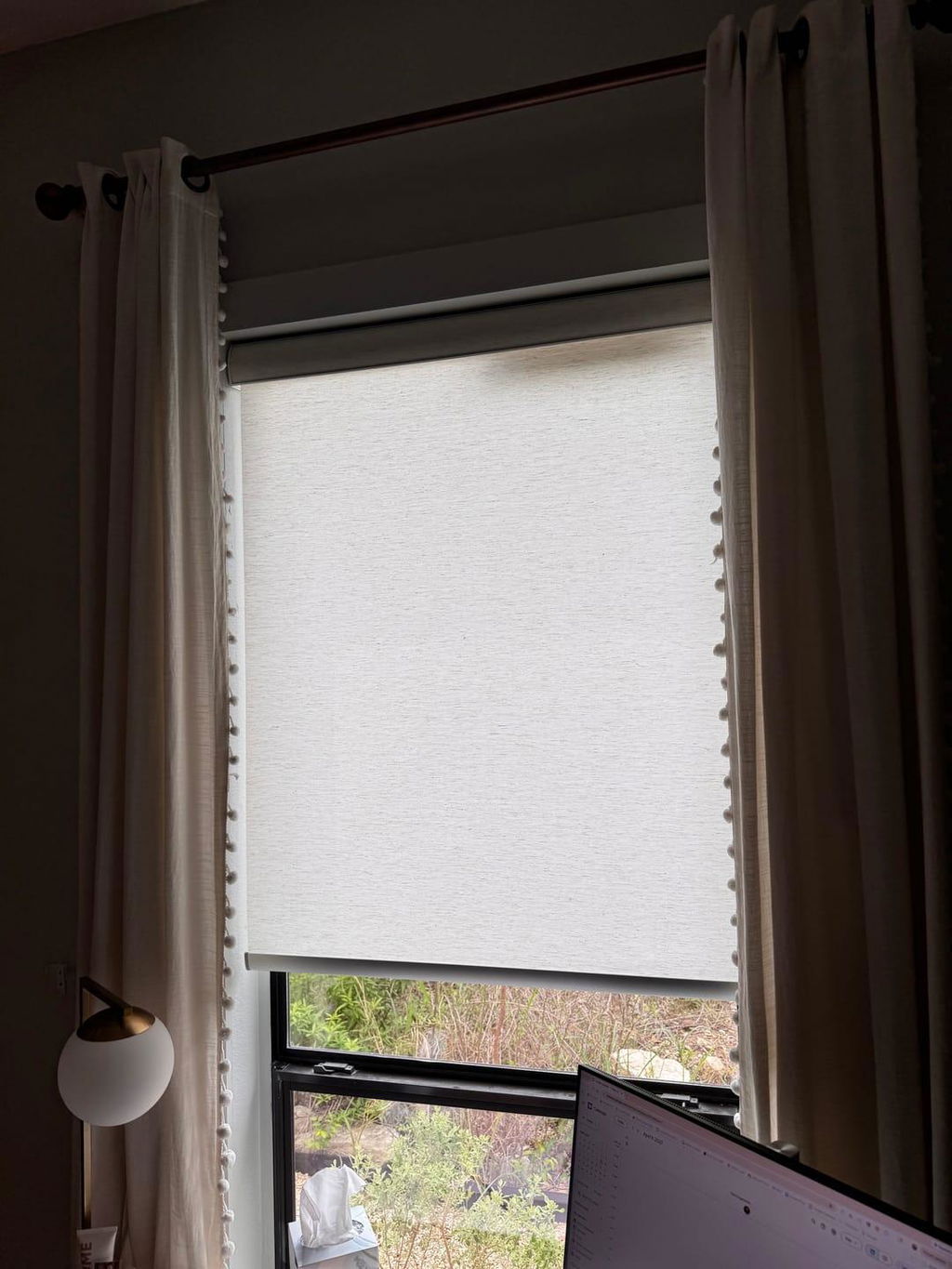
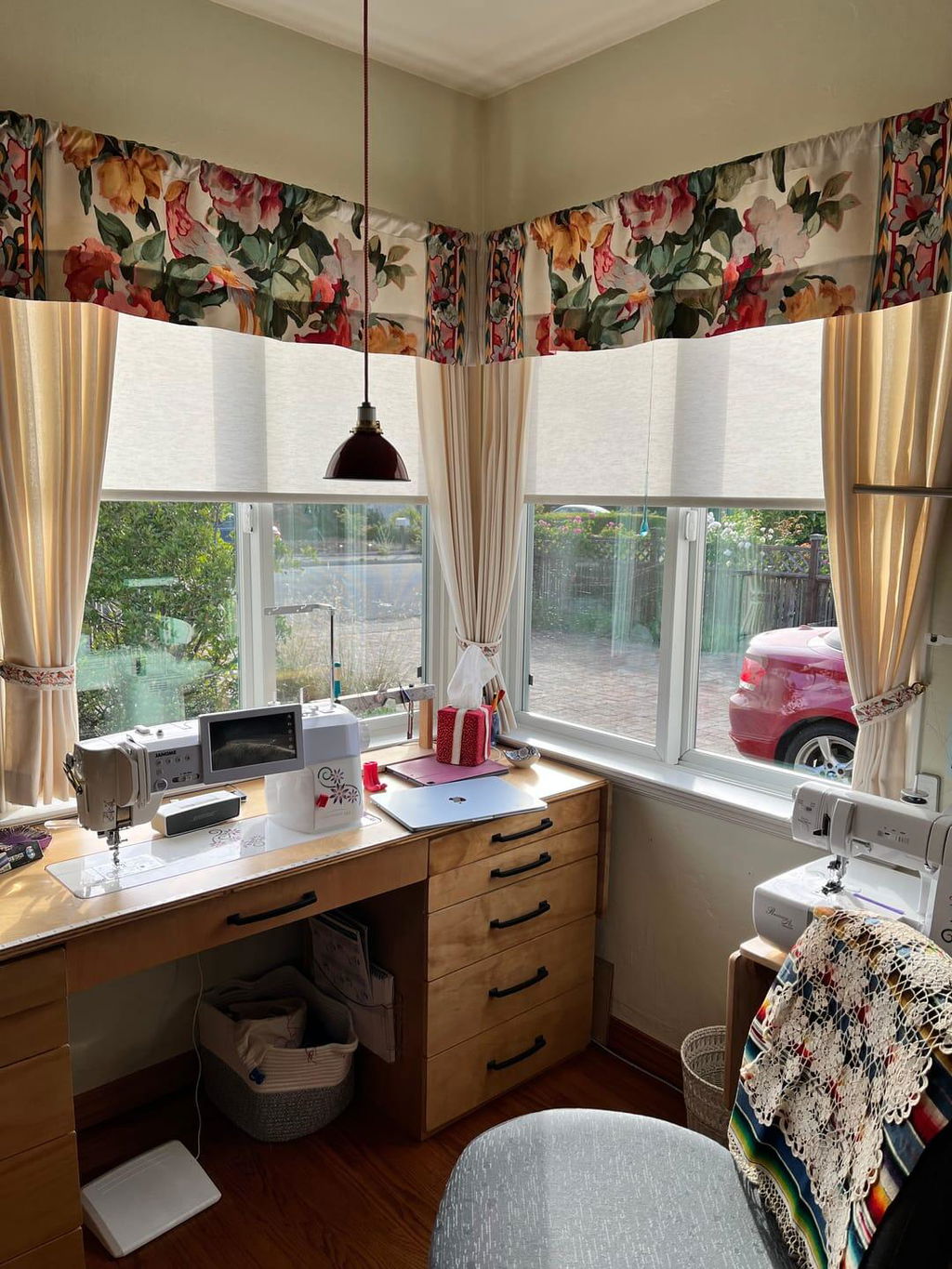
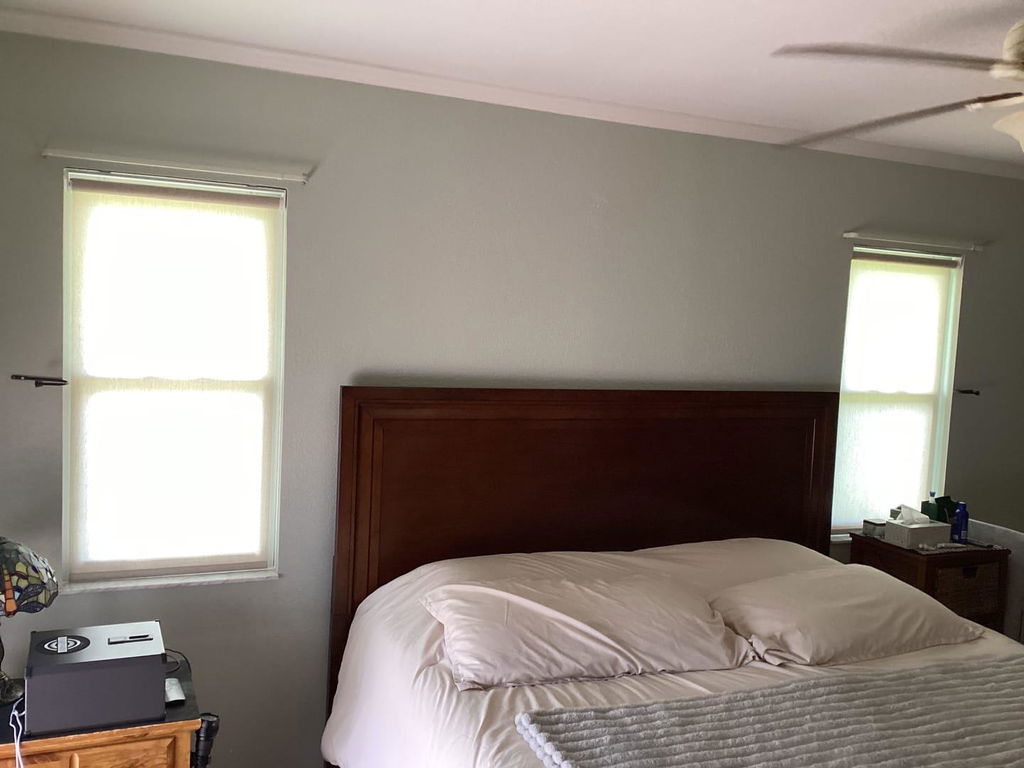
This is where the woven roller shade saves the day. Unlike a Roman that folds, a roller shade—as the name suggests—rolls. The entire mechanism usually fits within a two-inch diameter. This slim profile allows the shade to sit deep within your window casing, leaving plenty of clearance for your drapes to hang perfectly plumb.
You aren’t sacrificing style for function here, either. Modern woven fabric roller shades use the same jute, grasses, and bamboos you love, but they are engineered to be thin enough to wind up tightly. Why I Always Choose a Woven Roller Shade Over Clunky Bamboo often comes down to this: the roller version gives you that tactile, ‘found-object’ feel while staying out of the way of your primary window dressings.
Inside Mounts and Clearances: The Math Behind the Magic
Before you buy, grab a metal measuring tape. For a woven roller blind to work as a base layer, it must be an inside mount. You need a window casing depth of at least 2 to 2.5 inches for the roller to sit flush with the trim. If your windows are shallow, a ‘partial’ inside mount might work, but you’ll want to check the bracket specs first.
When you’re looking at different roller shades, consider the ‘return’ on your curtain rod. A standard drapery bracket has a 3.5-inch return. If your woven shade takes up 2 inches of that, you still have 1.5 inches of air between the fabrics. That’s the ‘sweet spot’ that prevents the fabrics from snagging on each other when you pull the drapes shut at night. If they’re touching, they’re going to cling, and you’ll be constantly adjusting the hems.
Mastering the Mix: Linen Drapes and Wooden Roll Up Blinds
The best rooms have a mix of ‘hard’ and ‘soft’ elements. I love pairing a 300 gsm heavy-weight Belgian linen drape in a cool off-white with wooden roll up blinds in a warm oak or tobacco finish. The wood provides a structured, architectural frame, while the linen softens the edges of the window.
This combination works because of the contrast in light filtration. During the day, you can leave the drapes open and pull the woven shade down to cut the glare. The light filters through the wood weave, creating those beautiful, linear shadows on your floor. It feels intentional and grounded, unlike a plain white vinyl shade that can feel a bit ‘builder-grade.’
What About Nighttime Privacy and Blackout Needs?
The only downside to a natural woven roller shade is the ‘fishbowl’ effect at night. Because they are woven, there are tiny gaps between the fibers. If you have the lights on inside, people can see in. To fix this without adding bulk, I always recommend lining your drapes rather than the shade. A blackout-lined linen panel gives you total light control when you need it, while the woven shade handles the daytime aesthetics.
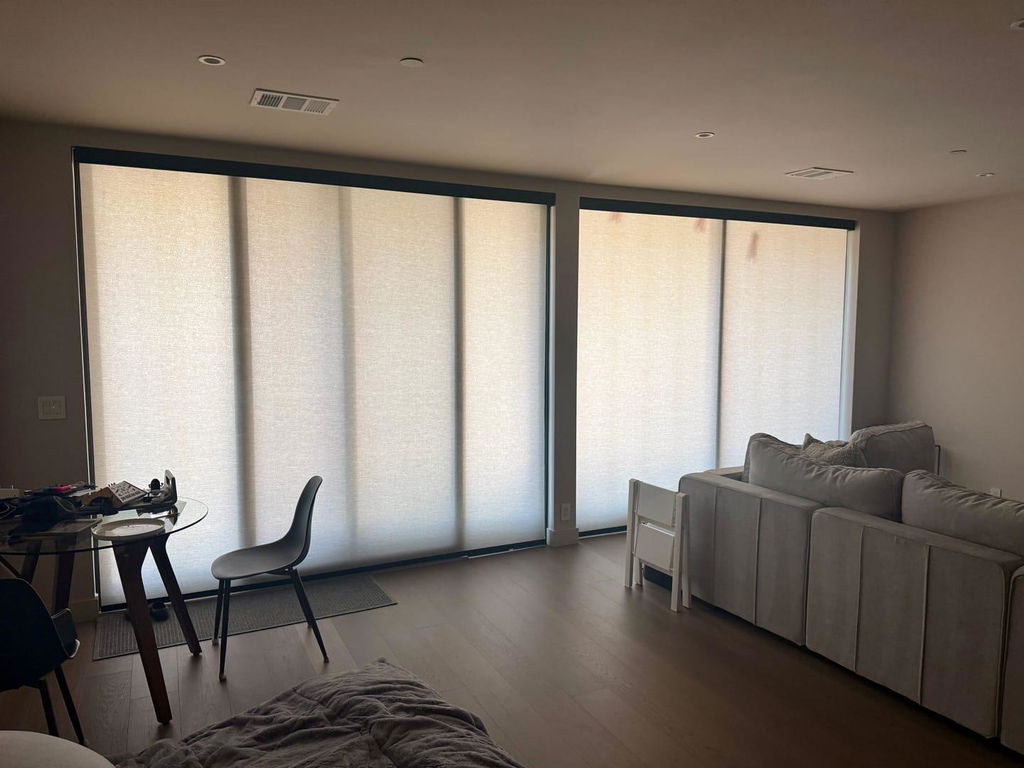
If you hate the idea of manual layers, you can look into motorized dual roller shades. These systems allow you to have a textured woven layer and a hidden blackout layer on a single bracket. For those who want it all in one, Day Night Shades offer a similar versatility. These options keep your wall clutter-free while giving you the ability to go from ‘moody sun-drenched cafe’ to ‘total theater blackout’ with one remote.
My Personal Design Lesson
I once tried to force a set of thick bamboo Romans under 96-inch pinch-pleat drapes in a guest room. I spent three hours trying to adjust the brackets, but the drapes kept flaring out at the bottom like a hoop skirt. I eventually gave up and swapped the Romans for a slim-profile woven roller. The difference was instant. The drapes finally fell straight to the floor, and the room suddenly felt taller. I learned the hard way: in design, sometimes the best move is the one that takes up the least amount of space.
Frequently Asked Questions
Can I use a woven roller shade if my windows are shallow?
Yes, but it might not sit flush. If your casing is less than 2 inches deep, the roller will protrude slightly. In that case, you’ll need to use drapery rod extenders to push your curtains out further so they don’t hit the shade.
Do woven roller shades stretch over time?
Natural fibers like jute can stretch slightly if they are very large, but most modern woven shades are reinforced with a polyester backing or a tight weave to prevent sagging. Stick to high-quality brands to avoid the ‘uneven hem’ look.
Are these hard to clean?
Not really. I just use the brush attachment on my vacuum once a month. Because they roll up, they actually collect less dust than Roman shades, which have all those horizontal ‘shelves’ for dust to sit on.