Why I Upgraded to Signature Series Cellular Shades This Winter
Last November, I sat on my living room floor with a hairdryer, trying to shrink-wrap plastic over my drafty 1920s windows. It was a low point. The house felt like a sieve, and my budget-friendly blinds looked like flattened paper towels after only six months of use. That was the day I finally admitted that signature series cellular shades aren't just a luxury—they are a structural necessity for a home that actually feels warm and looks intentional.
- Premium fabrics look like woven linen, not shiny plastic or medical supplies.
- Double cell construction acts as a literal thermal barrier against cold glass.
- Pleat retention is vastly superior; they won't sag or lose their 'stack' over time.
- Signature collections offer hardware that matches your trim, rather than stark white plastic.
The Entry-Level vs. Premium Debate in Window Treatments
We’ve all seen them: the 'cut-to-size' shades from the big-box aisle. They serve a purpose in a temporary rental, but in a primary living space, they look flimsy. The main issue is the weight of the material. Cheap cellular shades are often made of a non-woven, paper-thin polyester that feels stiff and sounds crunchy when you operate them. They have what I call the 'accordion effect'—the pleats are uneven, and they never quite hang straight.
A premium signature series changes the physics of the window. The fabric is heavier, often a soft-spun lace or a woven polyester that mimics a 200 gsm linen blend. Because the material has more 'body,' the shade hangs with a crisp, architectural weight. It doesn't flutter when the HVAC kicks on. When you pull a signature shade up, the stack is tight and uniform, tucked away like a professional hem rather than a messy pile of paper.
The Fabric Test: Do They Actually Look Like Custom Linen?
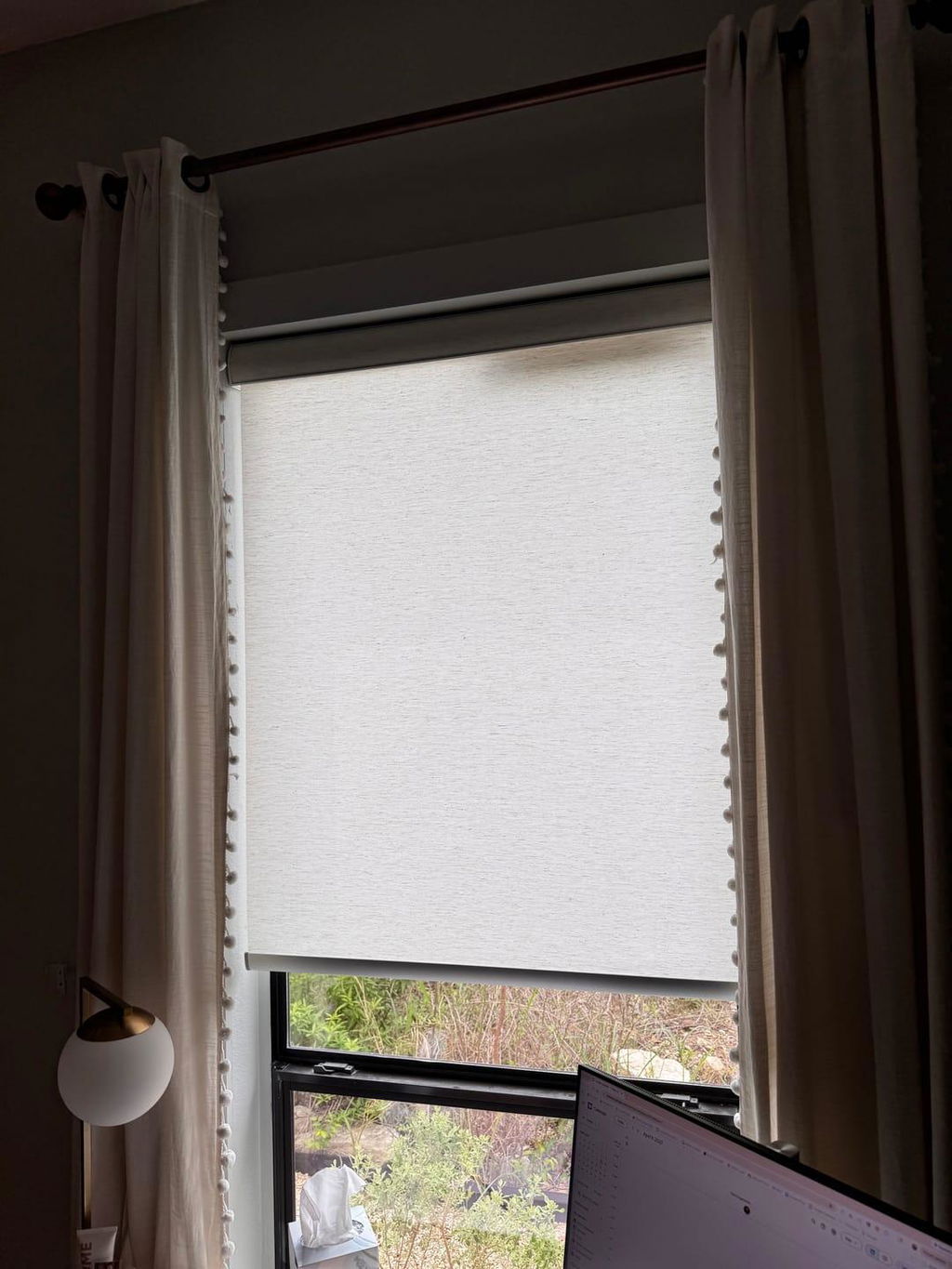
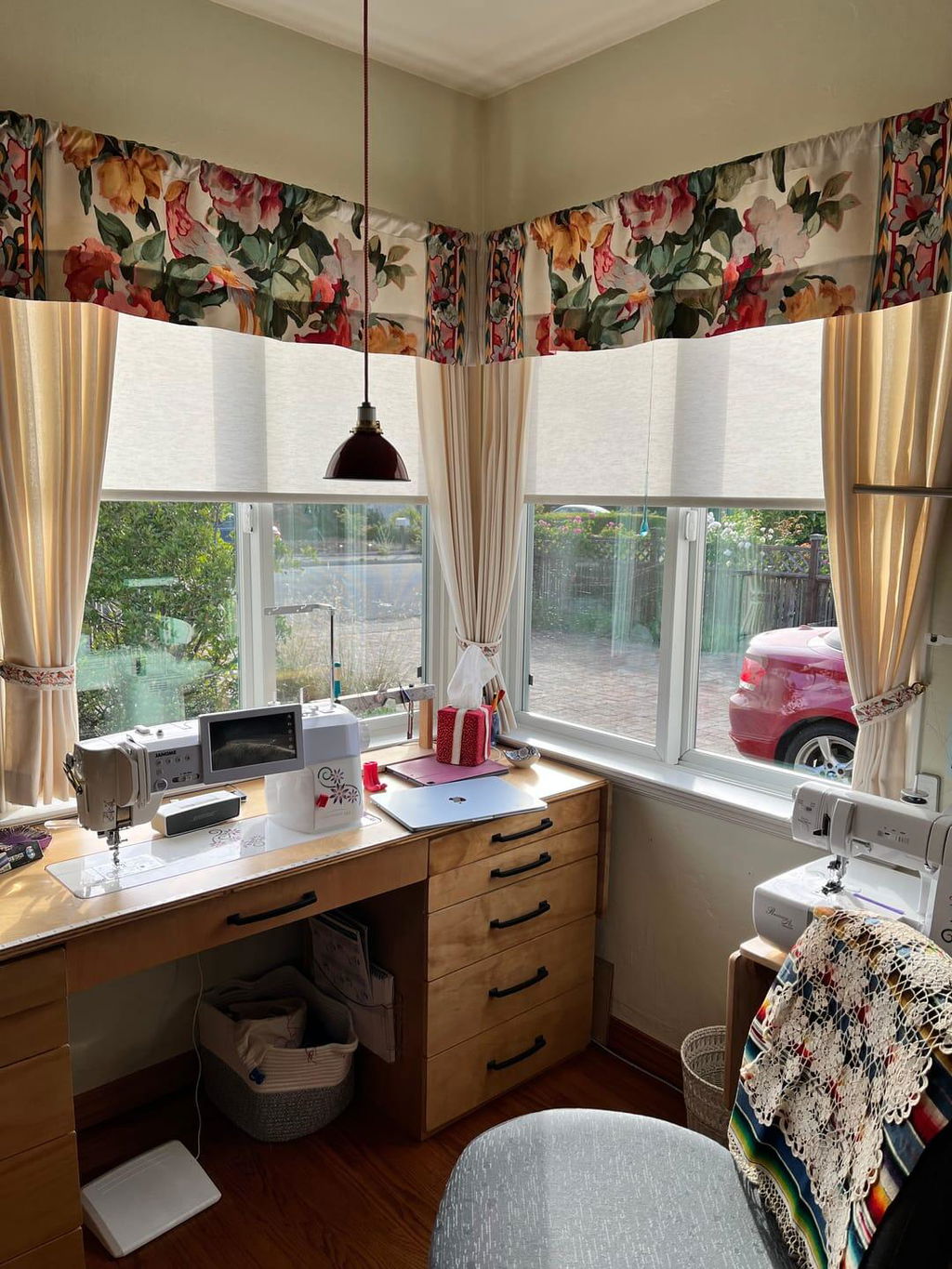
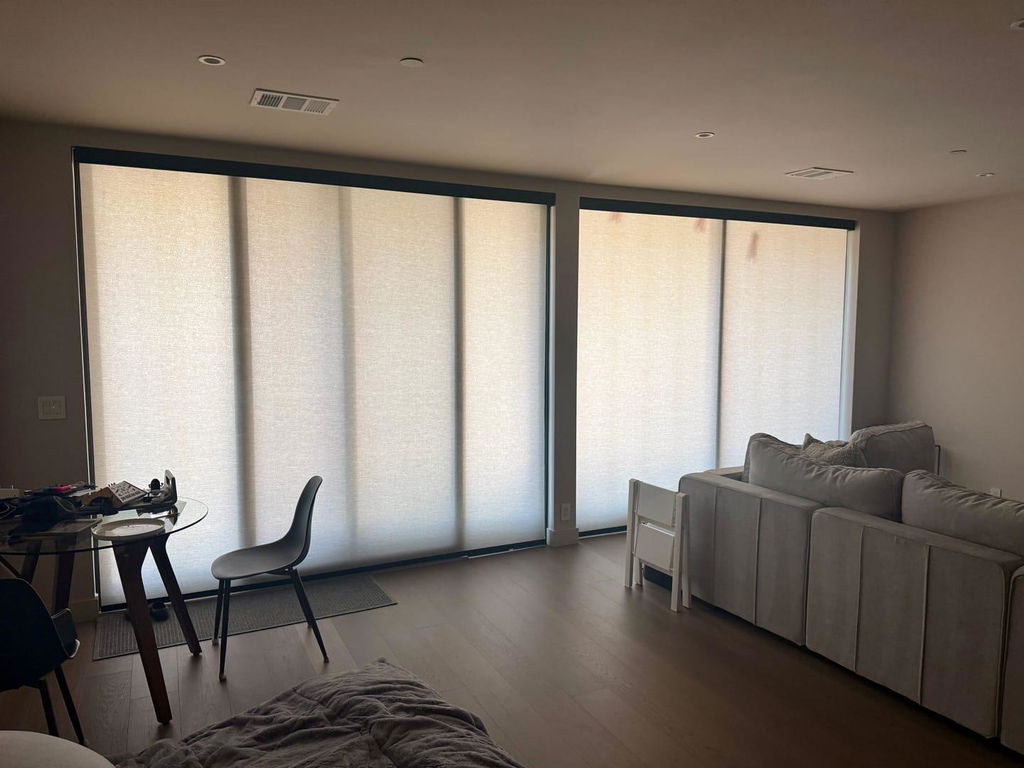
The biggest hurdle for most of my clients is the 'honeycomb' stigma. They remember the shiny, translucent shades from the 90s that looked like they belonged in a dentist’s office. Today’s signature series cellular shades are a different species. I recently installed a set in a deep 'Oatmeal' tone that had a visible weave and a matte finish. From three feet away, you’d swear they were custom-tailored Roman shades.
This texture is vital for light filtration. In a budget shade, the light coming through is often cold and blue-toned. In a premium woven fabric, the light is diffused and warmed up, turning a harsh 4 PM glare into a soft glow that makes your wood floors look incredible. It’s the difference between a fluorescent bulb and a dimmable Edison lamp.
Where I Use Cellulars vs. Signature Series Faux Wood Blinds
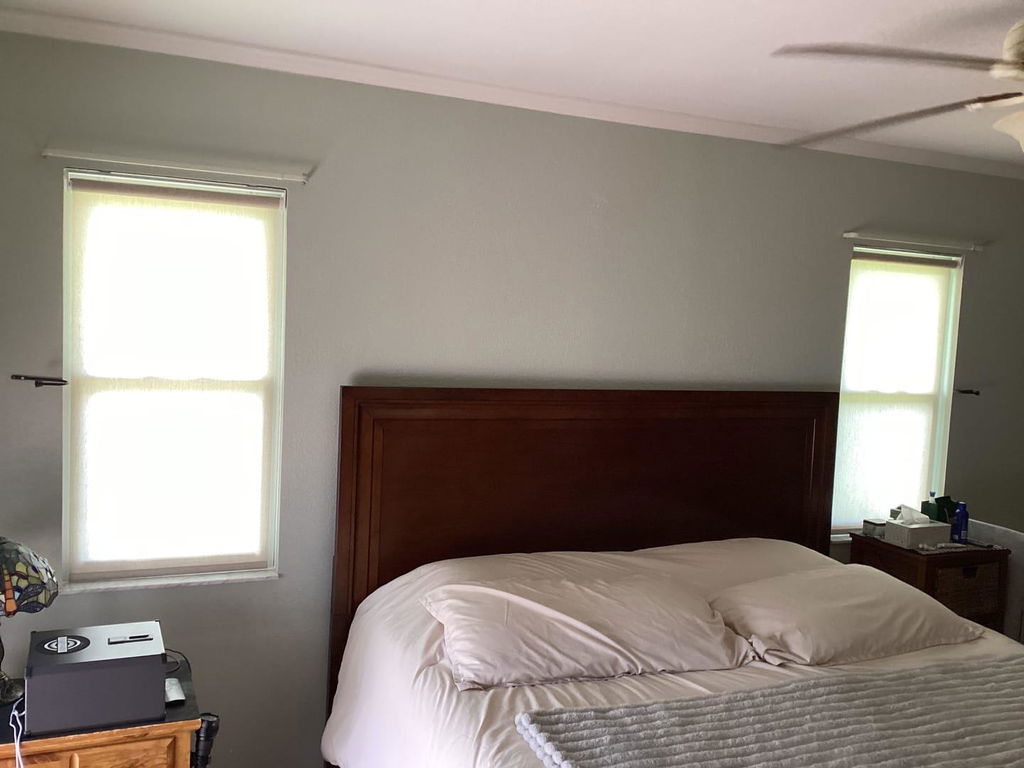
I don't put cellulars everywhere. Design is about the right tool for the right room. In my own home, I often find myself in the cellular shades vs blinds debate when planning a renovation. For drafty bedrooms or north-facing living rooms, the cellular is the undisputed winner because of that R-value. You can literally feel the temperature difference when you slide your hand behind the shade.
However, for high-moisture areas like a master bath or a kitchen sink window, I pivot. That is where signature series faux wood blinds shine. You get the look of a 2.5-inch custom wood slat that won't warp when the shower steams up the room. I like to mix these 'hard' treatments in utility spaces with 'soft' cellulars in the cozy spaces to keep the house from feeling too one-note. It creates a visual rhythm that feels like the home evolved over time rather than being a 'package deal' from a single catalog.
A Note on Those Hard-to-Reach Skylights
If you have vaulted ceilings, you know the pain of a sagging skylight shade. Lower-end models use tension cords that eventually give up the ghost, leaving you with a sad, drooping fabric belly in the middle of your ceiling. Premium series use reinforced side tracks and higher-tension internal motors to keep the fabric taut against the glass, regardless of the angle.
For these tricky spots, I always recommend the Canisteo motorized TDBU skylight cellular shades flex. Motorization isn't just a 'cool' feature here; it's a sanity-saver. Being able to trigger the thermal protection of a cellular shade via a remote or phone app when the sun hits its peak at noon is the only way to keep a loft from turning into a greenhouse. The 'flex' system ensures the fabric stays flush, maintaining that clean, architectural line I'm obsessed with.
The Final Verdict: When to Splurge and When to Save
I’ll be honest: I once tried to save $400 by buying a budget 'blackout' cellular for a guest room. Within three months, the light was leaking through the side gaps because the fabric had shrunk slightly, and the lift cord was fraying. I ended up replacing them with a signature series anyway, effectively paying for the window twice. Don't be me.
Splurge on the signature series for your 'main' rooms—the bedroom where you need sleep, the living room where you see the fabric every day, and any window that feels like a block of ice in January. You can save your budget for the laundry room or the walk-in closet where a basic slat will do just fine. Your home should feel like a sanctuary, not a series of compromises. The right shade doesn't just cover a window; it finishes the room.
Is there a big difference between single and double cell?
Yes. Single cell is great for aesthetics and moderate light control. Double cell adds an extra layer of 'honeycomb' pockets, which significantly boosts the insulation. If you live in a climate with real winters, double cell is the only way to go.
Can I install these myself or do I need a pro?
If you can use a level and a drill, you can do this. The key is the 'inside mount' measurement. Measure the width at the top, middle, and bottom of the frame, and use the smallest number. Most signature series have a very forgiving bracket system that clicks right into place.
How do I clean the 'honeycomb' if a bug gets inside?
It happens to the best of us. Don't poke at it with a stick. Use a can of compressed air (the kind for keyboards) to blow the debris out of the side of the cell. For dust, a vacuum with a brush attachment on low suction works perfectly.