Why I Constantly Have the Cellular Shades vs Blinds Debate With Clients
I once spent three hours in a drafty 1920s Tudor with a client who was convinced she needed heavy wood blinds to 'ground' her living room. We sat on her velvet sofa, shivering slightly as the October wind rattled the original single-pane glass, debating the merits of cellular shades vs blinds. It is the ultimate design tug-of-war: do you want the architectural, rhythmic lines of a slatted blind, or the soft, glowing efficiency of a honeycomb shade?
Choosing window treatments feels final because, well, they are expensive. You are likely going to live with this decision for a decade. I have seen homeowners freeze in indecision between the two, terrified that cellulars look too much like a doctor's office or that blinds will make their windows look like a 90s corporate park. The truth is, both have evolved, but they serve very different masters in the home.
- Energy Efficiency: Cellular shades win by a landslide for insulation.
- Light Control: Blinds offer directional tilting that fabric shades cannot match.
- Visual Profile: Cellulars stack tight and 'disappear,' while blinds always maintain a presence.
- Maintenance: Faux wood blinds are a breeze to wipe; cellulars require a delicate vacuum touch.
The Tug-of-War: Why We Are Even Having This Debate
The blinds vs cellular shades dilemma usually stems from a conflict between how a room needs to feel and how it needs to function. When you look at a window, do you see a hole that needs to be plugged to keep the heat in, or a design opportunity to add texture? Most of my clients want both, which is where the friction starts.
Traditional blinds provide a certain 'weight' to a room. They feel like furniture for your windows. On the flip side, cellular shades are the chameleons of the interior world. They provide a soft, diffused glow that can make a room feel like it is wrapped in a warm linen blanket. I often tell people to think about the 'eye' of the room—do you want the window to be a focal point with strong horizontal lines, or do you want the window to recede so your art and furniture can do the talking?
The Case for Slats: When Wood Blinds Win
There are moments where wood blinds vs cellular shades isn't even a contest. If you are styling a home with heavy crown molding, deep window sills, and a more traditional or transitional aesthetic, the architectural lines of a 2.5-inch slat are hard to beat. I almost always lean toward real wood or high-quality faux wood when a client wants to control 'dappled' light. There is nothing quite like the way a 4 PM sun hits tilted slats, casting long, moody shadows across a hardwood floor.
Blinds are also the superior choice for those who want to see 'out' without fully opening the treatment. You can tilt them to block the glare on your TV while still catching a glimpse of the garden. In a home office, this is a lifesaver. I typically spec a 2-inch slat in a matte white or a light oak finish to keep things from feeling too 'heavy.' Just be warned: blinds have a larger 'stack' at the top. If you have a beautiful view you want to preserve, remember that a fully raised blind will still take up 6 to 10 inches of your window height.
Why Honeycombs Usually Win Me Over
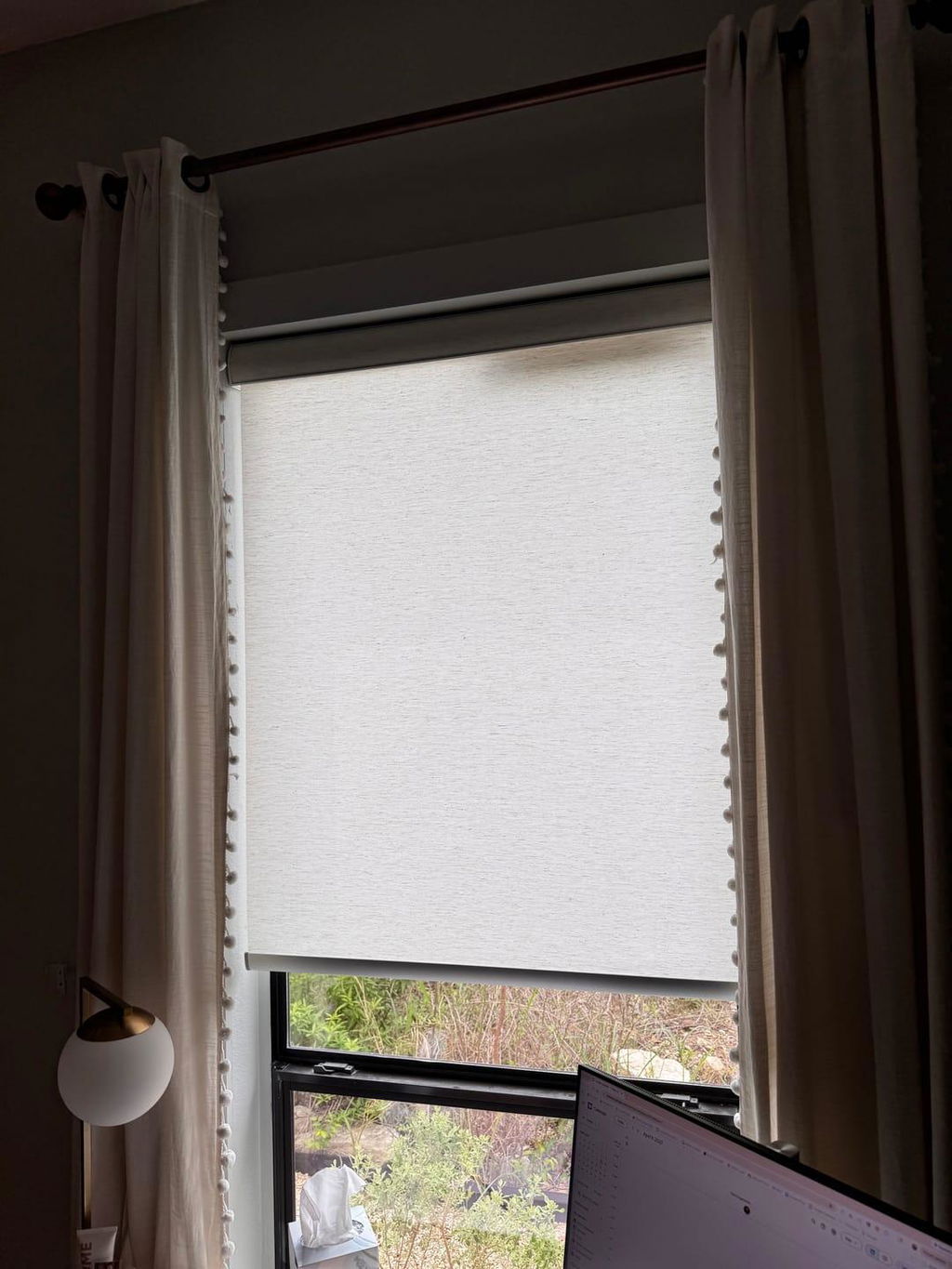
Despite my love for the look of wood, I find myself recommending insulating cellular shades more often than not. Why? Because most of us live in houses that aren't perfectly climate-controlled. The honeycomb structure traps air, creating a literal barrier between your conditioned air and the glass. It is a functional flex that actually lowers your utility bill, and modern fabrics have come a long way from the 'paper-y' feel of the past.
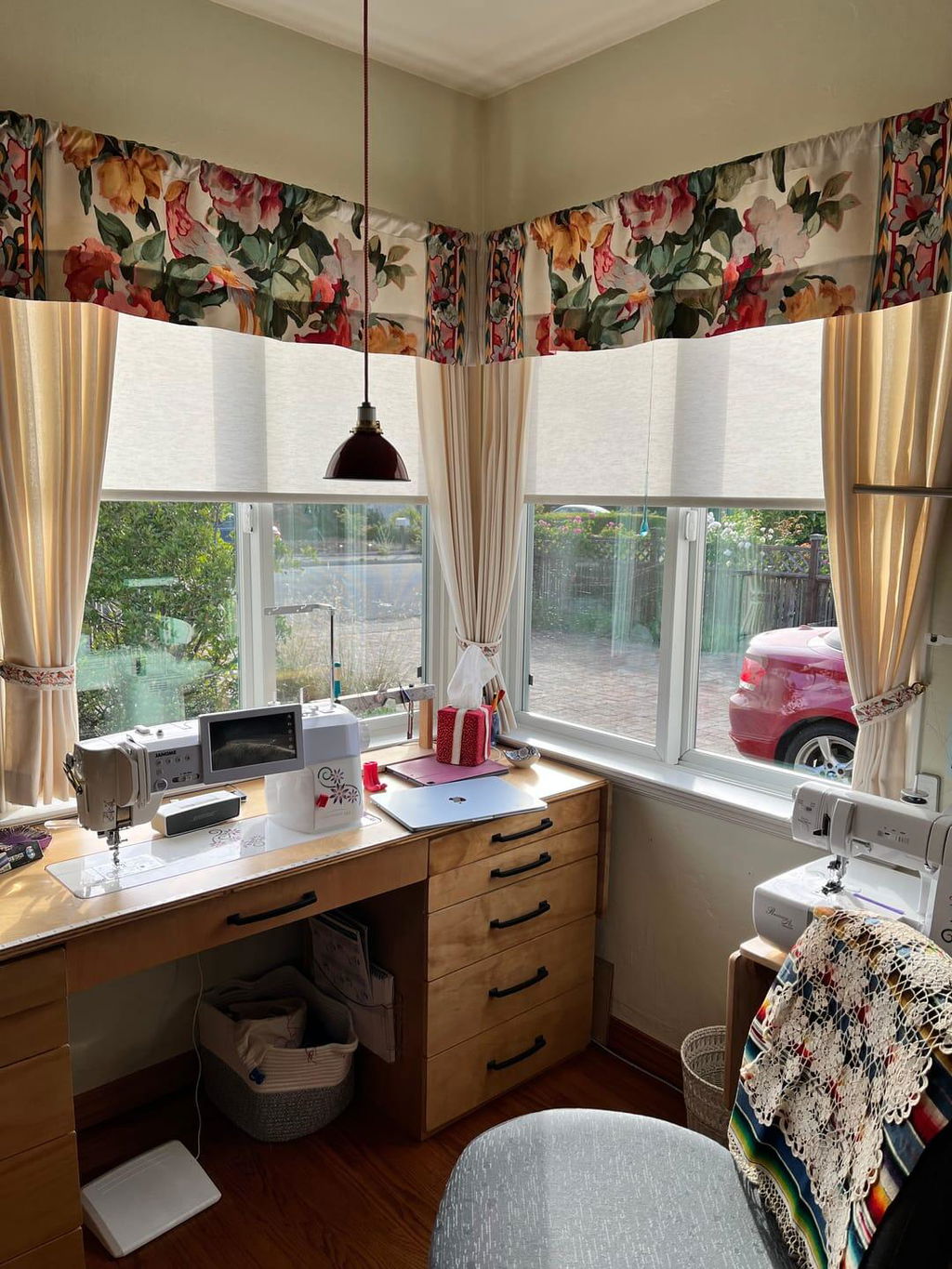
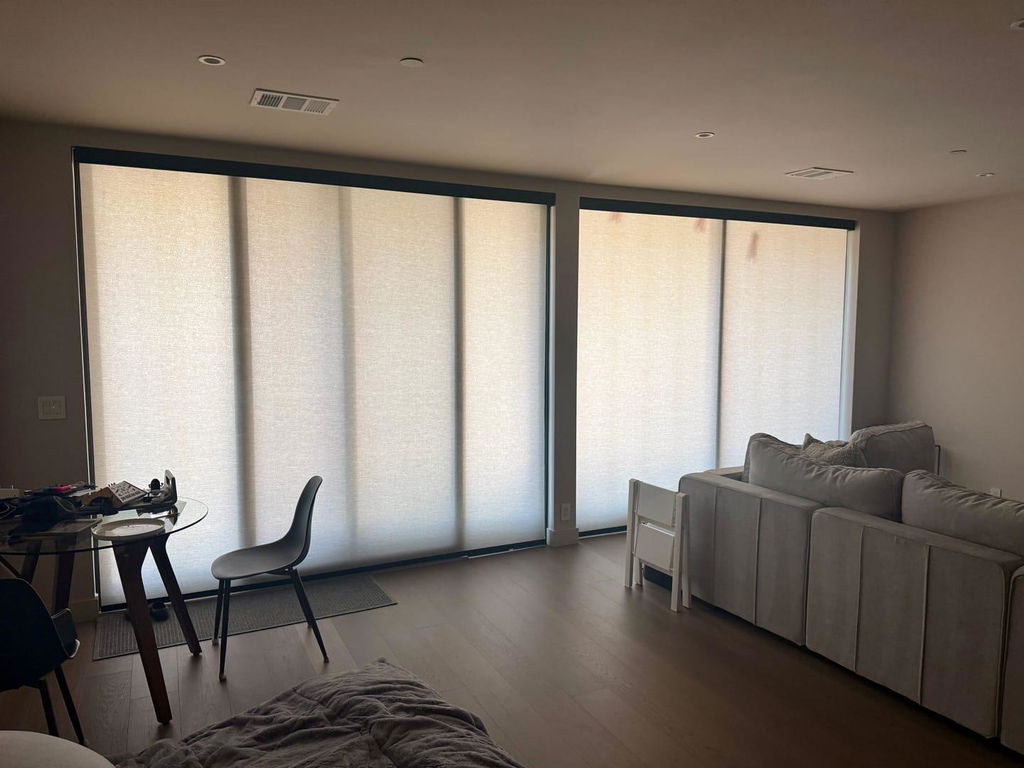
When comparing cellular shades vs roller shades, the cellular option provides a much softer, residential vibe. They don't have that flat, vinyl-heavy look that can sometimes feel cold. Instead, you get a pleated texture that adds just enough visual interest without being distracting. They also have the smallest stack in the industry. When you pull a cellular shade up, it virtually disappears, giving you 100% of your view back. For a minimalist or a mid-century modern space, that clean look is essential.
Are Cellular Shades Better Than Blinds for Privacy?
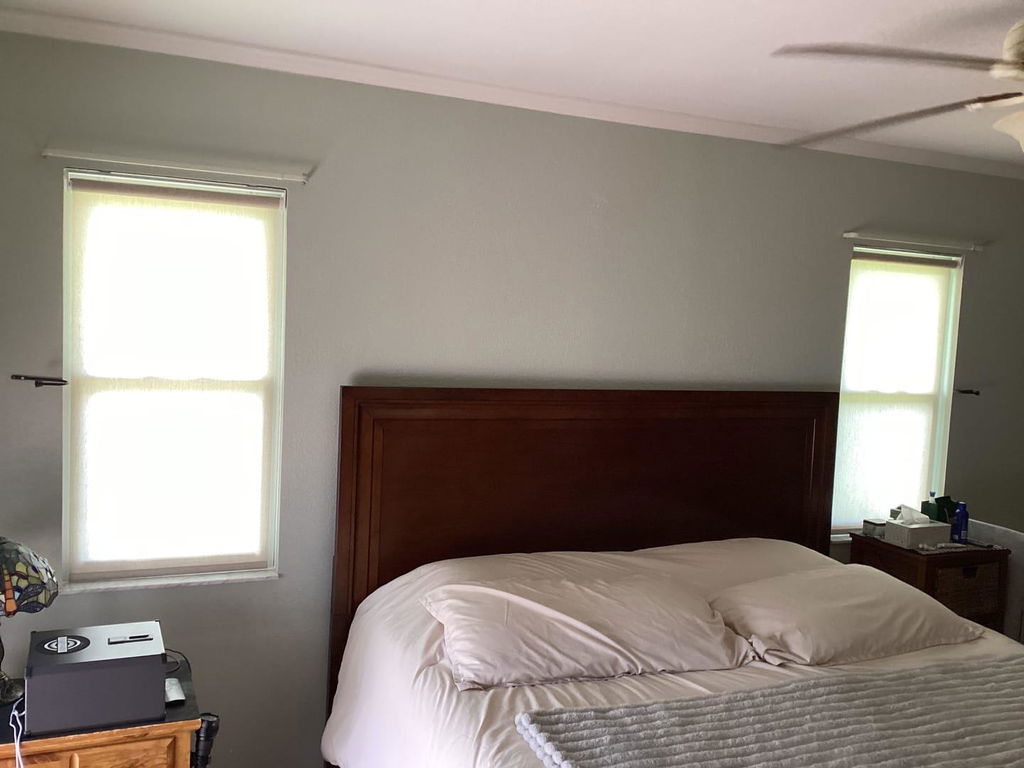
If you are choosing cellular shades or blinds for a street-facing bedroom or a bathroom, cellulars are the undisputed champion. This is specifically due to the 'Top-Down/Bottom-Up' (TDBU) feature. You can lower the top of the shade to let in the sky and natural light while keeping the bottom half closed for total privacy. Blinds can tilt, yes, but someone standing at the right angle outside can still see through the slats.
For those tricky spots like skylights or high clerestory windows, I always suggest motorized top-down bottom-up options. There is nothing more frustrating than a window you can't reach that is constantly blinding you at noon. Motorization turns a chore into a luxury, and with cellulars, you get that seamless, cord-free look that is also much safer for homes with kids or pets.
Cellular Shades vs Faux Wood Blinds: The High-Humidity Test
In the kitchen or the primary bath, the cellular shades vs faux wood blinds debate gets practical. I have a 'no real wood in the bathroom' rule—it is just asking for warped slats and peeling paint. Faux wood is the standard here because it’s basically indestructible and can be scrubbed with a damp cloth when it gets dusty or splashed with pasta sauce.
However, don't count out cellulars. Modern polyester-based cellular fabrics are surprisingly moisture-resistant and won't harbor mold if the room is well-ventilated. The deciding factor for me is usually the 'cleaning' aspect. If you are the type of person who wants to wipe down your window treatments every week, go with faux wood. If you prefer to 'set it and forget it' with an occasional dusting, the cellular shade is your friend. I personally find cleaning individual slats to be a special kind of purgatory, which is why my own kitchen features a moisture-friendly cellular shade.
The Final Verdict: Cellular Shades or Blinds?
So, are cellular shades better than blinds? It depends on your priorities. If you want a classic, built-in look with total control over light direction, go with blinds. If you want energy efficiency, a 'disappearing' stack, and superior privacy, cellulars are the way to go. I often tell clients to mix and match: use wood blinds in the formal dining room for the aesthetic, and use cellular shades in the bedrooms for the sleep-friendly light blocking and insulation.
My personal fail-safe? If the room feels 'hard' (lots of wood furniture, tile, or metal), go with the soft texture of a cellular shade. If the room feels 'soft' (lots of upholstery, rugs, and drapes), the structured lines of a blind will provide the necessary contrast. Trust your gut, but also trust your thermostat.
Personal Experience: My 'Slatted' Regret
In my first apartment, I insisted on 2-inch white faux wood blinds for every single window. I loved the way they looked from the street. Two months in, I realized my mistake. My bedroom faced a streetlamp, and no matter how much I tilted those slats, light leaked through the 'route holes' (the tiny holes where the strings go). I ended up taping cardboard over the holes until I finally swapped them for blackout cellular shades. Lesson learned: beauty is great, but sleep is better.
FAQ
Do cellular shades provide more privacy than blinds?
Yes, especially if you choose the Top-Down/Bottom-Up style. Cellular shades are a solid piece of fabric with no slats for people to peek through, whereas blinds always have small gaps between the slats and the cord holes.
Which is easier to clean?
Blinds are easier to deep-clean because you can use a damp cloth on the slats. Cellular shades are made of fabric, so they are better suited for light dusting or vacuuming with a brush attachment. They are harder to 'wash' if they get stained.
Are cellular shades more expensive than blinds?
Generally, yes. High-quality cellular shades, especially those with motorization or specialized insulating fabrics, tend to have a higher price point than standard faux wood blinds. However, the energy savings often offset that initial cost over time.