Why I Swapped Cellulars for Top Down Bottom Up Wood Blinds
I remember sitting in my first 'grown-up' apartment, staring at the street-facing windows. I needed privacy, but I didn't want to live in a cave. I bought those ubiquitous white cellular shades because everyone said they were practical. They worked, sure, but they looked like a stack of office paper glued to my window frame. Every time the sun hit them, my living room turned into a glowing, sterile lightbox. Eventually, I realized I needed the architectural weight of top down bottom up wood blinds to actually make the room feel like a home rather than a temporary rental unit.
Quick Takeaways
- Wood provides organic texture and 'soul' that synthetic cellular fabrics lack.
- Top-down functionality allows for natural light while blocking the view of passersby.
- Faux wood is the essential pivot for high-humidity areas like bathrooms.
- Layering with floor-to-ceiling drapes prevents the 'floating' shade look.
- Motorization is a must for windows wider than 48 inches due to the weight of real timber.
The Problem With the 'Paper Accordion' Look
The street-level window dilemma is real. If you live in a city or a dense suburb, you are constantly negotiating with the sidewalk. You want to see the sky, you want to know if it is raining, and you definitely want the 10 AM sun, but you do not want the delivery driver knowing what brand of cereal you are eating. Cellular shades are the industry's default answer to this. They are affordable, they insulate, and they have that top-down feature that lets you drop the top half while keeping the bottom sealed.
But visually? They are flat. They have zero depth. When they are closed, they look like a solid wall of pleated polyester. There is no shadow play, no grit, and no character. They are the 'safe' choice that often leaves a room feeling visually unfinished. In my old place, no matter how many velvet pillows or vintage rugs I threw at the room, the windows always felt like a weak point. They lacked the structural 'snap' that a window needs to feel like a designed element of the architecture. You end up with a room that functions well but feels like a corporate hotel suite.
The Textural Upgrade: Enter the Woven Wood
When I finally made the switch to top down wood blinds, the vibe of my living room shifted instantly. Wood brings a soul to a space that fabric simply cannot mimic. Think about the difference between a white plastic table and a heavy oak desk; that is the difference we are talking about here. Real wood slats—I usually recommend a 2-inch basswood—introduce a rhythmic horizontal line that grounds the window. They cast these incredible, dappled light patterns across the floor that change throughout the day, turning a boring afternoon into a moody, atmospheric scene.
Unlike cellulars, which just glow like a neon sign when the sun hits them, wood top down bottom up blinds allow you to tilt the slats even when the shade is lowered from the top. This gives you double the light control. You can drop the top 12 inches to see the trees, but still tilt the slats to block the glare on your TV. It is a more sophisticated way to manage light. I opted for a dark walnut stain in my current office to contrast with the light greige walls, and it provides that 'library' warmth that makes me actually want to sit at my desk. It feels permanent, custom, and intentional.
Dealing With High-Humidity Zones (Like My Tiny Bathroom)
Now, a word of caution for my fellow enthusiasts: do not put real wood in a bathroom where you actually shower. I learned this the hard way with a set of bamboo shades that started to bow like a smile after three months of steam. The moisture gets into the grain, the slats warp, and suddenly your expensive custom treatment won't even close properly. This is where you pivot to top down bottom up faux wood blinds. Modern faux wood is incredible—it is essentially a composite material that looks like painted or stained timber but is completely waterproof.
In my tiny master bath, I used a crisp white faux wood with the top-down feature. It allows me to let the morning sun in while I am getting ready without giving the neighbors a show. If you find the look of slats too 'busy' for a small bathroom, you might consider Day Night Shades as an alternative. They offer a similar multi-functionality with a sheer top and a solid bottom, but for my money, the faux wood slat is easier to wipe down when the hairspray and steam start to settle. It is a practical compromise that doesn't look like a compromise.
How to Style the 'Floating' Wood Shade
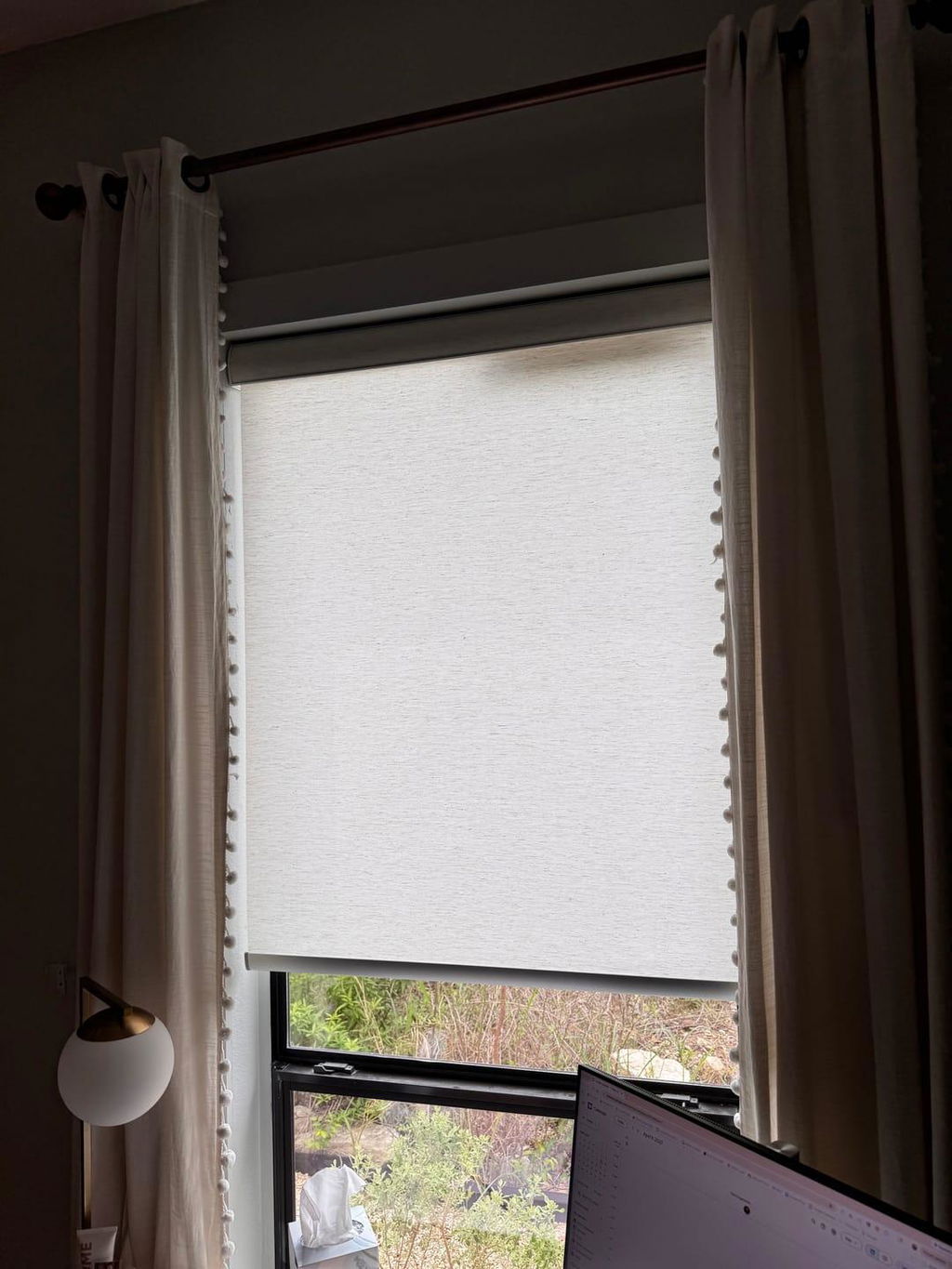
One critique people have of top-down shades is that when they are suspended in the middle of the window, they can look a bit like they are 'floating' or 'broken.' It is a valid point. If you have a top down bottom up wood shades unit sitting solo in a window with no other treatment, the hardware at the top and the gap between the shade and the frame can look a little industrial. The fix is layering. I never leave a wood shade to fend for itself. I always frame the window with floor-to-ceiling drapery panels.
I usually go for a 200 gsm linen blend with about 2.5x fullness. By hanging the curtain rod 6 inches above the window frame and extending it 8 to 10 inches past the sides, you create a soft 'frame' for the wood blinds. This anchors the edges and hides the light gaps. While Roller Shades are great for a minimalist look, they don't provide the same architectural depth when layered. The wood slats provide a rigid, structured backdrop that makes the soft folds of the linen curtains pop. It is all about the contrast between the hard wood and the soft fabric. It makes the window feel like a finished composition rather than just a hole in the wall with a cover over it.
When the Wood Gets Too Heavy (The Motorized Pivot)
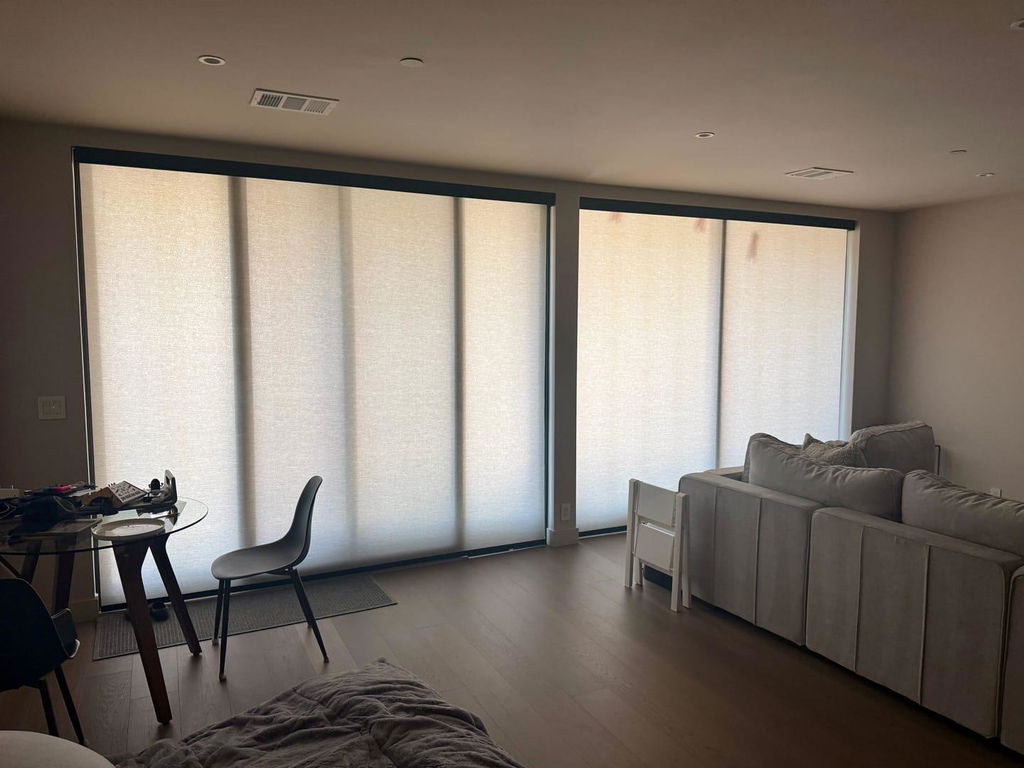
Here is the technical reality: wood is heavy. If you are dealing with a large picture window—anything over 48 inches wide—a manual top-down bottom-up mechanism is going to be a workout. I once installed a 60-inch wide real wood shade in a dining room and the cords were under so much tension that they felt like they were going to snap every time I adjusted them. The physics of pulling a heavy wood headrail up and down while also managing the bottom rail is a lot for standard nylon cords to handle over time.
If you have the budget, this is the place to invest in motorization. It eliminates the cord clutter (which is a huge plus for aesthetics and safety) and saves the internal mechanisms from the wear and tear of human hands. I actually wrote a whole piece on Why I Picked Motorized Blinds Top Down Bottom Up Over Cafe Curtains for my breakfast nook because I got tired of reaching over the table to struggle with the cords. If your window is wide, go motorized. If it is narrow, the manual cord is fine, but always use two hands to level the shade as you move it.
Are They Worth the Custom Price Tag?
Custom window treatments are never 'cheap,' but they are the single most effective way to make a builder-grade room look high-end. When you spend the extra money on the specialized lifting mechanism of top down bottom up wood blinds, you aren't just buying a shade; you are buying control over your environment. You are choosing to have light without the fishbowl feeling. You are choosing the warmth of natural materials over the sterile glow of plastic-heavy alternatives.
In my experience, the investment pays off every single morning when the sun hits those slats. The room feels grounded, private, and expensive. If you are tired of the 'paper accordion' look of cellulars, make the jump to wood. Measure twice—seriously, measure to the nearest eighth of an inch—and don't be afraid to go for a darker stain than you think you need. The contrast will do your room wonders.
Personal Experience: The Measuring Mishap
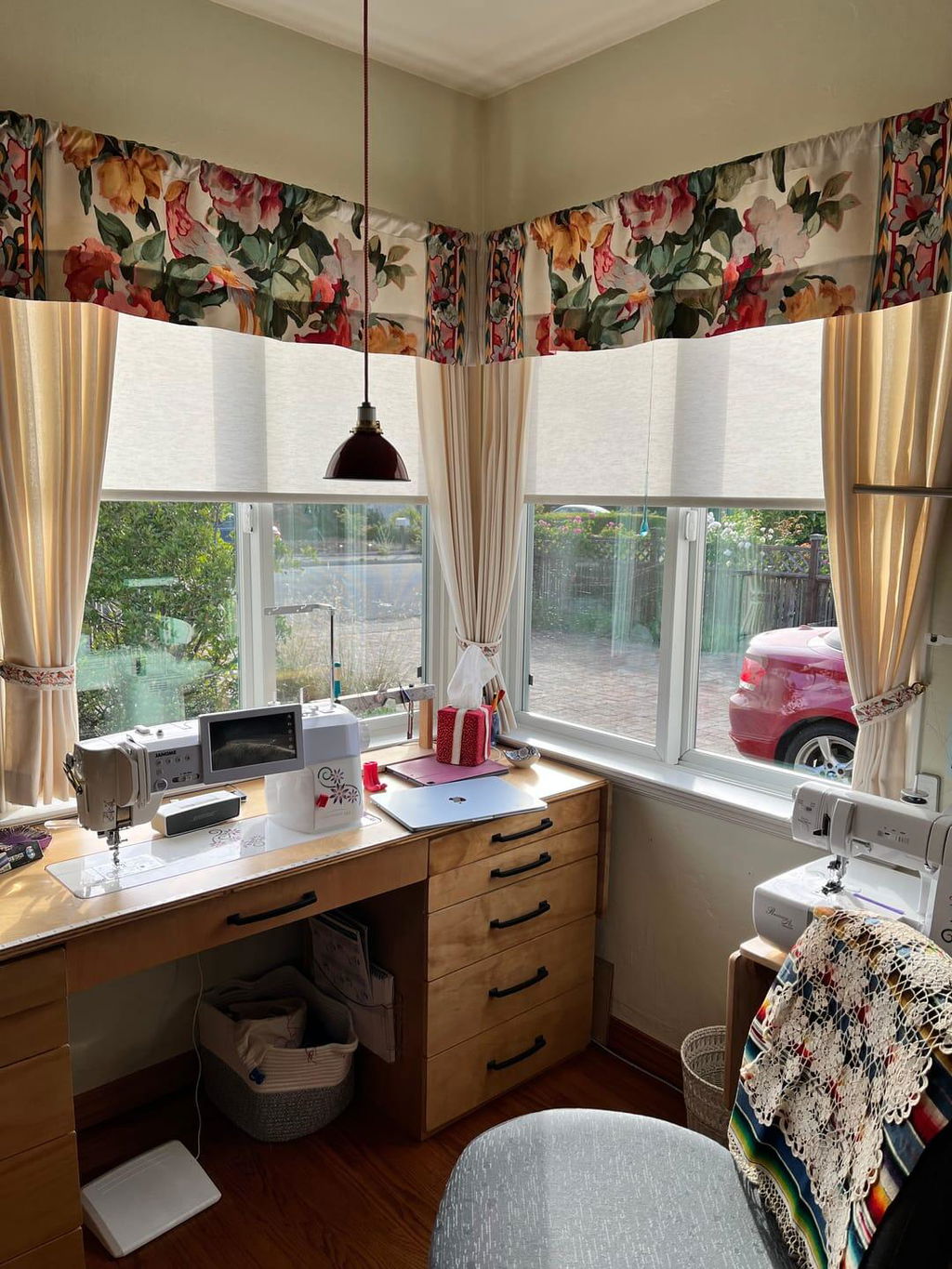
I once ordered a custom set of these for a guest room and forgot to account for the depth of the window handle. The blinds hit the handle and sat proud of the frame by two inches, which looked absolutely ridiculous. I had to shim the brackets and hide the gap with a thick velvet valance I made at midnight before my mother-in-law arrived. It was a mess. The lesson? Always check your 'minimum mounting depth' before you hit buy. Wood slats need room to breathe.
FAQ
Do wood blinds get dusty?
Yes, they do. But unlike fabric shades that trap allergens in the fibers, you can just run a microfiber cloth or a dedicated slat duster over them once a week. It takes two minutes.
Can I install top down bottom up wood blinds myself?
If you can use a drill and a level, you can do this. The most important part is ensuring the brackets are perfectly level so the headrail doesn't tilt, which can cause the cords to tangle.
Are they noisy when the window is open?
They can clack a bit if there is a heavy breeze, but I actually find the sound of wood on wood quite soothing compared to the crinkle of plastic or the rattle of aluminum.