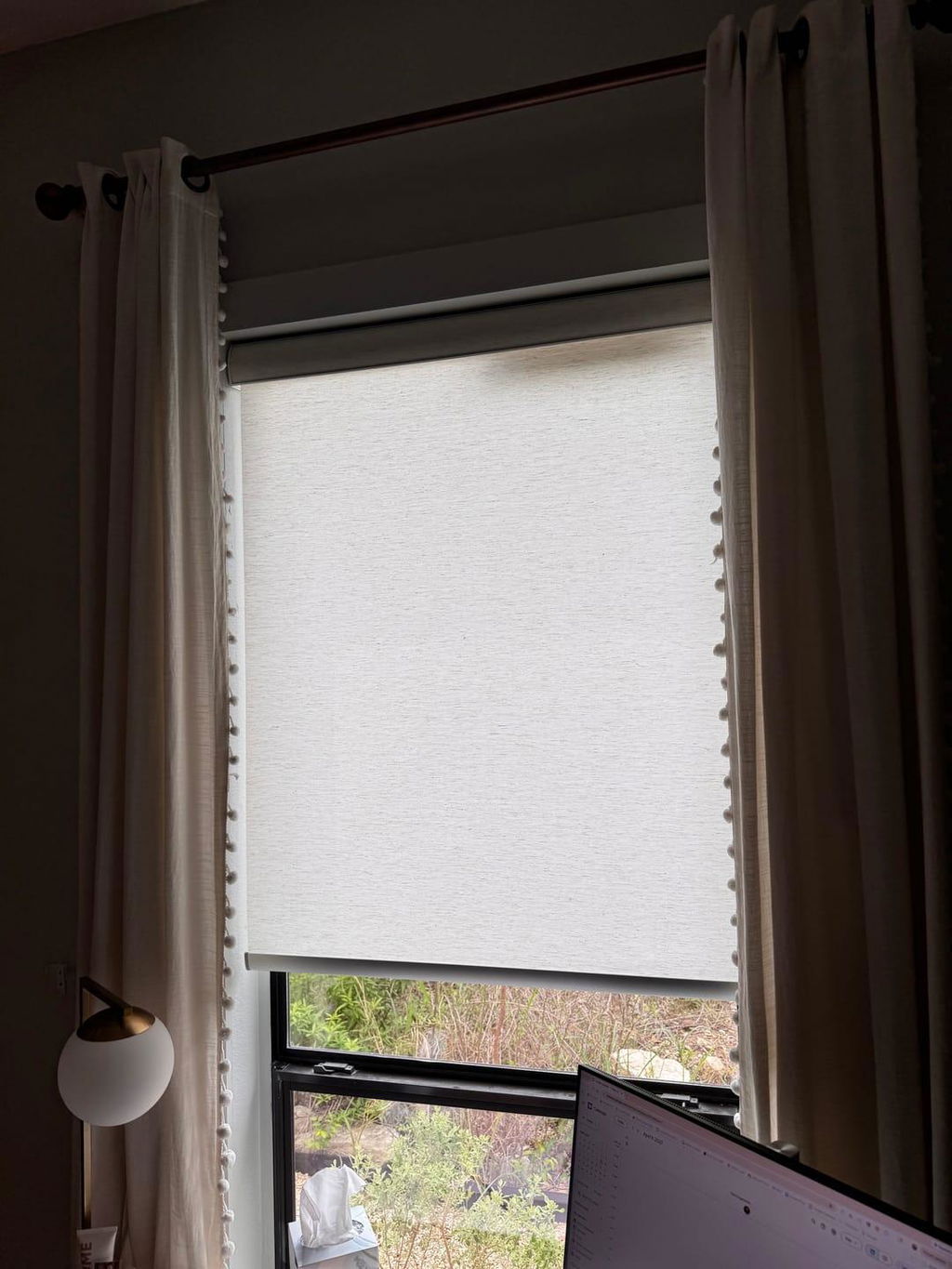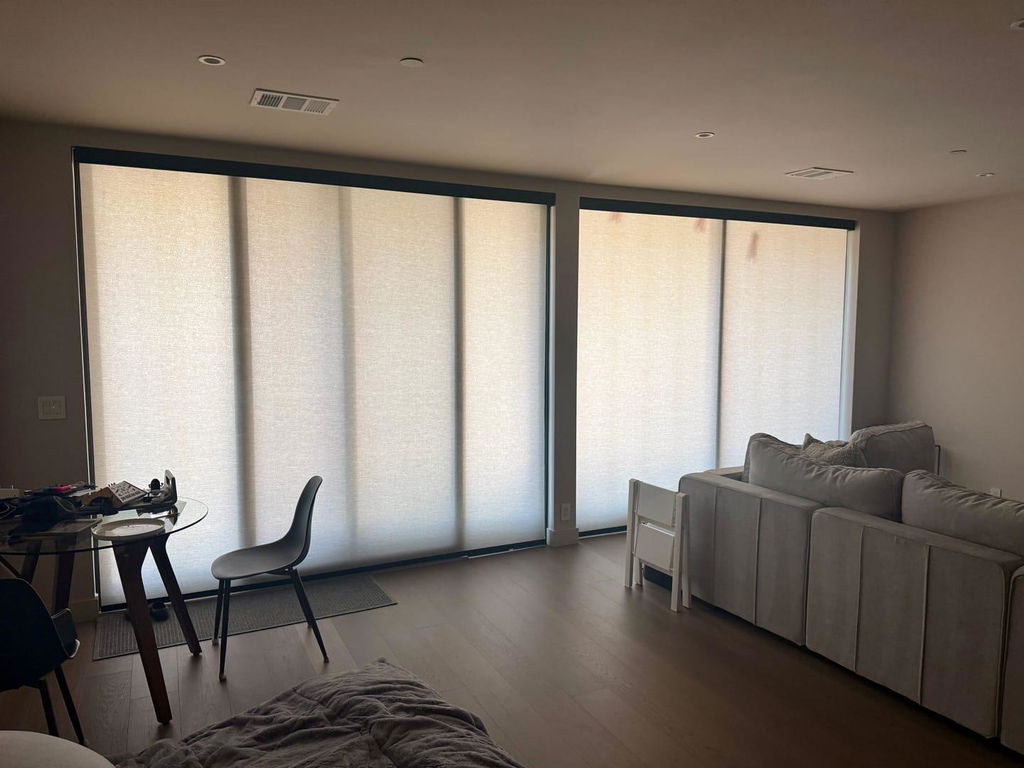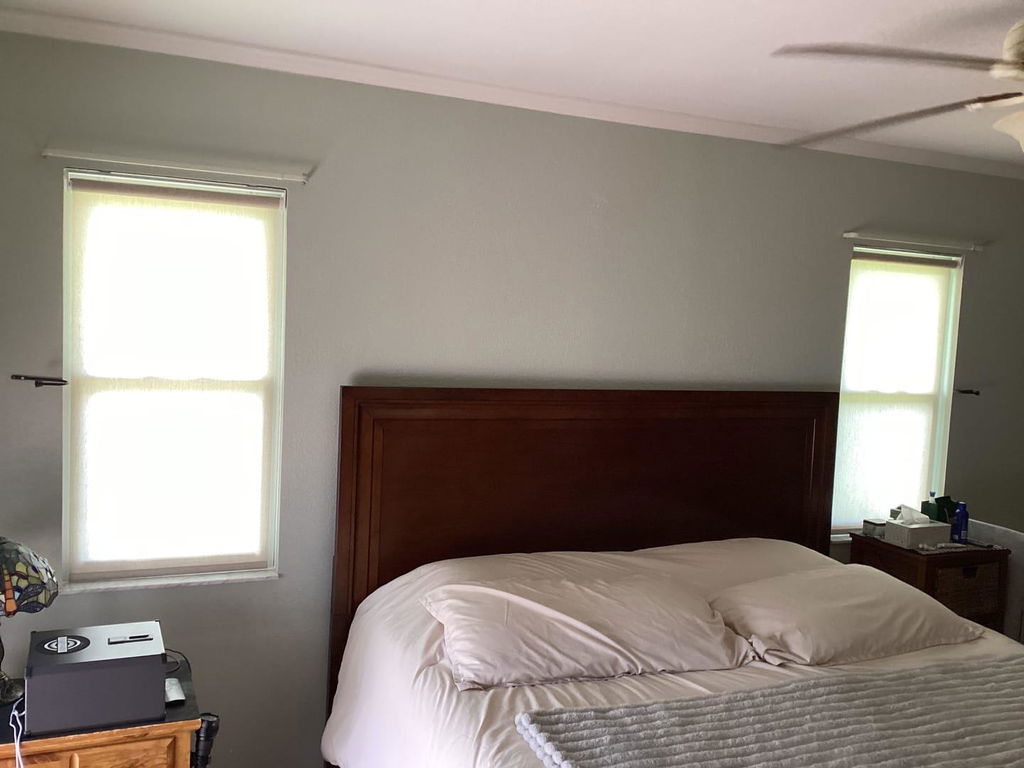
Why I Picked Motorized Blinds Top Down Bottom Up Over Cafe Curtains
I spent three weeks obsessing over the perfect brass rod for my kitchen window. I wanted that Nancy Meyers look—breezy linen panels at the halfway mark, letting the morning sun hit the marble backsplash. But three months in, the reality set in: the hem was perpetually damp from the sink, and the rod visually sliced my window in two, making my 8-foot ceilings feel like 7. That is when I pivoted to motorized blinds top down bottom up and never looked back.
- Privacy without the gloom: You keep the bottom half closed for privacy while the top lets in pure, unfiltered sky.
- Cleaner lines: Inside-mounted shades disappear into the window frame, unlike bulky rods.
- Zero splash zone: No fabric hanging near the sink or tub means no mildew or water spots.
- Smart scheduling: Set them to drop at sunset and rise at 7 AM without touching a cord.
The Cafe Curtain Dilemma (And Why I Bailed)
Cafe curtains are having a massive moment on Instagram, and I get the appeal. There is something undeniably romantic about a 200 gsm linen blend softly gathered on a thin rod. But in high-traffic areas like a kitchen or a primary bathroom, they are a functional nightmare. If you have a window behind the sink, those beautiful pleats inevitably become magnets for dishwater splashes and grease.
Beyond the mess, there is the scale issue. A cafe curtain creates a hard horizontal line right across your field of vision. Unless you have massive 10-foot windows, this bisecting line often makes a room feel shorter and more cluttered. I found myself constantly fidgeting with the rings, trying to get the tension right, only for the fabric to look limp after one humid afternoon.
The Sleeker Alternative: Dropping Light From the Ceiling
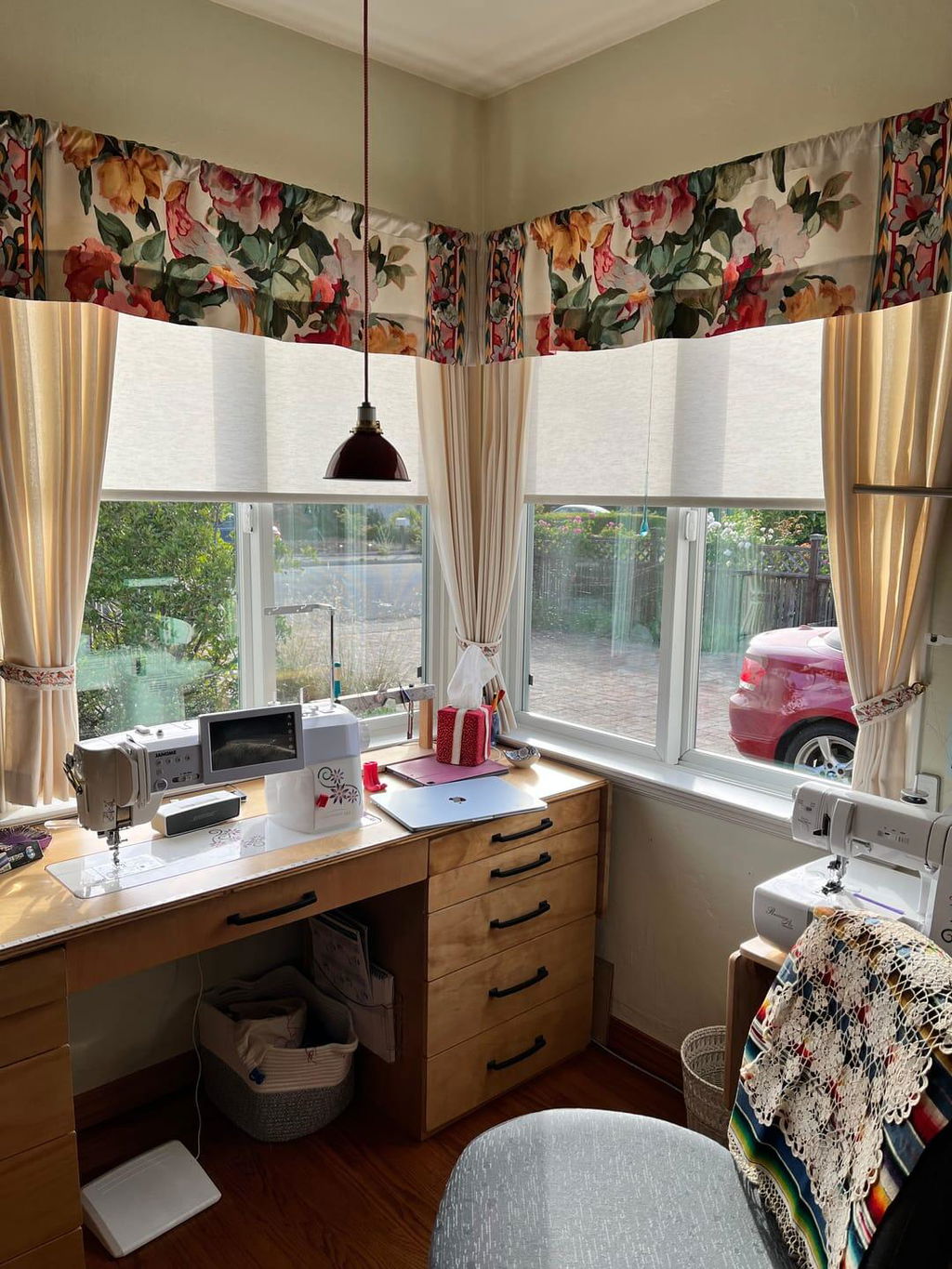
When I finally swapped the linen for motorized window treatments, the room immediately felt five feet taller. The magic of the top-down, bottom-up design is that it mimics the privacy of a cafe curtain but does it from the top down. By lowering the shade from the headrail, you create an unbroken sightline to the trees and sky.
It feels architectural rather than 'decorated.' In my studio, I can drop the top 18 inches of the shade, which floods the ceiling with light that then bounces down into the rest of the room. It is a soft, diffused glow that you just cannot get when the top half of your window is blocked by a traditional shade or left bare and exposed.
Why You Must Automate the Top-Down Feature
I have tried the manual version of these shades before, and frankly, they are a pain. You end up with four different cords dangling like a tangled mess of spaghetti, and getting the bottom and top rails perfectly level is a test of patience I usually fail. This is why top down motorized blinds are the only way to go.
With a remote or an app, those rails move in perfect symmetry. There is no reaching over a deep kitchen counter or stretching over a soaking tub to pull a stubborn cord. I actually have mine programmed to a 'Goldilocks' setting that fixed my fishbowl home by automatically adjusting to the exact height of the neighbor's fence line at dusk.
The 3 Rooms Where This Shade Style Shines Brightest
In the kitchen, motorized top-down shades are a sanity-saver. You get the morning light while you make coffee, but you aren't putting on a show for the mailman. Because they sit inside the window casing with a tight 1/8th-inch clearance, they stay dry and clean, far away from the faucet.
Bathrooms are the second obvious win. Steam is the enemy of heavy drapery, but a high-quality cellular or solar material handles humidity without a flinch. You can bathe in natural light without feeling like you are on display. For bedrooms, I often suggest motorized dual roller shades if you need total blackout, but for every other room, the top-down flexibility is superior.
Finally, the home office. If you struggle with screen glare but hate working in a dark cave, this is your fix. Drop the top of the shade to let the sun hit the ceiling, but keep the bottom part closed to block the direct rays hitting your monitor. It is the most productive lighting setup I have ever used.
Getting the Fabric and Fit Right
The biggest mistake people make is choosing a fabric that looks like a sterile doctor's office. If your motorized cellular blinds look basic, it is likely because you went with a flat, bright white paper-thin material. Opt for a woven texture or a soft sand tone that has some 'tooth' to it.
Always go for an inside mount if your window depth allows it. It keeps the profile slim and highlights the window's molding rather than hiding it. I measured my frames three times before ordering—marking the top, middle, and bottom widths—because even a 1/4-inch slope in your window frame can make a motorized shade bind. Precision is everything here.
My Honest Design Regret
I have to be real: I once tried to save money by using 100% linen cafe curtains in a guest bath. I didn't pre-wash the fabric, and after three months of shower steam, they shrank nearly three inches. They looked like high-water pants for a window. That was the day I realized that some rooms need the precision of a motorized shade rather than the 'charm' of fabric that won't behave. The investment in automation felt steep at first, but not having to wash, iron, or re-hang curtains every season is a luxury I will never give up.
FAQ
Do motorized top-down shades need to be hardwired?
Not anymore. Most modern versions use rechargeable lithium-ion batteries that hidden inside the headrail. You only need to plug them in for a few hours once or twice a year, depending on how often you move them.
Can I still see out of the bottom?
If you have the shade fully raised, yes. But the whole point of this style is the flexibility. You can have the bottom closed, the top closed, or both hovering in the middle of the window like a floating panel.
Are they loud?
High-end motors are remarkably quiet—think a low hum rather than a mechanical grind. In a quiet room, you will hear them, but it is a subtle, sophisticated sound that usually signals 'I am about to have a very private, very cozy evening.'