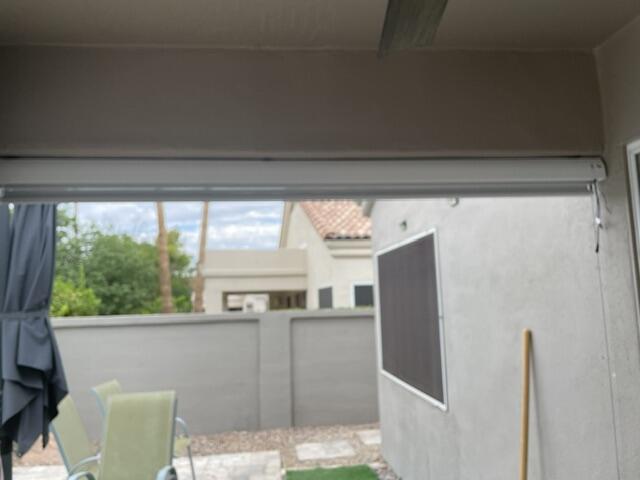
Why I Only Trust Blackout Roller Blinds Made to Measure for Bedrooms
I remember my first apartment in a 1920s brownstone. I spent $200 on 'blackout' panels from a big-box store, only to realize the sun didn't care about the fabric—it cared about the gaps. Every morning at 6 AM, a laser beam of light hit me right in the eye, bouncing off the white trim like a spotlight. That was the day I realized blackout roller blinds made to measure aren't a luxury; they're a basic requirement for anyone who actually wants to sleep past dawn.
- Standard sizes are built for 'perfect' windows that don't exist in the real world.
- Light bleed can ruin the effectiveness of even the thickest blackout fabric.
- DIY hacks like foam tape or oversized curtains often look messy and fail quickly.
- Precision measuring at three points is the only way to ensure a snug, light-blocking fit.
The Myth of the Perfectly Square Window
Houses move. They breathe, they sag, and they definitely don't stay square. Whether you're in a century-old Victorian or a brand-new condo, your window frames are likely 'out of plumb.' If you take a level to your window frame right now, I'd bet my favorite brass level that the top width is at least an eighth of an inch different from the bottom. This is the death knell for off-the-shelf shades.
When you buy a 'standard' size, you're buying for an average that doesn't exist. You end up with a shade that either jams against the side of the frame or leaves a gaping half-inch hole where the light pours in. Browsing a collection of roller shades is the first step toward admitting your windows are unique, wonky, and deserving of a custom fit that actually fills the space it's supposed to.
Why 'Light Bleed' Is the Enemy of Good Sleep
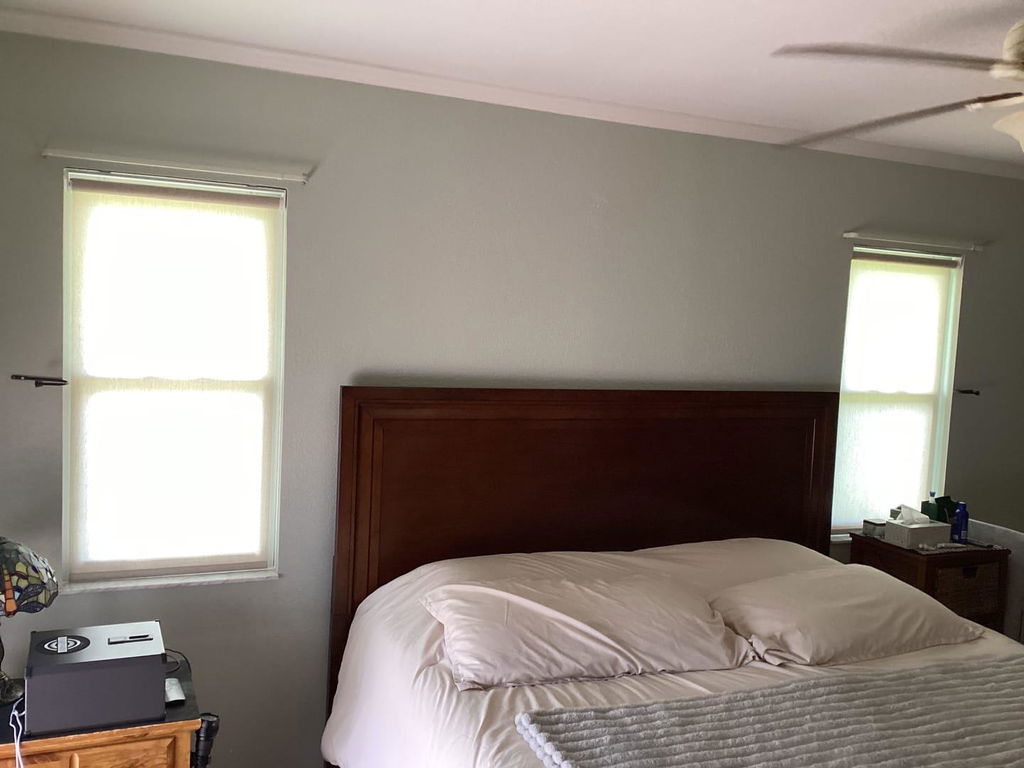
Light is sneaky. It hits a white-painted window jamb and bounces around like it’s in a hall of mirrors. This is why a quarter-inch gap isn't just a quarter-inch of light; it’s a glowing halo that illuminates your entire headboard. Even if your fabric is 100% opaque, that perimeter leak turns a dark sanctuary into a grey, hazy mess by 7 AM.
I’ve spent too many nights in hotels with poorly fitted shades to ever tolerate it at home. That 'light bleed' is what disrupts your melatonin production. It’s the difference between deep, restorative REM sleep and that half-awake state where you’re debating if it’s worth getting up to drape a towel over the curtain rod just to get another hour of rest.
The Exhausting Cost of Hacking Big-Box Blinds
I’ve tried every hack in the book. I’ve used adhesive foam weather stripping that eventually peeled off and left a sticky residue on my trim. I’ve tried 'side channels' that looked like industrial office equipment. I even once tried to trim a vinyl shade with a utility knife and a metal ruler on my living room floor. It was a disaster; the edges were jagged, the fabric started to fray within a week, and it never rolled up straight again.
Honestly, I ruined 3 blinds before buying blackout roller shades custom, and the money I wasted on 'cheap' fixes could have paid for the high-end version twice over. There is no amount of duct tape or clever layering that can fix a shade that was cut wrong at the factory. You end up with a window that looks cluttered and a room that still isn't dark.
How Blackout Roller Blinds Made to Measure Actually Fix the Gap
The secret to total darkness is the three-point measurement. You measure the top, the middle, and the bottom of the inside of your frame. You take the smallest of those three numbers and let the professionals handle the rest. When you order made-to-measure blackout blinds, the factory accounts for the hardware deductions to ensure the fabric gets as close to the edge as physically possible.
You also have to respect the 14 inch rule for blackout roller blinds made to measure to ensure your mounting surface is deep enough for the roll to sit flush. If your casings are too shallow for an inside mount, a custom outside mount with a 2-inch overlap on each side is your best friend. It creates a 'seal' of fabric against the wall that eliminates the halo effect entirely.
My Favorite Setup for Tricky Bedroom Windows
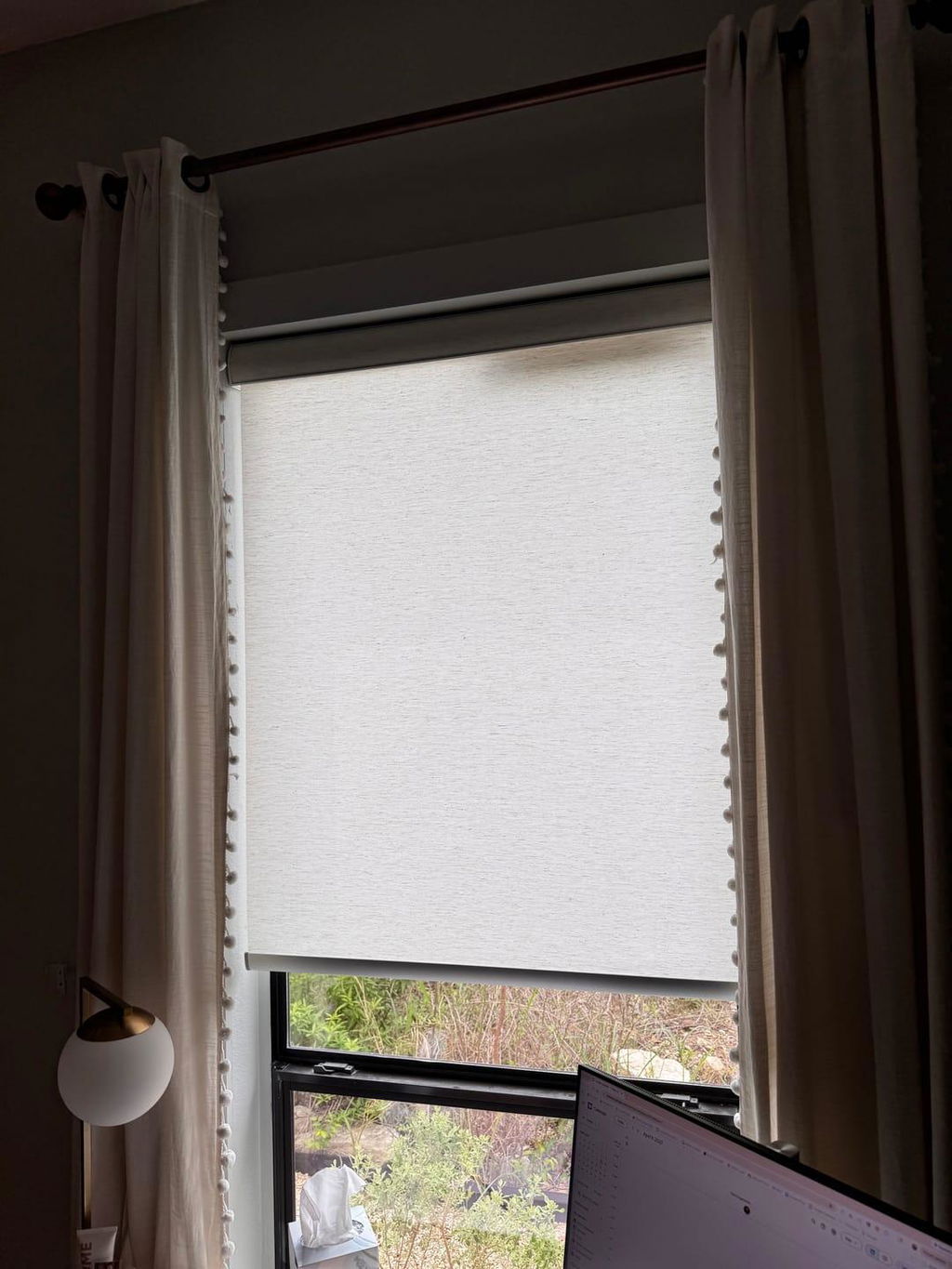
For my own bedroom, I’m a fan of the 'belt and braces' approach. I hate a window that looks like a black hole during the day, so I prefer layering. A custom roller blind provides the functional darkness I need, while a sheer linen drape adds the softness and texture that makes a room feel finished. It’s about merging architectural precision with a bit of soul.
If you want the gold standard, the Canisteo motorized dual roller shades cordless custom double roller blinds are the ultimate fix. You get a solar shade for daytime privacy and a full blackout shade for the night, all tucked into one sleek system. No dangling cords to ruin the lines, and you can close them from bed when you realize the moon is hitting your pillow. It’s the kind of upgrade you’ll wonder how you ever lived without.
Can I install these myself?
Absolutely. If you can use a drill and a level, you can handle a custom install. The hardest part is the measuring; once the brackets are up, the shade just clicks into place.
What fabric is best for total darkness?
Look for a high-quality polyester with a thermally insulated backing. It stays crisp, won't curl at the edges like cheap vinyl, and helps keep the room cool in the summer.
How do I clean custom roller blinds?
A damp microfiber cloth is usually enough to wipe away dust. Avoid harsh chemicals or submerging them in water, as you'll ruin the blackout coating and the internal spring mechanism.