Why I Abandoned Hobbled Folds for Crisp Flat Roman Shades
I remember staring at my kitchen window for three months, paralyzed by fabric swatches and mounting options. In a fit of 'more is more' energy, I originally installed a heavy, hobbled style with cascading loops of fabric. I thought it looked romantic; my husband thought it looked like a stack of dusty pancakes. Within a year, the novelty wore off, and I realized those heavy folds were just swallowing the natural light and hiding the beautiful 250 gsm Belgian linen I’d paid a premium for. That was the day I converted to flat roman shades.
Quick Takeaways
- Flat styles provide a clean, architectural look that doesn't compete with your furniture.
- They are the superior choice for showcasing large-scale patterns or high-quality fabric textures.
- Inside mounts highlight beautiful trim, while outside mounts can hide ugly frames and add height.
- Proper lining is the secret to preventing edge-curling and maintaining that 'crisp' geometry.
Why I Broke Up With Hobbled and Relaxed Folds
Early in my design journey, I fell for the 'relaxed' look. You know the one—the shade that swags in the middle like a tired hammock. It looks great in a French country magazine, but in a real house with real kids and real dust, it’s a nightmare. Those teardrop folds are notorious for trapping allergens and pet hair in the crevices. Every time I raised the shade, I felt like I was disturbing a small ecosystem of lint.
Beyond the maintenance, there is a structural issue. Traditional hobbled shades add massive amounts of bulk to the top of your window. When they are fully raised, the 'stack' can be 12 to 15 inches deep, blocking the very view you were trying to see. Transitioning to flat fold roman shades was like taking a deep breath. They offer a tailored, slim profile that feels intentional rather than fussy. They don't just cover a window; they frame it like a piece of art.
Modern flat window shades act as a bridge between the softness of a curtain and the precision of a shutter. If your room feels a bit 'mushy' or lacks definition, swapping out drooping fabrics for a flat roman can instantly sharpen the room's profile. It's the design equivalent of a well-tailored blazer versus an oversized hoodie.
The Anatomy of a Perfectly Crisp Flat Roman Shade
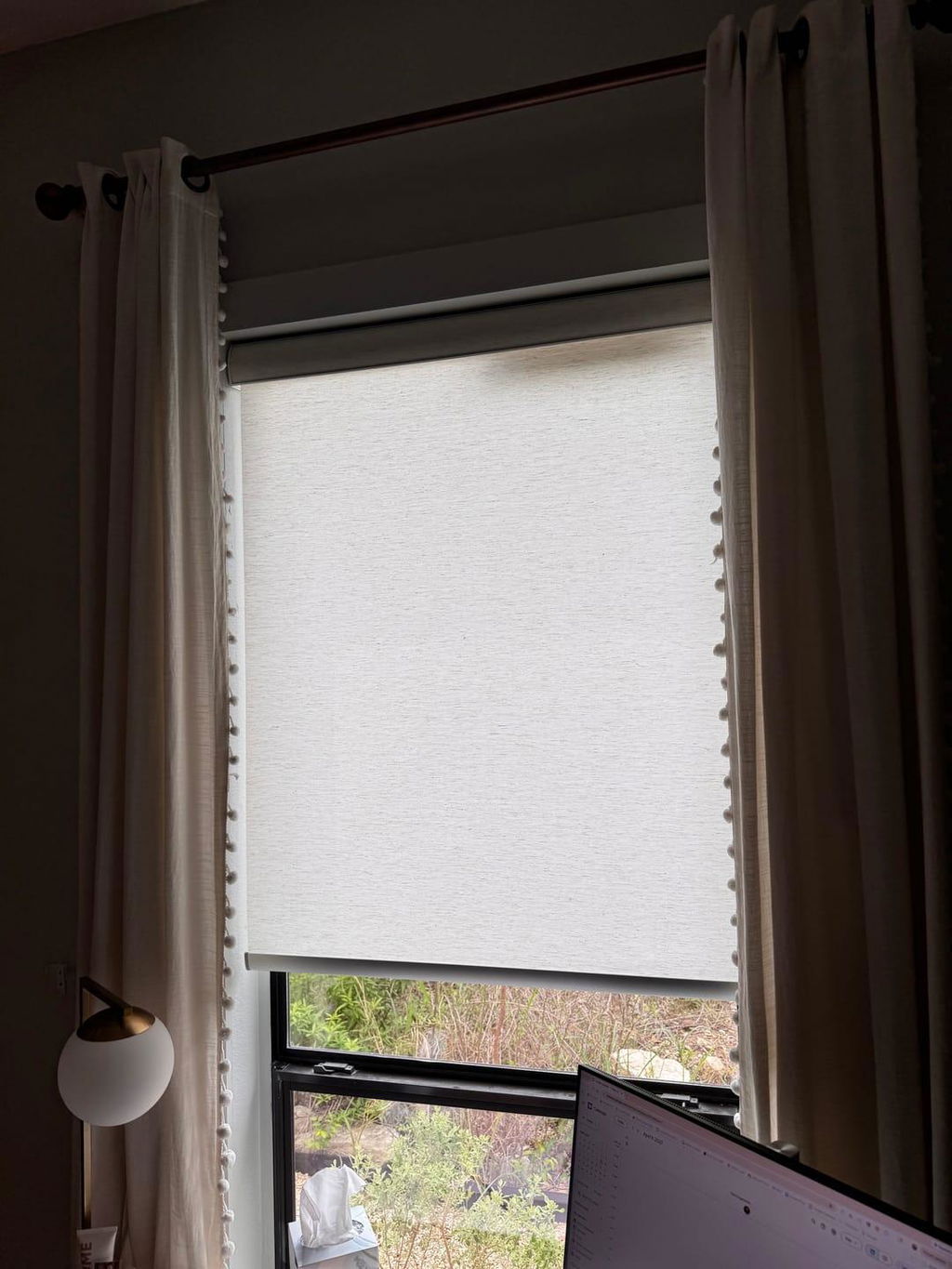
A true flat roman blind is a marvel of simplicity. Unlike its hobbled cousins, the face of the shade is one continuous, smooth panel of fabric. There are no horizontal seams or permanent folds stitched into the front to break up the visual flow. This is achieved by using thin, hidden stay-pockets on the back of the shade where the horizontal ribs are inserted. These ribs ensure that when you pull the cord, the fabric folds up in neat, accordion-style layers, but stays perfectly taut when lowered.
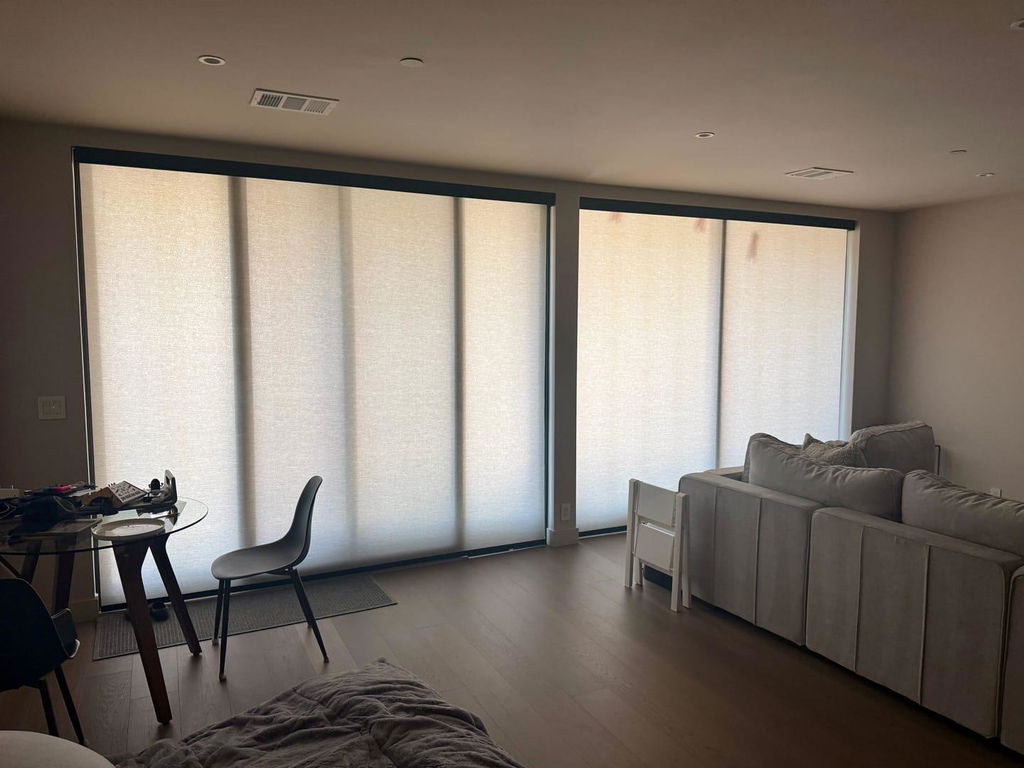
In our collection of roman shades, we emphasize this structural integrity because it makes the shade a total chameleon. In a minimalist loft, a flat shade in a neutral grey looks like part of the wall. In a traditional library, that same flat roman shade in a rich velvet adds a layer of sophisticated texture without the 'grandma's house' vibe of ruffled valances. It’s all about that clean, vertical drop that respects the lines of your window casing.
If You Use a Large Pattern, You Need a Flat Canvas
Here is my biggest design pet peeve: seeing someone spend $150 a yard on a stunning, large-scale botanical or a complex geometric print, only to have the pattern 'chopped' into pieces by cascading folds. When you use a hobbled or relaxed style with a pattern, the design gets lost in the shadows of the fabric loops. You end up with a decapitated bird or a geometric line that looks broken.
A flat roman blind acts as a canvas. When the shade is down, the pattern is fully visible, uninterrupted and flat against the light. It becomes a focal point, almost like a textile wall hanging. I recently styled a dining room using a bold, oversized floral print. By choosing a flat shade, we allowed the giant peonies to sit front and center. When the sun hits the fabric, the entire pattern glows without being distorted by lumpy overlaps. If you love the fabric enough to buy it, give it the space to be seen.
The Great Debate: Inside vs. Outside Mount for Flat Folds
This is where most people get stuck. If you have deep window wells and gorgeous mahogany or painted trim, a flat roman shade inside mount is the gold standard. It tucks the fabric neatly inside the frame, leaving the woodwork exposed. It’s a very high-end, custom look that feels integrated into the home's architecture. However, you need at least 2 inches of depth to ensure the headrail doesn't poke out like a sore thumb.
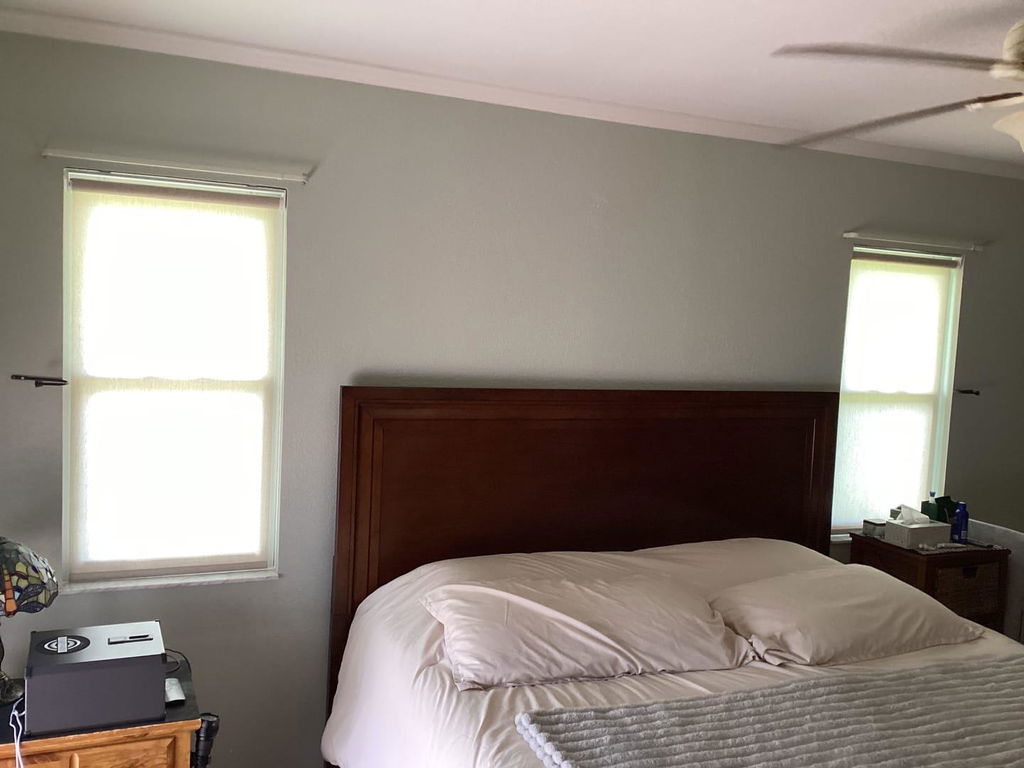
On the flip side, I often make the case for outside mount roman shades when the windows are small or the trim is, frankly, hideous. By mounting flat roman shades outside mount, you can place the header several inches above the actual window frame. This 'tricks' the eye into thinking the window is much taller than it actually is. It also allows you to clear the glass almost entirely when the shade is raised, maximizing every drop of vitamin D.
Whichever route you choose, measurement is everything. A flat shade that is half an inch too wide will rub against the casing and fray; half an inch too narrow will let in annoying light gaps. If you're doing this yourself, read the guide on how to install your shades before you even pick up the drill. I’ve seen too many people ruin a perfectly good flat roman by rushing the bracket placement.
Do You Actually Need a Valance With a Flat Shade?
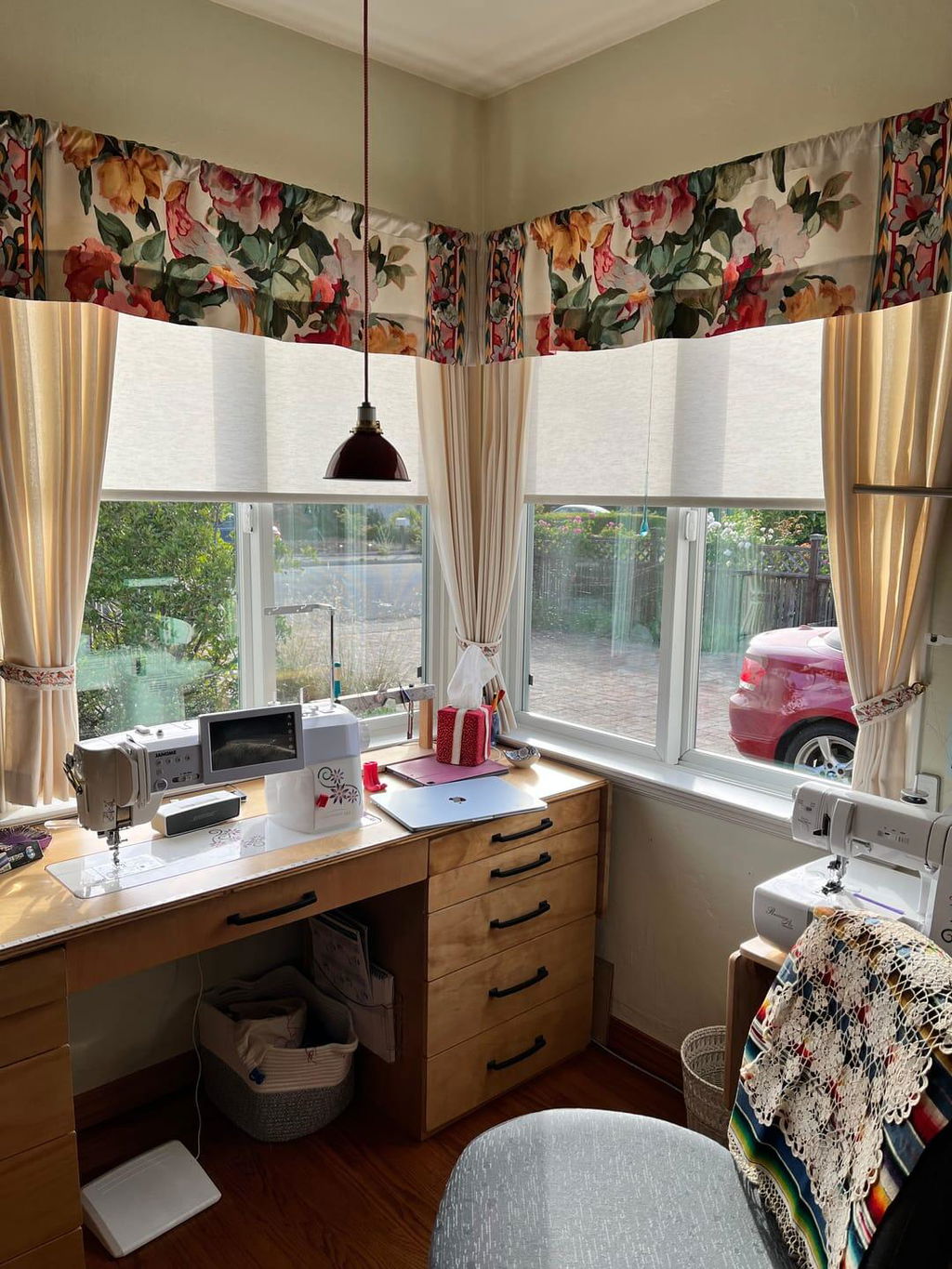
The short answer? Usually no. In the 90s, every window had a flat roman shade with valance to hide the clunky metal headrails. But hardware has come a long way. Modern flat window shades usually feature an integrated fabric-wrapped headrail or a sleek cassette system that looks finished from every angle. Adding a valance on top of a flat shade often adds unnecessary bulk that defeats the purpose of the 'flat' aesthetic.
If you are going for a very formal, traditional look, a small 4-inch valance in the same fabric can hide the 'stack' when the shade is raised. But for 90% of my projects, I prefer the 'no-valance' look. It’s cleaner, it’s cheaper, and it lets the flat roman speak for itself. If your hardware is ugly, you didn't buy the right shade.
The Unseen Lining Trick That Keeps Them From Bowing
The biggest 'fail' with flat roman shades is the dreaded edge-curl. This happens when the face fabric and the lining shrink at different rates, or when the fabric is too thin to support its own weight. To keep the edges from bowing inward like a Pringle, you must use a high-quality lining. I never specify a flat shade without a substantial blackout blind lining or at least a heavy sateen interlining.
The lining provides the 'bones' of the shade. It adds a layer of stiffness that keeps the horizontal ribs from sagging and ensures the edges stay parallel to your window frame. This is especially crucial for a flat roman shade inside mount, where a curling edge will expose the window jamb and look messy. Think of the lining as the interfacing in a coat collar—you don't see it, but without it, the whole thing collapses.
A Personal Lesson in Fabric Weight
I once made the mistake of ordering a 60-inch wide flat roman blind in a very lightweight, gauzy silk for a client's sunroom. I wanted that ethereal, breezy look. Within a month, the weight of the bottom bar started stretching the silk, and the 'flat' shade started looking like a wavy mess. I had to pay out of pocket to have them remade in a sturdy linen-cotton blend. The lesson? Silk is for drapes; flat fold roman shades need a fabric with some guts. Stick to linens, twills, or heavy jacquards, and you'll never have to redo your work at midnight before a dinner party.
FAQ
Are flat roman shades hard to clean?
Not at all. Because they lack the deep folds of hobbled styles, they don't collect nearly as much dust. A quick pass with a vacuum brush attachment once a month is usually all they need.
Will they look too 'stiff' for a cozy bedroom?
It's all in the fabric choice. If you use a soft, brushed cotton or a textured linen, a flat shade still feels warm and inviting. The 'stiffness' is purely architectural, not emotional.
Can I use flat roman shades on a door?
They are actually the best choice for doors. Their slim profile means they won't get caught in the jamb or interfere with the handle as much as bulkier window treatments.