Stop Forcing Inside Mounts: The Case for Outside Mount Roman Shades
I remember staring at the windows in my first apartment—those shallow, plastic-framed rectangles that offered zero depth for a tension rod. I tried to force a shade inside the frame anyway, and it looked like a poorly fitted suit, with the headrail jutting out two inches like a sore thumb. That was the day I realized that outside mount roman shades aren't just a backup plan; they're often the superior design choice for making a room feel intentional rather than just 'covered.'
- Hide the Ugly: Perfect for masking builder-grade trim or vinyl window frames.
- Height Hack: Mounting above the casing tricks the eye into seeing taller ceilings.
- Light Control: Eliminates the 'halo effect' of light leaking around the edges.
- Fullness: Allows the fabric to stack without blocking your view or natural light.
Why I Finally Gave Up on Cramming Shades Into Shallow Windows
We’ve been told for years that an inside mount is the 'cleanest' look, but that only works if your windows have at least two inches of recessed depth. Most modern builds or budget renovations use shallow casings that make a standard headrail look clunky. When you use an exterior mount roman shade, you aren't fighting the architecture; you're creating it. By mounting the shade on the wall above the window or directly onto the trim, you hide the mechanical bits and let the fabric do the heavy lifting.
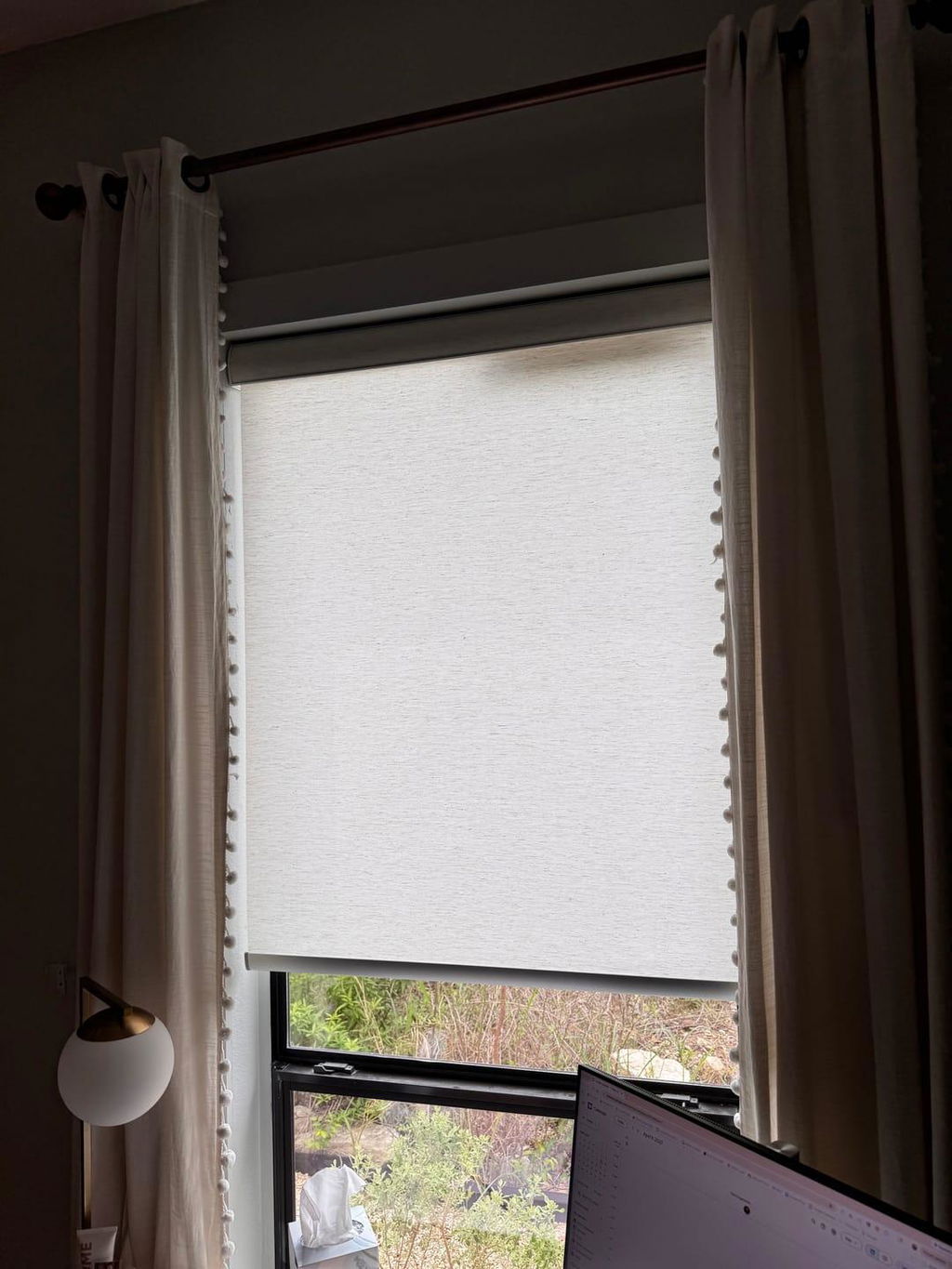
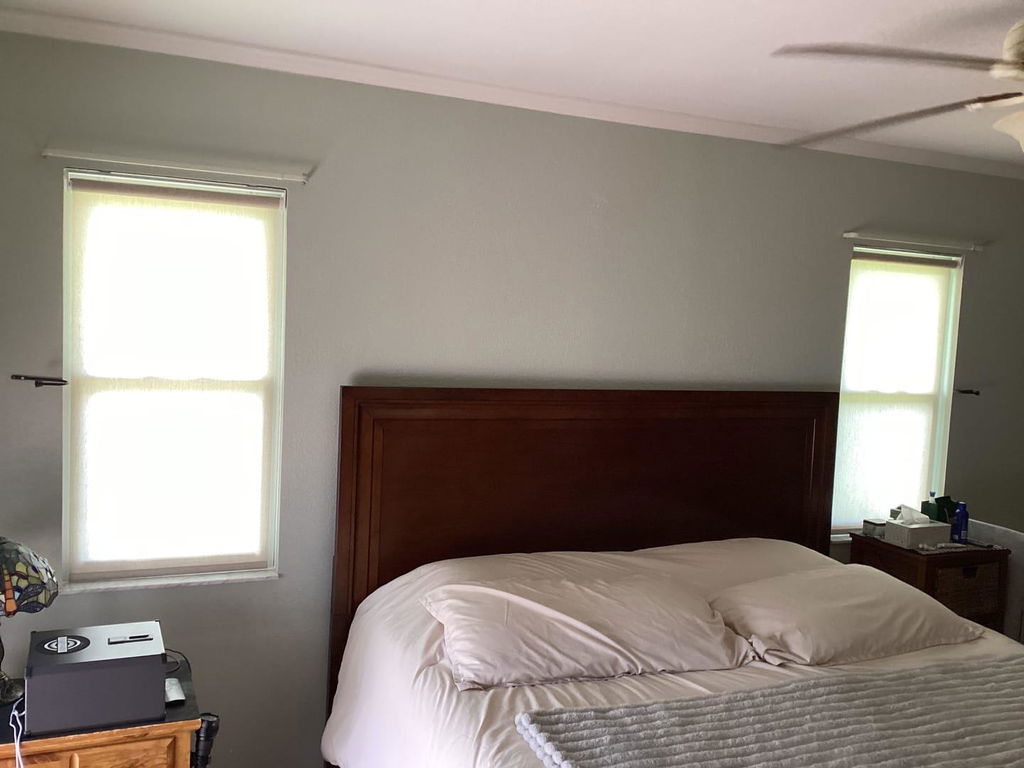
I’ve seen too many people struggle with outside mount roman blinds that look like an afterthought because they were sized too small. The trick is to treat the shade like a piece of art. It should cover the window frame entirely. This approach is especially effective if you have mismatched window heights in the same room. You can mount every roman shade outside mount at the same height near the ceiling, creating a uniform line that makes the whole space feel architecturally sound.
The Visual Magic of Faking Taller Ceilings
If you want to make a standard eight-foot ceiling feel like a loft, you have to stop mounting your hardware right on the glass. A roman shade mounted above window frames—specifically about 4 to 6 inches above the casing—draws the eye upward. When you choose a Roman Shades option in a crisp linen or a heavy cotton, the verticality of the stack becomes a design feature.
A flat roman shade outside mount is my go-to for a modern, tailored look. It stays sleek and doesn't add too much bulk when raised. However, if the room feels a bit cold or 'hard,' an outside mount relaxed roman shade adds a gentle 'smile' curve at the bottom that softens the window's sharp angles. By extending the fabric about 2 or 3 inches past the left and right of the casing, you also make the window appear wider, giving the illusion of massive, expensive glass where there’s actually just a standard double-hung.
Fixing the Dreaded Edge Light Bleed
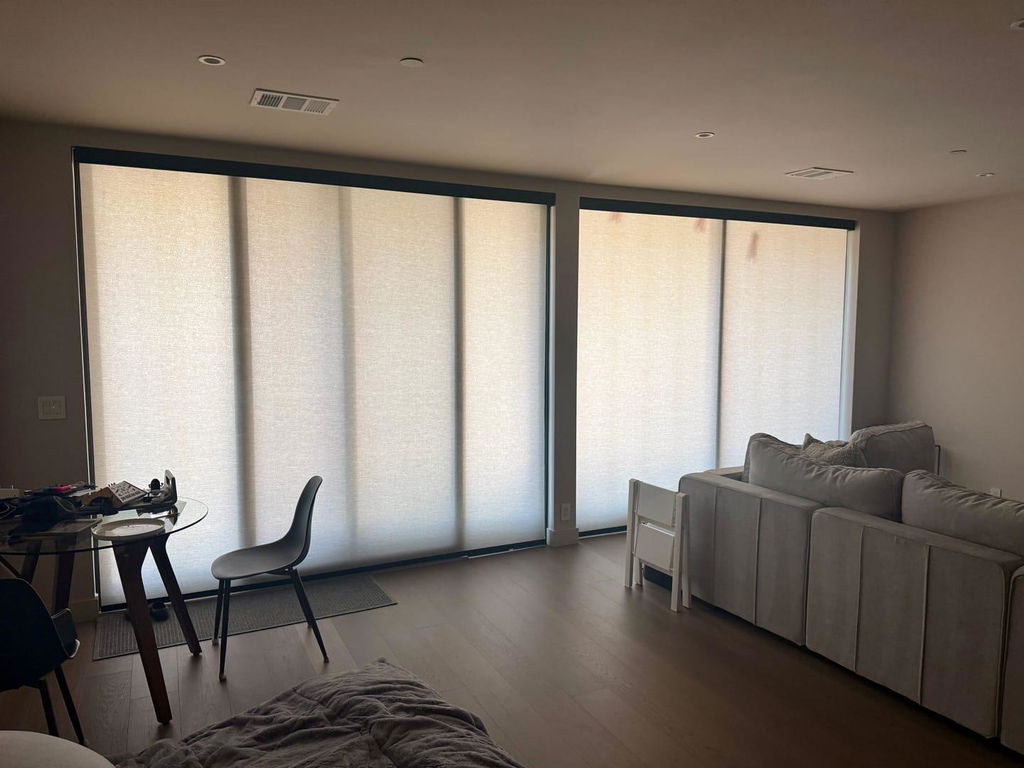
If you’re a light sleeper, you know the pain of the 'halo effect'—that annoying ring of bright sun that sneaks around the edges of an inside-mount blind. Even the best blackout roman shades inside mount will have a gap because the fabric needs room to move. This is where blackout roman shades outside mount truly shine. By overlapping the wall or trim by at least two inches on each side, you physically block the light path.
I always tell clients that if they want a true cave-like experience for a nursery or a primary bedroom, they need to go with an outside mount. You can find more detail on why the lining matters in my guide on Why I Never Install Roman Shades Without a Blackout Blind Lining. For a truly professional finish, ensure your outside mount roman shades blackout fabric is thick enough that you don't see the silhouette of the window frame through the material when the sun hits it.
But What Do They Look Like From the Street?
The most common hesitation I hear is, 'what do roman shades look like from the outside?' People worry about seeing the cords, the brackets, or a messy back-side of a patterned fabric. The reality is that quality roman shades from the outside of the house look incredibly clean because they are almost always finished with a white or ivory lining. This creates a uniform look for your curb appeal, regardless of whether you have a bold floral or a moody navy on the interior.
How do roman shades look from the outside when raised? They look like a neat, horizontal valance. Because the headrail is tucked away, you don't see the hardware. If you are worried about cords, cordless roman shades outside mount are the way to go; they offer a streamlined look from both the street and the sofa, and they’re much safer if you have pets or kids who like to tug on anything dangling.
The 3 Golden Rules for Nailing Your Measurements
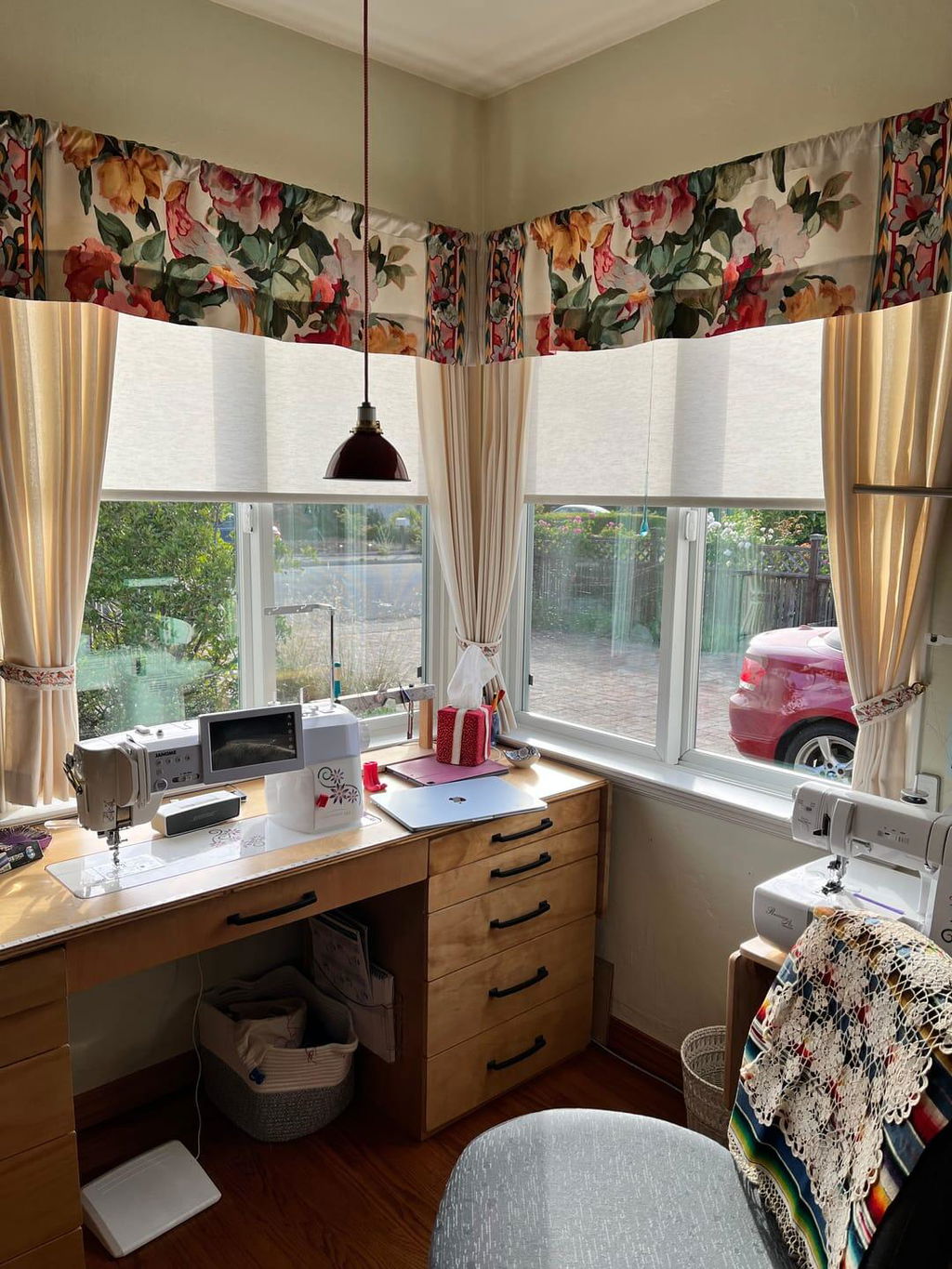
Measuring for a roman shade exterior mount is different than measuring for a standard blind. First, decide if you want an outside mount roman shade with valance. A valance or a 'cornice' style top can hide the roll of fabric, which is great for a formal dining room. Second, check your clearances. If you are doing outside mount roman shades with curtains, your shade brackets need to be low-profile so they don't push the curtain rod too far out into the room.
Third, don't be afraid to go wide. I often install roman shades for windows outside mount that are 4 inches wider than the window itself. This prevents light leaks and makes the window look substantial. If you’re worried about the mechanics, check out this guide on How To Install Your Shades to see exactly where those brackets should sit. I once made the mistake of measuring a heavy velvet shade to the exact millimeter of the trim, only to find the plaster wall behind it was slightly bowed. Now, I always give myself an extra inch of 'wiggle room' on the width to ensure the fabric hangs perfectly straight.
FAQ
Can I install outside mount roman shades over blinds?
Yes, and it’s a great way to add texture to a rental. Just make sure your brackets are deep enough to clear the existing blind’s headrail. It creates a layered, high-end look without requiring you to remove the functional blinds.
What is the best height for a roman shade mounted outside window frame?
For most rooms, aim for 4 to 6 inches above the window trim. If you have high ceilings, you can go even higher—midway between the top of the window and the ceiling—to maximize the drama.
Do outside mount roman shades need a valance?
They don't 'need' one, but an outside mount roman shade valance provides a finished, architectural look that hides the mounting brackets. If you prefer a minimalist look, a flat roman shade without a valance works just as well.