Why Buying a 36" Roman Shade for a 36-Inch Window is a Mistake
I remember the first time I confidently clicked 'add to cart' on a 36" roman shade. I had measured the window frame three times. It was exactly 36 inches. I thought I was being precise, but when that box arrived, I realized I’d made a rookie mistake that no amount of steaming or adjusting could fix. The shade didn't just fit poorly; it fought the window every step of the way.
- Windows are rarely perfectly square, even in new construction.
- Inside mounts require 'factory deductions' to actually move.
- Outside mounts need extra width to prevent light leaks.
- Custom-cut fractions are the difference between polished and 'DIY disaster.'
The Myth of the 'Standard' Builder-Grade Window
Whether you're in a 1920s bungalow or a brand-new condo, your windows are lying to you. A 36 inch roman shade is the industry standard 'medium,' but windows are rarely perfectly square. They lean, they settle, and they vary by a quarter-inch from top to bottom. If you grab an off-the-shelf 36 roman shades option, you are gambling on the hope that your window is a perfect geometric square.
In reality, most 36-inch windows are actually 35.8 inches or 36.1 inches. In an old house, the top might be wider than the bottom by a half-inch. When you try to install a rigid headrail into a space that is even a hair too narrow, you'll end up with a shade that gets stuck or a mounting bracket that won't click into place. It’s the kind of frustration that leads to stripped screws and a very bad Saturday afternoon.
Inside Mounts: Why an Exact Match Will Scrape Your Paint
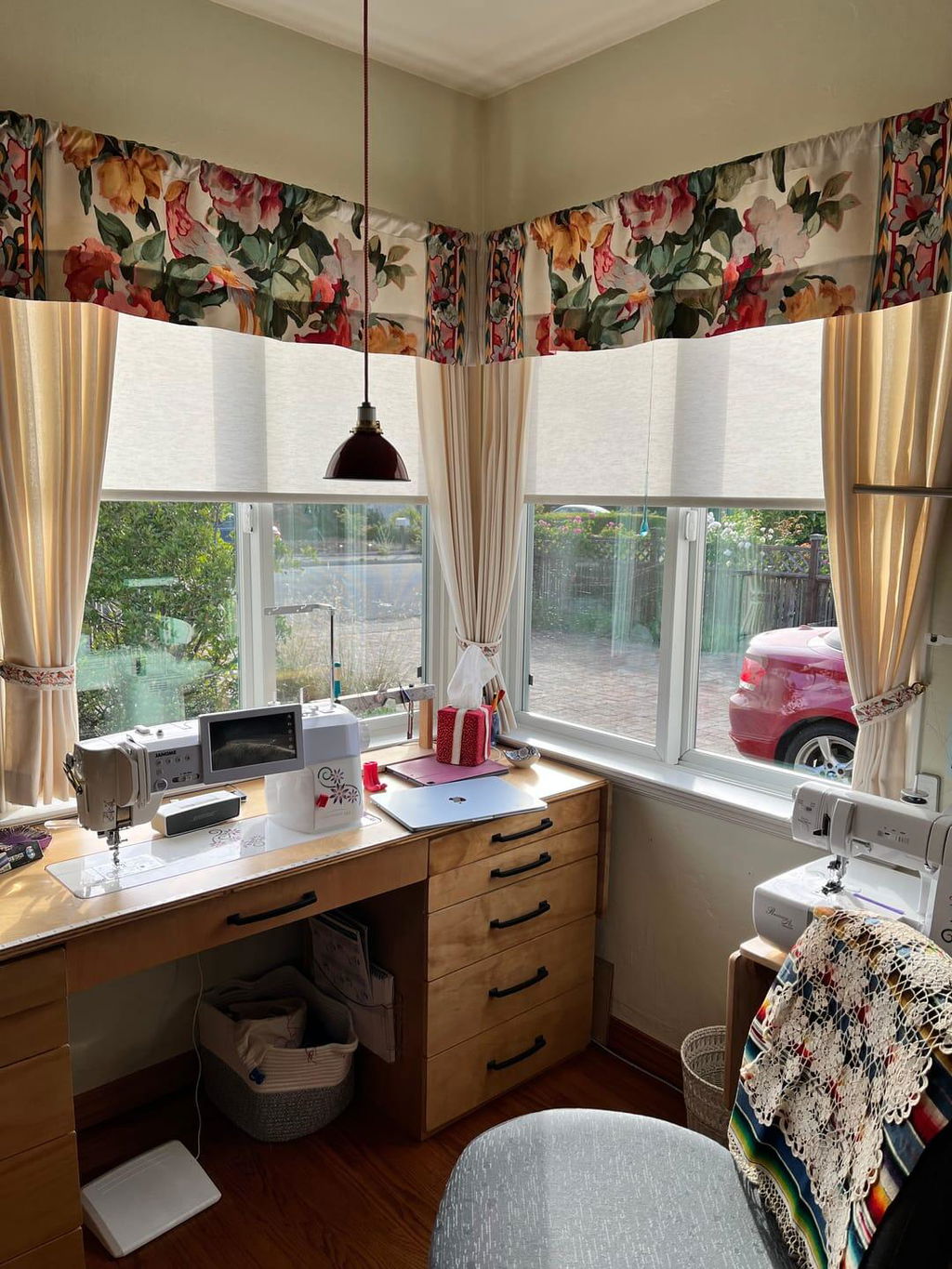
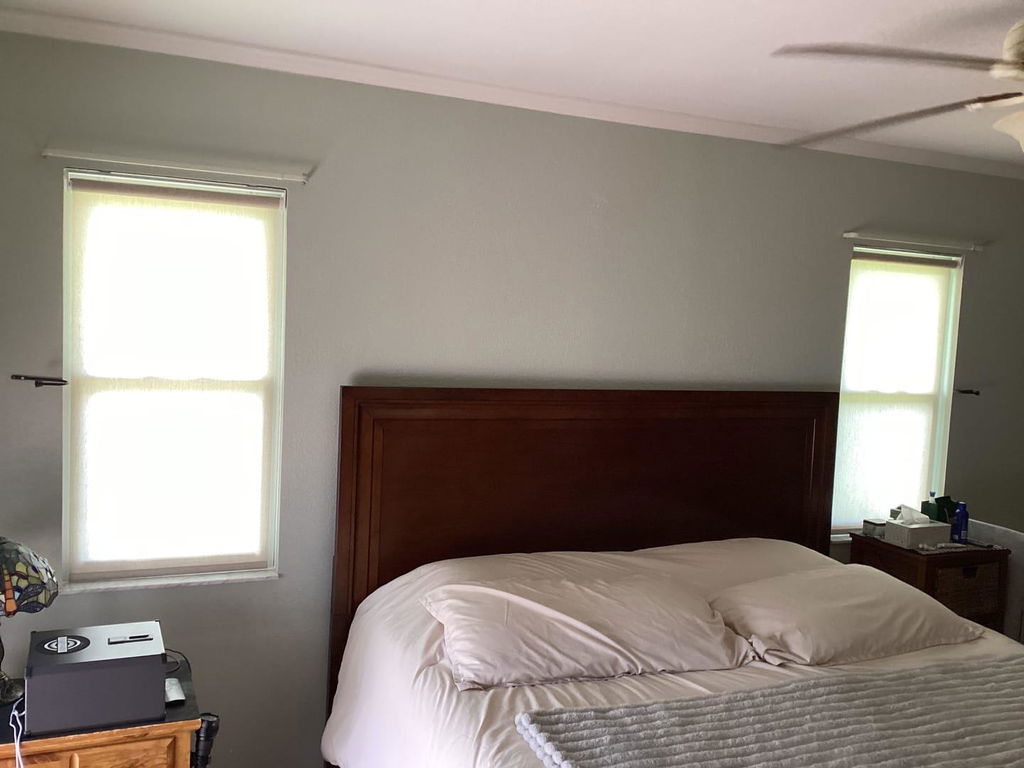
If you are planning an inside mount, ordering the exact width of your window is the fastest way to ruin your casing. A true-to-size shade has no room to breathe. Every time you pull the cord, the fabric or the headrail will scrape against the paint, leaving ugly black marks or peeling away your semi-gloss finish. This is why custom roman shades are the gold standard—they allow for a precise 3/8-inch factory deduction.
That tiny gap is what allows the shade to glide. Without it, the fabric bunches at the edges, creating friction that eventually frays the threads. When I measure for clients, I measure the width at the top, middle, and bottom, then I take the smallest number and subtract that crucial fraction. It ensures the shade looks like it was born in the window, rather than forced into it.
Outside Mounts: The 'Plus Two' Rule I Swear By
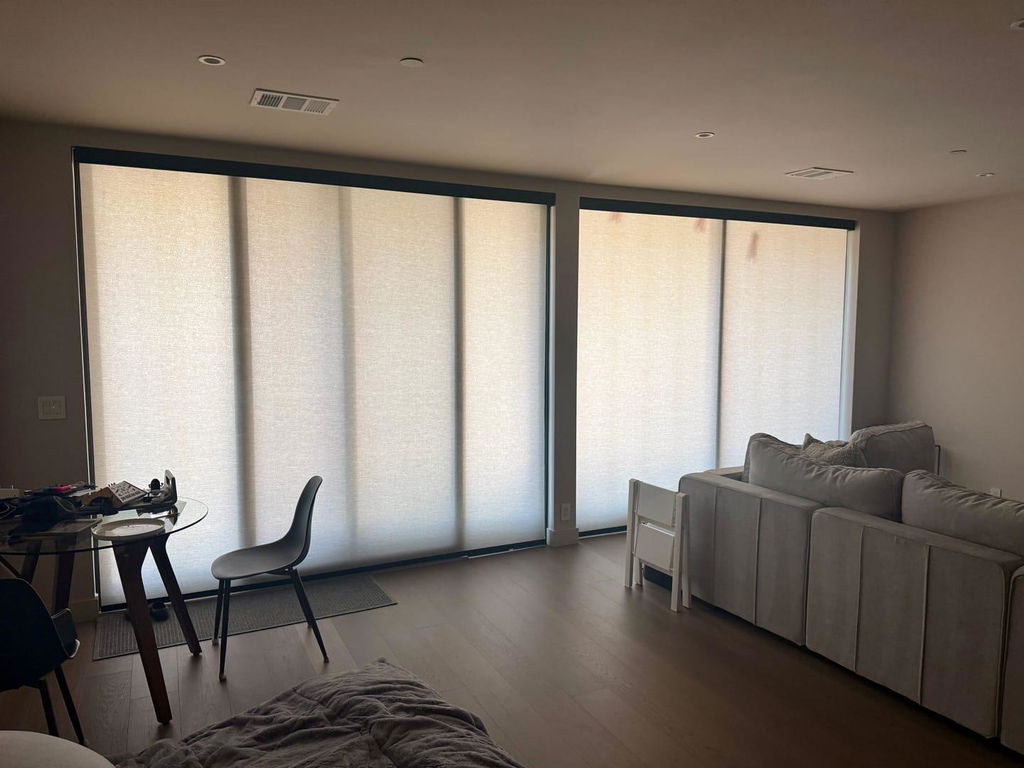
For those mounting on the wall above the window, the mistake goes the other direction. If your window opening is 36 inches, buying roman shades 36 inches wide will result in a 'halo' of light bleed that makes the room impossible to darken. You'll see the trim peeking out from the sides, which looks cheap and unfinished.
I swear by the 'Plus Two' rule: add at least 2 inches (and ideally 4) to the total width. A 40-inch shade on a 36-inch window covers the trim entirely, blocks the light from the sides, and makes the window itself look much grander. It gives the fabric—whether it’s a heavy 300 gsm linen or a structured cotton—the space to hang flat against the wall without the window trim pushing it forward.
The Ready-Made Trap: When to Buy Off the Shelf
I get the appeal of big-box store shades. They’re cheap and they’re here now. But ready-made shades often use stiff, high-polyester blends to keep costs down, and they lack 'fabric memory'—that ability to fold back into a crisp stack. When you look at budget online brands, the real value isn't just the price; it's the ability to specify the exact width to the 1/8th of an inch.
Standard sizes are a false economy. You save fifty dollars on the shade, but you spend it later on 'light gap' hacks or, worse, replacing it in a year when the cheap plastic hardware snaps because it was too tight in the frame. A custom fit means the weight of the fabric is distributed correctly across the brackets, which keeps the operation smooth for years.
How to Fix the Dreaded Light Gap
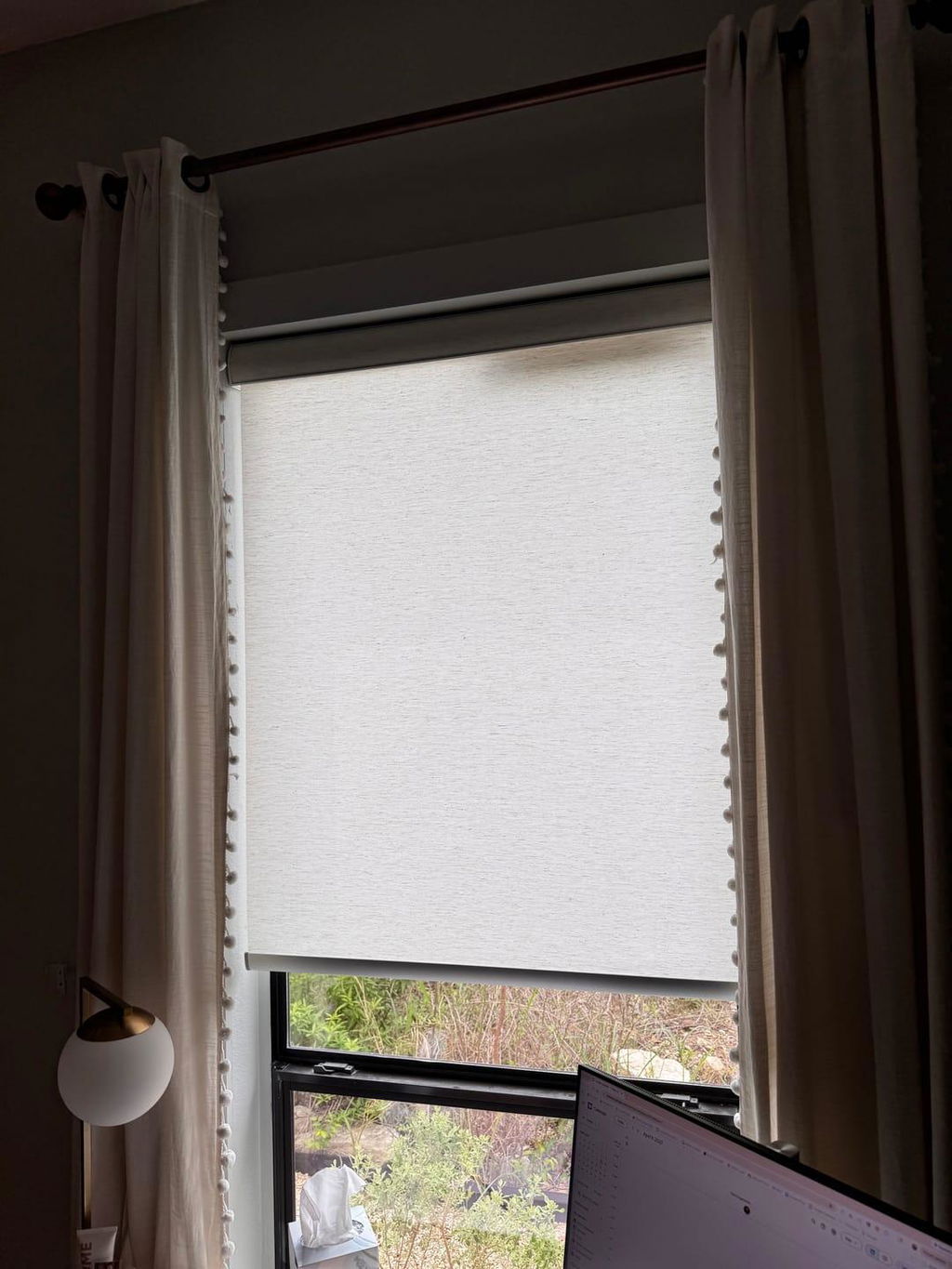
If you've already bought those 36 roman shades and the light bleed is keeping you awake, don't panic yet. First, check your mounting depth. Often, inexpensive shades stick out an inch from the glass because the headrails are too chunky for shallow window casings. This creates a massive gap where light bounces off the return.
One designer trick is to layer a pair of drapery panels over the edges of the Roman shade. It hides the gap and adds a layer of texture. If that's not an option, you can try adhesive light-blocking strips, but they rarely look as good as a properly sized shade. Usually, the best fix is to move the shade to an outside mount if the headrail allows it, giving you that extra coverage you missed the first time.
Personal Experience: The Guest Room Disaster
I once tried to force a 'standard' 36-inch white linen shade into a guest room window that was actually 35.75 inches wide. I was determined to make it work. I spent three hours with a wood plane trying to shave down the window casing because I didn't want to pay for a return. It looked terrible, the paint was a mess, and I ended up replacing the trim anyway. I learned the hard way: in window treatments, a quarter-inch is a mile. Now, I never order without a deduction.
FAQ
Can I trim a Roman shade myself?
Unless it is specifically designed to be 'cut-to-size,' no. Trimming a standard Roman shade usually involves cutting through the headrail and the internal lift cords, which will ruin the mechanism instantly.
What is a factory deduction?
It is a small amount (usually 1/8 to 3/8 of an inch) that the manufacturer removes from your provided width measurement so the shade can move freely within the window frame without rubbing.
How much should a Roman shade overlap the window?
For an outside mount, I recommend at least 2 inches of overlap on each side to maximize privacy and minimize light gaps. For an inside mount, there should be no overlap; the shade should sit flush within the frame.