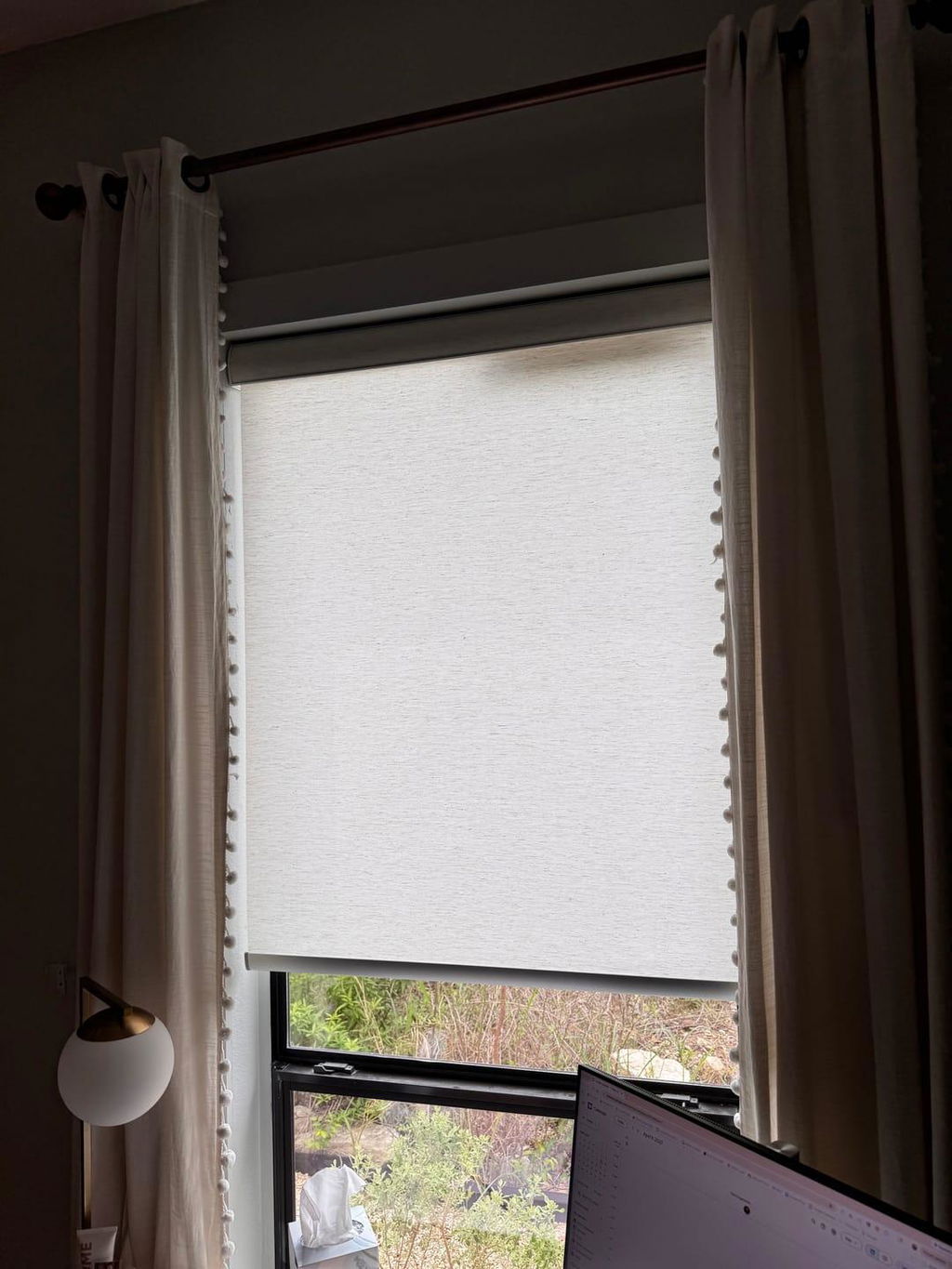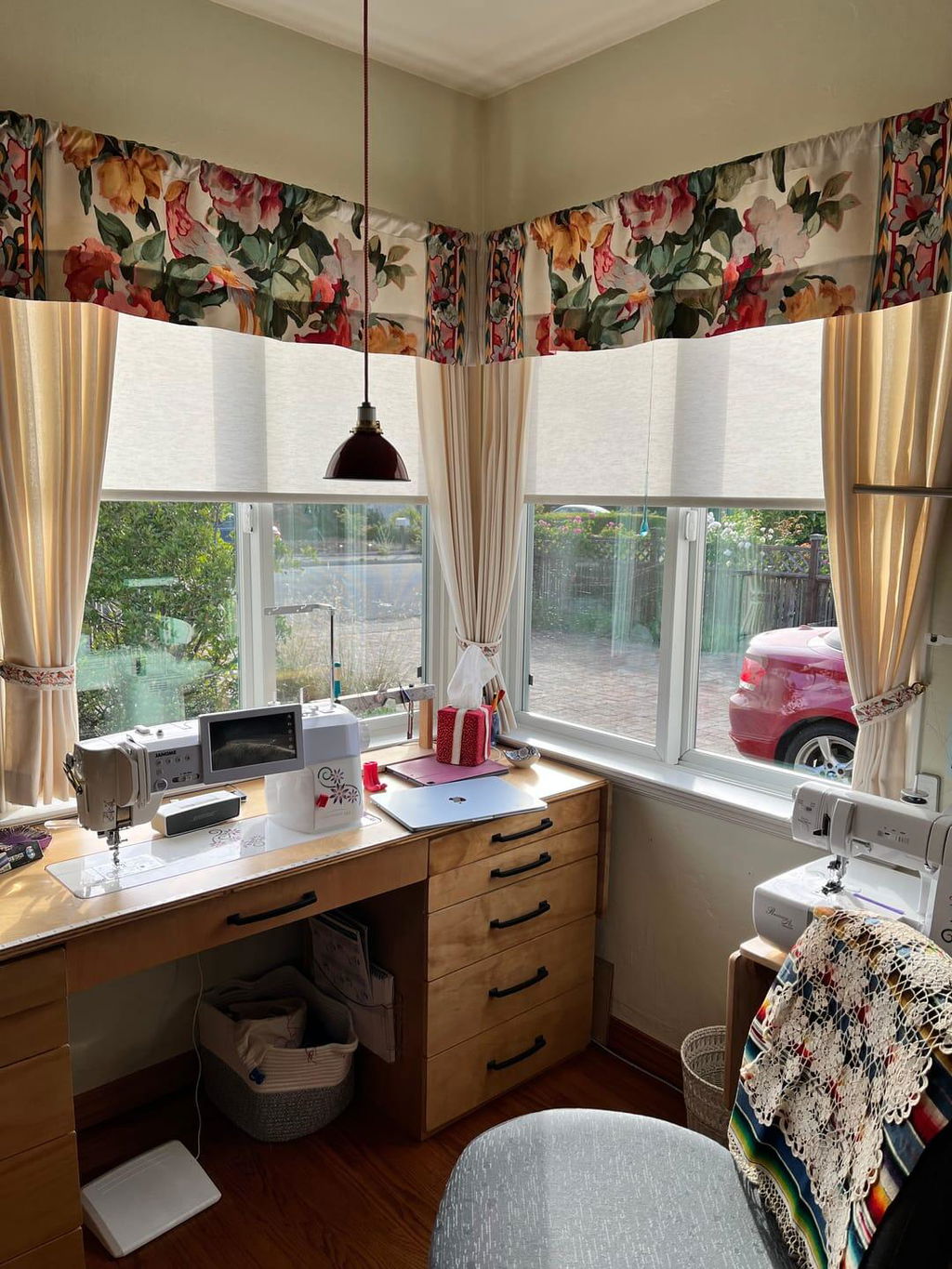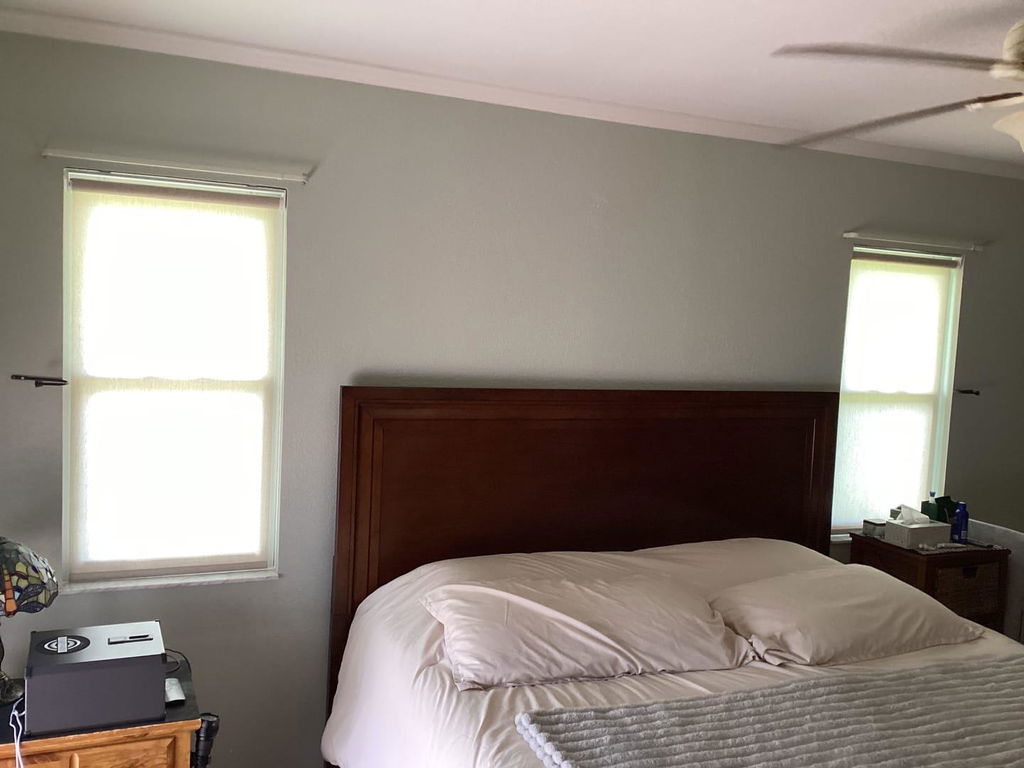
The Trick to Hanging Woven Wood Shades for Patio Door Privacy
I remember staring at my sliding glass door for three weeks, paralyzed by the thought of those plastic vertical blinds from my first apartment. You know the ones—they clack like skeleton teeth in the breeze and yellow within a year. I wanted texture, specifically the warmth of woven wood shades for patio door setups, but I knew the physics of a vertical-lift shade on a horizontal-slide door was a recipe for disaster if I didn't get the specs right.
Quick Takeaways
- Never order a single wide shade; it will be too heavy to lift daily.
- Use a 'two-on-one' headrail to allow independent operation of the active door.
- Always choose an outside mount to clear the door handle.
- Add a privacy liner to avoid the 'fishbowl effect' at night.
The Vertical Shade vs. Horizontal Door Dilemma
The conflict is real. You have a door that slides left-to-right, but you want a window treatment that moves up-and-down. Most people default to vertical blinds because they follow the door's lead, but they lack the organic soul of a natural weave. When you introduce woven wood blinds sliding glass door configurations, you have to accept that you won't be 'whipping' the door open anymore.
It requires a shift in how you move through the house. You aren't just sliding a glass panel; you are interacting with a layered textile. If you have a high-traffic household with kids or dogs sprinting in and out every ten minutes, you need a setup that doesn't feel like a chore to operate.
Why I Never Put One Giant Shade Over a Slider
I once helped a friend install a single 78-inch wide bamboo shade over her patio door because she wanted a 'seamless look.' Within three months, the lift cords were fraying and her right shoulder was stronger than her left. Natural materials like seagrass, jute, and bamboo are surprisingly heavy once you get past the 60-inch mark.
Lifting a massive shade multiple times a day to let the dog out puts immense strain on the mounting brackets. You have to ask yourself: are wood blinds for sliding door setups actually too heavy to lift when they are built as one unit? The answer is almost always yes. A single wide shade will eventually bow in the middle, creating an unsightly dip that ruins the clean lines of your room.
The Two-on-One Headrail Hack That Changes Everything
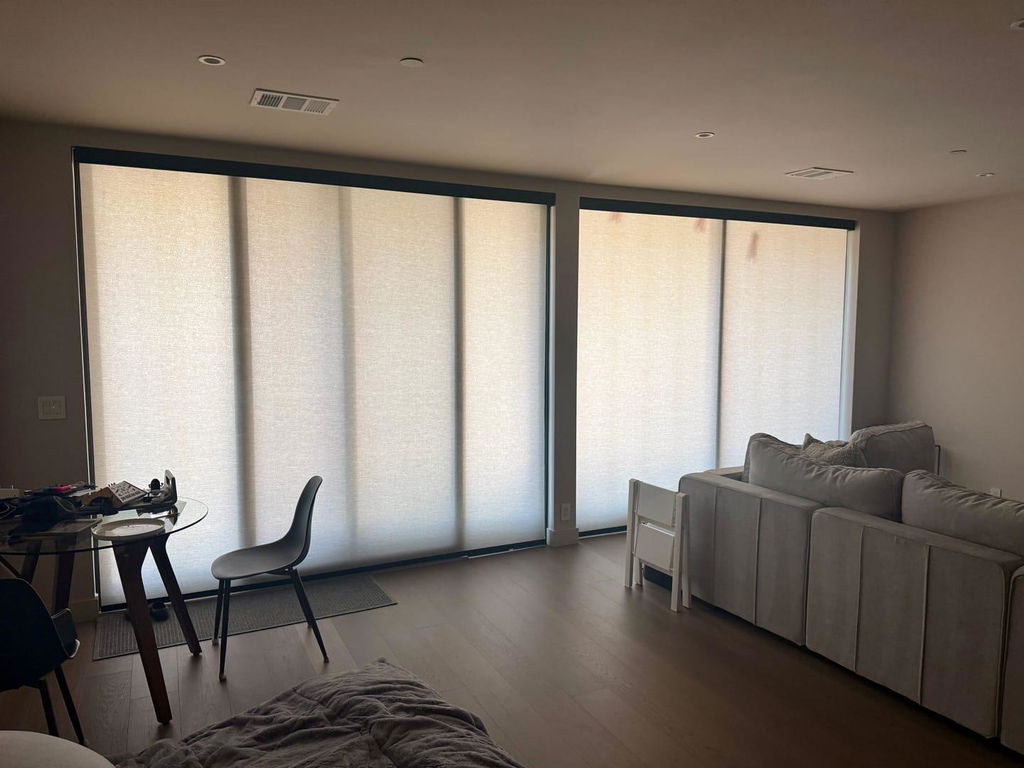
This is the pro move. You order two separate woven wood blinds for sliding glass doors but specify that they be mounted on one continuous headrail. This creates the illusion of a single, cohesive window treatment while giving you total functional freedom.
You keep the shade over the stationary glass panel down to filter that harsh 4 PM sun, while the shade over the active door stays raised or partially lifted. This protects the delicate edges of the grass weave from being bumped or snagged by people walking past. It also saves your cords from unnecessary wear and tear. I usually recommend a 50/50 split, but you can custom-order the split to match the exact vertical mullion of your door frame.
Why Outside Mount is Non-Negotiable Here
I have seen too many DIYers try to inside-mount a woven shade into a shallow patio door casing. It never works. Most sliding door tracks only offer about two inches of depth, while a standard woven wood headrail needs at least three or four inches to sit flush. If you jam it in there, the back of the shade will scrape against the protruding door handle every single time you pull the cord.
Outside mounting allows you to set the shades high—usually 4 to 6 inches above the trim—which makes your ceilings look taller and ensures the stack of the shade doesn't block the glass when it's fully raised. If your mounting surface is truly too shallow for even an outside mount, you might have to pivot to roller shades, but for that rich, tactile look, the outside-mounted woven wood is the gold standard.
Dealing with the Nighttime Fishbowl Effect
Natural grasses are beautiful because of their gaps, but those gaps become searchlights at night. If you have the lights on inside and it's dark outside, your neighbors can see everything. Most 'unlined' woven shades offer about as much privacy as a screen door. I always suggest a light-filtering or blackout liner sewn directly to the back.
If you hate the look of a heavy liner, look into day night shades as a structural alternative. They allow you to have that sheer, organic glow during the day but provide a solid barrier when the sun goes down. A tan or cream-colored liner is usually the best bet; it keeps the light feeling warm rather than sterile.
Should You Just Upgrade to Motorization?
If your budget allows for an extra $300, motorization on a patio door is the ultimate luxury that actually pays for itself in longevity. Cords are the first thing to break on woven shades, and they often get tangled in the sliding door track if you aren't careful. A motorized wand or remote lift removes the physical tugging entirely.
For high-traffic zones, removing dangling cords also makes the area safer for pets and toddlers. There is something incredibly satisfying about pressing a button and watching two massive panels of textured grass rise in perfect unison while you're carrying a tray of drinks out to the deck.
My Honest Design Fail
I once installed a beautiful, unlined seagrass shade in a client's breakfast nook. It looked like a dream in the morning light. However, I didn't account for the fact that her patio door handle was a chunky, modern lever. Every time she opened the door, the lever caught the bottom of the shade and slowly unraveled the weave. We had to take the whole thing down, remount it two inches further out from the wall, and patch the original holes. Learn from me: measure your handle projection before you pick up the drill.
FAQ
Can I use woven wood shades if I have a cat?
It is risky. Cats love the texture of natural grasses for scratching. If you have a climber, opt for a tighter weave like a flat-stick bamboo which is less 'shred-friendly' than chunky jute or seagrass.
How do I clean woven shades on a high-traffic door?
Don't use water; it can cause natural fibers to swell or mildew. Use the brush attachment on your vacuum once a month to get the dust out of the nooks and crannies of the weave.
Will the sun fade my woven wood blinds?
Yes, natural materials will 'sun-kiss' over time, usually turning a bit lighter or more golden. If you want to prevent this, ensure your shades have a UV-protected liner on the street-facing side.