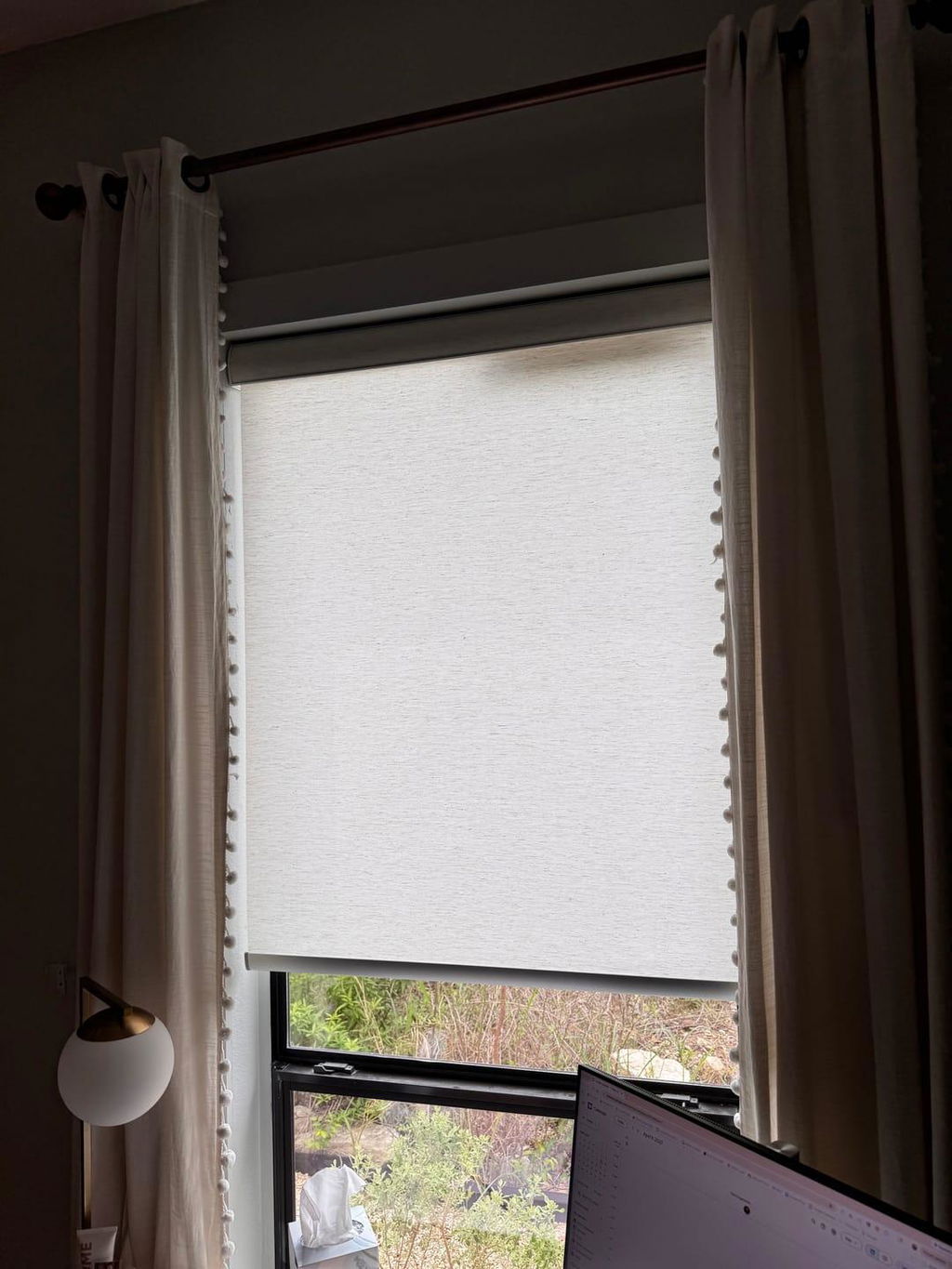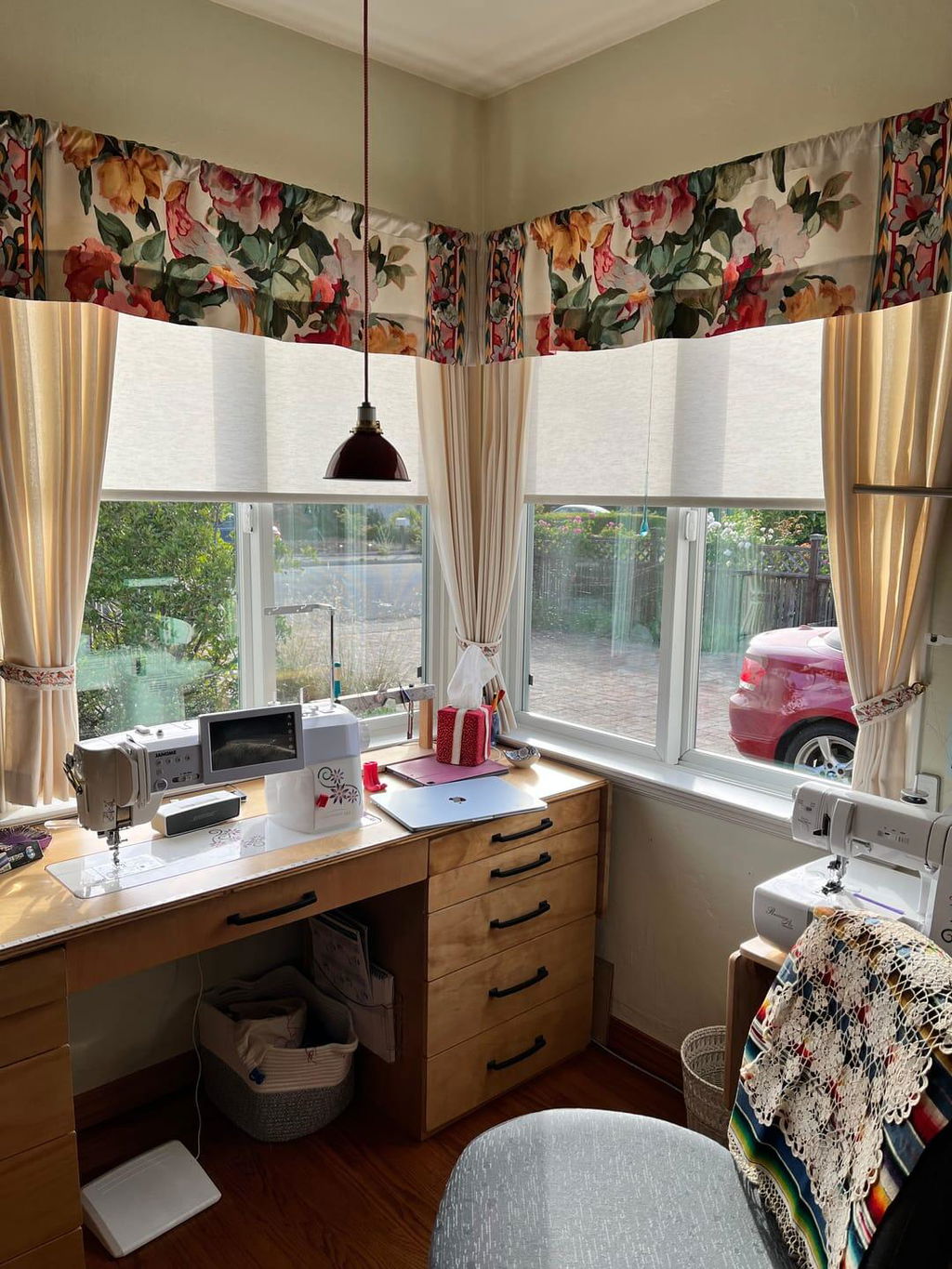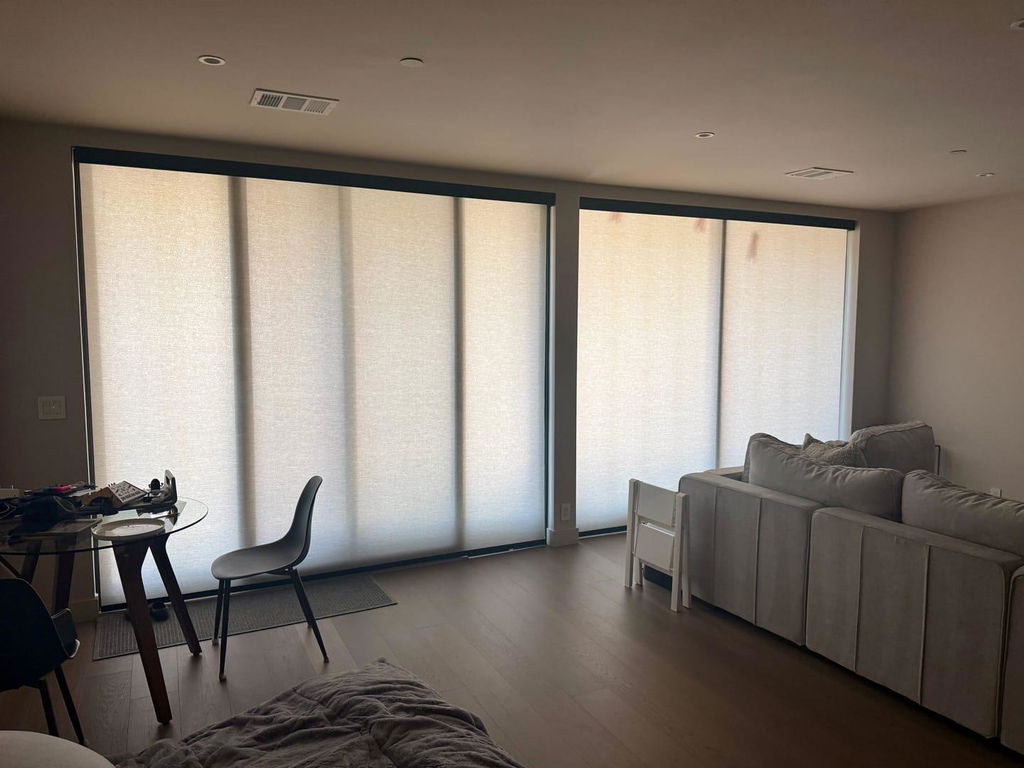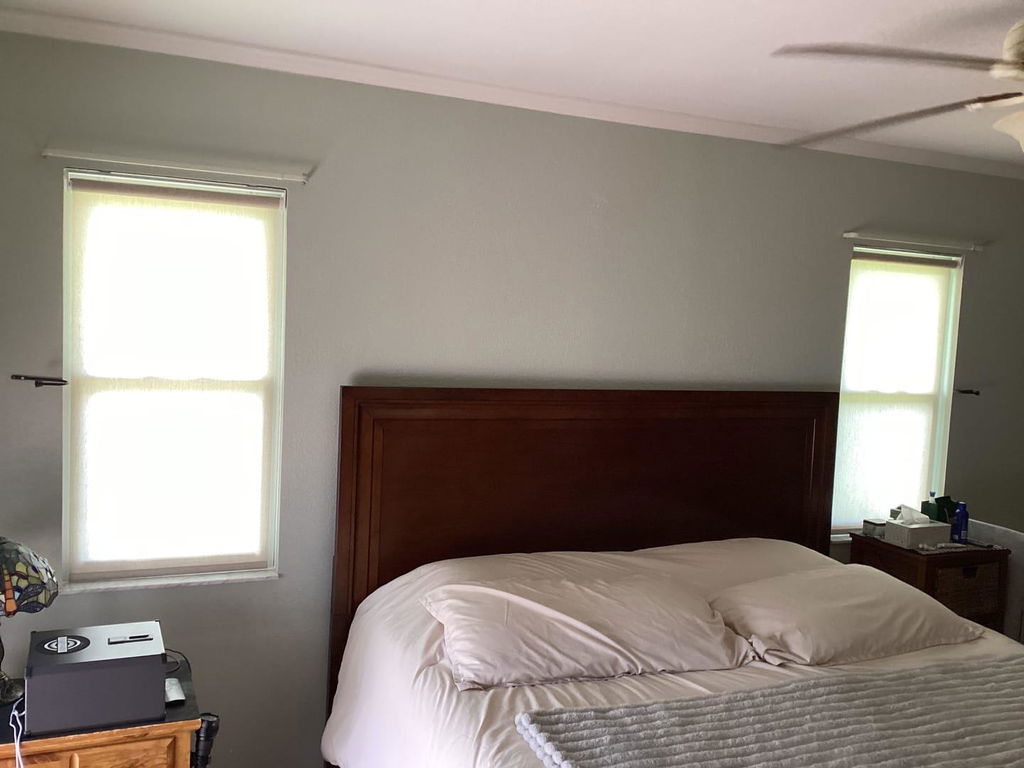
The 'Smile' Effect: Why 70 Inch Wide Roller Blinds Bow in the Middle
I remember standing in a client’s mid-century living room, staring at a massive expanse of glass that looked out over a rainy Seattle valley. We wanted a single, clean line to mirror the architecture, but the budget-friendly 70 inch wide roller blinds we tried first looked like a wet noodle within a week. The center of the shade dipped a full half-inch, creating a curved gap at the bottom that drove me absolutely wild.
That dip—often called the 'smile' in the industry—isn't just an aesthetic annoyance; it is a structural failure. When you are dealing with a 70 wide roller shade, you are fighting a constant battle against gravity and the limits of aluminum. If you don't get the hardware specs right, that expensive fabric will eventually crease, fray, and fail.
- Tube Diameter is King: Never accept a tube smaller than 2 inches for this width.
- Fabric Density Matters: Heavier blackout materials require even beefier internal hardware.
- Control Systems: Manual chains on wide spans lead to uneven wear; motorization is the pro choice.
- Mounting: You are hanging a significant weight; skipping studs is a recipe for a fallen header.
The Dreaded 'Smile' Effect on Large Windows
The physics of a 70 inch roller blind are unforgiving. Most off-the-shelf shades use a 1.25-inch or 1.5-inch aluminum tube. While that works fine for a standard bedroom window, it’s nowhere near rigid enough for a six-foot span. As the fabric hangs, the weight pulls down on the center of the tube, causing it to deflect. This is what creates that U-shaped curve at the hem bar.
When the tube bows, the fabric doesn't roll up straight. It starts to 'telescope,' meaning the edges of the fabric rub against the brackets and eventually start to fray. When you invest in custom roller shades, you aren't just paying for the fabric; you are paying for an extruded aluminum tube with a thicker wall and a larger diameter—usually 2 to 2.5 inches—to keep that line perfectly horizontal.
I have seen people try to fix this by adding weight to the bottom bar, but that actually makes the problem worse. It puts more stress on the already-sagging tube. The only real fix is a more rigid roller at the top. If your shade looks like it's smiling at you, the hardware simply wasn't built for the scale of the window.
Fabric Weight vs. Tube Diameter
The type of material you choose dictates the hardware you need. A 1% openness solar screen might feel light, but once you get into 70 inch blackout blinds, the weight increases significantly. High-quality blackout fabric is often a four-pass material—meaning it has layers of foam and acrylic to block light—which makes it heavy and stiff.
For a 70 inch roller shade, a standard sheer weave might survive on a 2-inch tube. However, if you are opting for a heavy textured linen or a vinyl-based blackout, I always specify a 2.5-inch tube. The extra diameter provides the structural integrity needed to prevent that center sag. It also means the shade rolls up faster and with fewer rotations, which preserves the life of the internal spring or motor.
Think of it like a bridge. You wouldn't build a 70-foot bridge with the same thickness of steel you'd use for a 10-foot walkway. Your window treatment is a piece of engineering. When the fabric weight goes up, the diameter of the support system must follow suit, or you'll end up with permanent horizontal creases in the material where it has been forced to bend over a bowed tube.
Why I Don't Always Want to Split the Shade
There is a school of thought that says you should just put two 35-inch shades side-by-side instead of one 70 roller shade. In some cases, that’s practical, but aesthetically, it often misses the mark. Splitting the shade creates a 'light gap'—a vertical stripe of sunlight right in the middle of your view where the two rollers meet. Even with 'slim-line' brackets, that gap is usually at least 3/4 of an inch.
On a single large picture window, that gap is a visual scar. I’ve written before about how split blinds are ruining the view, and I stand by it. A single, unbroken 70-inch span feels intentional and high-end. It preserves the clean lines of the room and ensures total light control, which is especially vital in bedrooms or media rooms.
The only time I recommend splitting is if the window has a natural mullion (a vertical divider in the frame) that can hide the gap. If you are looking at one solid piece of glass, commit to the wide shade. Just make sure you aren't cutting corners on the internal hardware to save a few dollars, or you'll trade a light gap for a sagging center.
The Pull Mechanism Problem on a 70 Roller Shade
Lifting a 70 inch roller blind manually is a workout you didn't ask for. A shade this wide can weigh anywhere from 10 to 20 pounds depending on the fabric. If you use a standard spring-loaded 'cordless' system, you’ll find yourself constantly tugging and leveling the hem bar to get it to sit straight. Over time, the uneven pulling force from your hand will actually pull the shade out of alignment.
For these wider spans, I almost always push my clients toward motorized dual roller shades. A motor applies perfectly even torque across the entire width of the tube every single time. It eliminates the human error of pulling one side harder than the other, which is the number one cause of frayed edges on wide blinds. If motorization isn't in the budget, a continuous cord loop with a heavy-duty clutch is the minimum requirement.
Avoid the 'tug-and-release' cordless versions for anything over 60 inches. The internal springs just aren't designed to handle that much tension reliably over several years. I’ve replaced too many of those 'value' shades that simply lost their tension and stayed permanently down, or worse, snapped back so hard they bent the mounting brackets.
Installation Realities for a Roller Shade 70 Wide
Installing a roller shade 70 wide is a two-person job. Period. Do not try to balance a six-foot metal tube on a ladder by yourself; you will drop it, dent the aluminum, and probably take a chunk out of your drywall. Because of the weight, you cannot rely on plastic drywall anchors. You need to hit studs, or you need to use heavy-duty toggle bolts if studs aren't available.
I always recommend using at least three brackets for a 70-inch span—one on each end and one support bracket in the center if the headrail allows it. This provides an extra insurance policy against that 'smile' effect. Check your level three times before you drill. If your brackets are even an eighth of an inch off, a wide shade will drift to one side, causing the fabric to bunch up and ruin the edges.
If you are feeling overwhelmed by the technical specs, check out more shade solutions to see how to measure for these larger spans. It’s better to spend an extra hour on the prep work than to have a 70-inch shade come crashing down on your sofa because it was held up by hope and a few drywall screws.
My Honest Mistake: The Sunroom Sag
A few years ago, I tried to save a client some money on a 70-inch sunroom shade. We went with a beautiful 5% solar screen but used the standard 1.5-inch tube because the 'pro' tube was an extra $85. By mid-August, the heat had softened the aluminum just enough that the shade developed a permanent sag. Every time the sun hit it, the 'smile' got deeper. I ended up paying out of pocket to replace the hardware because I couldn't stand looking at my own mistake. Since then, I never compromise on tube diameter for anything over 60 inches.
FAQs
Can I use a 70-inch shade on a tension rod?
Absolutely not. A 70-inch roller shade is far too heavy for a tension mechanism. It will eventually slip, potentially damaging your window frame or injuring someone. Always use screw-in mounting brackets into studs or solid blocking.
How do I stop my wide roller shade from telescoping?
Telescoping happens when the shade isn't level. Check your brackets with a laser level. If it's still drifting, you can place a small piece of masking tape on the roller tube on the opposite side of the drift to 're-balance' the roll.
Are 70 inch wide roller blinds too heavy for one person to operate?
If it's a manual chain, it can be heavy but manageable. However, for daily use, I highly recommend a motorized lift or a high-ratio clutch (geared down to make pulling easier) so you aren't straining the hardware every morning.