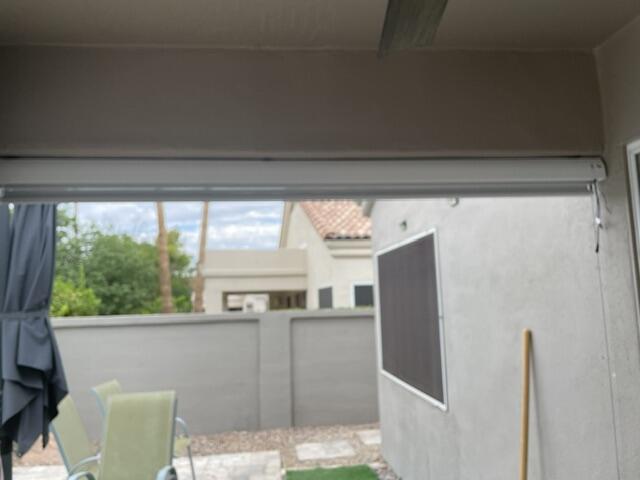
Your Split Blinds Are Ruining the View: Get a 72 Inch Wide Roller Shade
I remember standing in my first real "grown-up" living room, staring at a massive six-foot picture window that overlooked a quiet, tree-lined street. In an attempt to save a few dollars, I bought two standard 36-inch blinds and hung them side-by-side. Every morning, a brutal sliver of light sliced through the center gap, mocking my frugality and making the whole room look like a disorganized waiting room. It was the design equivalent of wearing a belt that is two sizes too small.
Eventually, I wised up and invested in a single 72 inch wide roller shade. The difference wasn't just about the light; it was about the architecture of the room. A single, continuous span of fabric creates a sense of calm and intentionality that split treatments simply cannot touch. If you are tired of your windows looking "chopped up," it is time to embrace the wide span.
Quick Takeaways
- Eliminate the annoying vertical light gap that occurs when hanging two shades side-by-side.
- Ensure your roller tube is at least 1.5 to 2 inches in diameter to prevent the dreaded "smile" sag.
- Choose heavier, woven fabrics (300+ gsm) to avoid edge curling on a 72-inch wide roller shade.
- Use an outside mount for blackout needs to maximize light blockage and minimize side bleed.
The Light Gap Problem (Why Two 36s Never Equal a 72)
When you hang two smaller shades on one wide window, you are not just doubling your hardware; you are creating a permanent vertical stripe of glare. No matter how tightly you butt those brackets together, there will always be a 1/2-inch to 3/4-inch gap where the fabric ends and the brackets begin. This light bleed is a nightmare for TV rooms and a visual clutter that breaks the clean horizontal lines of your window frame.
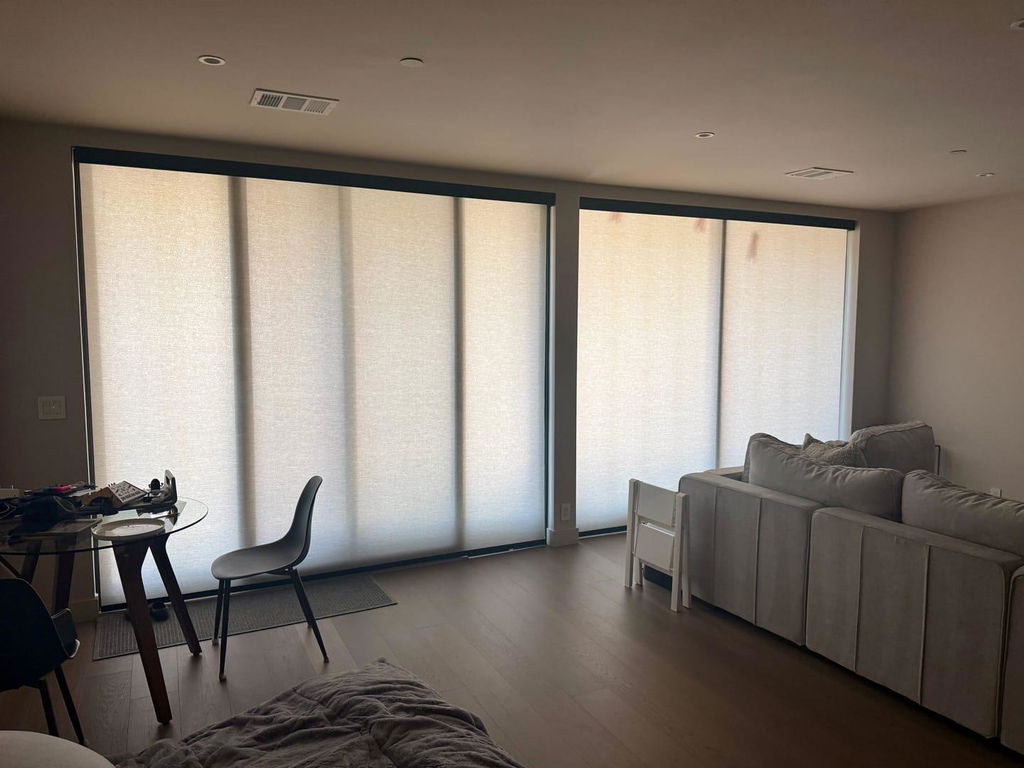
Switching to a 72-inch roller shade solves this instantly. By using one continuous piece of fabric, you reclaim the view and the light control. When the shade is up, you have one clean roll at the top; when it is down, you have a solid, sleek roller shades surface that acts as a backdrop for the rest of your decor. It turns a problem window into a deliberate design feature rather than a compromise.
Will a 72 Window Shade Bow in the Middle? (The Hardware Truth)
The biggest fear I hear from clients is the sag in the middle of a wide shade. This happens when a manufacturer uses a flimsy, 1-inch aluminum tube meant for narrow kitchen windows on a massive 72 window shade. Physics is not kind to thin metal over long distances. For a six-foot span, you need a reinforced tube, usually 1.5 to 2.5 inches in diameter, depending on the fabric weight. This ensures the shade rolls up straight every single time.
Before you buy, ask about the tube specs. If the hardware feels light or bendable, walk away. You want high-grade extruded aluminum. This structural integrity is why professional installers are so picky about wide spans; if you think a 6-foot interior shade is tricky, imagine the engineering required when going even wider outdoors where wind loads come into play. Stick to heavy-duty brackets and you will never see a dip.
Fabric Weight Matters When You Stretch a Roller Shade 72 Wide
Not all fabrics are built for the long haul. If you pick a thin, 100% vinyl material for a roller shade 72 wide, you are likely to see "cupping" or curling at the edges within six months. Because the fabric is wide and relatively heavy, the tension is not always perfectly even from left to right. Cheap materials respond to this by rolling inward at the sides, which looks terrible and lets in unwanted light.
I always steer people toward high-quality woven polyesters or linen-blends with a weight of at least 300 gsm. These fabrics have more body and stability. They hang straight, resist the urge to curl, and provide a much richer texture when the sun hits them. Think of it like a well-tailored blazer versus a cheap t-shirt; the weight of the material dictates how it drapes over the frame and holds its shape over years of use.
The Bedroom Exception: When to Choose 72-Inch Wide Blackout Roller Shades
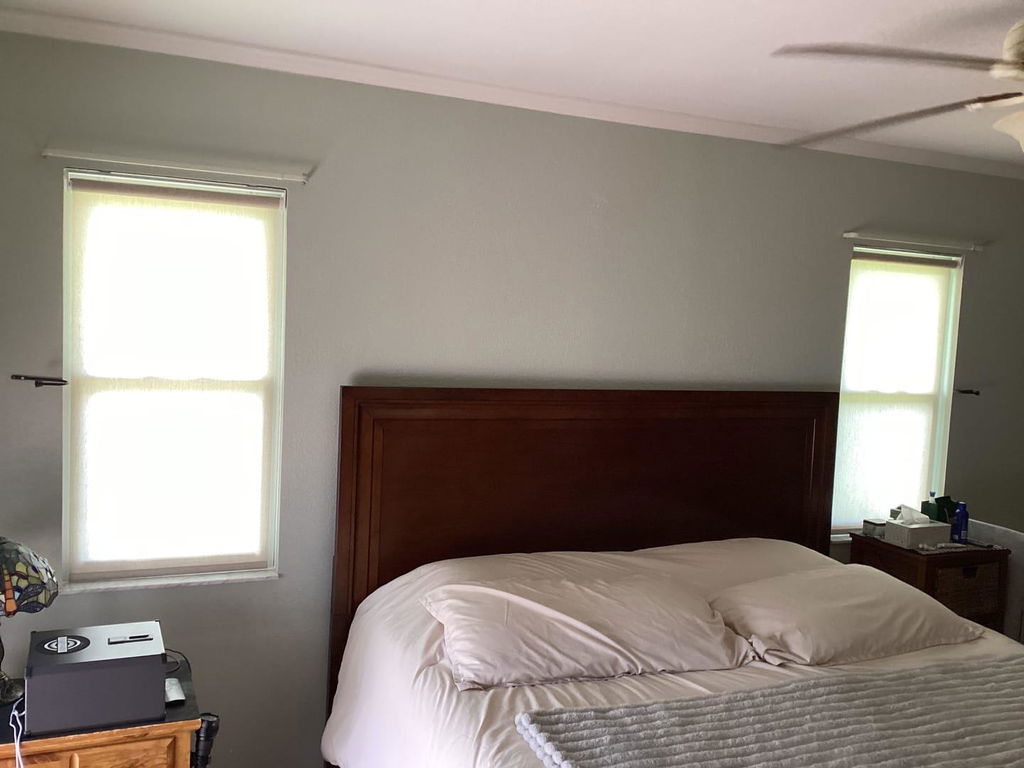
If you are styling a primary bedroom with a massive window, 72-inch wide blackout roller shades are your best friend—but only if you mount them correctly. An inside mount on a blackout shade will still let light "halo" around the edges because of the bracket clearance. For total darkness, I recommend an outside mount that overlaps the window trim by at least 3 to 4 inches on each side.
For the ultimate luxury setup, I often suggest custom double roller blinds. This gives you a solar screen for the day—perfect for cutting glare while you are reading—and a heavy-duty blackout layer for the night. Having that 72-inch span move as one unit via motorization is a total luxury that makes a bedroom feel like a five-star hotel suite. No more fumbling with two different cords in the dark.
How to Layer Over Roller Blinds 72 Inches Wide Without Looking Clunky
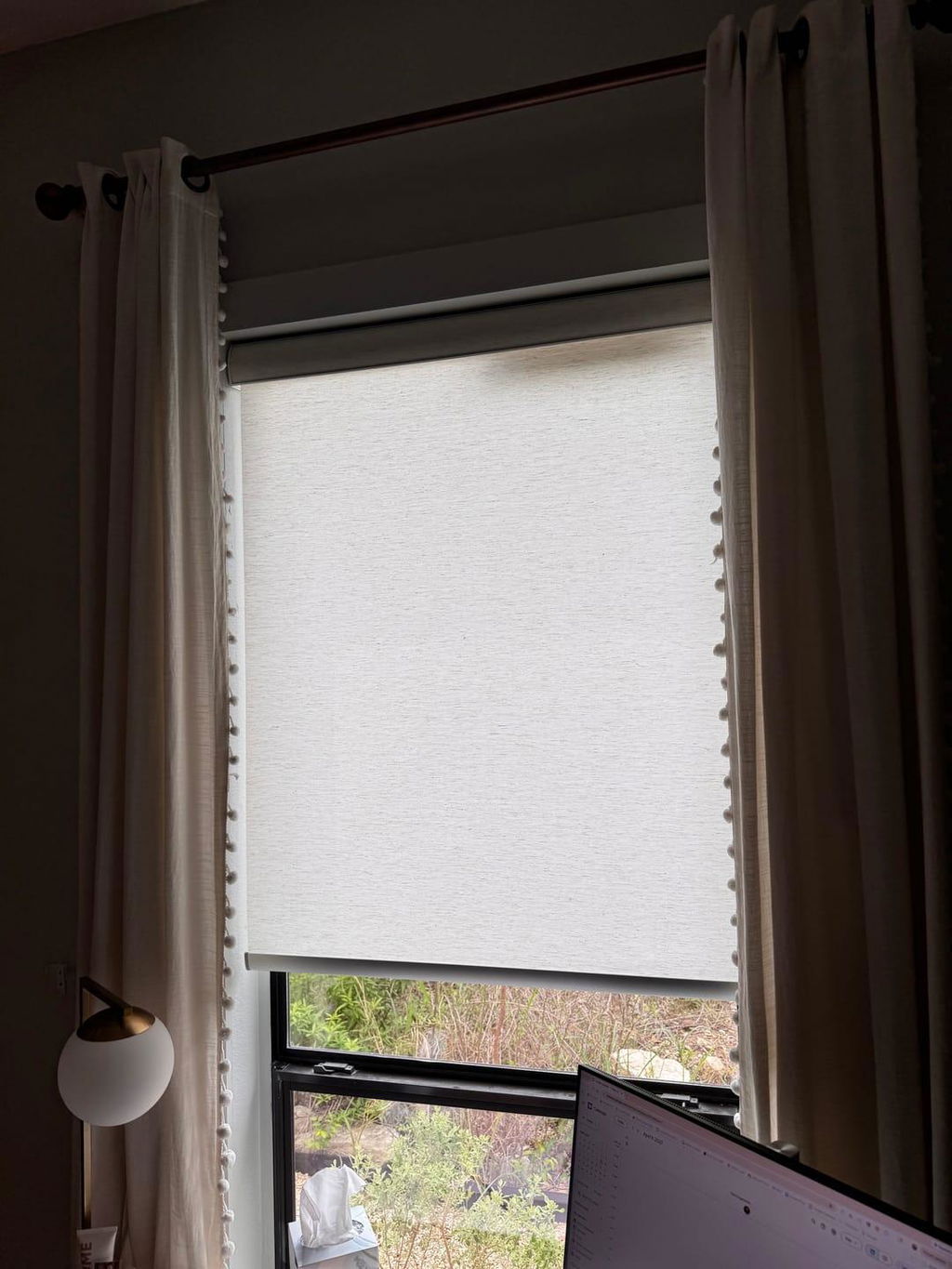
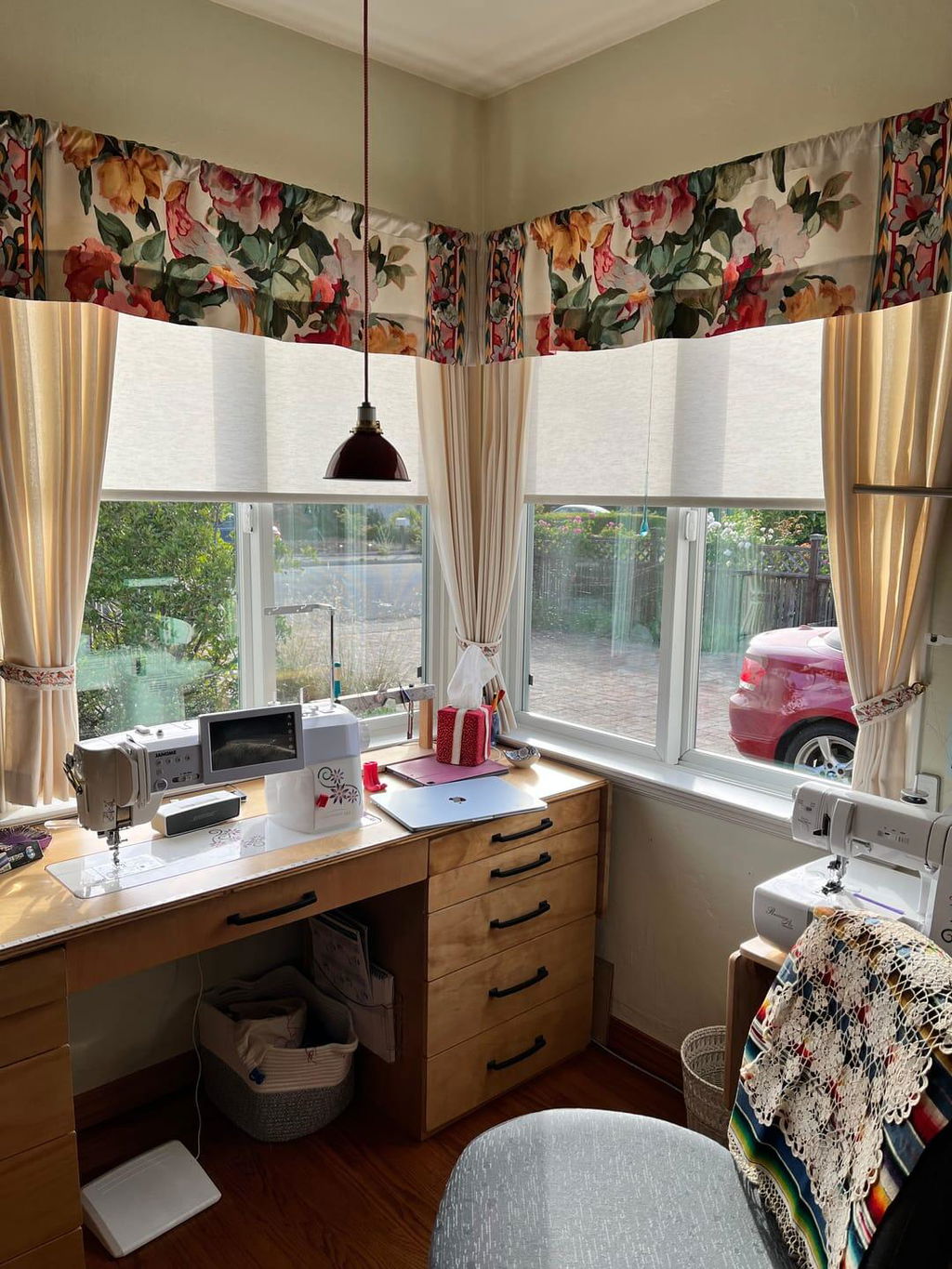
A 72-inch shade is a lot of flat surface area. To keep it from feeling too sterile, I love to layer. Start with a matching fascia or a fabric-wrapped cassette to hide the roll and the brackets. This gives the top of the window a finished, architectural look. From there, you can frame the window with stationary drapery panels to soften the edges of the room.
I usually go for a high-quality linen in a slightly darker tone than the shade. Hang the rod 4-6 inches above the window frame and let the panels just kiss the floor. If you want a more modern look without the fuss of drapes, motorized zebra shades are a fantastic alternative. They offer the same wide-span benefits but with adjustable light-filtering bands that add a bit of visual texture to the room without needing extra fabric layers or heavy rods.
My Wide-Shade Regret
I once installed a 72-inch wide shade in a guest room using a budget-friendly kit I found online. I ignored the weight limit and used a heavy velvet-textured fabric. Three months later, the plastic clutch mechanism literally snapped under the weight of the shade while my mother-in-law was staying over. I spent the rest of her visit trying to prop the shade up with a tension rod. Lesson learned: when you go wide, the hardware is just as important as the fabric. Do not skimp on the internal components.
Frequently Asked Questions
Can I install a 72-inch roller shade by myself?
You can, but I would highly recommend a second pair of hands. Holding a six-foot metal tube perfectly level while trying to click it into brackets is a recipe for a dinged wall or a dropped shade. One person holds the weight, the other person clicks the hardware into place.
Will a wide shade be hard to pull up manually?
It should not be, provided the spring tension or chain drive is geared for the weight of a wide span. However, for a 72-inch span, motorization is a massive quality-of-life upgrade. It saves you from tugging on a long chain and ensures the shade raises perfectly level every time without straining the brackets.
How do I clean such a large shade?
I use the brush attachment on my vacuum once a month to keep dust from settling into the weave. For spots, a damp microfiber cloth with a tiny bit of mild dish soap works wonders. Just do not soak the fabric—you do not want to warp the tension or ruin the stiffening agents that keep the shade rolling straight.