The 3 Rules for Layering Roman Shade Curtains Without Adding Bulk
I remember staring at my first 'grown-up' apartment windows. They were naked, save for some dusty plastic blinds that rattled every time the AC kicked on. I hung a single pair of thin, off-the-shelf panels and... it still felt like a dorm room. It wasn't until I discovered the power of roman shade curtains that the room finally stopped looking like a temporary staging area and started looking like a home.
Quick Takeaways
- Always mix textures: pair a structured shade with a flowing drape.
- Mount curtains high and wide to frame, not hide, the window.
- Limit yourself to one pattern to avoid visual clutter.
- Inside-mount shades are the best way to handle awkward radiators.
Why Single Window Treatments Often Fall Flat
Relying on a single layer of fabric is like wearing a tuxedo with no shirt underneath. It might technically cover you, but the proportions are all wrong. Most 'builder-basic' rooms feel cold because the windows lack depth. When you only have a curtain, the window looks like a flat hole in the wall. When you only have a shade, it looks like a utility feature.
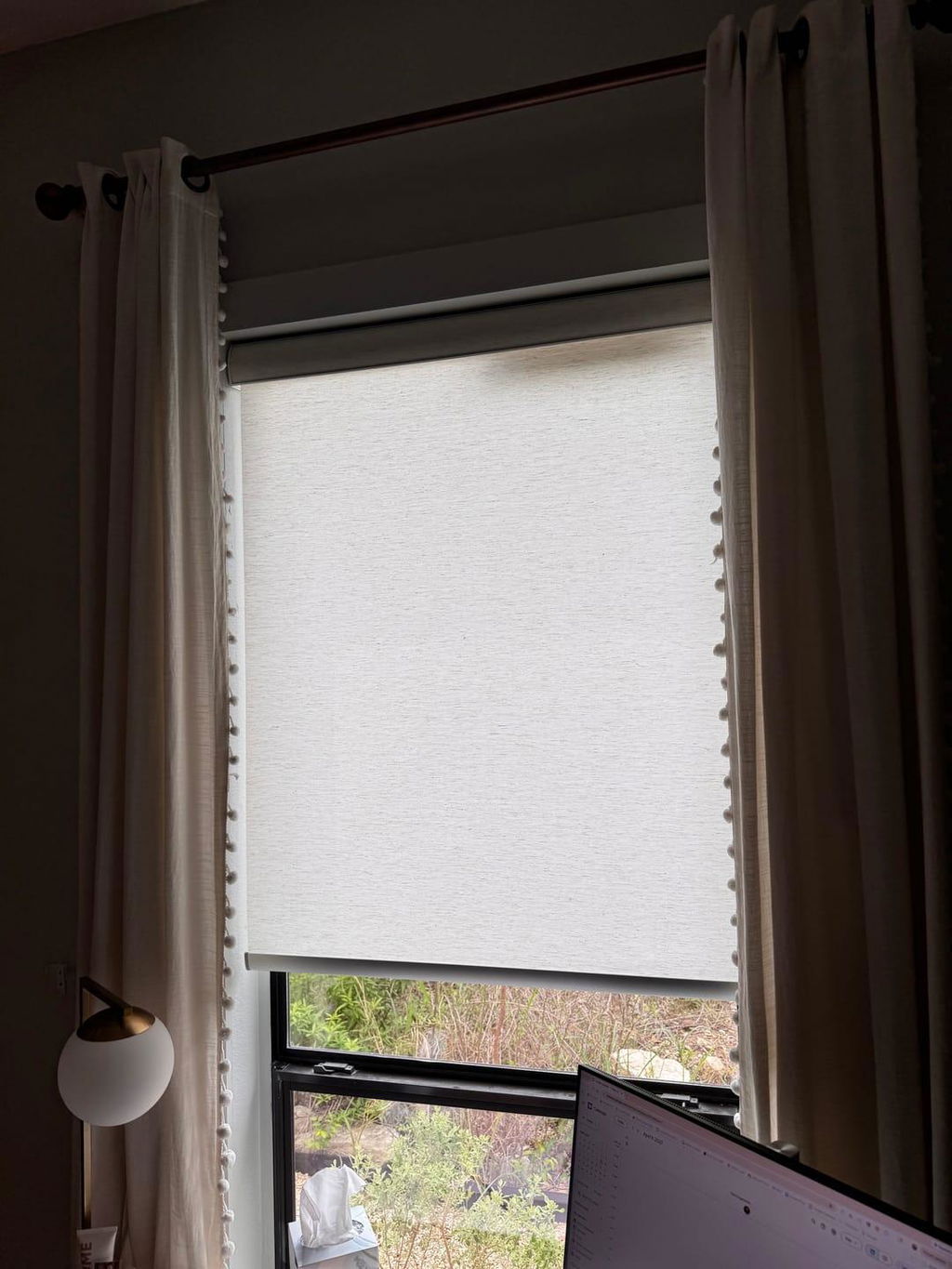
The transition to layering roman shades and curtains is what creates architectural interest. It frames the window like custom molding. By stacking these layers, you control the light levels throughout the day while adding a physical softness that absorbs sound and holds heat. It is the difference between a house that feels 'decorated' and a home that feels 'designed.'
Rule 1: Contrast Your Textures, Don't Match Them
The biggest mistake I see is the 'monotexture' trap. If you have a flat cotton roman shade and you pair it with a flat cotton curtain, the window disappears into a sea of matte fabric. It looks heavy and uninspired. I always tell my clients to think about the 'hand' of the fabric. A crisp, structured linen shade provides the perfect architectural foundation, but it needs the organic, heavy flow of a velvet or a 250 gsm heavy cotton curtain to feel balanced.
If you are going for a natural look, a Woven Roman Vs Woven Roller Shade Which Layers Better Under Drapes debate usually ends with the woven roman winning for texture. The tactile ridges of bamboo or jute shades create a beautiful shadow play when the afternoon sun hits them, especially when framed by soft, unlined linen drapes. Avoid putting two shiny fabrics together—like silk on silk—unless you want your living room to look like a 1990s hotel suite.
Rule 2: Master the Mounting Heights for Both Layers
Installation is where most people panic. Here is the math I live by: mount your curtain rod at least 4 to 6 inches above the window trim and extend the rod 8 to 10 inches past the frame on each side. This 'high and wide' approach makes the window feel massive and ensures that when the drapes are open, they aren't blocking your light.
For the base layer, I almost always recommend an inside mount. Sourcing high-quality Roman Shades that fit snugly inside the window casing creates a tailored, built-in look. If your window depth is too shallow for an inside mount, you can go outside mount, but make sure the shade sits just below the curtain rod. This avoids a messy gap where light leaks through and ruins the silhouette of your layering.
Rule 3: Keep the Visual Weight Balanced
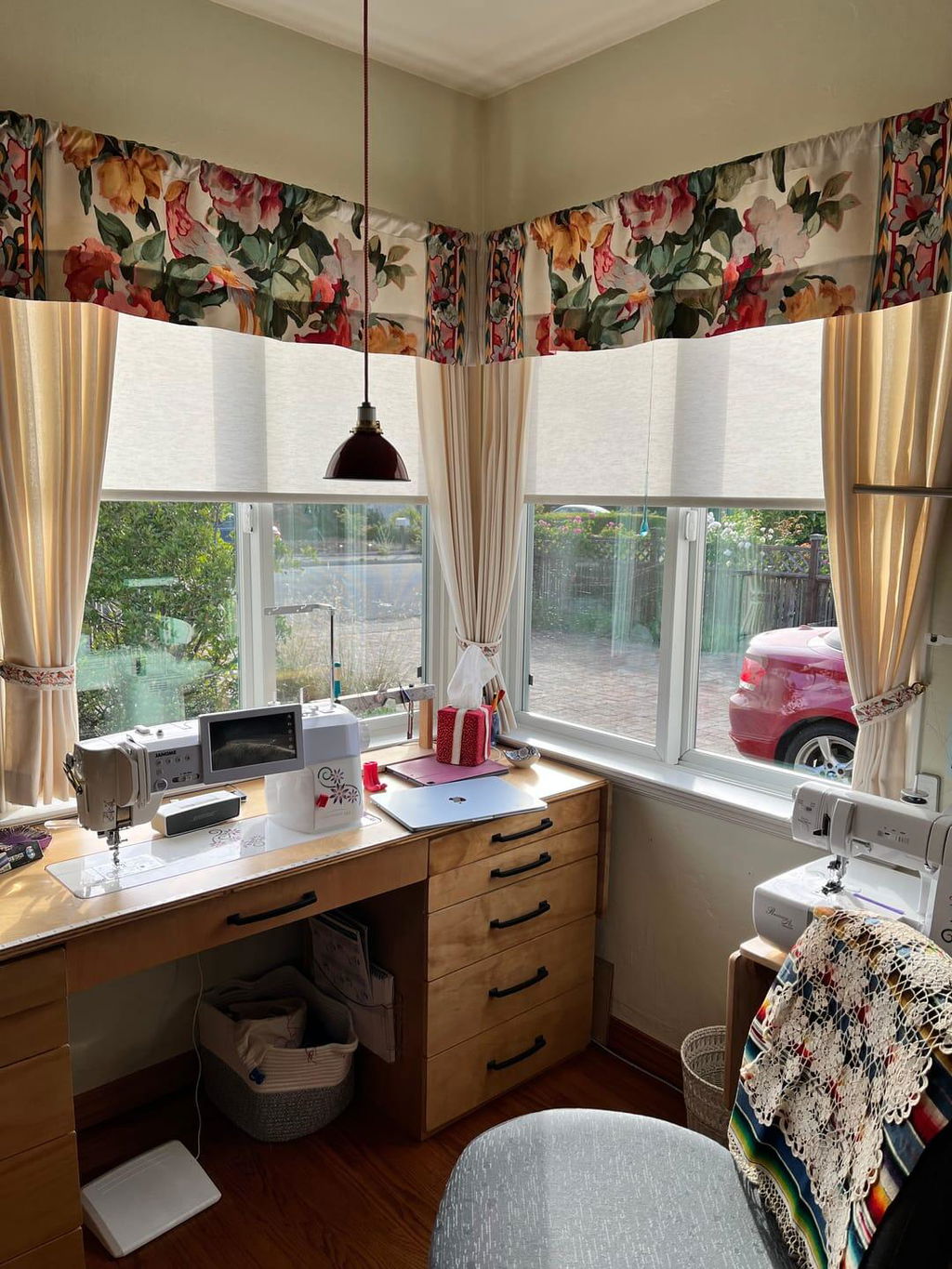
Layering roman shades with drapes is an exercise in restraint. If you have fallen in love with a bold, oversized floral print for your drapes, your roman shade must be a solid. If you try to pair a patterned shade with a patterned drape, the window will look like it is suffocating. I call it the 'heavy-heavy' combo, and it is a one-way ticket to a room that feels smaller than it actually is.
A dark, heavy drape needs a light, airy shade to breathe. Think of a charcoal wool drape paired with a creamy white flax shade. The contrast in visual weight keeps the eye moving. If you want a moody bedroom, you can go dark-on-dark, but vary the sheen—matte charcoal drapes over a subtle sateen shade—to ensure the window doesn't just look like a black hole at night.
Solving the Tricky Windows: Radiators, Built-ins, and Corners
Architecture often tries to ruin our design dreams. I have lost count of the times a beautiful floor-length drape was thwarted by a clunky baseboard heater or a radiator. This is where styling roman shades with curtains becomes a literal cheat code. You can use the roman shade as the functional piece—the one you actually lower for privacy—while the drapes act as stationary 'frames' on the sides.
In my last project, we had a radiator that prevented the left curtain from closing. By using a functional shade and decorative side panels, we kept the aesthetic of a fully dressed window without the fire hazard. For a deeper dive into this, I often point people toward how Drapes vs. Shades: Roman Blinds Fixed My Awkward Radiator Problem to see how a shade can handle the heavy lifting while the drapes provide the style.
My Go-To Fabric Pairings for Layered Windows
If you are stuck, try one of these 'never-fail' combinations that I keep in my back pocket. For a coastal, relaxed vibe, go with a natural bamboo shade and white unlined linen drapes with a 2-finger pinch pleat. It feels like a vacation home even in the middle of a suburb.
For a high-end, moody bedroom, I love a blackout-lined silk roman shade in a deep champagne, topped with sheer wool-blend drapes in a soft grey. The way the light filters through the wool while the silk stays opaque is pure magic. Lastly, for a modern farmhouse look, try a ticking-stripe roman shade under heavy navy cotton drapes. It is classic, structured, and feels incredibly intentional.
Personal Experience: The 'High-Water' Mistake
I’ll be the first to admit I’ve messed this up. I once ordered a set of custom 100% linen drapes for a client’s sunroom and didn't account for the 'heaving' of natural fibers. Within three months, the humidity made the hems crawl up two inches, leaving them looking like high-water pants. It was embarrassing. Now, I always opt for a poly-linen blend for layered looks—it gives you that beautiful drape without the heartbreak of shrinking or constant wrinkling.
Frequently Asked Questions
Can I use a tension rod for the roman shade?
Only if the shade is extremely lightweight. For most roman shades, you want a secure screw-in mount inside the casing. Tension rods tend to slip when you pull the adjustment cords daily.
Do the metals of the rod and the shade hardware need to match?
Not necessarily. Usually, the shade hardware is hidden behind the fabric valance. Focus on matching your curtain rod to other metals in the room, like door handles or light fixtures.
How much 'fullness' do I need for the curtains?
Aim for 2x to 2.5x the width of the window. Anything less looks skimpy and cheap, especially when layered over a structured shade. If your window is 40 inches wide, you want at least 80 to 100 inches of fabric width.