The 3 Reasons I Never Specify an Exposed Roll (Enter the Fascia Blind)
I remember standing in my first 'adult' apartment, staring at a set of custom roller shades I had spent half a month's rent on. They were a gorgeous charcoal weave, but something felt naked. It was not until the morning sun hit the raw metal brackets and the messy, uneven roll of fabric at the top that I realized I had missed the most important detail: the fascia blind finish.
- Architectural Polish: Hides the 'guts' of the shade for a built-in look.
- Dust Protection: Keeps the top of your fabric roll from becoming a dust magnet.
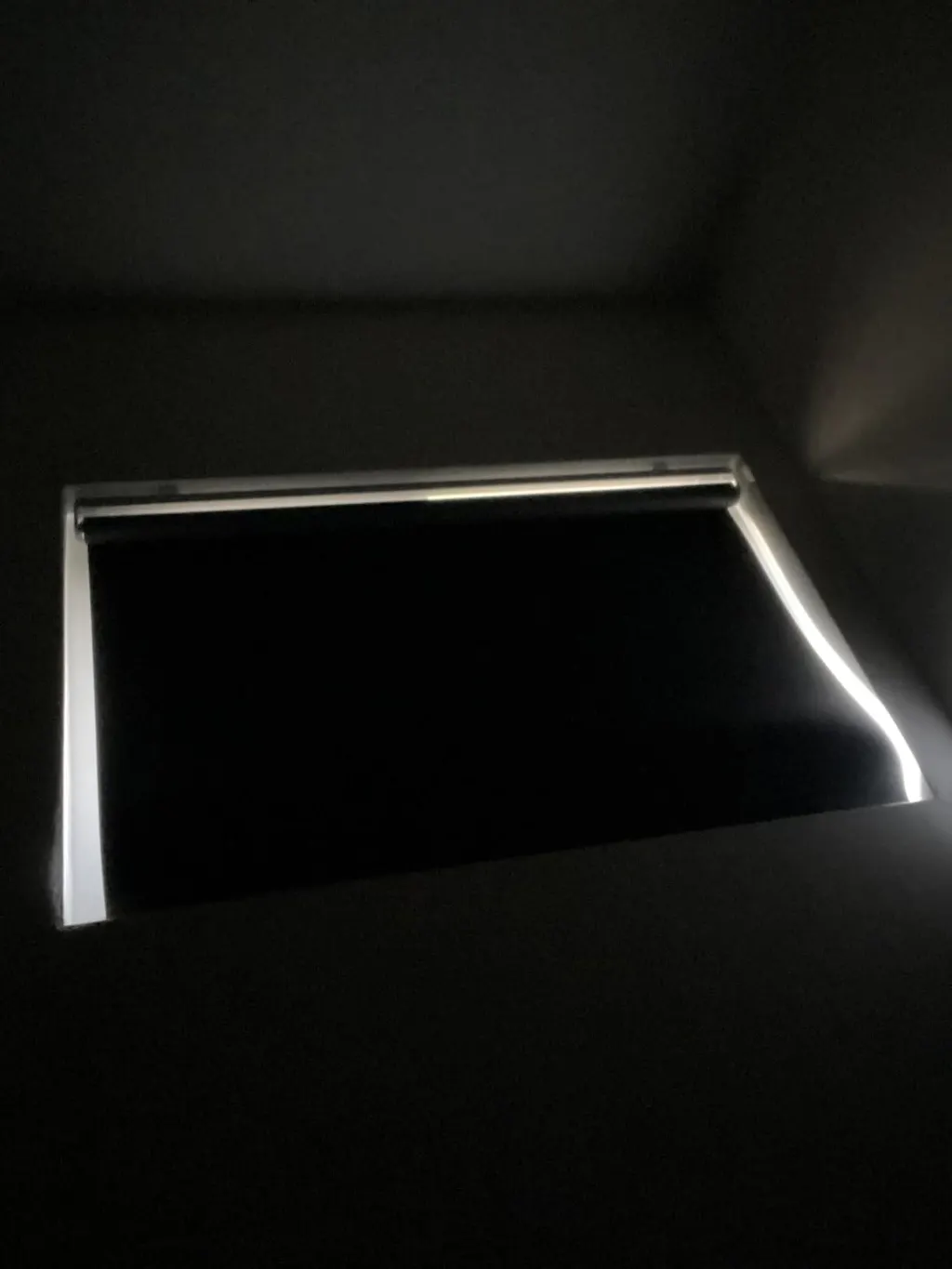
- Light Control: Minimizes the light gap at the very top of the window frame.
- Modern Edge: Replaces dated fabric valances with clean, powder-coated aluminum.
The Exposed Roll vs. The Architectural Finish
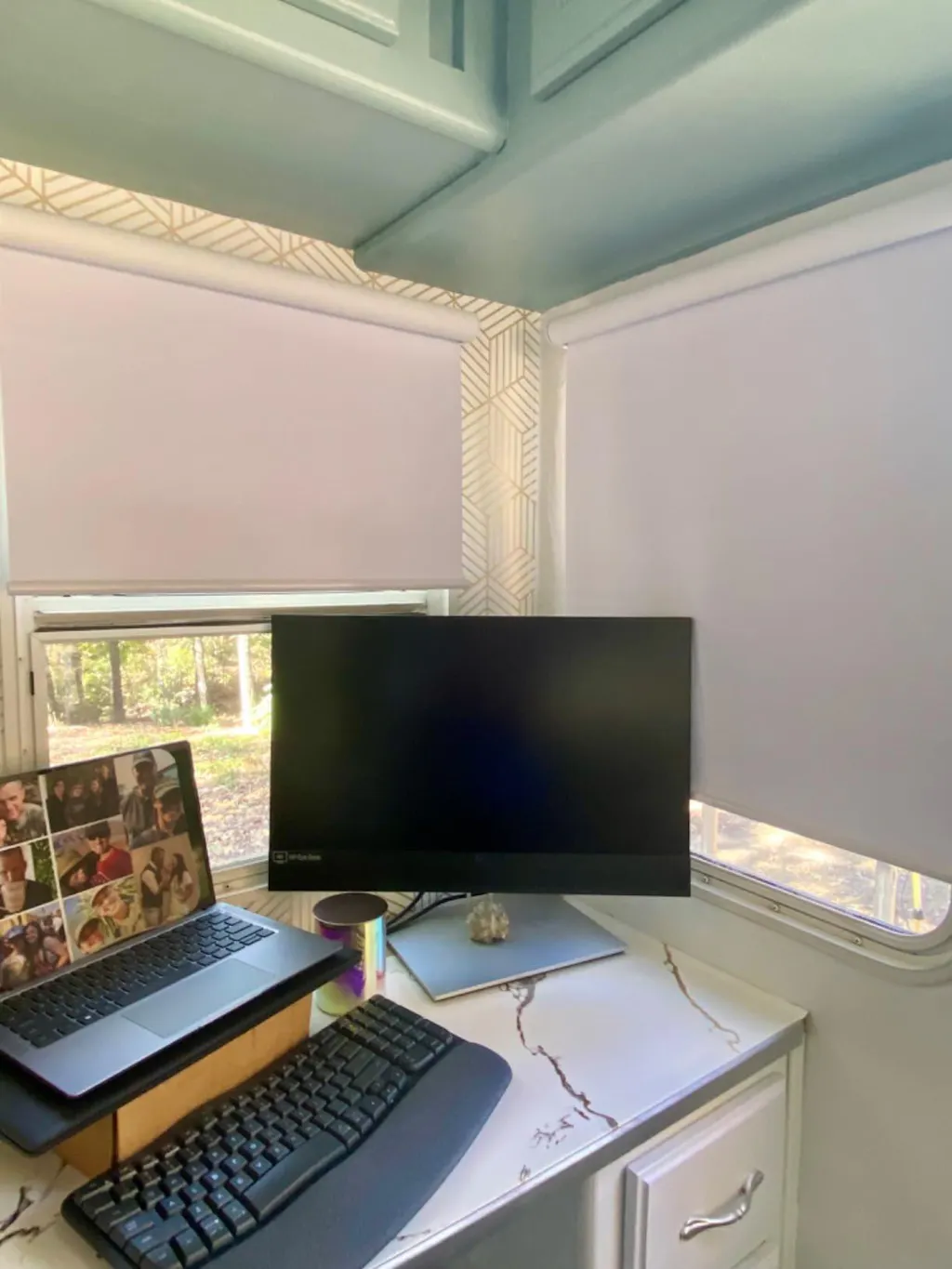
In my early design days, I thought exposed rolls looked 'industrial' and 'cool.' I was wrong. Unless you are living in a literal 1920s garment factory with 14-foot ceilings, an open roller shade usually just looks unfinished. Seeing the tube, the idle end, and the mounting screws disrupts the vertical lines of your window.
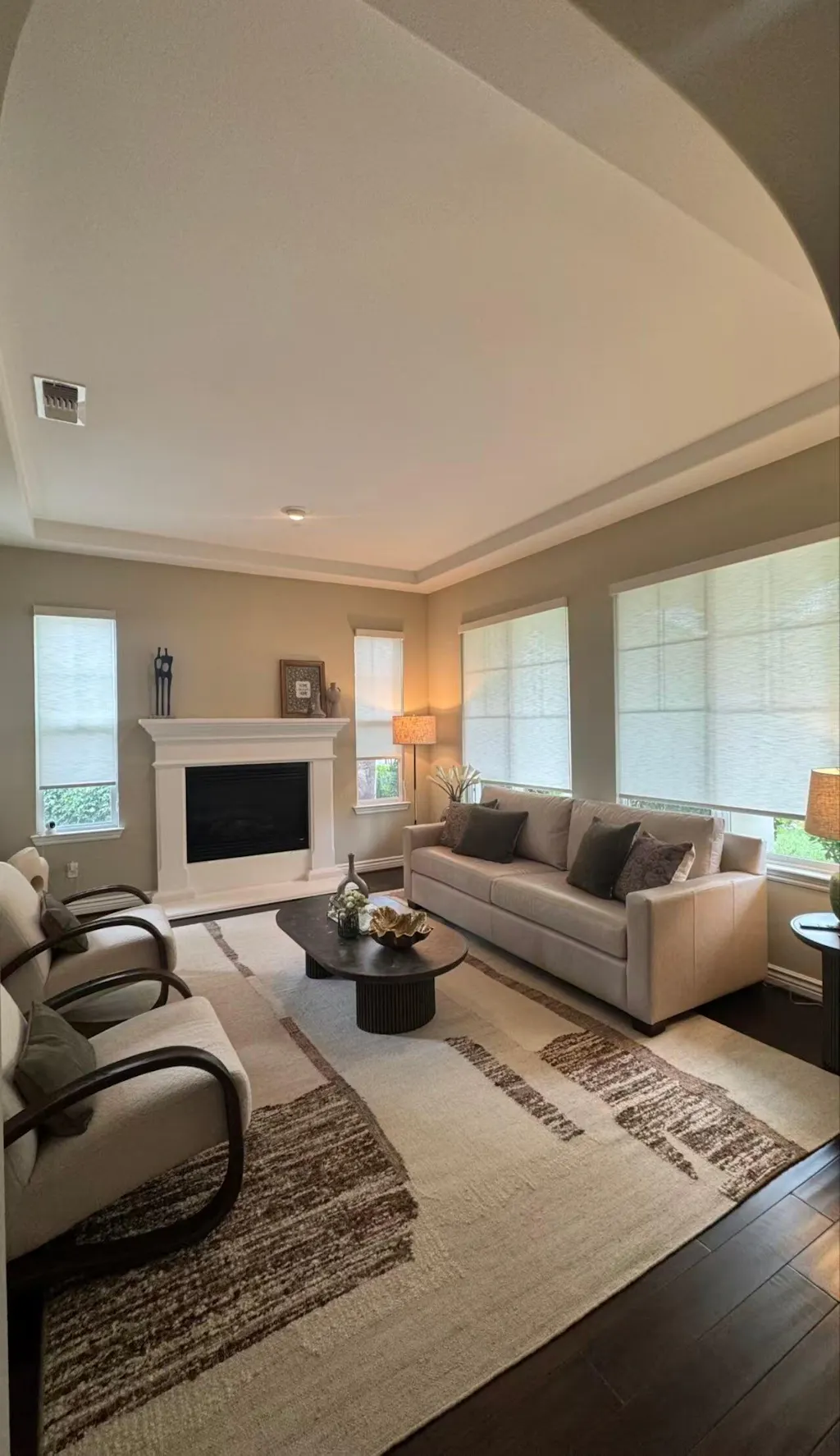
A fascia window treatment acts like crown molding for your windows. It creates a definitive header that squares off the opening. When the shade is up, the fabric disappears entirely into the housing. When it is down, you see a crisp, intentional line of metal that matches your window mullions. It is the difference between a tailored suit and one you bought off the rack without hemming the sleeves.
Wait, What Exactly Is a Fascia?
Let’s clear up the jargon. A shade fascia or blind fascia is a flat, L-shaped or U-shaped piece of architectural aluminum that snaps directly over the mounting brackets. It is not the same as a bulky cassette (which is a full box). The fascia is sleeker, usually only 3 or 4 inches tall, and provides a minimalist shield for the hardware.
I always advocate for a roller shade aluminum fascia over the plastic alternatives. Plastic yellows over time and can warp if your window gets direct afternoon heat. Aluminum stays rigid and can be powder-coated to match your trim perfectly. If you are currently exploring All Your Shade Solutions, you will see that the hardware choice is just as vital as the fabric opacity.
Metal Fascia vs. Traditional Fabric Valance
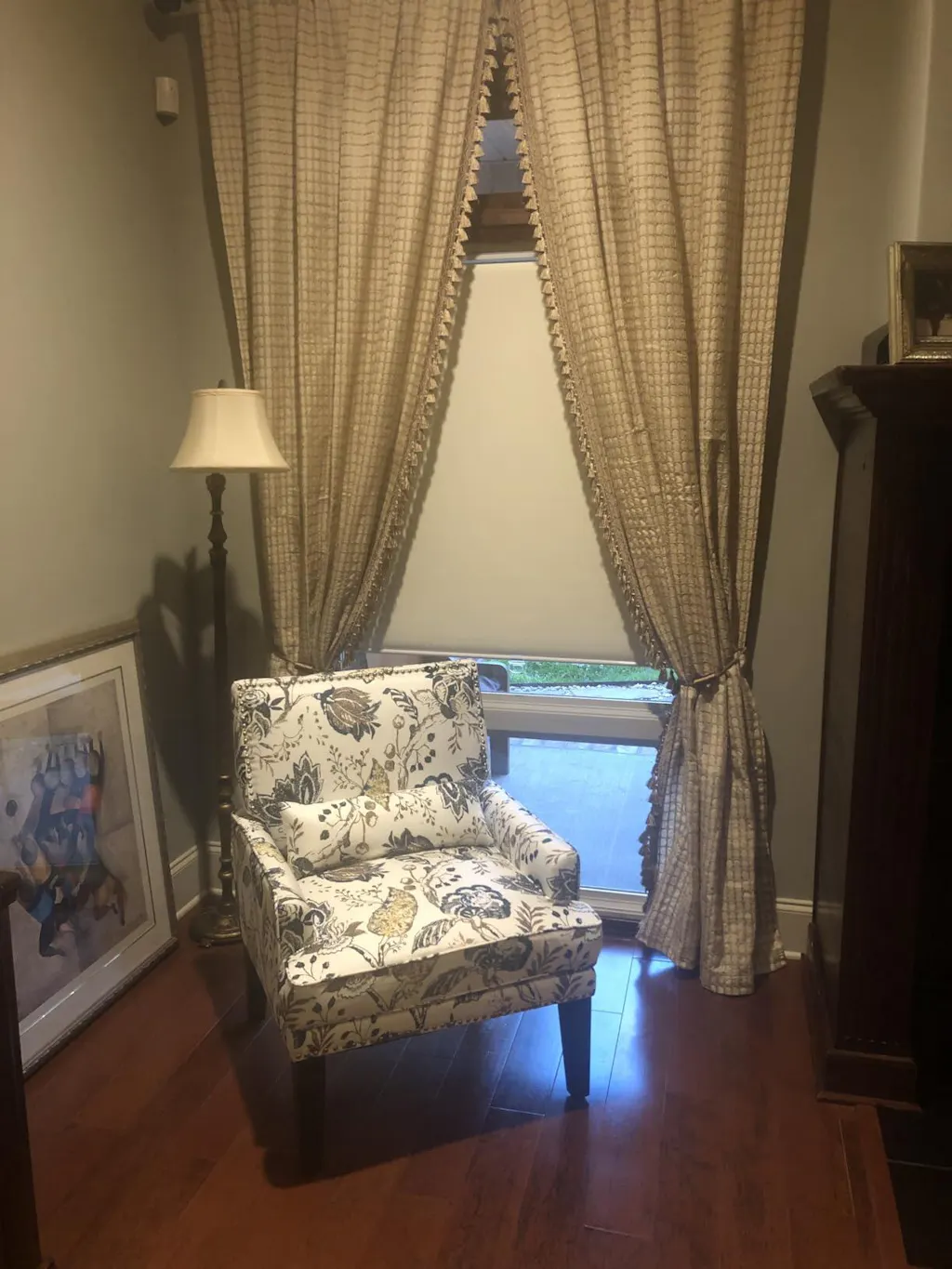
There was a time when every window shade was topped with a fabric-wrapped valance. You know the ones—padded, slightly puffy, and usually covered in the same floral jacquard as the shade. It’s a look that feels firmly stuck in 1994. Modern interiors demand rigid, straight lines and high-contrast materials.
A roller shade with metal fascia offers a much thinner profile. Instead of a 5-inch protrusion into the room, a metal window shade fascia can sit almost flush with the casing. It allows the architecture of the window to speak for itself. When you are upgrading your basic Roller Shades, choosing a metal header gives the room a weight and permanence that fabric simply cannot match.
When a Room Absolutely Demands a Fascia
There are scenarios where a fascia for roller shades is not just a 'nice to have'—it is a requirement. If you are doing an inside mount in a shallow window frame, the roll will often stick out an inch or two. Without a fascia, you are looking at the side of a metal tube every time you walk past the window. It is a total vibe-killer in a minimalist kitchen or a sleek home office.
I also refuse to skip the fascia in commercial-style lofts or modern master suites. In these spaces, you want the hardware to recede. By choosing a roller shade with fascia in a matte black or anodized silver finish, the hardware effectively becomes part of the window frame itself. It is about reducing visual clutter so your eyes focus on the view, not the bracket screws.
My Favorite Way to Layer Under a Metal Header
One of my favorite high-end styling tricks is the 'dual shade' setup. I’ll install a 1% solar screen for daytime glare and a total blackout shade for movie nights or sleeping in. Trying to hang two exposed rolls looks like a plumbing project gone wrong. However, when you house them both under one large, deep fascia, it looks incredibly sophisticated.
For this specific look, I often point people toward the Canisteo Motorized Dual Roller Shades Cordless Custom Double Roller Blinds. It is a system designed to keep two fabrics tucked neatly behind one clean, architectural header. I paired these with floor-to-ceiling velvet drapes in a West Village project last year, and the way the rigid metal fascia peeked out from behind the soft fabric folds was pure design magic.
The Practical Secret: Protecting Your Fabric Investment
Beyond the aesthetics, there is a gritty, practical reason for the fascia roller shade. Exposed rolls are dust magnets. That top layer of fabric sits there, collecting every bit of dander and pollen. Then, when you roll the shade up, you are literally pressing that dust into the fibers of the fabric. Over a few years, you get a dingy grey line at the top of your expensive shades.
The metal covering acts as a roof, keeping the textile pristine. If you have spent years thinking I Fixed My Sagging Roller Blind Spring Without Buying a New Shade, you know that keeping your hardware protected and clean is the only way to avoid a full replacement. A fascia is the best insurance policy for your window treatments.
A Quick Note on Depth and Flush Mounting
Before you order, grab your metal measuring tape—not a sewing tape. You need to check your 'jamb depth.' For a fascia to sit completely flush inside the window frame, you usually need about 3.5 to 4 inches of flat space. If your windows are shallow, don't force it. A fascia that sticks out two inches into the room looks like a mistake. In those cases, I prefer to mount the fascia to the wall above the window, extending it a few inches past the trim on each side to create the illusion of a wider, grander opening.
FAQ
Can I install a fascia on a shade I already own?
It depends on the brackets. Most fascia systems require specific 'notched' brackets that the metal plate snaps into. If your current shades use standard universal brackets, you likely cannot just pop a fascia on top without replacing the mounting hardware.
What color fascia should I choose?
Always match the window frame, not the fabric. If your windows are white vinyl, go with a white fascia. If you have black steel frames, black is the only answer. You want the fascia to disappear into the architecture, not stand out as a separate design element.
Is a fascia harder to clean than an open roll?
Actually, it is easier. Instead of trying to vacuum dust off a delicate fabric roll, you just wipe the flat metal surface with a damp microfiber cloth. It takes five seconds during your Sunday reset.