I Fixed My Sagging Roller Blind Spring Without Buying a New Shade
There is nothing quite as annoying as a window treatment that refuses to behave. I remember staring at a beautiful custom linen shade in my guest room—a heavy, 300 gsm weave that I spent a month’s coffee budget on—only to have it go limp. I would give the hem a gentle tug, and instead of that satisfying zip, it just hung there like a wet towel. It felt like the roller blind spring had simply given up on life. My first instinct was to call the manufacturer and demand a replacement, but then I realized the fix was actually sitting right in my hands.
- Most spring loaded blinds aren't broken; they just need their internal tension reset.
- The secret lies in the 'flat pin' side of the roller, which controls the spring coil.
- You can fix a sagging shade in about three minutes without a single tool.
- If your shade snaps up too fast, you can release tension just as easily.
- High-quality spring shades for windows can last decades if you learn these two manual resets.
Why Do These Things Always Stop Working?
The love-hate relationship we have with spring loaded roller blinds is real. When they work, they provide that clean, cordless look that makes a room feel instantly more architectural. But the second that spring loaded shade loses its tension, the whole aesthetic falls apart. It usually happens because the shade was pulled down too far or too fast, causing the internal coil to lose its 'memory.'
You know the symptom: you pull the shade down to block the 4 PM glare, and when you try to retract it, there is zero resistance. It’s a classic case of a tired spring roller. Before you assume the spring is snapped, realize that it’s likely just uncoiled. These mechanisms are surprisingly resilient, especially the old fashioned spring roller shades that have been around since your grandmother’s house. They are built on simple physics, and physics can be recalibrated.
The Anatomy of a Spring Roller (It's Simpler Than You Think)
If you pop a shade out of its brackets, you’ll notice two different ends. One side has a round pin—this is the 'idler' end that just sits there and spins freely. The other side has a flat, rectangular pin. This flat pin is the heart of the window shade spring roller. It’s what actually holds the tension of the internal coil. When the shade is mounted, the bracket holds that flat pin stationary while the tube rotates around it, winding the spring tighter as you pull the fabric down.
In high-quality Roller Shades, these internal components are often made of steel rather than the flimsy plastic found in cheap big-box store versions. This matters because a steel spring can be rewound hundreds of times without losing its snap. Whether you are dealing with spring loaded window blinds in a modern office or spring loaded mini blinds in a kitchen, the mechanics remain remarkably similar. Understanding that the flat pin is the 'engine' is half the battle.
How to Add Tension When Your Shade Won't Roll Up
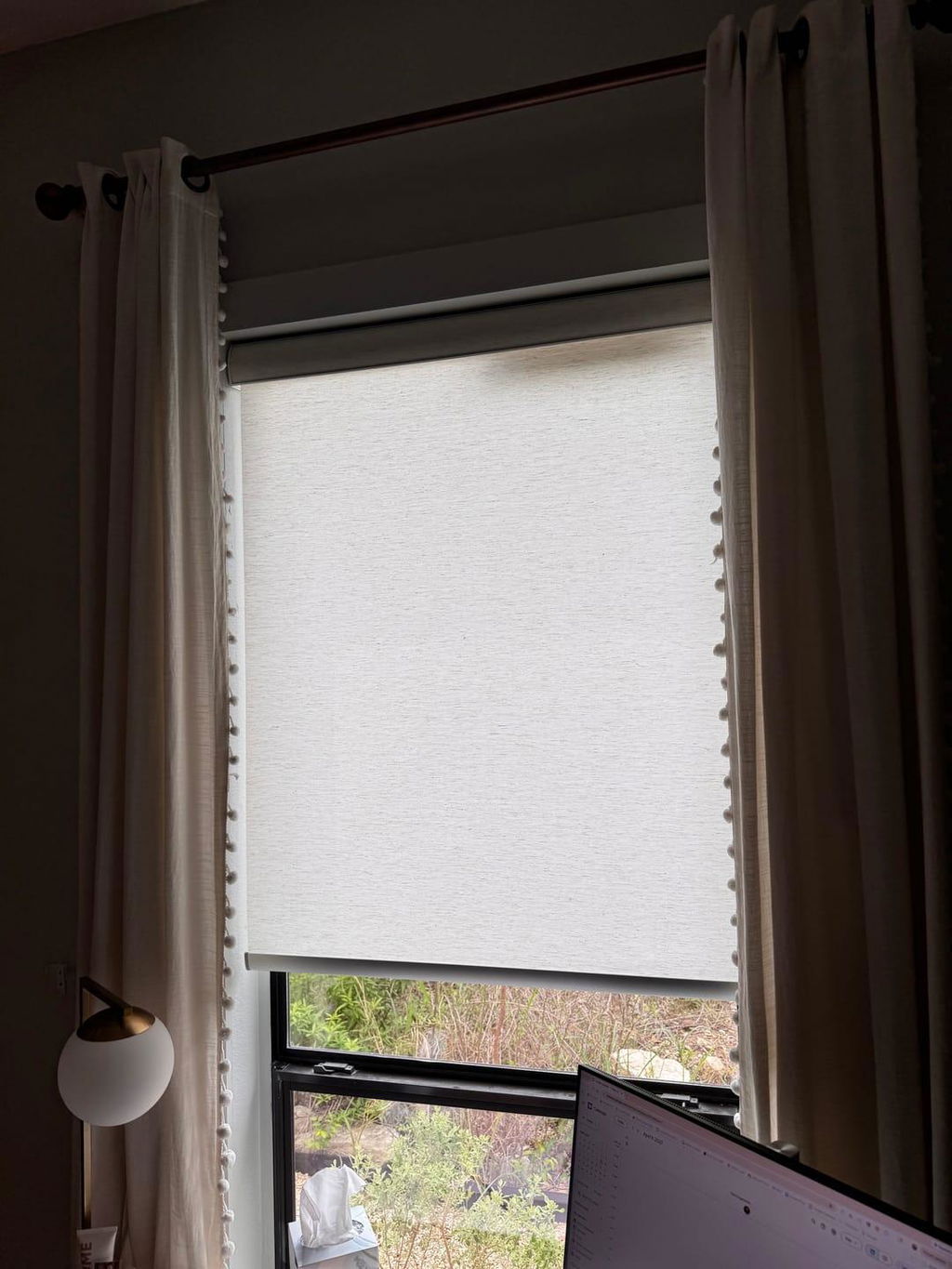
If your spring loaded roller shade is sagging, you need to manually add tension to the coil. Here is the exact interior stylist trick I use. First, pull the shade down about halfway. Now, carefully lift the roller out of the brackets. While the shade is off the window, manually roll the fabric back up onto the tube by hand. Be sure to roll it tight and even—this is where you prevent that annoying telescoping effect later.
Once the fabric is rolled all the way up, put the shade back into the brackets. By rolling the fabric up while it was off the window, you’ve effectively 'fooled' the spring blind into thinking it’s at the top, but with more tension stored in the coil. When you pull it down now, the spring will wind even tighter. If it’s still a bit sluggish, repeat the process. This works for almost all spring tension roller blinds and is much cheaper than a service call.
How to Fix a Shade That Snaps Up Way Too Fast
On the flip side, sometimes spring loaded window shades become way too aggressive. I once had a spring loaded window shade in my bathroom that would snap to the top with such violence it sounded like a gunshot. This happens when there is too much tension stored in the spring. It’s not just loud; it’s a great way to rip your mounting brackets right out of the drywall.
To fix this, do the opposite of the tensioning trick. Start with the shade fully rolled up. Take it out of the brackets and manually unroll about two or three feet of fabric. Then, put it back in the brackets and roll it up normally. By unrolling the fabric while the flat pin is free, you are releasing the 'stored' rotations in the spring. It might take a few tries to get that perfect, buttery-smooth glide, but your ears (and your drywall) will thank you.
When to Repair vs. When to Upgrade to Motorization
Sometimes, the roller blind springs are truly toast. If you hear a grinding noise or a sickening 'pop' followed by total loss of tension, the internal plastic housing might have shattered. At that point, you have to decide if the fabric is worth saving. If you have a custom 96-inch drop shade in a premium velvet or grasscloth, it’s worth buying a replacement clutch or spring kit.
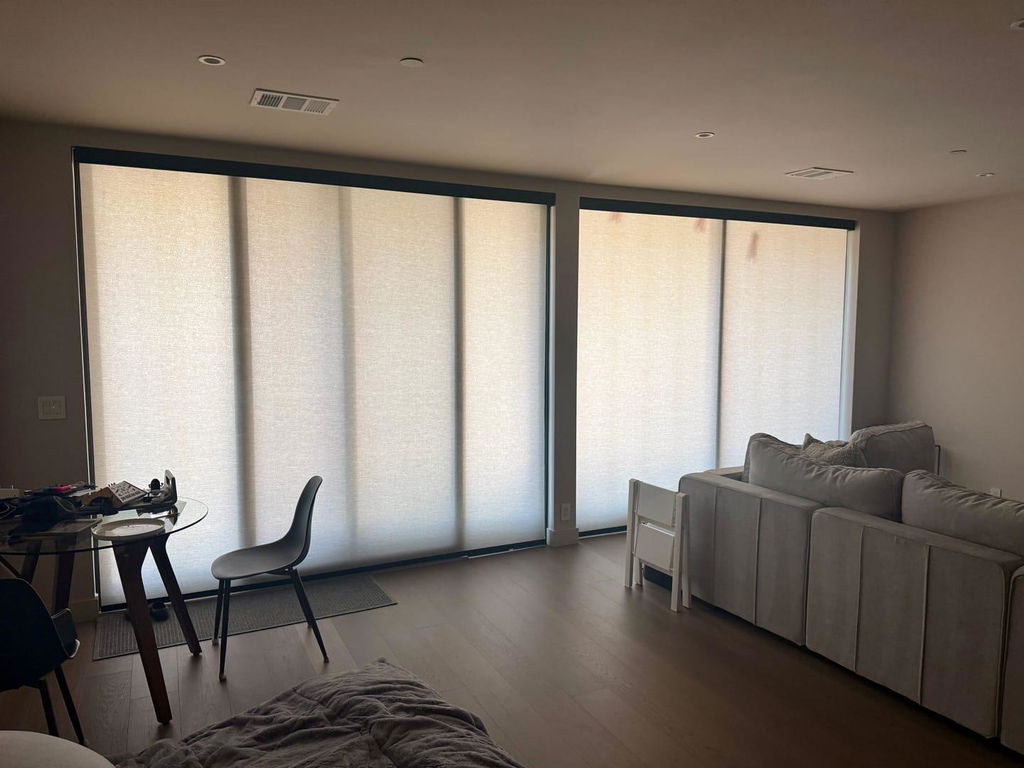
However, if you are tired of the manual dance altogether, it might be time to move past spring loaded blinds for windows. For my high-traffic living room, I eventually swapped my manual shades for Canisteo Motorized Dual Roller Shades. There is a certain luxury in pressing a button and watching two layers of fabric align perfectly without any tugging. If you love the look of layered light but hate the clutter of multiple cords, Day Night Shades are a fantastic alternative that offers more control than a standard single-spring mechanism.
My Go-To Maintenance Trick for Smooth Operation
The biggest mistake people make with spring roller shades is how they pull them. Most of us grab a corner or one side of the hem bar. This puts uneven pressure on the spring and causes the fabric to 'telescope' or spiral toward one end of the tube. Over time, this frays the edges of your fabric and wears out the internal spring unevenly.
Always pull from the exact center. If your shade is wide, use two hands. This keeps the tension balanced across the entire width of the roller. It’s a small habit, but it’s the difference between a shade that lasts three years and one that lasts fifteen. I’ve learned the hard way that a little bit of respect for the mechanics goes a long way in keeping a room looking polished.
FAQ
Why does my roller blind keep falling down?
Usually, this is because the tension is too low to hold the weight of the fabric. Use the 'manual roll-up' trick to add more tension to the spring. If the brackets themselves are loose, ensure you are using the correct anchors for your wall type.
Can you oil a roller blind spring?
I wouldn't recommend it. Most modern springs are housed in a way that oil won't reach the friction points, and you risk staining your fabric. If it's squeaking, it's usually a sign the plastic components are rubbing or the spring is misaligned.
How do I know if my spring is broken?
If you try to add tension and the flat pin spins freely without any resistance or 'clicking' feel, the internal hook that holds the spring has likely snapped. At that point, the roller tube itself usually needs to be replaced.