The 2-Inch Rule for Inside vs Outside Mount Roman Shades
I’ve spent more hours than I’d like to admit staring at window casings with a metal tape measure in one hand and a cold cup of coffee in the other. There is a specific kind of panic that sets in when you realize the custom 100% Belgian linen shades you just splurged on don't actually fit the recess of your window. Deciding between inside vs outside mount roman shades is the pivot point where a room either looks architecturally tailored or like a DIY project gone wrong.
Quick Takeaways
- Inside mounts require a minimum window depth of 2 inches for a flush finish.
- Outside mounts are the secret weapon for hiding ugly trim or making small windows look grand.
- Inside mounts will always have a slight 'light gap' on the sides; outside mounts offer better blackout coverage.
- Always check for obstructions like crank handles or alarm sensors before you drill.
Why the Mount Dictates the Entire Room's Vibe
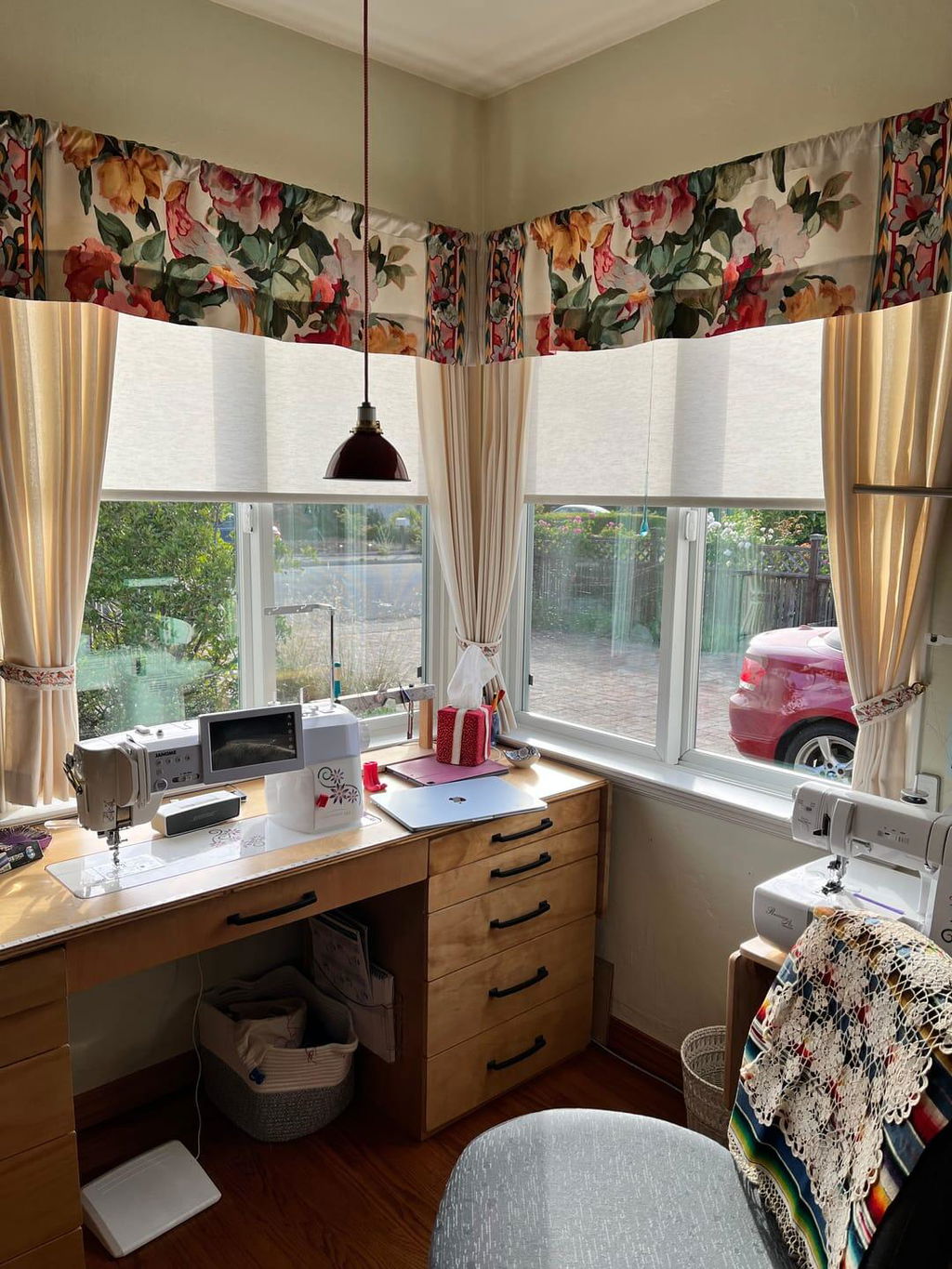
Choosing your mounting style isn't just a technicality; it’s a design statement. When you select Roman Shades, you are deciding how much of your window’s 'bones' you want to show off. An inside mount is the equivalent of a slim-fit suit—it’s clean, precise, and highlights the architectural lines of your molding.
On the flip side, an outside mount is your chance to play with proportions. It can make a cramped 24-inch window feel like a 30-inch focal point. I’ve seen rooms where an inside mount felt cold and clinical, but switching to a high-mounted outside drape in a 300 gsm heavy-weight cotton instantly softened the entire wall. It’s about more than just hardware; it’s about the silhouette you’re creating against the light.
The Dreaded 'Protrusion': When to Use an Inside Mount
The math here is non-negotiable. For a standard inside mount roman shade to look right, you need depth. I call it the 2-inch rule. If your window casing is shallower than 2 inches, your headrail is going to stick out past the wall. There is nothing that ruins the 'custom' look faster than seeing the raw side of a headrail peeking out from the frame.
When you’re debating a roman shade inside or outside mount, grab your tape measure and check three spots: the top, middle, and bottom of the inner frame. Most windows aren't perfectly square. If your width varies by more than 3/8 of an inch, an inside mount might snag on the way down. If you have the depth and a square frame, the inside mount is the gold standard for a modern, minimalist aesthetic that keeps the focus on the fabric texture.
Hiding Ugly Molding (And Other Outside Mount Superpowers)
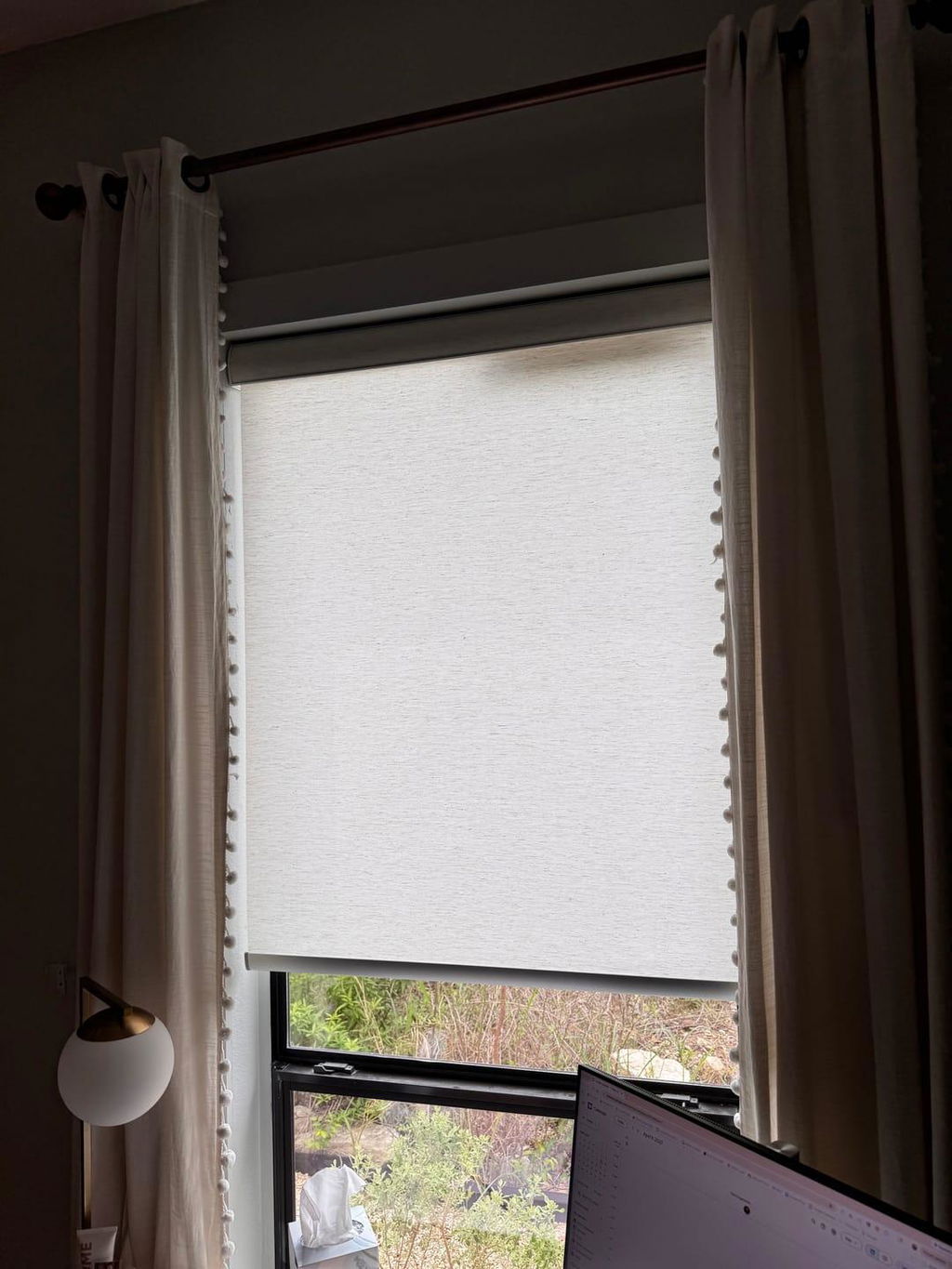
Let’s be honest: not all window trim is worth celebrating. I once lived in a 90s builder-grade apartment with skinny, orange-toned oak trim that made me twitch every time I walked into the bedroom. This is where the outside mount becomes a literal lifesaver. By mounting the shade 4 to 6 inches above the window frame, you create the illusion of height and hide the trim you hate.
When comparing outside vs inside mount roman shades, the outside mount is also the superior choice for 'stretching' a window. If you extend the shade 2 or 3 inches past the frame on each side, the window appears significantly wider. It’s a classic designer trick for those awkward, skinny windows often found in older homes. If you are leaning toward this route, check out this guide on why you should Stop Forcing Inside Mounts The Case For Outside Mount Roman Shades to see how much of a difference it makes.
The Light Bleed Reality Check
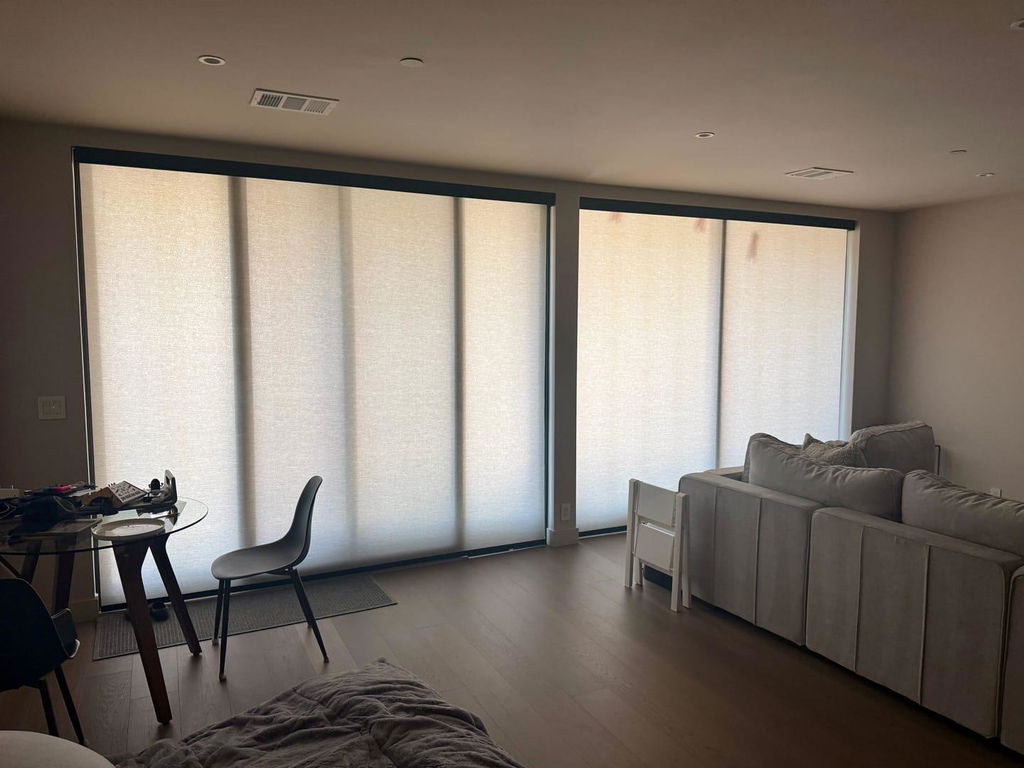
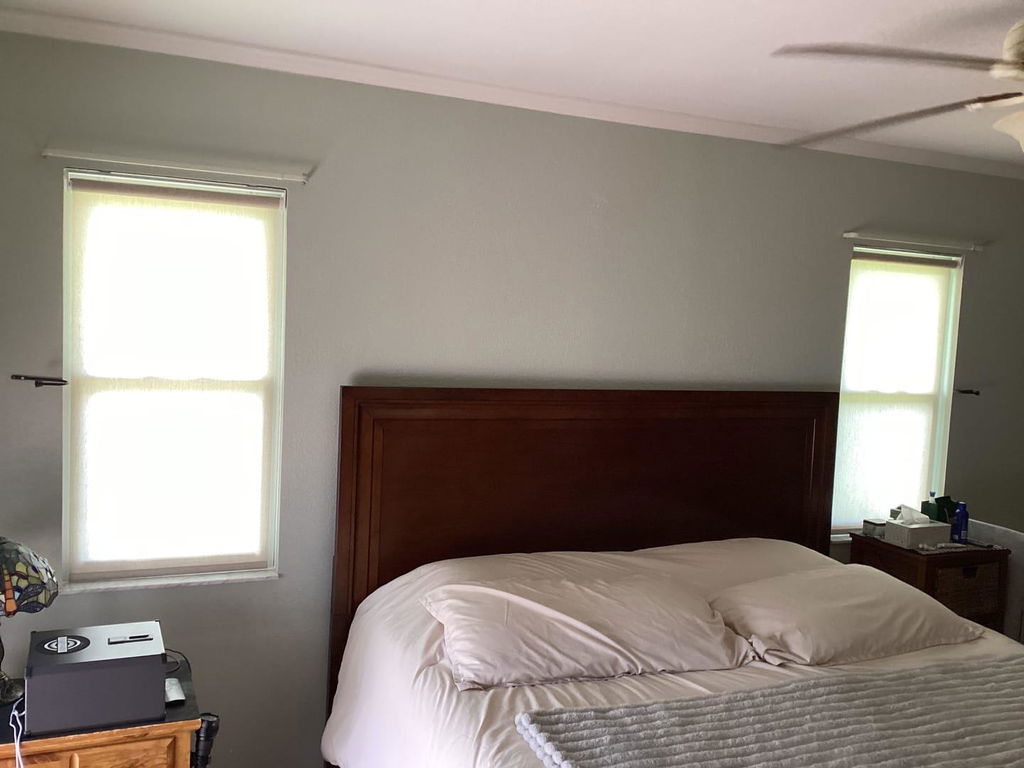
If you are a light-sensitive sleeper, listen up. An inside mount will always have a 'halo effect'—a sliver of light that leaks through the sides because the shade can’t rub against the casing. No matter how perfectly you measure, that gap exists. For a nursery or a primary bedroom where you want total darkness, an inside mount can be frustrating.
When deciding on roman shades inside or outside mount for a bedroom, I almost always steer clients toward an outside mount with a 3-inch overlap on each side. This physically covers the gap and blocks the light. If you’re dealing with a tricky situation where you need both privacy and light, you might even consider Day Night Shades to give you more flexibility than a standard single-panel Roman.
My Pre-Drill Checklist for Window Treatments
Before you commit to a roman shade inside vs outside mount, do a physical sweep of the window. I once ordered a beautiful set of flat-fold Romans for a kitchen, only to realize the sink’s crank handle protruded 2.5 inches into the space. The shade hit the handle every time I lowered it. It was a disaster.
Check for handles, locks, and even tile backsplashes that might interfere with the drop. If your window has a deep sill but a shallow top, an outside mount is your only safe bet. Once you’ve checked your clearances and made your choice, the hard part is over. You can find the specific steps on How To Install Your Shades to finish the job. Trust your measurements, respect the 2-inch rule, and don't be afraid to cover up trim that doesn't spark joy.
FAQ
Can I do an inside mount if my window is only 1 inch deep?
You can, but it won't be flush. The headrail will protrude into the room. If you don't mind seeing the side of the mounting bracket, it's possible, but for a professional look, I’d recommend an outside mount instead.
How far should an outside mount hang below the sill?
Usually, you want the shade to end about 1 to 2 inches below the bottom of the window trim (the apron). This ensures full coverage and prevents light from leaking out the bottom.
Will an outside mount make my ceiling look lower?
Actually, the opposite! If you mount the shade closer to the ceiling or crown molding rather than just above the window frame, it draws the eye upward and makes the ceiling feel significantly higher.