Stop Waking Up at 5 AM: My Hunt for Half Circle Window Blinds
I remember the first night in my current bedroom. I had spent weeks picking the perfect shade of 'Greige' for the walls and sourcing a vintage Turkish rug that felt like walking on a cloud. But I forgot the arch. That beautiful, architectural transom window above my bed seemed like a dream during the afternoon tour, but at 5:14 AM, it became a direct portal for a laser beam of sunlight aimed squarely at my eyelids.
Living with a naked arch is a choice only for the truly sleep-deprived or those who thrive on a 4 AM workout schedule. I am neither. Finding the right half circle window blinds became a personal mission, one that involved three sets of paper prototypes and a very frustrated conversation with my husband about whether we should just 'drywall over the whole thing' (we didn't).
- Cellular shades are the MVP for light blockage and thermal control in bedrooms.
- Avoid the 'temporary' paper fans; they yellow and sag within six months.
- Stationary sunbursts are usually better than operable ones because the mechanisms often jam.
- Match the material of your arch shade to the treatment on the rectangular window below for a unified look.
The 5 AM Laser Beam (Why I Finally Caved)
We all love the look of an exposed arch. It’s that 'European villa' vibe that makes a standard 10x12 bedroom feel like it has pedigree. But let’s be real: glass is a terrible insulator and an even worse privacy shield. When the sun hits that curve, it doesn't just light up the room; it heats the space like a greenhouse.
I spent months wearing a silk sleep mask, trying to convince myself that the architectural 'integrity' was worth the headache. It wasn't. I started asking myself, Are Blinds for Circle Window Shapes Actually Worth the Hassle? The answer is yes, provided you don't settle for something that looks like an accordion project from a third-grade art class.
Why We Need to Talk About the 90s Paper Fan Trend
If you search for a half window shade, the first thing that pops up is usually a $15 pleated paper fan that sticks on with adhesive tape. Please, I am begging you: don't do it. I’ve seen these in million-dollar homes, and they always look like an afterthought. They collect dust, they lose their crispness, and the adhesive eventually fails, leaving a sticky residue on your beautiful wood trim.
A flimsy semi circle window cover ruins the height of the room. You want something that feels like it was built into the window frame, not stuck onto it. When you start looking for all your shade solutions, prioritize custom-fit inserts. A real window covering for half circle window shapes should have a rigid frame or a high-quality cellular structure that maintains its geometry even in high humidity.
Cellular or Wood? Nailing the Texture
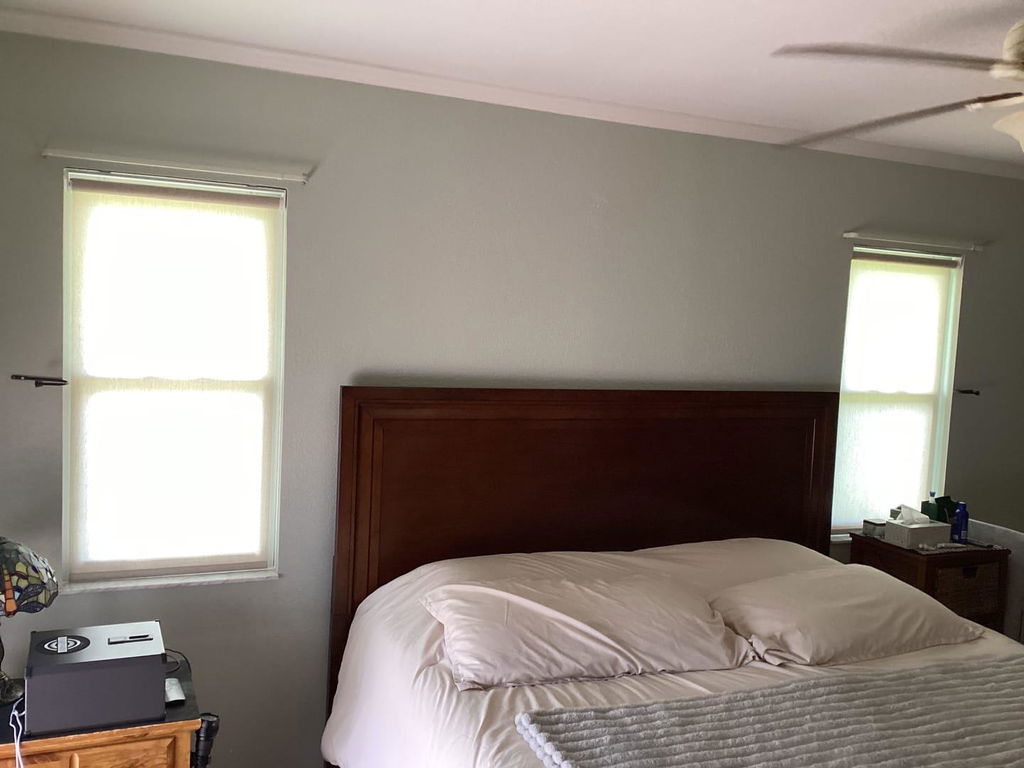
Choosing the material is where most people freeze. You basically have two paths: the soft, diffused look of cellular fabric or the structured, classic look of a wood sunburst. In my bedroom, I went with a 3/4-inch single cell blackout fabric because I value my REM cycle more than anything else. But in a living room? Wood is the clear winner.
When a Cellular Half-Round Window Shade is the Right Call
If your goal is total darkness, a cellular half-round window shade is your only real option. These shades use a honeycomb design that traps air, which is a lifesaver if your arched window is single-pane and drafty. Look for a 'spunlace' polyester fabric; it has a soft, matte finish that doesn't look like plastic when the sun hits it. Go for a 'non-operable' fan if you want the cleanest lines.
The Case for Faux Wood (If You Get the Slats Right)
Faux wood or real wood sunbursts are stunning in home offices or dining rooms. They act like a permanent architectural feature. The key is to match the slat size to whatever is on the windows below. If you have 2-inch horizontal blinds, your arch should have that same 'shutter' feel. It’s a heavier look, but it feels incredibly intentional and expensive.
The Big Dilemma: Do They Actually Open?
Here is the hard truth: most half circle blinds are stationary. There are 'fan-style' shades that you can technically open and close with a wand, but in my experience, they are finicky. The fabric tends to bunch unevenly over time. I usually tell my clients to choose a light-filtering fabric and just leave it fixed. You get the soft glow without the mechanical headache.
How to Dress the Rectangular Window Underneath
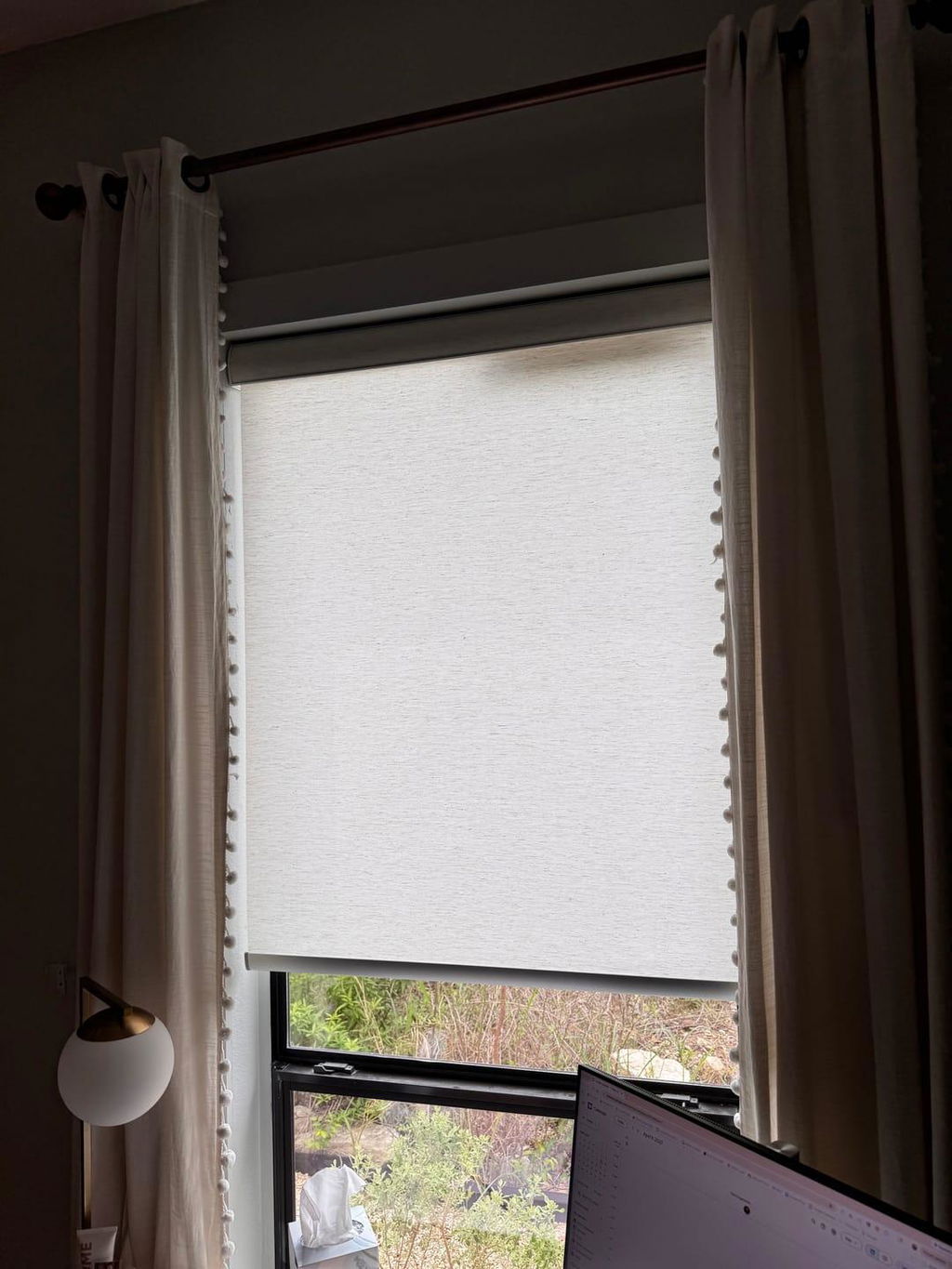
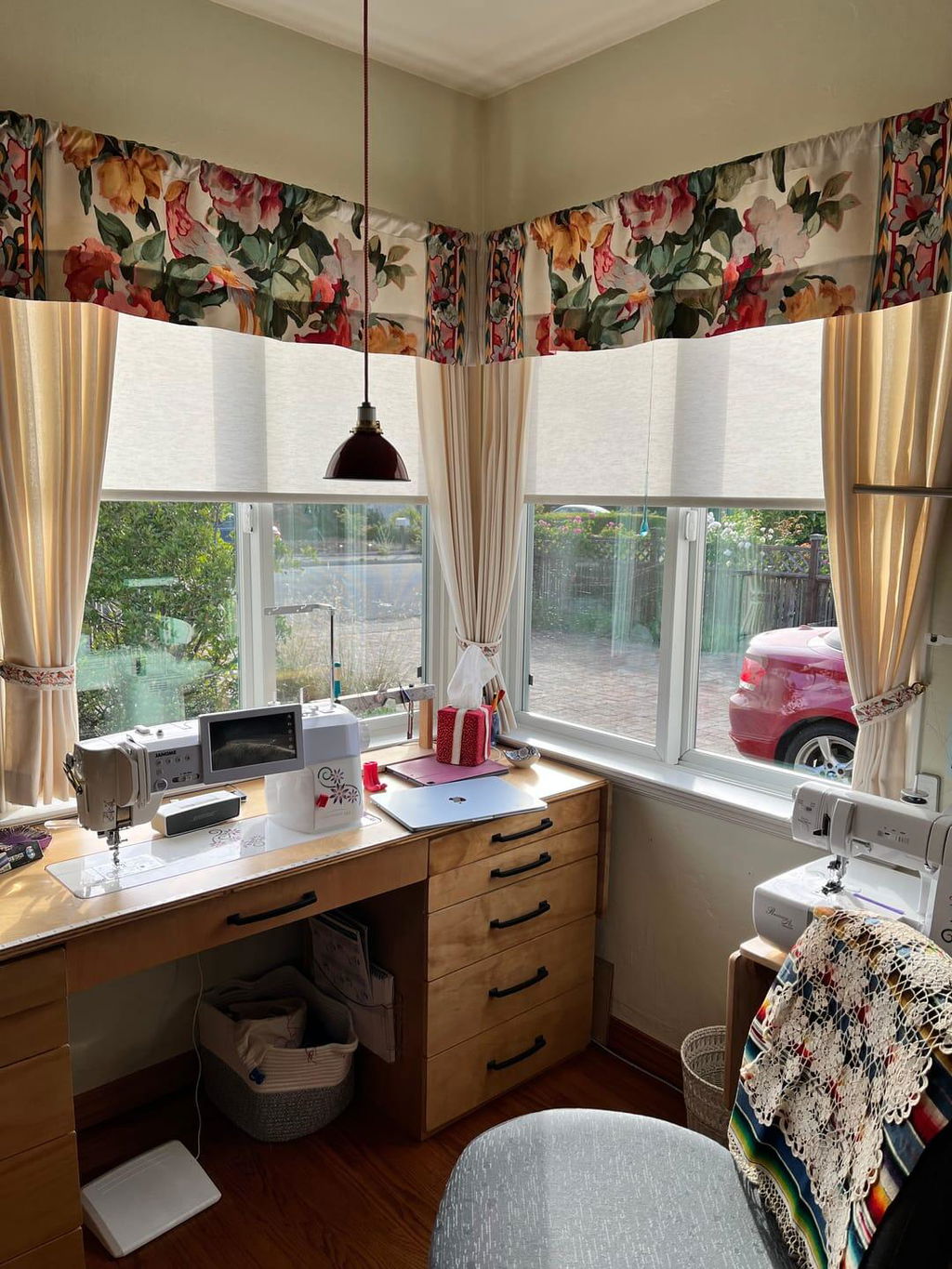
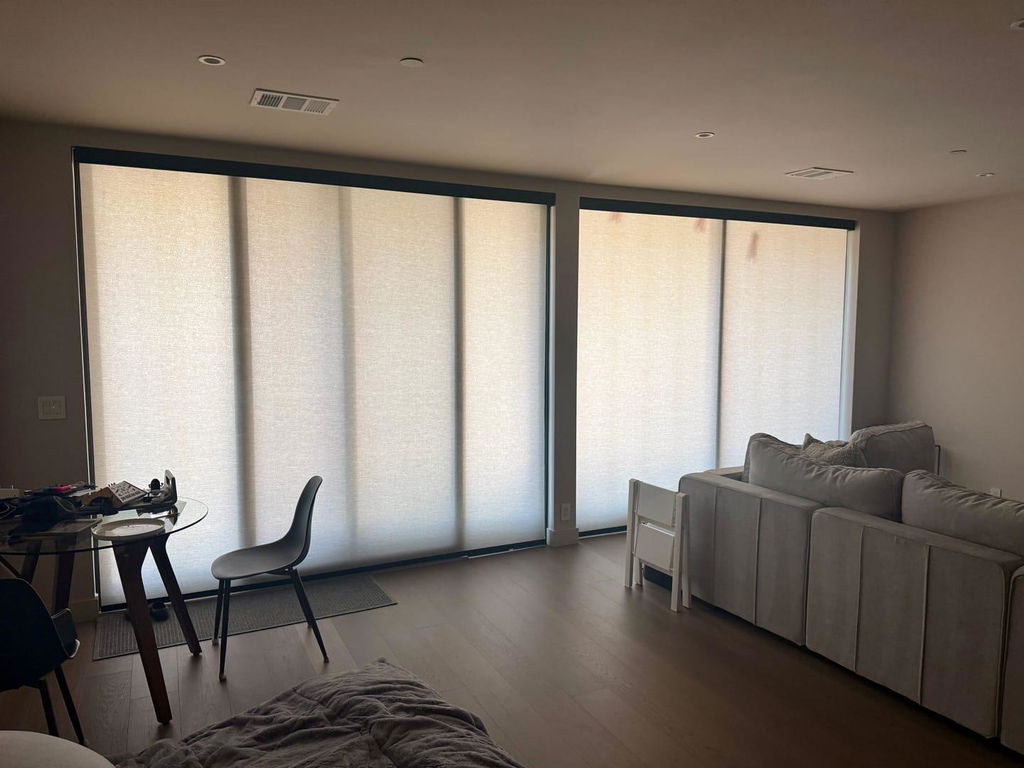
The biggest mistake I see is a beautiful arch shade paired with messy, dated curtains below. If you have a sunburst or cellular arch, keep the lower window sleek. I’m a huge fan of using motorized dual roller shades on the primary rectangular glass. It creates a modern, tiered look where the arch provides the 'crown' and the rollers provide the function.
I once tried to put heavy velvet drapes over a window that already had a wood arch insert. It was a disaster—too much 'stuff' at the top of the wall. The room felt like it was wearing a heavy hat. Stick to a clean, inside-mount shade for the lower window so the arch can actually breathe.
My Final Rule for Arched Windows
Don't let a difficult window shape dictate your sleep schedule. A custom-fit, high-quality material for your arch pays off every single morning. I eventually invested in a custom cellular insert that matched my wall color perfectly. The first morning I woke up at 7:30 AM without a sunbeam in my eye, I knew it was the best investment I’d ever made for my sanity. Measure twice, skip the paper fans, and reclaim your mornings.
FAQ
Can I install these myself?
Yes, but you need a template. Most high-end retailers will have you trace the arch on a piece of butcher paper and mail it in. It sounds old-school, but it’s the only way to ensure the curve is perfect.
Do they make blackout versions?
Absolutely. Cellular shades come in true blackout fabrics with a foil lining inside the cells. Wood sunbursts also block light, but you will get small 'slivers' of light between the slats.
How do I clean a high arch shade?
A vacuum with a brush attachment is your best friend. For wood slats, a long-handled microfiber duster works wonders. Just don't use water on cellular shades, or you'll ruin the pleats.