Are Blinds for Circle Window Shapes Actually Worth the Hassle?
I remember the first time I had to style a room with a perfect porthole window. It was a 1920s Tudor revival, and that circle was the soul of the landing. Then 4 PM hit, and a laser-focused beam of sunlight began melting the wax on a nearby console table. I realized then that finding blinds for circle window frames isn't just a design choice—it's a survival tactic for your furniture.
- Inside mounts are the only way to preserve the architectural curve.
- Avoid 'temporary' paper shades; they yellow and sag within months.
- Custom cellular shades provide the cleanest, peacock-fan aesthetic.
- If privacy isn't an issue, leaving the glass bare is often the chicest move.
The Curse of the Square Peg in a Round Hole
There is a specific kind of visual heartbreak that occurs when someone mounts a standard rectangular Roman shade over a circular window. It’s clunky, it’s apologetic, and it completely erases the reason you fell in love with the room's geometry in the first place. When you are choosing a window shade that actually looks good, the golden rule is to honor the architecture, not fight it.
A rectangular treatment hung outside the frame creates a 'box' effect that feels heavy and misplaced. You want round window covers that sit within the radius, allowing the eye to trace the curve. If you can't see the wood or drywall return of the window, you've essentially turned a custom architectural feature into a generic light source.
The Flimsy Paper Fan Problem
We have all seen the pleated arch window shade that looks suspiciously like a giant coffee filter taped to the glass. They are marketed as a quick fix, but in my experience, they are the 'beige wall' of window treatments. They collect dust in the tight accordion folds near the center hub, and because they are often made of lightweight non-woven polyester, they lose their crispness fast.
A circular window shade should feel intentional, not like a temporary bandage. These paper-thin fans scream 'dorm room' and rarely offer the light-blocking power needed for a bedroom or media space. If you are going to cover a circle, do it with a material that has some weight—think 300 gsm fabrics or high-quality cellular cells that won't turn brittle under UV exposure.
When Custom Cellulars Actually Make Sense
If you need a functional shade for round window openings, custom honeycomb or cellular shades are the industry standard for a reason. These aren't your off-the-shelf DIY kits. They are engineered to fan out from a central point, often using a discreet circular hub. The result is a clean, architectural look that mimics the rays of the sun.
When you explore all your shade solutions, you'll find that custom cellulars offer the best thermal insulation. Because circular windows are often poorly insulated compared to modern sliders, a 3/8-inch double-cell structure can actually keep that 'hot spot' on your wall from radiating heat into the room. It’s an investment, but it’s the difference between a polished home and a DIY disaster.
The Mounting Dilemma: Inside or Out?
Technical specs matter here: you generally need a minimum of 1.5 to 2 inches of depth for a proper inside mount circular window shade. If your window is shallow or flush with the drywall, an inside mount isn't happening. In those cases, I usually advise clients to step away from the circular shade entirely rather than trying to 'cap' the window with an outside-mount circle, which ends up looking like a giant button on the wall.
Measure the diameter at three different points—horizontal, vertical, and diagonal. Even 'perfect' circles in older homes are usually slightly slumped or oval. A custom fabricator will need those exact specs to ensure the shade doesn't rub against the casing or leave light gaps that look like accidental slivers of glare.
The 'Just Leave It Bare' Argument
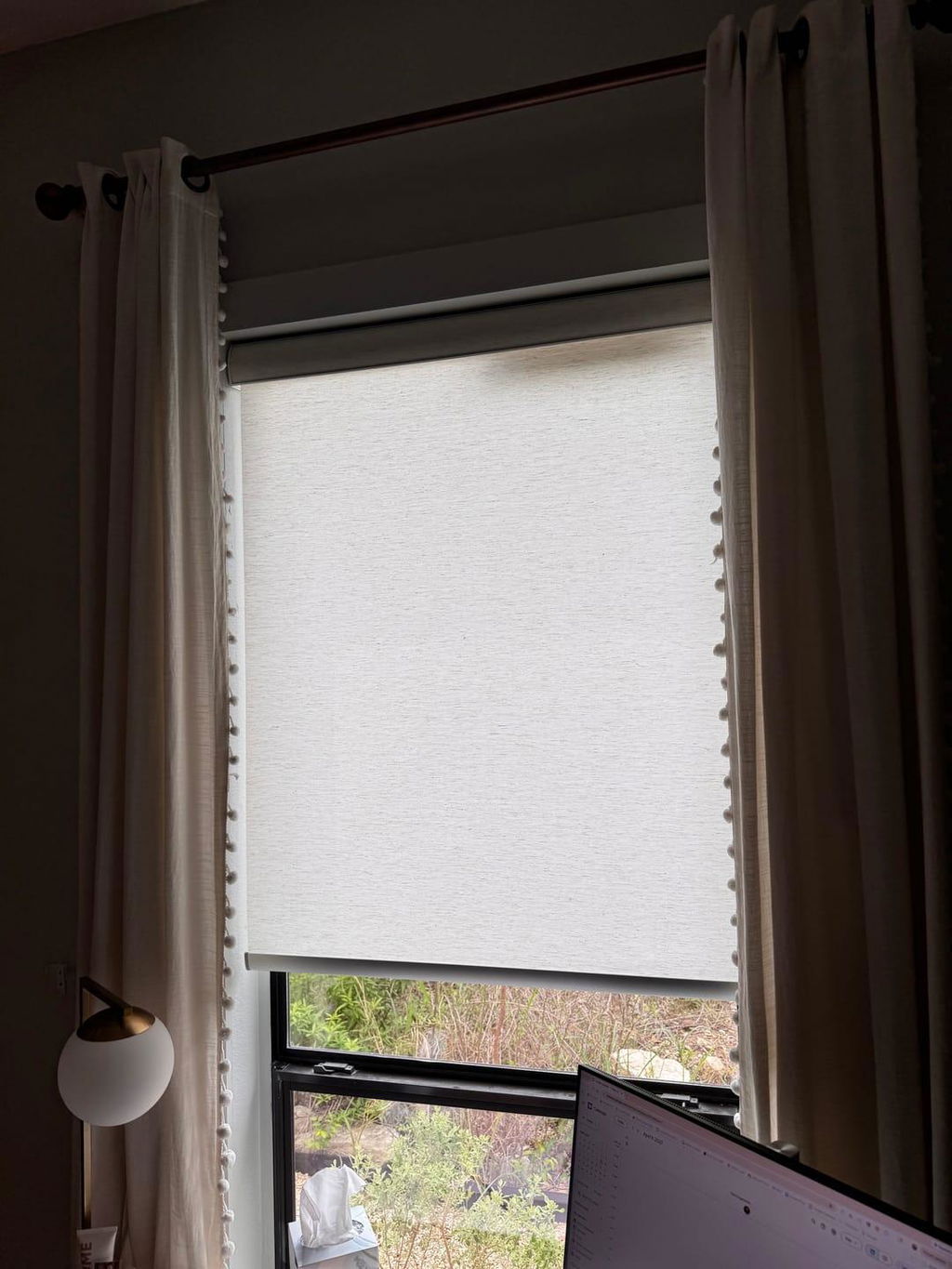
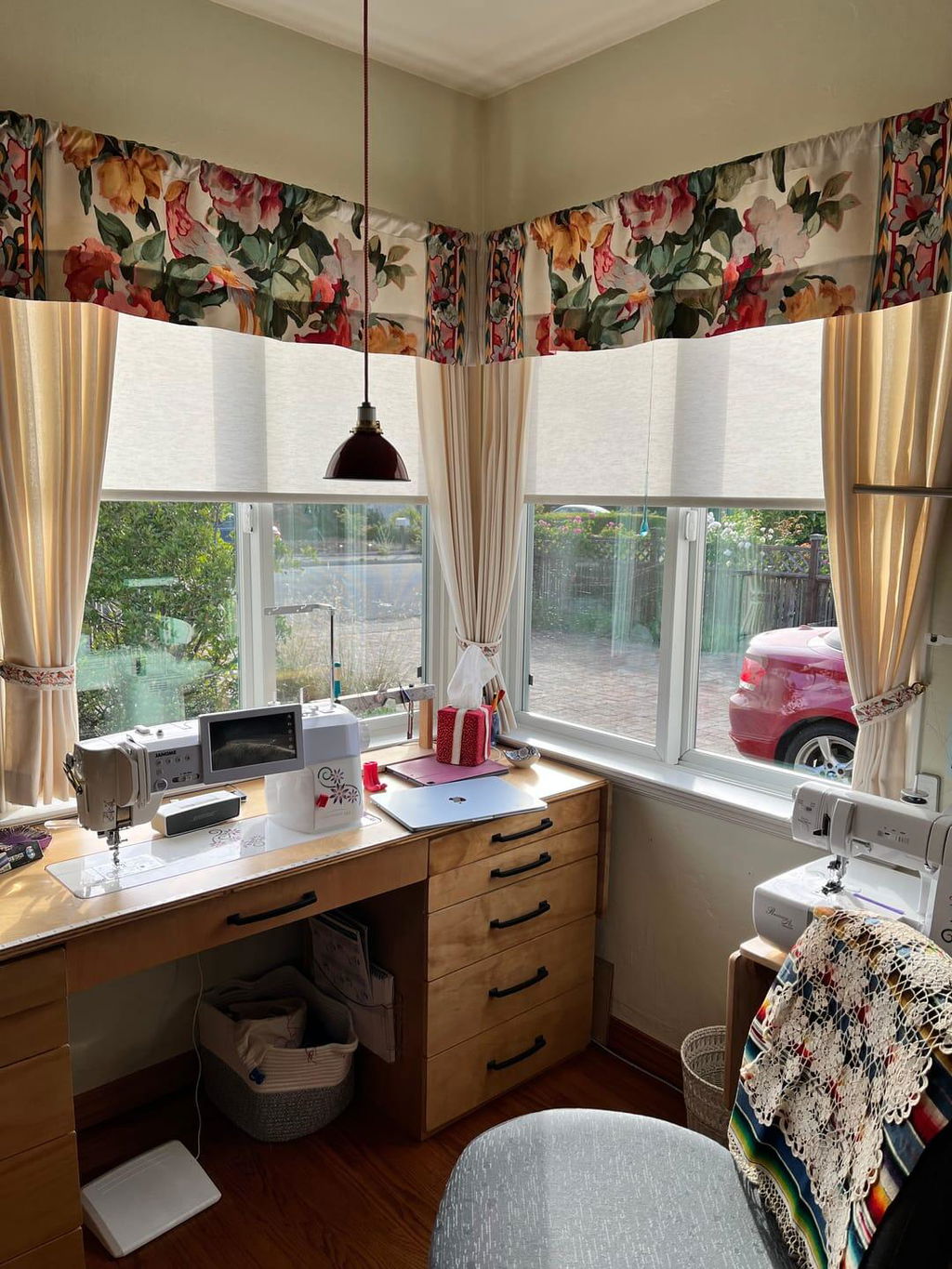
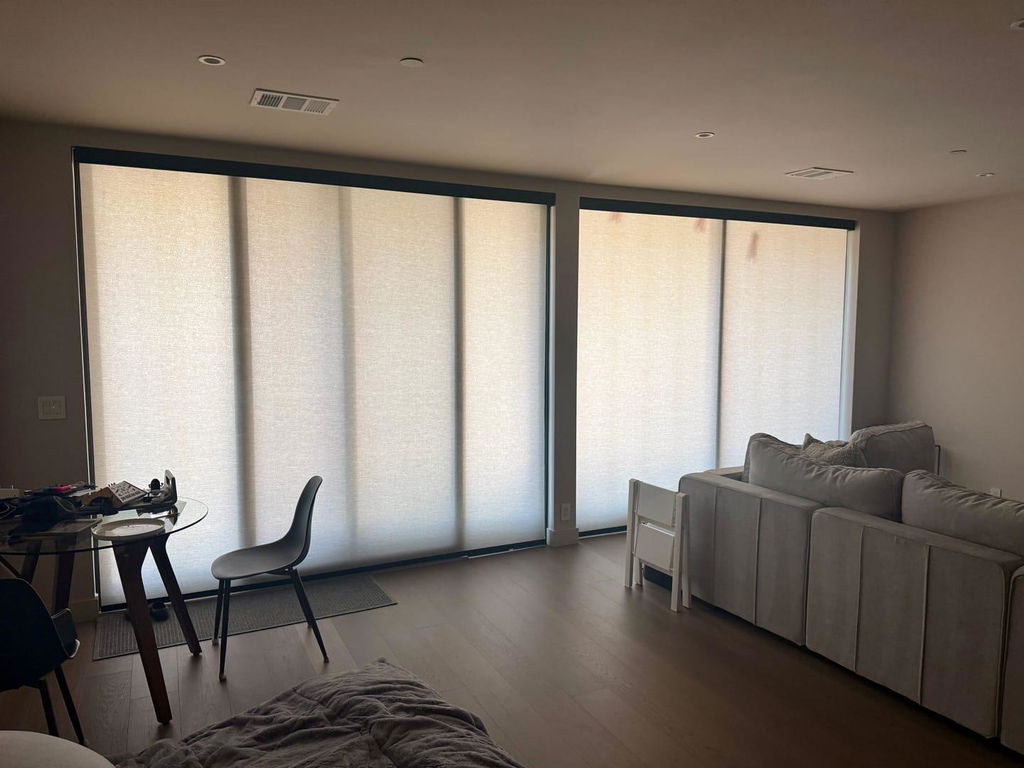
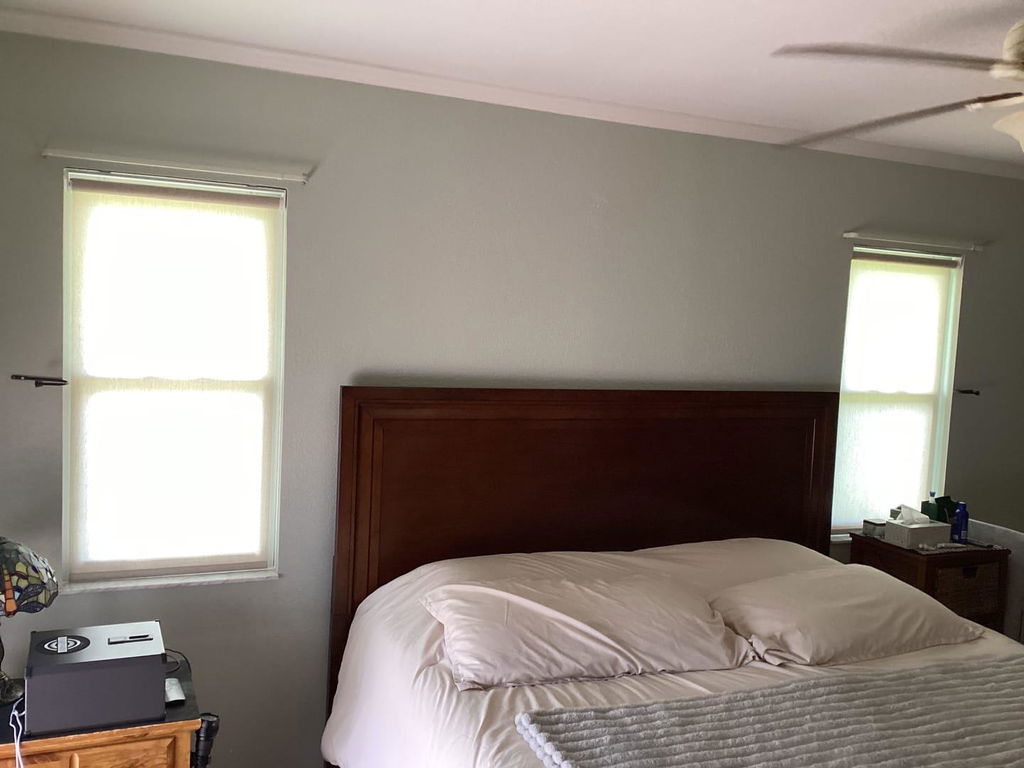
I’ll be honest: sometimes the best circular window coverings are none at all. If the window is high enough that privacy isn't a concern, let the glass be the art. I’ve seen stunning portholes styled with nothing but a high-quality UV film to protect the floors. You can handle the heavy lifting of light control by installing cordless custom double roller blinds on the standard rectangular windows in the same room.
By treating the 'normal' windows with high-performance fabrics, you earn the right to leave the architectural circle bare. It keeps the room feeling airy and prevents the 'over-decorated' look that happens when every single pane of glass is draped in fabric. I once spent $800 on a custom navy velvet circle shade only to take it down two months later because I missed the way the moonlight hit the bare floor.
How do you clean a circular shade?
Use a vacuum with a brush attachment on low suction. Because these shades fan out, dust loves to settle in the 'V' of the folds near the center. Never use water, as it can cause the pleats to lose their crisp shape.
Can I motorize a round window shade?
It is possible but rare and very expensive. Most circular shades are 'stationary,' meaning they stay closed or fanned open. If you need it to open and close daily, you'll likely need a custom cellular system with a specialized track.
What is the best fabric for a round window?
Light-filtering cellular materials are best. They provide a soft glow without the weight of traditional drapery, which would sag and look messy in a circular frame.