The 3 Rules for Choosing a Window Shade That Actually Looks Good
I have spent too many Saturdays staring at window frames, debating between a 1/2-inch or 3/4-inch inside mount. Most people think a window shade is just a utility item, like a toaster or a bath mat. They assume that if it covers the glass and keeps the neighbors from seeing you in your pajamas, it has done its job. But I have lived through the 'rental beige' era and the 'warped plastic slat' era, and I am here to tell you that your windows deserve better.
Quick Takeaways
- Weight is everything: Choose woven fabrics over vinyl for a high-end look.
- Inside mounts offer the cleanest architectural profile.
- Ditch the slats; continuous fabric panels create a more modern, calm environment.
- Dual-function systems solve the privacy-versus-light-control dilemma without the clutter.
Why I'm Defending the 'Basic' Window Shade
For years, we were told that more is more. We layered heavy velvet drapes over sheer panels, topped them with valances, and wondered why our rooms felt like dusty Victorian stage sets. Then the pendulum swung toward minimalism, and suddenly we were all staring at bare glass or clunky home window blinds that felt more like an office cubicle than a sanctuary. The shift toward simple window shades isn't about being lazy; it's about letting the architecture of your home speak for itself.
When you choose indoor shades windows, you aren't just blocking light; you are framing your view. A streamlined shade allows the molding, the wall color, and the furniture to take center stage. I've found that in smaller rooms, especially, heavy drapery can swallow the space. A well-fitted, basic window shade provides a crisp boundary that makes the ceiling feel higher and the walls feel wider. It is the 'no-makeup makeup' of interior design—it takes effort to look this effortless.
Modern indoor window treatments have evolved past the paper-thin materials of the past. We are now seeing indoor window blinds and shades that use high-quality textiles to provide texture and depth. It is about finding that middle ground where the treatment is functional but doesn't scream for attention every time you walk into the room. It is about a clean, intentional finish that feels integrated into the window frame itself.
Rule 1: Fabric Weight Changes Everything
Material matters more than mechanism. This is the hill I will die on. When you are looking for window shades, the first thing you should touch is the fabric. If it feels like a shower curtain liner, put it back. Cheap, plasticky indoor shades have a way of yellowing in the sun and curling at the edges after six months. They look corporate, cold, and temporary.
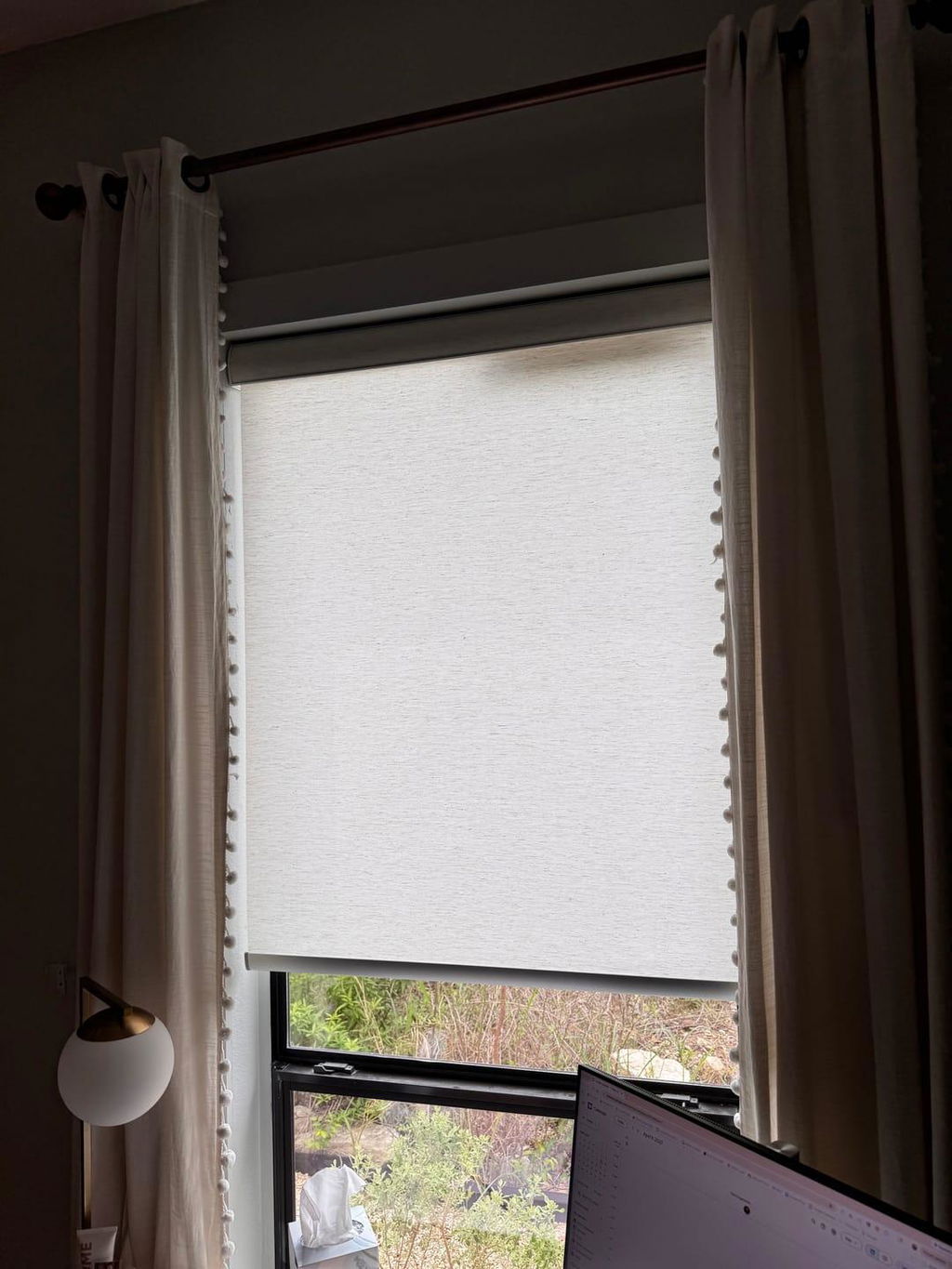
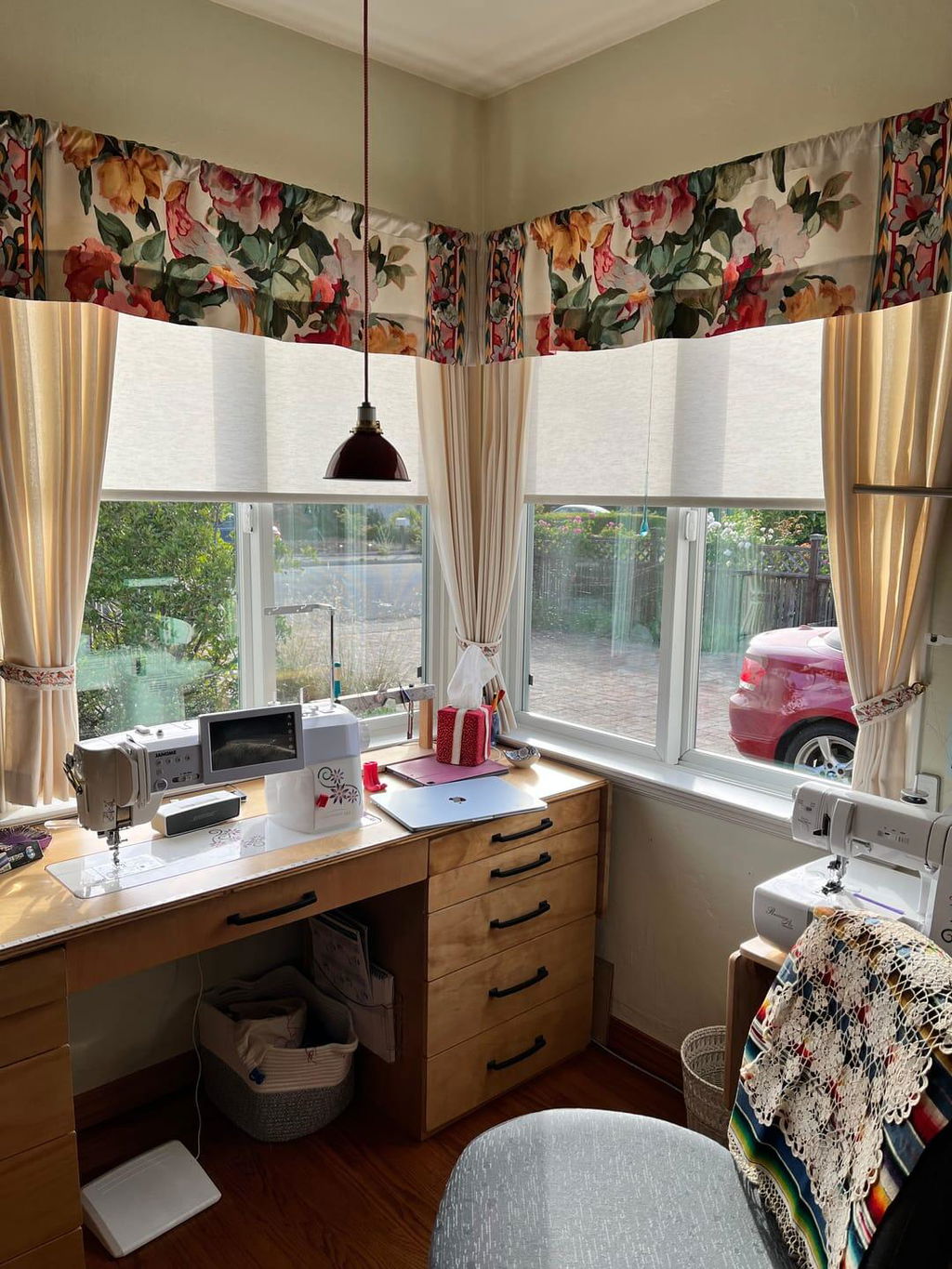
I always advocate for a soft, woven textile. Think of a 250 gsm linen blend with a subtle oatmeal slub or a charcoal weave that has enough weight to hang straight without fluttering. These fabrics filter light rather than just blocking it, turning a harsh afternoon glare into a soft, buttery glow that makes everything in your room look better. There is a huge difference between a room that is dark and a room that is beautifully shaded. I’ve written before about why you should fabric pull down window shades instead of settling for vinyl, and it usually comes down to how the material interacts with the sun.
Woven nice window shades add a layer of tactile warmth that you just can't get from hard surfaces. Even if you are going for a strictly modern look, a fabric shade provides a necessary contrast to the glass and metal. It softens the edges of the room. When you find the right weight, the shade doesn't just sit there; it drapes. It feels permanent and bespoke, even if you bought it off the shelf.
Rule 2: Stop Defaulting to Flimsy Slats
We need to talk about the horizontal slat. Traditional window covering blinds have been the default for decades because they are cheap and easy to find. But they are also dust magnets, they break if a pet looks at them sideways, and they create a busy, fragmented visual pattern that can make a room feel frantic. When you have fifty tiny horizontal lines covering your window, your eye doesn't know where to rest.
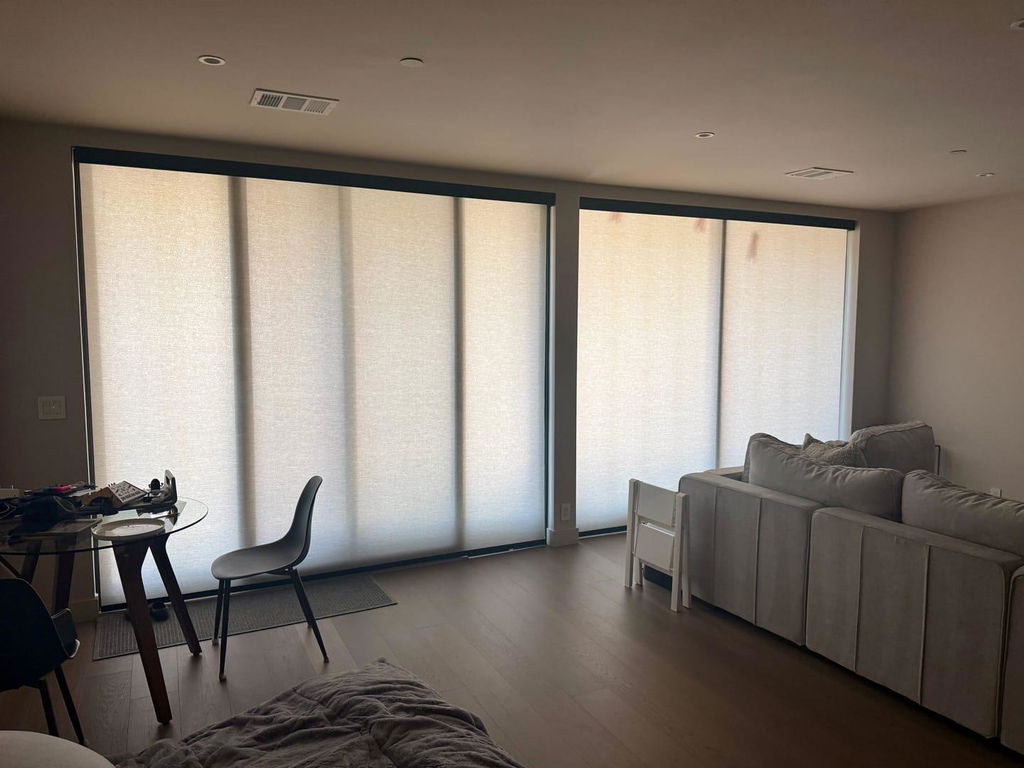
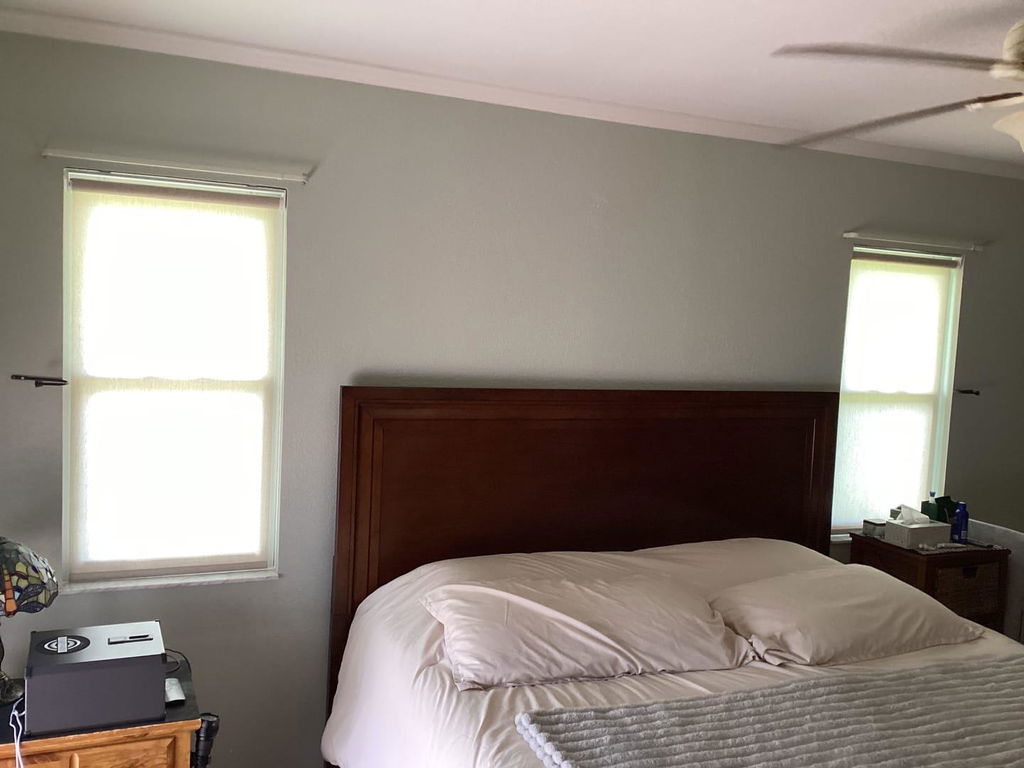
Switching to roller shades or flat-fold Romans changes the entire energy of the space blinds. A solid piece of fabric creates a continuous profile that is much more intentional. It acts as a canvas for the light. If you have long shades for windows, a single panel of fabric looks infinitely more sophisticated than a massive stack of dusty slats. It’s about reducing visual noise. I’ve found that in bedrooms, especially, the lack of horizontal lines helps create a sense of calm that helps you actually decompress.
Home shades should complement your furniture, not compete with it. If you have a beautiful mid-century dresser or a bold piece of art, you don't want a 'busy' window. Blinds for room window setups often fail because they try to do too much. A simple, flat fabric shade does its job and then gets out of the way. It’s the difference between a cluttered desk and a clean one—your brain just feels better in the latter.
Rule 3: The Magic of Dual-Function Systems
The biggest complaint I hear about simple window shades is that they are 'all or nothing.' You either have the shade down and live in a cave, or you have it up and the whole street can see you eating cereal. This is where people get stuck and end up buying those terrible blinds & shades window treatments that don't satisfy anyone. But the technology has caught up to the problem.
I am a huge proponent of motorized dual roller shades. These systems allow you to have a sheer layer for the daytime—letting in that gorgeous filtered light while obscuring the view from the outside—and a blackout or opaque layer for the evening. It is two window shadings in one cassette. This is how you handle a bedroom that gets direct morning sun but needs to feel airy during the afternoon. You aren't sacrificing style for function; you are just being smart about how you use your square footage.
These day night shades are the ultimate solution for the modern home. They eliminate the need for secondary curtain rods or bulky double-layer drapery. You get all the privacy you need with a single, sleek installation. This is the new style blinds for windows that I recommend to everyone who is tired of the 'fishbowl' feeling of living in a city or a close-knit suburb. It’s a clean, high-tech way to manage your environment without adding visual clutter.
How to Avoid the Dreaded Spring-Loaded 'Snap'
We have all been there. You try to lower the shade, it resists, you tug a little harder, and suddenly—WHACK—the whole thing recoils into the top of the frame like a startled snake. It’s loud, it’s annoying, and it usually results in the shade hanging crooked for the rest of its life. The quality of the mechanism is just as important as the fabric. If you are investing in blinds and shades for windows, don't skimp on the internal hardware.
The best pull down window shades on the market today use high-tension, smooth-glide systems or cordless lift mechanisms that feel weighted and expensive. You want a shade that moves with a gentle pull and stays exactly where you leave it. No snapping, no clicking, no struggling. Cheap spring rollers are the fastest way to make a beautiful room feel like a budget motel. When you invest in a well-tensioned system, your window treatments stay looking pristine because they aren't being jerked around and misaligned every day.
Final thought: Measure three times. I once tried to install a custom linen shade in a 1920s bungalow where the window frames were slightly trapezoidal. I measured the top, but not the bottom. The shade fit perfectly at the top but rubbed against the frame halfway down, eventually fraying the beautiful fabric I’d spent a fortune on. Take the time to check the depth, the width at three points, and the level. A perfectly installed shade is a thing of beauty; a crooked one is a daily reminder of a job rushed.
FAQ
Should I do an inside or outside mount?
Always go for an inside mount if your window frame is deep enough (usually at least 2 inches). it looks cleaner and more 'built-in.' Only use an outside mount if you have shallow frames or if you are trying to hide an ugly window casing.
Are cordless shades worth the extra cost?
Yes. Beyond the safety factor for kids and pets, they look infinitely better. No messy, tangled cords hanging down the side of your window. It keeps the lines of the room much cleaner.
How do I clean fabric shades?
Don't throw them in the wash! Use the upholstery attachment on your vacuum once a month to keep dust from settling into the weave. For spots, a damp microfiber cloth with a tiny bit of clear dish soap usually does the trick.