Stop Stressing Over Options for Window Coverings—You Only Need 3
I remember standing in the middle of a half-painted living room, surrounded by seventeen different shades of 'off-white' linen samples. My eyes were crossing, and I had already returned three sets of rods that did not quite clear the window trim. The sheer volume of options for window coverings can make even a seasoned pro want to leave the windows naked and live in a fishbowl.
The truth is, once you stop trying to 'innovate' and start looking at what actually works in high-end spaces, the noise disappears. You do not need five hundred choices; you need a strategy that handles light, privacy, and scale without looking like an office park. After years of trial and error, I have realized that 90% of the window covering styles sold in big-box stores are just distractions.
Quick Takeaways
- Stick to three core styles: Roman shades, woven woods, and classic drapery panels.
- Mount rods high and wide—at least 4-6 inches above the frame—to trick the eye into seeing taller ceilings.
- Always opt for 2x or 2.5x fullness for drapes; skimpy fabric is the fastest way to make a room look cheap.
- Lining is non-negotiable for longevity and light control, especially with natural fibers.
The Illusion of Choice in the Window Aisle
Walking into a home improvement store and staring at the window treatment options is a recipe for decision fatigue. You are presented with 'innovative' cordless honeycombs, motorized vinyl slats, and weirdly shiny polyester sheers. It feels like you have endless possibilities, but this is an illusion. Most of those products are designed for mass production, not for making a room feel like a home.
When we are overwhelmed by too many window cover options, we tend to default to the 'safest' or cheapest choice, which usually means those basic white 2-inch faux wood blinds. They are fine, but they provide zero soul. Real design happens when you stop looking at the aisle of 500 swatches and start looking at the architecture of your room. Narrowing your focus to a few high-quality styles actually makes the decision process faster and the result far more expensive-looking.
Why Most Window Treatment Options Are Just Filler
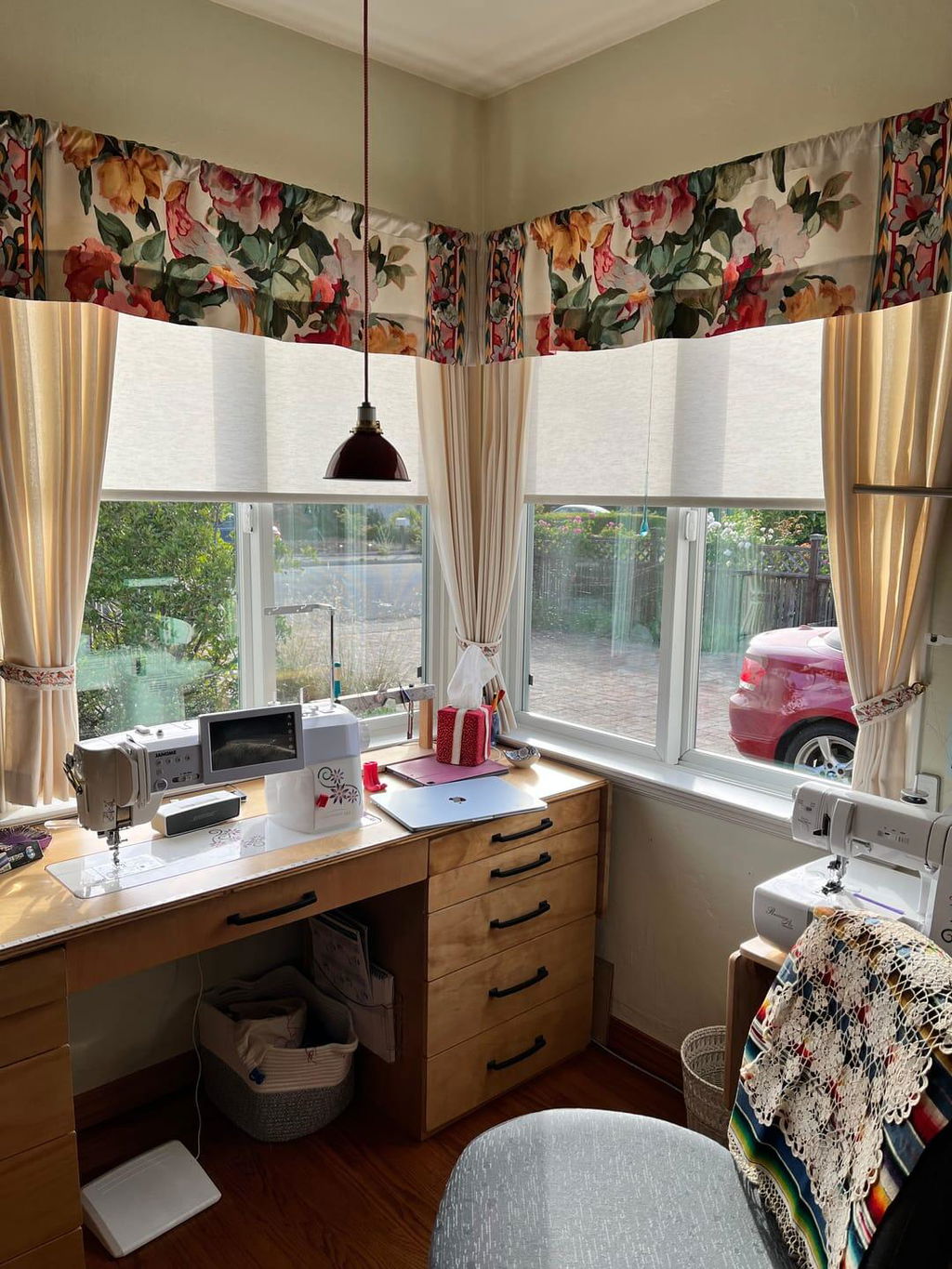
Let's be honest: micro-mini blinds and vertical vinyl strips should have stayed in 1994. They are dust magnets that provide zero textural interest. Heavy, swagg-style valances are another trap—they eat up your natural light and make your ceilings feel like they are closing in. Most of these window covering options exist because they are cheap to manufacture, not because they look good.
By ignoring these filler styles, you save your budget for materials that actually matter. I would rather see a homeowner leave a window bare for six months while they save up for a single pair of high-quality, 300 gsm linen drapes than see them spend $200 on plastic 'temporary' solutions that they will hate within a week. Good design is about subtraction as much as addition.
The Core Three: My Ride-or-Die Options for Window Coverings
In almost every project I have ever photographed or styled, I rely on a very tight rotation of window covering styles. These three provide the perfect balance of architectural structure and soft texture. They work in a 1920s craftsman just as well as a new-build condo.
1. The Tailored Roman Shade (For Architectural Softness)
Roman shades are the heavy hitters for kitchens, bathrooms, and any window where you do not want fabric dragging on the floor. I always advocate for a 'flat' Roman shade for a clean, modern look. If you want something a bit more traditional, a 'relaxed' shade with a slight curve at the bottom adds a bit of romance without the fuss of a valance.
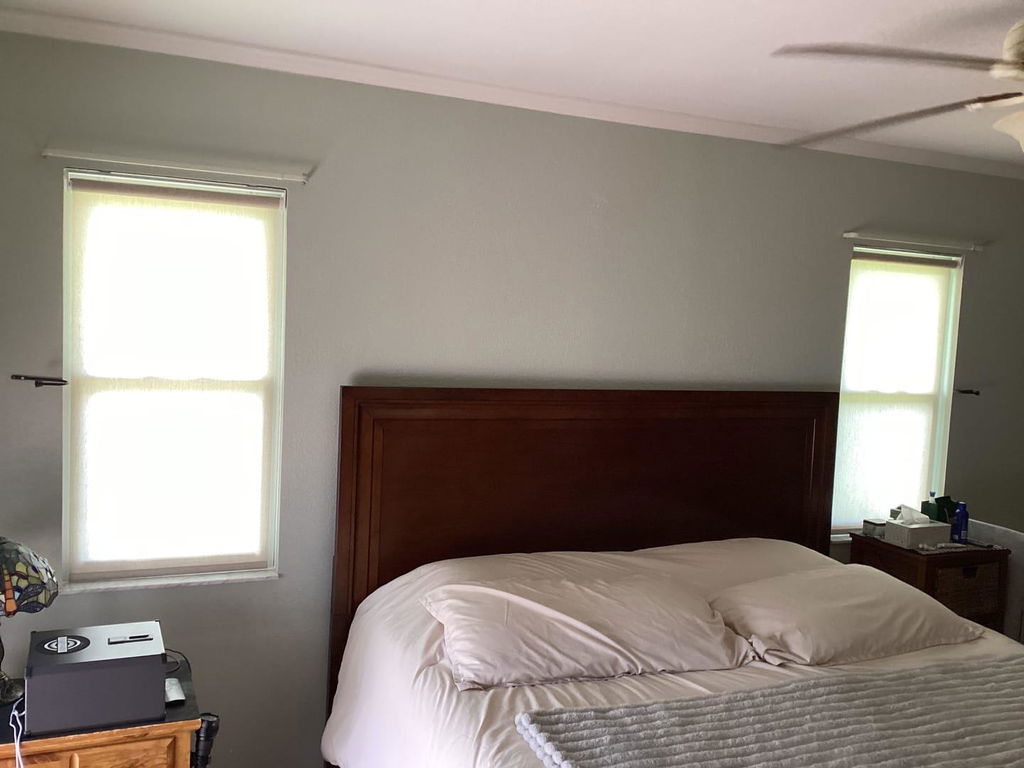
The biggest mistake people make here is the mount. A poorly measured inside-mount shade never looks like the inspiration photos because it leaves huge light gaps or sits crooked. If your window casing is shallow, go for an outside mount. Use a heavy-weight cotton-linen blend; the weight ensures the folds stack neatly when the shade is raised.
2. The Woven Wood (For Instant Texture)
Woven woods, often made of bamboo, jute, or grasses, are the hardest working window treatment options in my toolkit. They bring an organic element to a room that can otherwise feel sterile with painted drywall and hard flooring. They filter light beautifully, creating a dappled effect that feels like a warm October afternoon even in the dead of winter.
I often style a basic window shade covering by using an unlined woven wood for texture and then layering a blackout-lined drapery over it. This gives you total light control at night and a gorgeous, layered look during the day. Just make sure to check the 'edge binding' options—a thin fabric border on the shade helps prevent the edges from fraying over time.
3. The Classic Drapery Panel (For Height and Drama)
Nothing beats a floor-to-ceiling drapery panel. For a standard 8-foot ceiling, I never buy anything shorter than 96 inches. I want that rod mounted as close to the ceiling or crown molding as possible. This draws the eye upward and makes the window feel twice its actual size. If you have the space, extend the rod 8-12 inches past the window frame on each side so the fabric doesn't block the glass when open.
Fabric choice is everything here. Avoid the shiny, thin 'sateen' polyester found in discount bins. Look for a linen blend with a bit of weight—around 250 to 300 gsm. It will have that beautiful, slightly lived-in drape. I once tried to save money on a guest room by using 100% synthetic panels that felt like a shower curtain; I ended up replacing them two months later because they refused to 'train' or hang straight. Buy the linen; your future self will thank you.
How to Combine These Window Coverings Without Overdoing It
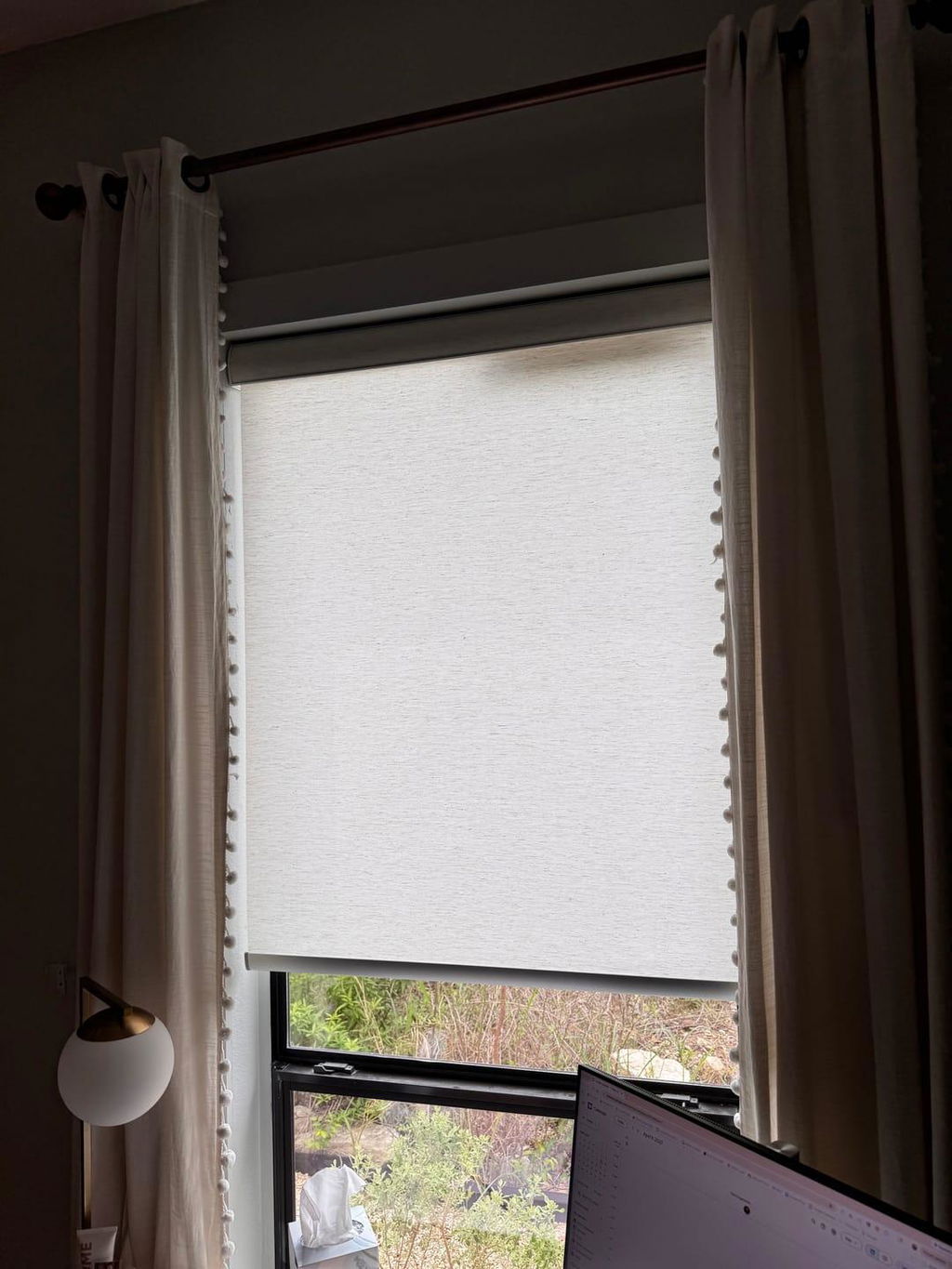
Layering is the secret sauce. A common designer move is to put a woven wood shade inside the window frame and then frame the whole thing with two drapery panels on a brass or matte black rod. This gives you the privacy of the shade and the softness of the drapes. It looks intentional and 'finished.'
Just watch your bulk. If you are using a thick Roman shade, do not layer it with heavy velvet drapes unless you want the window to look like it is wearing a winter coat. Keep one element 'light'—like a sheer linen drape over a structured shade—to keep the room feeling airy. I like to keep my hardware consistent across the room; if the curtain rod is brass, the pulls on the Roman shade should be too.
When Should You Actually Break My 'Rule of Three'?
There are always exceptions. If you live in a climate with brutal winters or desert heat, a cellular shade (honeycomb) is a functional necessity for insulation. They are not the prettiest window cover options, but they save a fortune on energy bills. In that case, I 'hide' the cellular shade by mounting it inside the frame and covering it with a beautiful drapery panel that remains the visual focus.
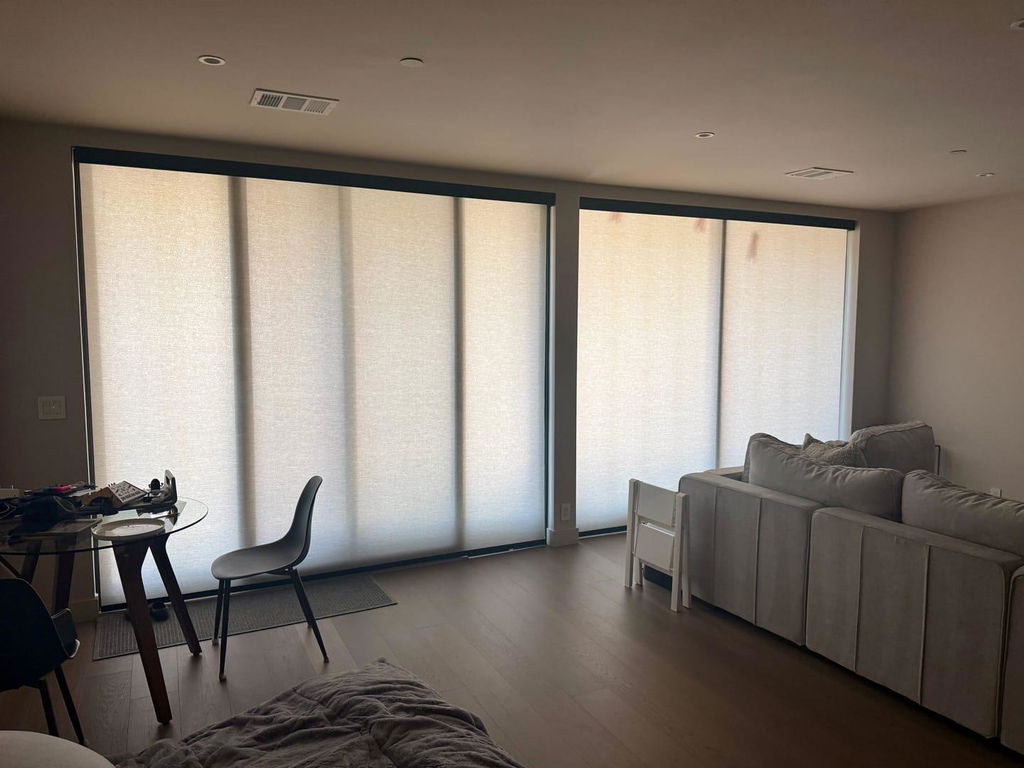
Similarly, for nurseries, a blackout roller shade is sometimes the only way anyone is getting any sleep. Function has to win sometimes. But even then, you can use the 'Rule of Three' as your aesthetic top-layer to ensure the room still looks like it was designed by a human, not a contractor.
FAQ
What is the best material for window coverings?
Linen or linen-cotton blends are the gold standard. They have enough weight to hang beautifully but enough breathability to look soft and natural. Avoid 100% polyester if you want to avoid that 'shiny' plastic look.
How high should I hang my curtain rod?
Generally, 4 to 6 inches above the window frame is the minimum. If you have the space, go even higher—about 2 inches below the ceiling or crown molding. This makes your ceilings feel significantly taller.
Do all my window treatments in one room have to match?
They should coordinate, but they do not have to be identical. You can use a Roman shade on a small window above a kitchen sink and matching drapery on the sliding glass door nearby. Using the same fabric across different styles keeps the room cohesive.