Stop Ironing Your Linen Blinds: Roman Shades Are Meant to Look Relaxed
I remember the first time I installed a linen blinds roman setup in a client's sunroom. It was a Tuesday afternoon, the light was hitting the window frame at that perfect 4 PM angle, and as I unfurled the fabric, my client gasped—not in awe, but in horror. 'It's... wrinkled,' she whispered, reaching for her heavy-duty steamer. I had to gently take the steamer out of her hand and explain that those soft undulations weren't a defect; they were the entire point.
If you want something that looks like a flat sheet of plastic, buy a roller shade. If you want a room that feels lived-in, layered, and expensive, you embrace the rumple. Linen is a living fiber, and trying to force it into a stiff, clinical shape is like trying to make a sourdough loaf look like a slice of Wonder Bread. You're losing the soul of the material.
- Linen thrives on texture; those small 'slubs' are marks of quality, not flaws.
- A white linen roman shade provides the best light filtration for a soft, hazy glow.
- 'Training' your shades for 48 hours is better than any steamer.
- Layering linen window blinds with heavy drapes adds architectural depth to flat walls.
The Perfectly Pressed Myth (And Why Wrinkles Are Actually Good)
We’ve been conditioned by hotel rooms and catalog shoots to think that fabric should behave like cardboard. It shouldn't. When you install a linen window shade, you are introducing a natural element into a space defined by hard angles—drywall, glass, and wood trim. The slight creases and the way the fabric sags just a millimeter in the center are what break up that rigidity.
I often tell people that Are Linen Roman Blinds Actually Worth the Constant Wrinkle Paranoia? because the answer is a resounding yes. That 'messy' look is actually a visual cue for comfort. In a sterile, builder-grade room with gray walls and laminate floors, a perfectly crisp blind makes the room feel even colder. A relaxed linen roman shade, however, makes it feel like a home where someone actually drinks tea and reads books.
The 'Slub' Factor: What Makes a Linen Window Shade Look Expensive
If you look closely at high-end linen shades window treatments, you’ll notice tiny, horizontal bumps in the weave. These are called slubs. In synthetic 'linen-look' fabrics, the weave is perfectly uniform because it’s extruded from a machine. Real linen comes from the flax plant, and those slubs are where the fibers were naturally thicker. They catch the light differently and give the blinds linen its characteristic depth.
When I’m sourcing, I look for a weight around 230 to 280 gsm. Anything lighter feels like a cheap handkerchief; anything heavier starts to lose that beautiful translucency. A custom linen roman shade with visible slubs tells everyone who walks in that you chose a material with heritage. It’s the difference between a fast-fashion polyester shirt and a bespoke Italian flax jacket.
Crisp White vs. Unbleached Flax: Picking the Right Vibe
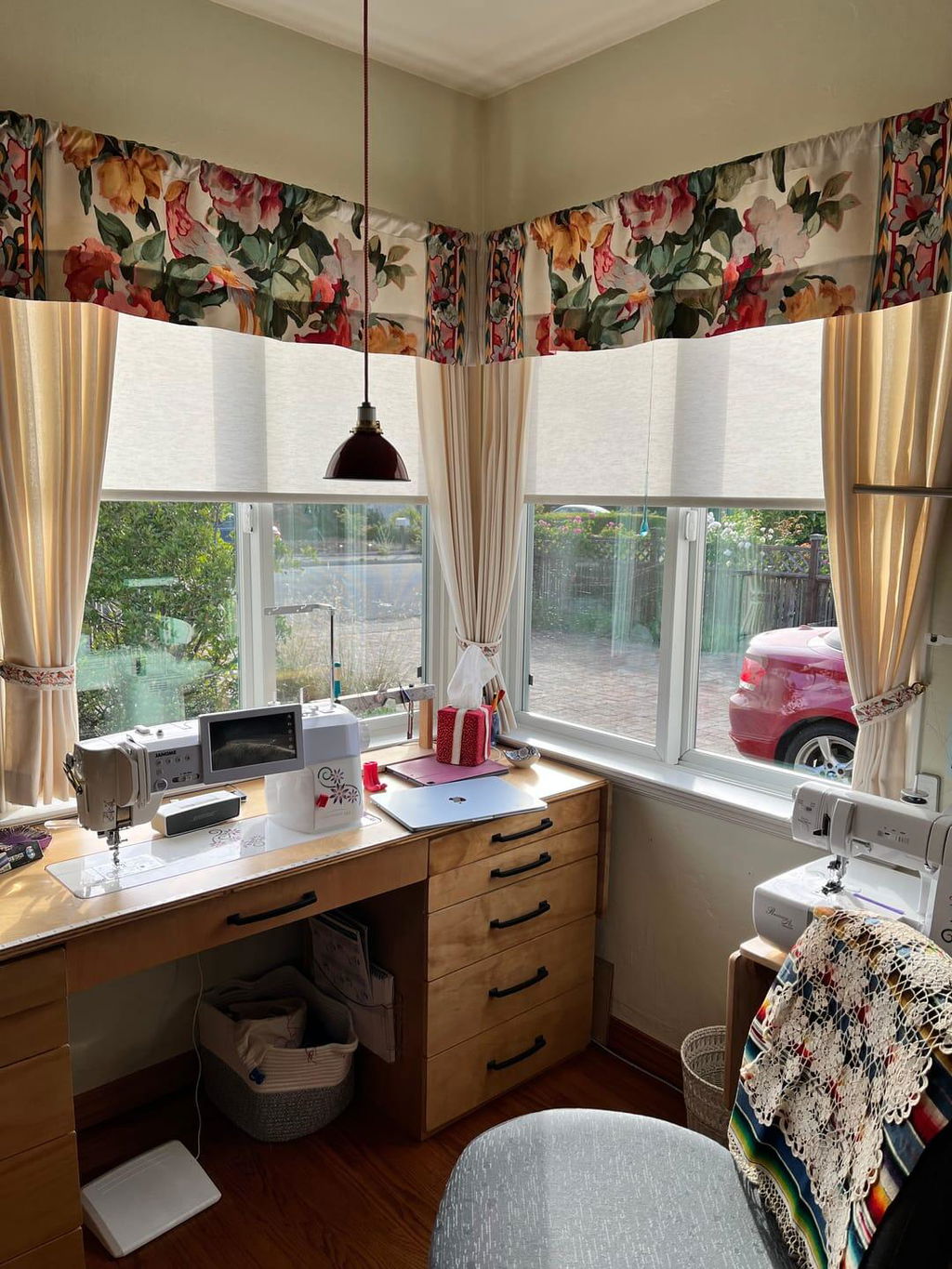
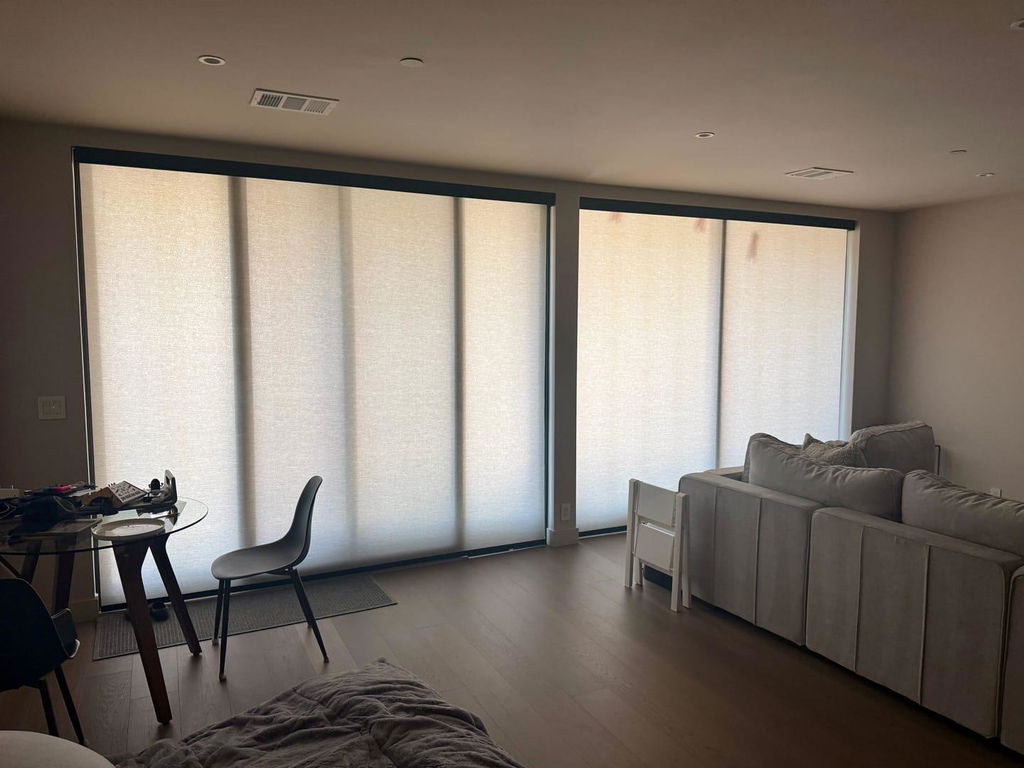
Choosing your color is about more than just matching the rug. A white linen roman shade is a classic for a reason. It acts as a massive light diffuser. On a bright afternoon, white linen shades turn harsh UV rays into a soft, milky glow that makes everyone’s skin look better. It’s the ultimate choice for a coastal or modern minimalist vibe where you want the windows to disappear into the walls.
On the other hand, if you’re working with a transitional or 'earthy' palette, unbleached flax is your best friend. It has a slight oatmeal or grey-beige undertone that feels grounded. When browsing Roman Shades, pay attention to the 'linen look roman blinds' versus 100% Belgian flax. The natural tones of real flax have a complexity that synthetic dyes can't quite replicate. They bring a sense of history to the window.
The Right Way to 'Train' Linen Fabric Roman Shades
The biggest mistake people make with new linen window blinds is hanging them and leaving them. You have to 'train' the fabric. When you first install your shades, pull them up all the way so the folds stack. Then, spend five minutes with your hands, smoothing each fold and tucking the fabric so it sits neatly. Tie them off or leave them in that position for at least 48 hours.
This creates 'fabric memory.' The linen will learn where it’s supposed to bend. After a few days, you can let them down, and when you pull them back up, they’ll naturally fall into those graceful, soft stacks without you having to fuss with them. No iron required. This is especially vital for a white linen window shade, where any awkward bunching is highlighted by the light behind it.
When to Layer (and When to Let Your Linen Breathe)
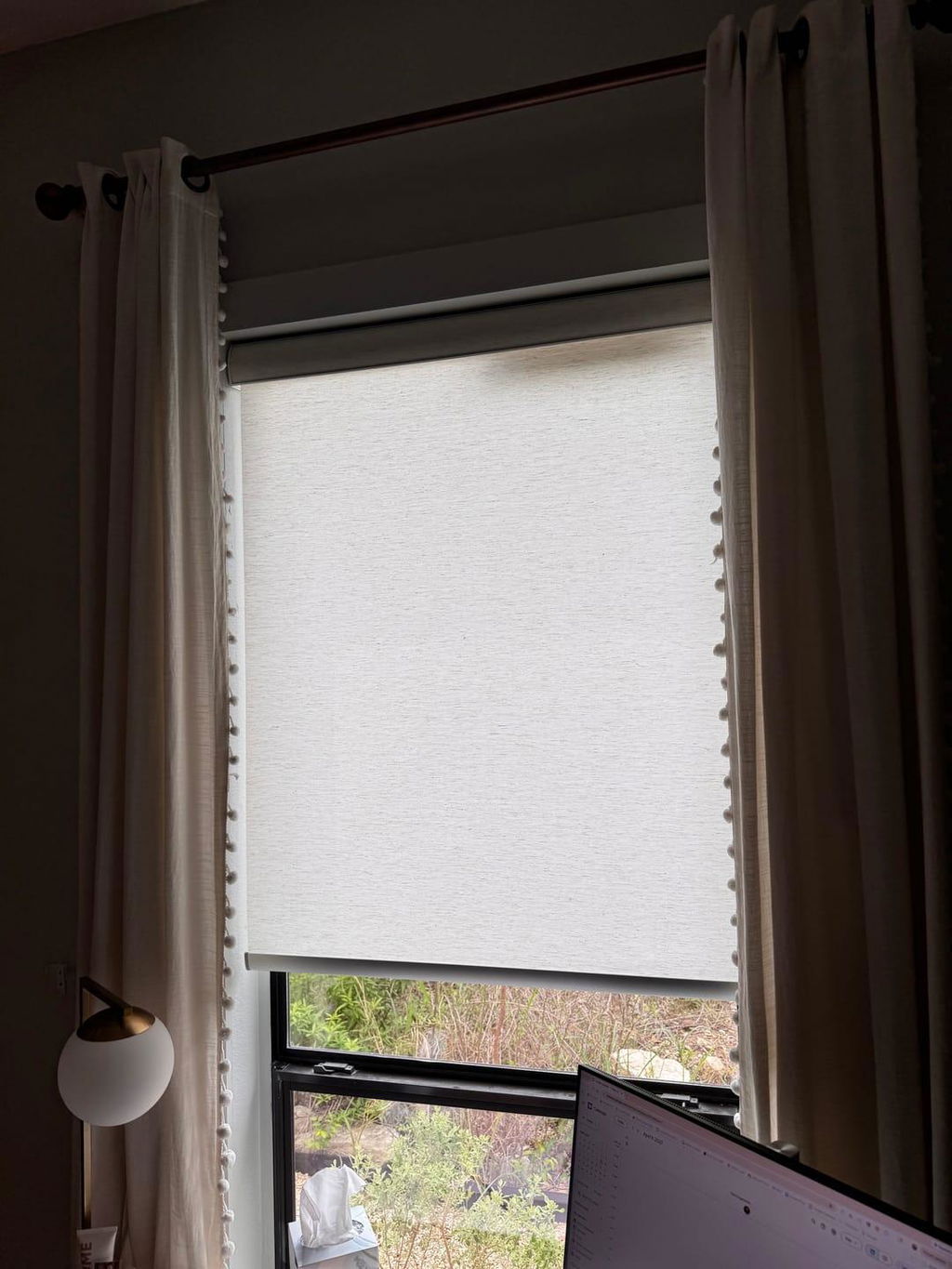
Sometimes a window needs more 'oomph.' If you have a massive wall with a relatively small window, a standalone linen window shade can look a bit lonely. In those cases, I love layering. Try hanging a matte black or antique brass rod high and wide, then flanking your linen fabric roman shades with floor-to-ceiling drapes in a heavier velvet or a contrasting weave.
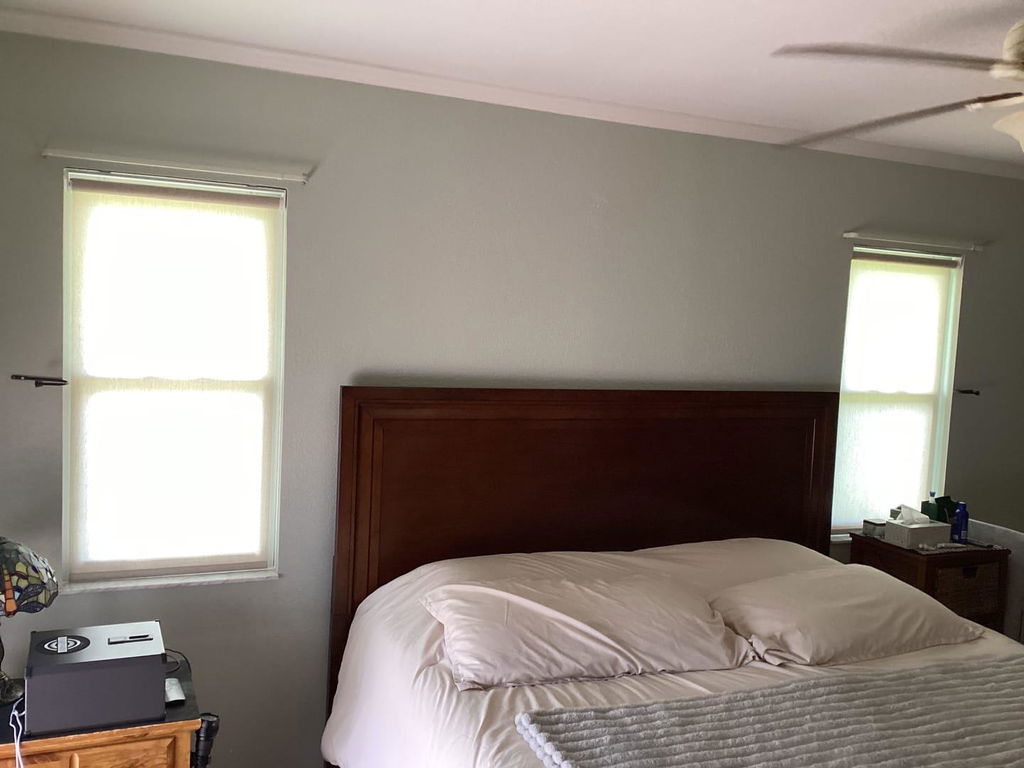
However, in a kitchen or a small bathroom, let the linen breathe. A clean linen shades window treatment on its own looks architectural and intentional. It’s about balance. If you're unsure which direction to take, check out All Your Shade Solutions to see how different hardware finishes can change the weight of the look.
My Honest Take: The Time I Measured Twice and Still Failed
I once ordered a set of custom linen roman shades for my own bedroom. I was so confident I didn't even check the mounting depth of my window frames. They arrived—gorgeous, heavy, 100% flax—and they stuck out two inches past the trim because my windows were too shallow for an inside mount. I spent the night crying over my measuring tape. I eventually moved them to an outside mount, four inches above the frame, and you know what? It actually made the windows look taller. Sometimes the mistakes lead to the best design pivots.
FAQ
Can I wash my linen roman shades?
Don't throw them in the machine. The heat and agitation will shrink the flax and ruin the internal cords. Spot clean with a damp cloth or use a vacuum attachment for dust.
Do I need a liner for linen shades?
If you want privacy and light control, yes. An unlined linen shade is very sheer. I usually recommend a privacy liner so you get the texture of the linen without the neighbors seeing your business at night.
How do I get rid of deep shipping creases?
Hang them first. Give them a light mist of distilled water and let gravity do the work for 24 hours. If they are still stubborn, use a steamer on the lowest setting, but don't overdo it—you want soft waves, not a flat board.