Are Linen Roman Blinds Actually Worth the Constant Wrinkle Paranoia?
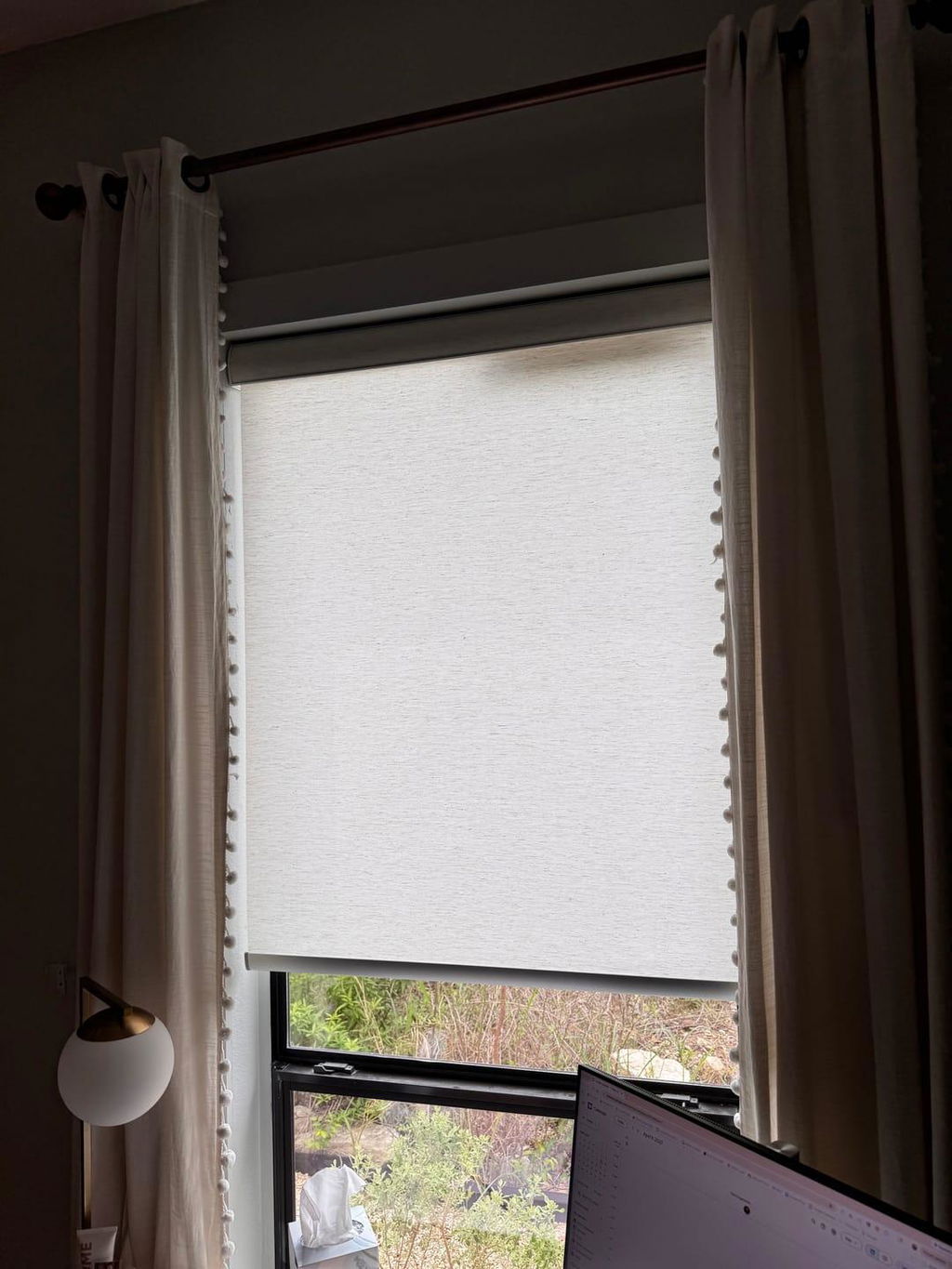
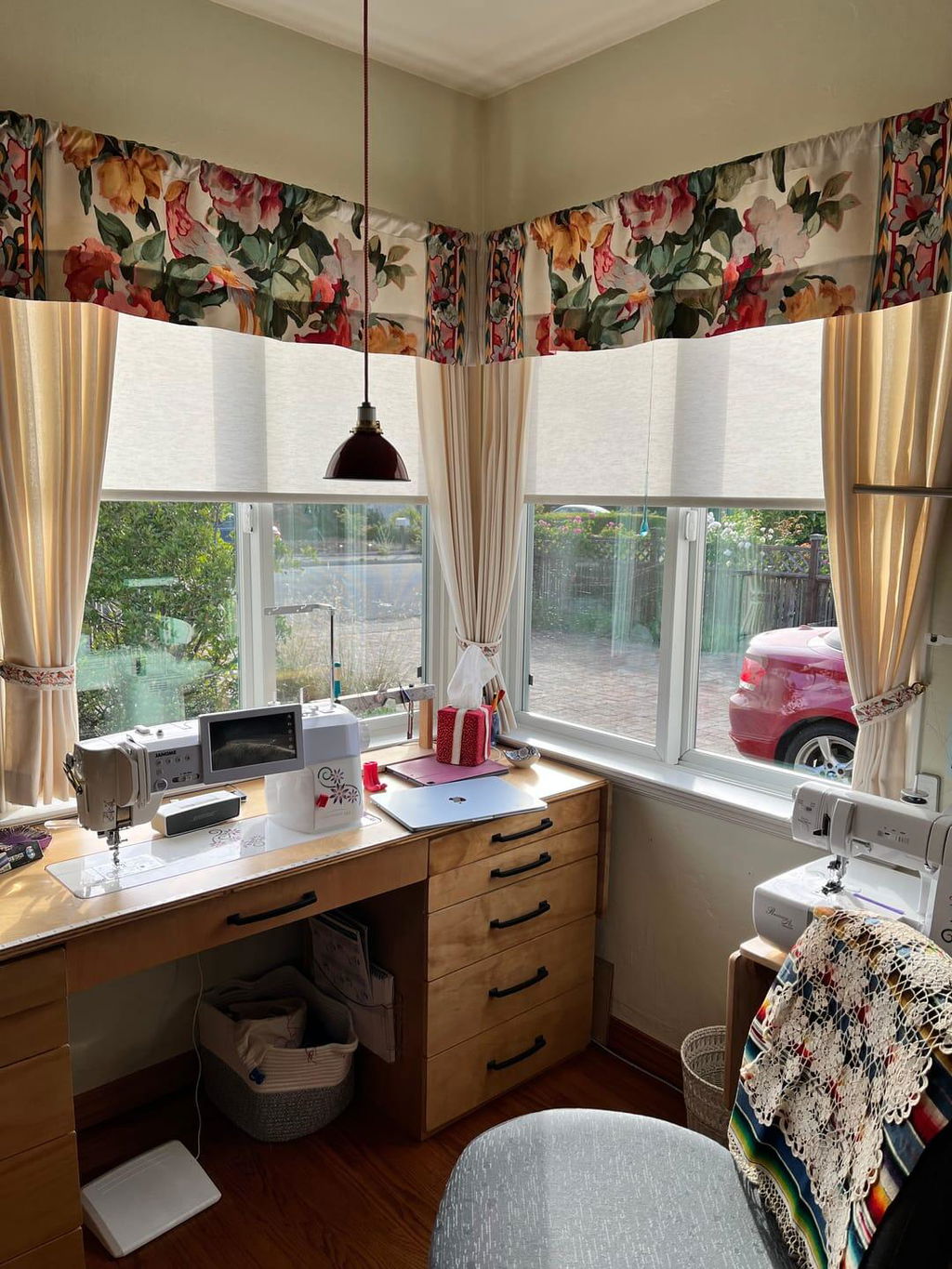
I remember staring at my first set of custom linen roman blinds and thinking I’d made a massive mistake. The afternoon sun was streaming through a heavy 300 gsm flax weave, and every single fold looked like I’d just pulled it out of the bottom of a laundry hamper. But then the light hit the texture, and the room went from a sterile box to a lived-in sanctuary in about five minutes. That is the magic—and the frustration—of natural fibers.
- Linen isn't meant to be crisp; the organic texture is the entire point.
- Heavier weights (250+ gsm) hold their shape much better than flimsy sheer options.
- Blackout linings are essential for bedrooms but will change how the fabric drapes.
- 'Training' your shades for the first 48 hours is the secret to perfect folds.
The 'Messy Bed' Aesthetic vs. Truly Tailored Windows
People get twitchy about linen because we’ve been conditioned to think luxury means a stiff, polyester-sateen sheen that never moves. Natural linen roman shades are the opposite. They are reactive, organic, and—yes—they wrinkle. The psychological hurdle is embracing the 'relaxed' look. It’s like a well-worn pair of trousers; the creases tell you the material is the real deal.
To avoid the room looking unkempt, you have to balance the soft linen blind with sharper elements. If your windows are 'soft,' make sure your furniture lines are clean. When you see linen shades in a high-end magazine, they don't look messy because the rest of the room is intentional. It’s a deliberate juxtaposition. If you want a window that looks like a plastic hotel room, stick to faux-fabrics. But if you want depth, you have to learn to love the flax.
Why Fabric Weight Makes or Breaks the Look
Weight is everything when it comes to linen window shades. A flimsy, unlined white linen roman blind often ends up looking like a bedsheet you pinned to the frame in a college dorm. It lacks the 'heft' required to pull the fabric taut. I always look for french linen roman blinds with a substantial hand-feel—something that feels more like a heavy canvas than a summer shirt.
When you’re browsing Roman Shades, pay close attention to the weave density. A heavier natural linen roman blind has enough structural integrity to hold a fold without looking like it’s collapsing under its own weight. If the fabric is too light, it won't drop straight, and the bottom rail will constantly sit at a slight, annoying angle. Heavy linen drapes gracefully; light linen just hangs.
The Great Lining Debate (And When to Fake It)
To line or not to line? It's the ultimate debate for linen shades. Unlined white linen blinds offer that gorgeous, diffused glow where you can see the beautiful slubs and imperfections in the weave. However, in a bedroom, that glow is just a 6 AM wake-up call you didn't ask for. I’m a firm believer in the advice found in Why I Never Install Roman Shades Without a Blackout Blind Lining for any sleeping space.
A linen blackout shade adds a layer of stiffness that actually helps the folds stay uniform, though you do lose that translucent 'airy' quality. If you want the look of natural linen roman shades but need to actually sleep, the blackout lining is your best friend. It gives the shade a professional, 'finished' weight that prevents the sun from washing out the color of your linen roman blackout shades.
Which Fold Style Actually Forgives Wrinkles?
If you are a perfectionist who hates creases, avoid the flat fold. A flat cordless linen roman shade acts like a blank canvas—it highlights every single horizontal crease from when the shade was raised. Instead, look at a relaxed or European fold. These have a slight 'smile' or curve at the bottom rail.
Because the relaxed fold is already meant to pool and curve, those tiny linen shades for windows wrinkles just blend into the shadows of the fabric. A linen roman shade blackout in a hobbled style—where the fabric loops even when the shade is down—is also great for disguising wrinkles. It creates intentional volume that masks the natural behavior of the flax fibers, making the 'messy' look feel entirely planned.
How I Train Stubborn New Linen to Lay Flat
When your linen roman shades for windows arrive, don't just hang them and walk away. You have to 'train' them. First, install your linen roman shades cordless or corded, then pull them all the way up so the folds are stacked perfectly. Secure them with 'training strings' or loose ribbons for 48 to 72 hours. This sets the 'memory' of the fabric folds.
I also hit mine with a handheld steamer while they are hanging. Don't soak them—just a light pass to relax the shipping creases. Leave them in the up position for at least two weeks before you start daily use. It sounds high-maintenance, but it's the difference between a natural linen roman shade that looks expensive and one that looks like it's falling apart. I once tried to iron a 72-inch shade on a standard board—don't do it. Vertical steaming is the only way to go.
FAQ
Are linen roman shades hard to clean?
Not really. I vacuum mine with a soft brush attachment once a month to keep dust out of the weave. Spot clean very sparingly; linen can watermark if you get it too wet, so 'dry' suds are usually better.
Do linen shades shrink over time?
If they are 100% natural flax and you subject them to high humidity or steam, they can move a little. This is why I prefer a linen-blend for kitchens or bathrooms where moisture is a constant factor.
Is a cordless linen roman shade better?
Usually, yes. A cordless linen roman shade keeps the aesthetic clean and prevents cord-pulling from distorting the fabric over time. It also keeps those beautiful, heavy folds looking symmetrical.