Stop Cramming Your Shades: Why I Use Outside Mount Roller Blinds
I remember the first time I tried to force a sleek, modern shade into a window frame that just wasn't ready for it. I was staring at a 1.5-inch deep sill in a brand-new condo, holding a heavy-duty headrail that needed at least three inches to sit flush. I installed it anyway, and the result was a clunky metal box protruding into my living room like a sore thumb. That was the day I stopped fighting the frame and started embracing outside mount roller blinds.
There is a specific kind of magic that happens when you stop treating the window opening as a cage. By moving your mounting points to the wall instead of the casing, you gain total control over the room's proportions. It is the quickest way to fix a 'squat' window or hide the fact that your builder used the cheapest plastic trim available.
Quick Takeaways
- Outside mounts solve the 'protruding headrail' problem in shallow modern window frames.
- Mounting high and wide fakes architectural height and hides ugly or off-center trim.
- Always add at least 3 inches of overlap on each side to prevent light gaps.
- A valance or fascia is essential to hide the raw hardware on a wall mount.
The 'Shallow Depth' Dilemma Plaguing Modern Builds
If you live in a home built after 1990, you likely have shallow window sills. Many modern windows are designed for efficiency, not for housing bulky hardware. When you try to squeeze a high-quality shade into a two-inch recess, the roll often hangs out past the drywall. It looks unfinished and, frankly, cheap.
I see this mistake in 'luxury' rentals constantly. People want the clean look of an inside mount, but the architecture won't support it. Instead of a flush finish, they end up with a bracket that catches the light from the side and reveals every dusty screw. It ruins the silhouette of the room before you even get to the furniture.
What Exactly Are Outside Mount Roller Blinds?
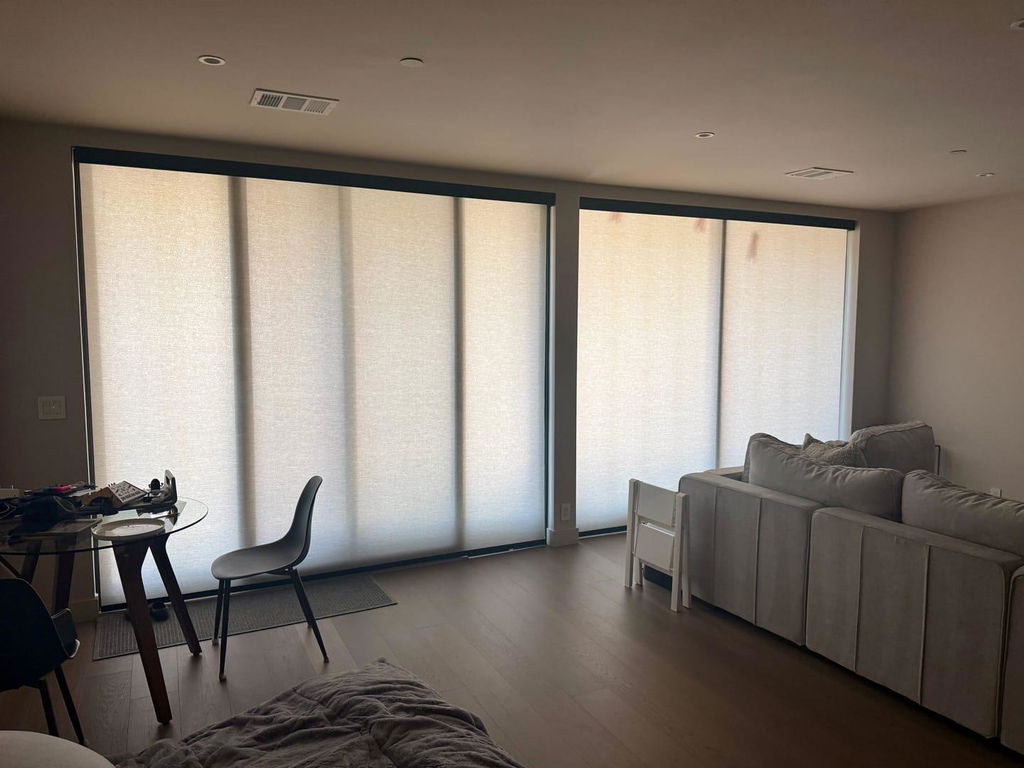
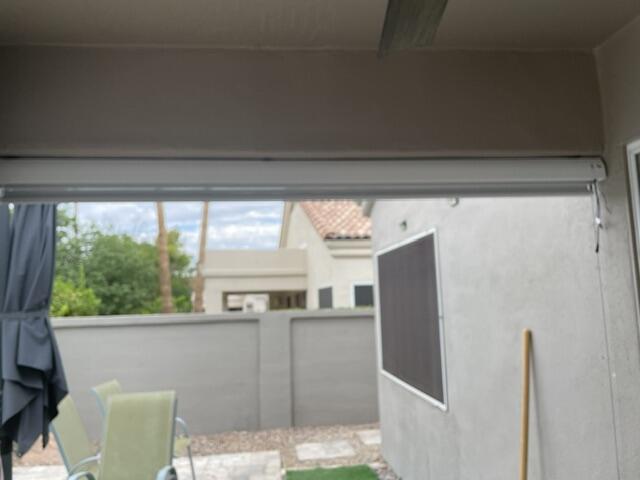
An outside mount means the brackets are secured to the wall surface or the window molding itself, rather than inside the recessed space. This allows the fabric to hover just in front of the window like a tailored screen. When you look at the variety of roller shades available today—from 1% openness solar screens to heavy-weight textured linens—limiting yourself to a tiny interior channel feels like a missed opportunity.
A roller blinds mounted outside window frame setup gives the fabric room to breathe. You aren't fighting for every millimeter of clearance. This is especially vital for motorized versions, which usually have slightly larger battery packs or motors that simply won't fit inside a standard vinyl frame.
3 Aesthetic Reasons I Actually Prefer Mounting on the Wall
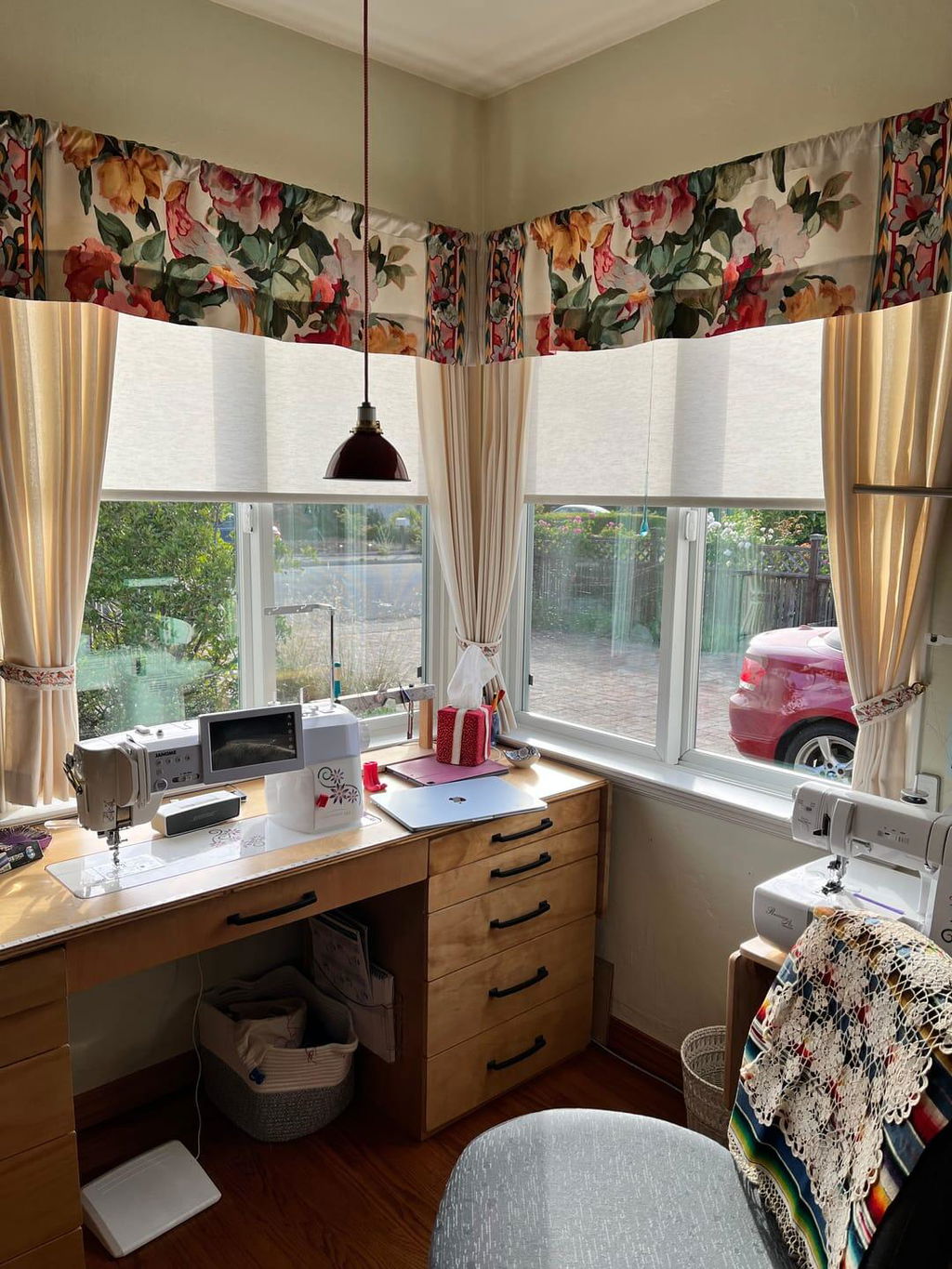
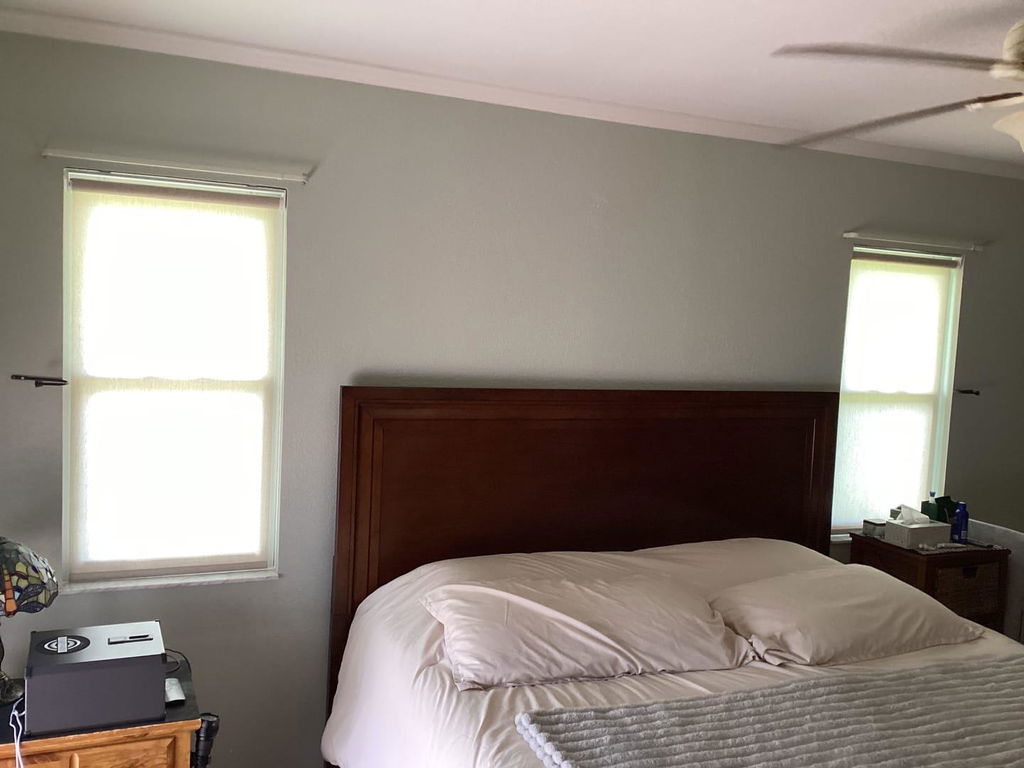
First, let's talk about the 'High and Wide' rule. If your window is short, mount your outside mount roller shade four to six inches above the top of the frame. This draws the eye upward and tricks the brain into thinking the window—and the ceiling—is much higher than it actually is. It’s a classic stylist’s move for small bedrooms.
Second, you can fix narrow windows. By ordering a shade that is six inches wider than the actual opening, you cover the side trim entirely. When the shade is down, the window appears expansive. Even when it’s up, the extra fabric on the sides makes the wall feel more substantial.
Third, it hides the ugly stuff. Not every home has hand-carved oak trim. If you are staring at cracked caulking or mismatched miter joints, a wall mount acts as a beautiful mask. I once used a charcoal-grey blackout shade to hide a window that was noticeably crooked; by mounting the shade perfectly level on the wall, the tilt of the window became invisible.
The Hardware Elephant in the Room (And How to Hide It)
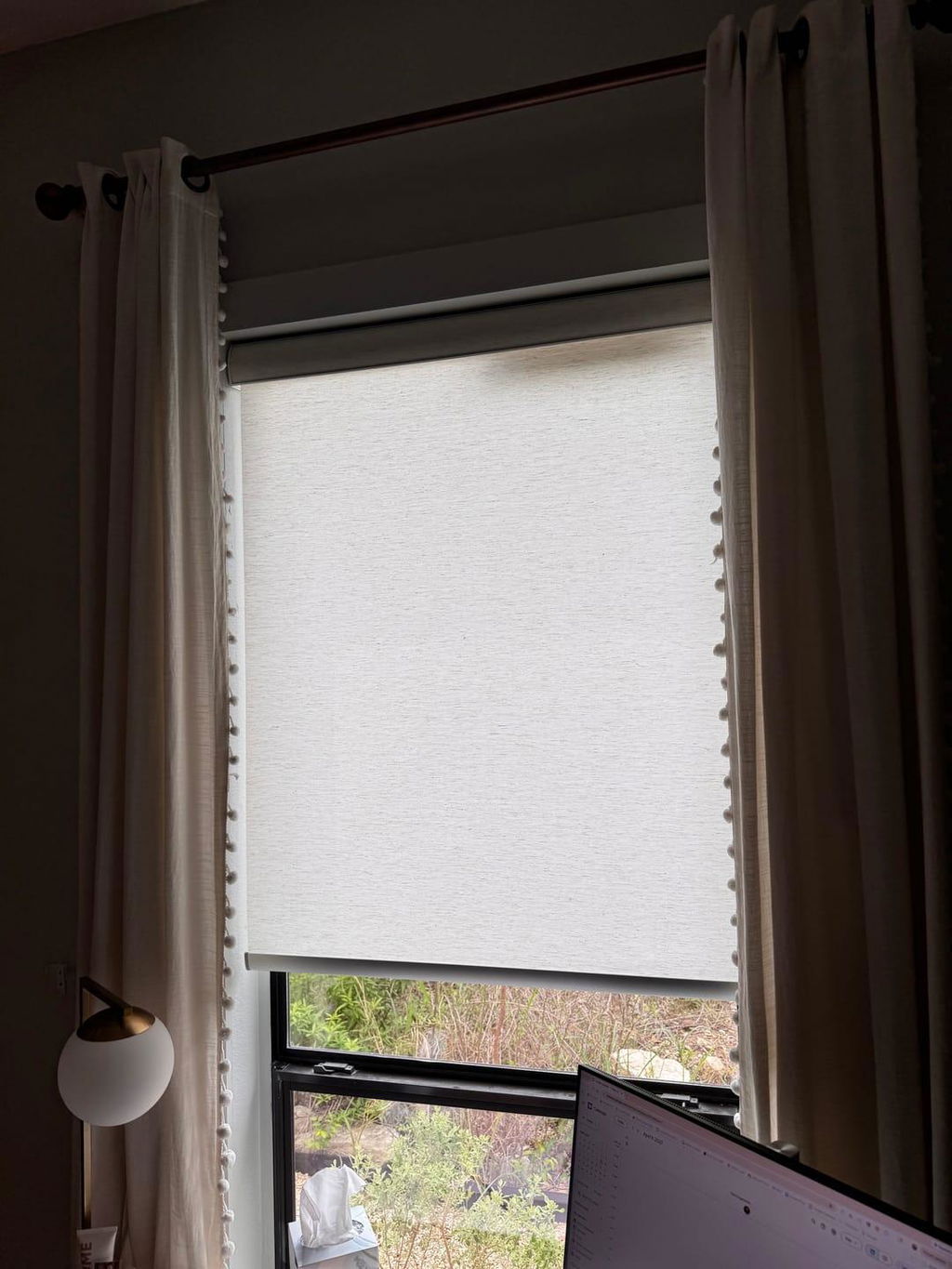
The biggest critique of wall mounting is the 'exposed roll' look. If you just screw a raw roller into the wall, you’re going to see the metal tube and the brackets. It looks industrial—and not in a cool, loft-style way. This is why I always specify an outside mount roller shade with valance or a matching metal fascia.
A fascia snaps over the front of the roller, creating a clean, architectural line that mimics the look of a built-in soffit. If you are worried about the sides of the brackets showing, you need to know how to hide an ugly roller shade mounting bracket on outside mounts. Usually, this involves choosing 'end caps' that match your wall color or opting for a wrap-around cassette that covers the hardware from every angle.
When You Absolutely Shouldn't Do an Outside Mount
I love a wall mount, but I'm not a zealot. If you have stunning, original 1920s craftsman trim with deep, stained wood, please don't cover it up. In those cases, you should look into why you need inside mount roller blinds. If the woodwork is the star of the room, the shade should be the supporting actor, tucked neatly away.
Also, avoid wall mounted shades if your window is jammed right into a corner. If there isn't at least two inches of flat wall space on either side of the frame, the bracket will look cramped and the fabric will likely rub against the adjacent wall. It’s a recipe for frayed edges and frustration.
My Foolproof Rules for Measuring the Wall (Not the Window)
When measuring for an outside mount, the window opening is just a suggestion. My rule is the 'Plus Three.' Measure the width of your window (including any trim you want to cover) and add three inches to each side. This six-inch total buffer ensures that when the sun hits the window at an angle, you don't get those annoying vertical light leaks on the edges.
For the height, measure from where you want the top of the bracket to sit down to the sill (or past it). Use a laser level if you have one. Drywall isn't always straight, and a crooked roller shade is a nightmare to fix once the holes are drilled. Make sure you have heavy-duty anchors; a 72-inch wide roller shade has some weight to it, and you don't want it pulling out of the plaster. Check out the guide on how to install your shades for the specifics on drill bits and anchor types.
Personal Experience: The Midnight Re-do
I once tried to save money on a guest room by skip-measuring the 'stack'—the amount of space the shade takes up when it's fully rolled up. I mounted the shade right at the top of the trim. When the guests arrived, I realized the 'open' shade still covered the top four inches of glass, blocking the view of the garden. I ended up re-mounting the whole thing three inches higher at midnight, patching drywall holes in the dark. Lesson learned: always mount higher than you think you need to.
FAQ
How much overlap do I need for blackout?
At least three inches on each side. If you go flush with the trim, light will bleed around the edges and wake you up at 6 AM. More is always better for total darkness.
Can I mount roller blinds on the window molding?
Yes, as long as the molding is flat and sturdy. If it's decorative or sloped, you're better off mounting to the drywall just above or outside the trim for a more secure fit.
Do outside mount shades look bulky?
Only if you skip the valance. A slim-profile fascia makes the shade look like part of the wall architecture rather than an after-thought.