How to Hide an Ugly Roller Shade Mounting Bracket on Outside Mounts
I remember standing in my first 'grown-up' apartment, staring at the ceiling in a mix of pride and pure annoyance. I’d just spent a week's paycheck on custom linen shades, only to realize the industrial-looking roller shade mounting bracket stuck out like a sore thumb against my vintage crown molding. It felt like I’d installed a piece of warehouse hardware in a Parisian bistro. It’s a common heartbreak: you buy the fabric for the texture and the light-filtering glow, but you’re left looking at cold, galvanized steel 'ears' sticking out from your wall.
The problem with outside mounts is that they are inherently exposed. You’re mounting to the wall or the trim rather than tucking the shade inside the window casing. It’s a brilliant move for light blocking and making windows look massive, but the brackets are rarely pretty. Here is how I deal with that hardware so your windows look like a custom architectural choice rather than a weekend DIY project gone wrong.
Quick Takeaways
- Always use a fascia or cassette to hide the roll and brackets if the budget allows.
- Layering stationary drapery panels is the most effective stylist trick for total concealment.
- Avoid painting hardware; the mechanical friction will cause it to chip and fail.
- Mount brackets at least 4 inches above the window frame to maximize ceiling height.
The Visual Curse of Outside Mount Hardware
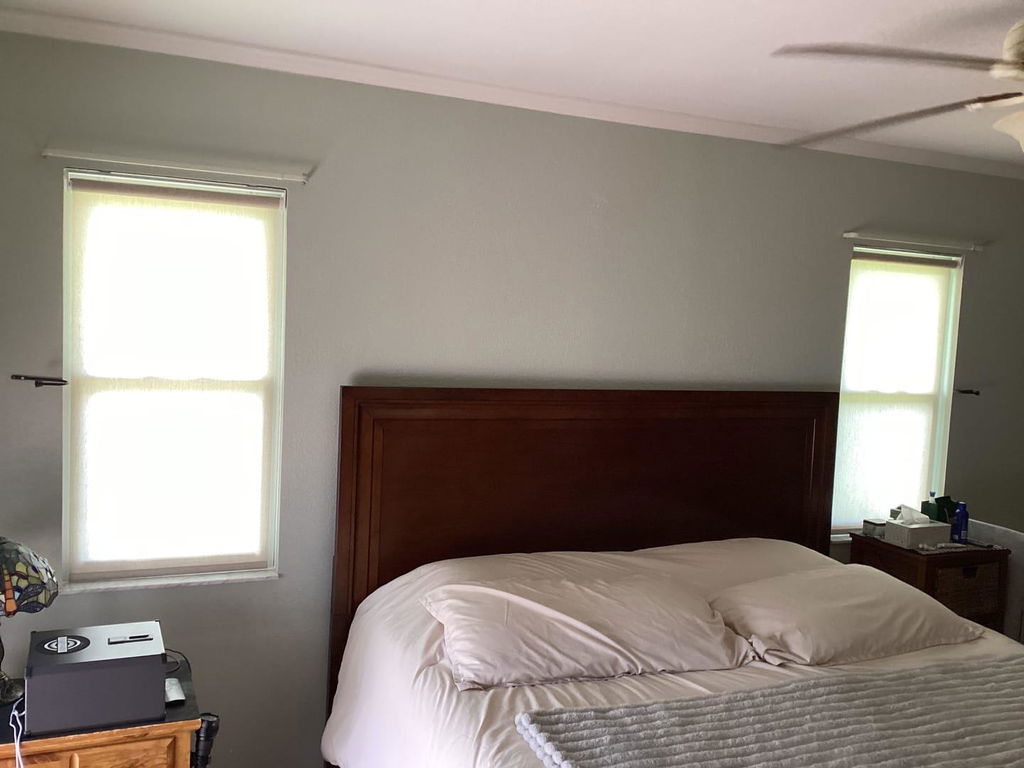
Outside mounting is the oldest trick in the designer handbook for correcting a room's proportions. By mounting your shades 4 to 6 inches above the window frame and extending them 2 to 3 inches past the sides, you trick the eye into thinking the window—and the ceiling—is significantly taller. It’s a total win for light control, too, because you eliminate that annoying light gap that plagues inside mounts. But this height comes at a price: the hardware is now front and center.
Most people focus so much on the fabric swatches that they forget the mechanics. Even the most stunning modern roller shades lose their magic when the hardware looks like a construction site leftover. You have these chunky metal squares flanking your beautiful fabric, and because they sit proud of the wall, they cast shadows that scream 'afterthought.' If you’re going for a minimalist look, those exposed ends are the enemy of a clean line.
Why You Can't Just Paint the Hardware to Match the Wall
I’ve seen plenty of DIY blogs suggest a quick hit of spray paint to make your hardware vanish. Please, don't do it. Standard outside mount brackets for roller shades are usually finished in a powder-coated white, black, or zinc. These finishes are designed to be smooth so the idle end and the clutch mechanism can rotate without friction.
If you slap a coat of matte wall paint on them, it’s going to flake off the second you pull the cord. Wall paint isn't formulated to bond to metal that experiences constant vibration and movement. Worse, the paint can gum up the rotating pin mechanism, leading to a shade that screeches every time you lower it. If you absolutely must have colored hardware, buy it pre-finished from the manufacturer. Trying to hack a custom color with a brush usually ends with paint chips on your expensive 300 gsm fabric.
The Cassette and Fascia Hack for a Built-In Look
If you haven't pulled the trigger on your order yet, the 'Cassette' or 'Fascia' option is your best friend. A cassette is a fabric-wrapped or metal housing that completely swallows the roll and the outside mount roller shade bracket. It turns the entire unit into a crisp, rectangular header that looks like it was built into the wall. It’s the difference between seeing the 'guts' of the shade and seeing a finished piece of furniture.
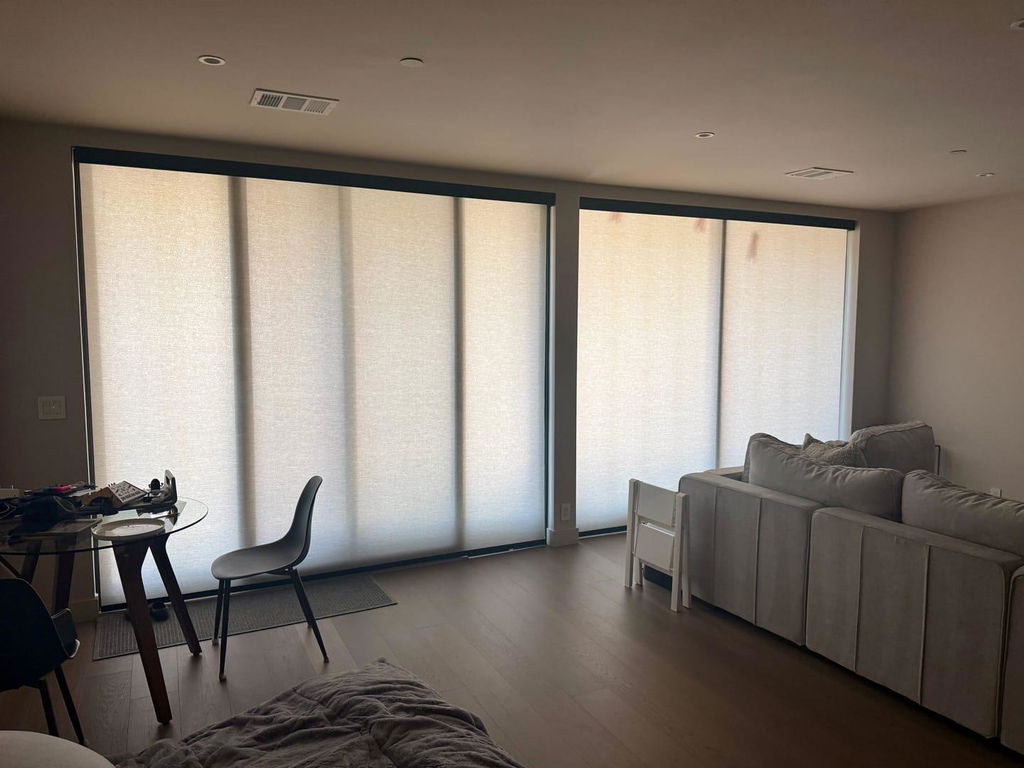
For a high-end look, I often recommend a square fascia in a matte black or brushed nickel. I recently installed a sleek motorized double roller system for a client with massive floor-to-ceiling windows. By using a matching fascia, we hid the motors and the dual-bracket system entirely. It created a clean architectural line that didn't compete with the view. It’s an upgrade that pays for itself in visual peace of mind.
Drapery Panels: The Stylist's Favorite Bracket Concealer
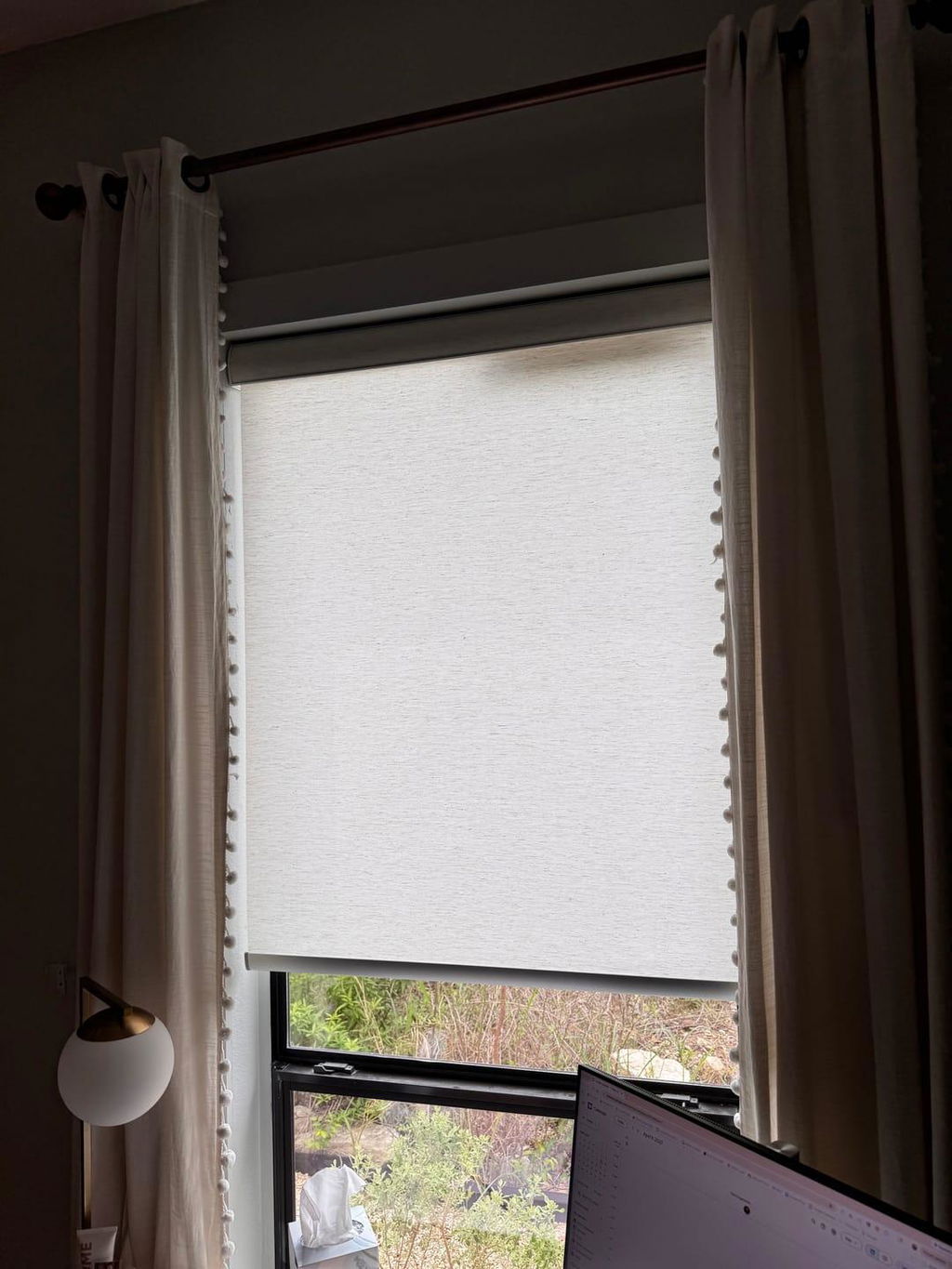
If your shades are already up and you’re staring at those brackets with regret, don't panic. This is where layering comes in. This is my favorite trick because it adds a layer of luxury that a single shade just can't achieve. Hang a high-quality curtain rod about 2 inches above your shade and extend it 8 to 10 inches past the window frame on each side. Then, hang stationary drapery panels.
The key here is fullness. You want a 2.5x fullness—so if your window is 40 inches wide, you want 100 inches of fabric width. Use a heavy linen blend or a velvet. Because the panels are stationary, they sit right over the 'ears' of the shade. The roller shade mounting bracket disappears behind the soft folds of the fabric, and you’re left with a rich, layered look. It’s the ultimate 'cheat code' for hiding hardware while making your room feel finished and warm.
Don't Destroy Your Trim During Installation
Installation is where the dream usually meets a messy reality. I’ve seen people splinter gorgeous mahogany trim because they were too impatient to pre-drill a 1/8-inch pilot hole. When you're installing an outside mount, you're often drilling into the header or the wall studs. You need a solid bite, but you also need precision. If your brackets are even an eighth of an inch out of level, your fabric will 'telescope'—it will pull to one side and eventually fray against the bracket.
I have a personal rule: never install shades after 8 PM. I once ruined my drywall trying to install a heavy blackout shade in a guest room at midnight. I thought I could just 'feel' where the header was, missed the stud, and ended up with a hole the size of a golf ball. Take your time, use a laser level, and follow the step-by-step installation instructions. Your drywall (and your sanity) will thank you.
Personal Experience: The Midnight Disaster
A few years ago, I was prepping for a housewarming party and decided to hang some heavy 400 gsm velvet shades myself. I was rushed, I didn't use the right toggle bolts for the weight, and I ignored the fact that my brackets were slightly tilted. Two days later, in the middle of dinner, the entire assembly came crashing down. It took a chunk of plaster with it and bent the mounting pin. The lesson? Hardware is only as good as the anchor behind it. Now, I always over-spec my anchors and double-check my level twice before the drill even touches the wall.
FAQ
Can I hide brackets with a wooden valance?
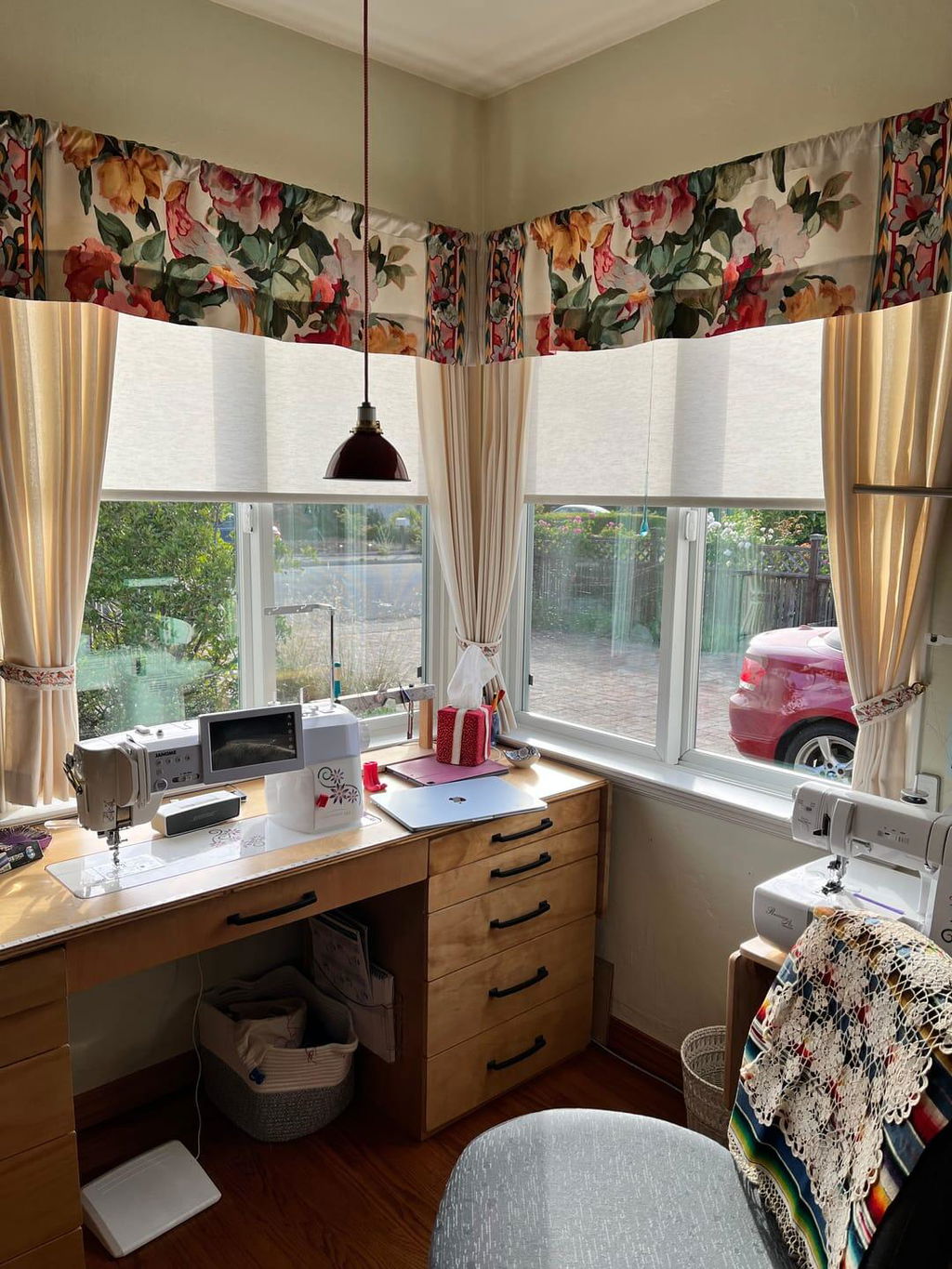
Absolutely. A custom 'cornice box' or wooden valance is a classic way to hide hardware. Keep it modern by painting it the exact same color and sheen as your walls so it blends into the architecture rather than standing out as a separate decorative element.
Will a fascia make my shade stick out further from the wall?
Yes, usually by about an inch. If you have very tight clearance behind a door or near a closet, measure the depth of the cassette or fascia before you buy. Most are between 3 and 4 inches deep.
What is the best color for a roller shade mounting bracket?
If you aren't hiding them, try to match the bracket to your window trim. If you have black window frames, go with black hardware. If you have white trim, go with white. Matching the metal to the trim is the best way to make it 'disappear' without extra layers.