Stop Buying Linen: Why a Cotton Roman Shade Actually Looks Better
I remember standing in a client's sun-drenched breakfast nook at 7 AM, clutching a handheld steamer like a weapon. We had spent a small fortune on 100% Belgian linen drapes, and yet, three weeks after installation, they looked like a pile of laundry forgotten in the back of a dryer. The hems were sagging, the folds were erratic, and the 'breezy' look I promised felt more like 'messy.' That was the morning I stopped drinking the linen Kool-Aid and started pitching the humble cotton roman shade to every client who wanted a natural look without the high-maintenance drama.
- Cotton provides superior structural integrity that prevents shades from sagging or 'growing' over time.
- Heavy-weight cotton duck or canvas blocks more light and offers better privacy than standard linen.
- Cotton fibers are naturally more resistant to UV degradation, meaning fewer shredded hems after a few summers.
- A tailored cotton finish delivers a crisp, high-end look that mimics expensive custom millwork.
The Linen Trap (And Why I Finally Swapped to Cotton)
Linen is the 'cool girl' of the interior design world. It is marketed as effortless, organic, and sophisticated. But here is the secret most stylists won't tell you: unless you are paying for a high-end linen-poly blend or a professional-grade interlining, linen is a nightmare. It reacts to humidity like hair in a rainstorm. It stretches. It wrinkles the moment you look at it. If you have kids or pets who like to nudge the window treatments aside, those linen panels will look ragged within a month.
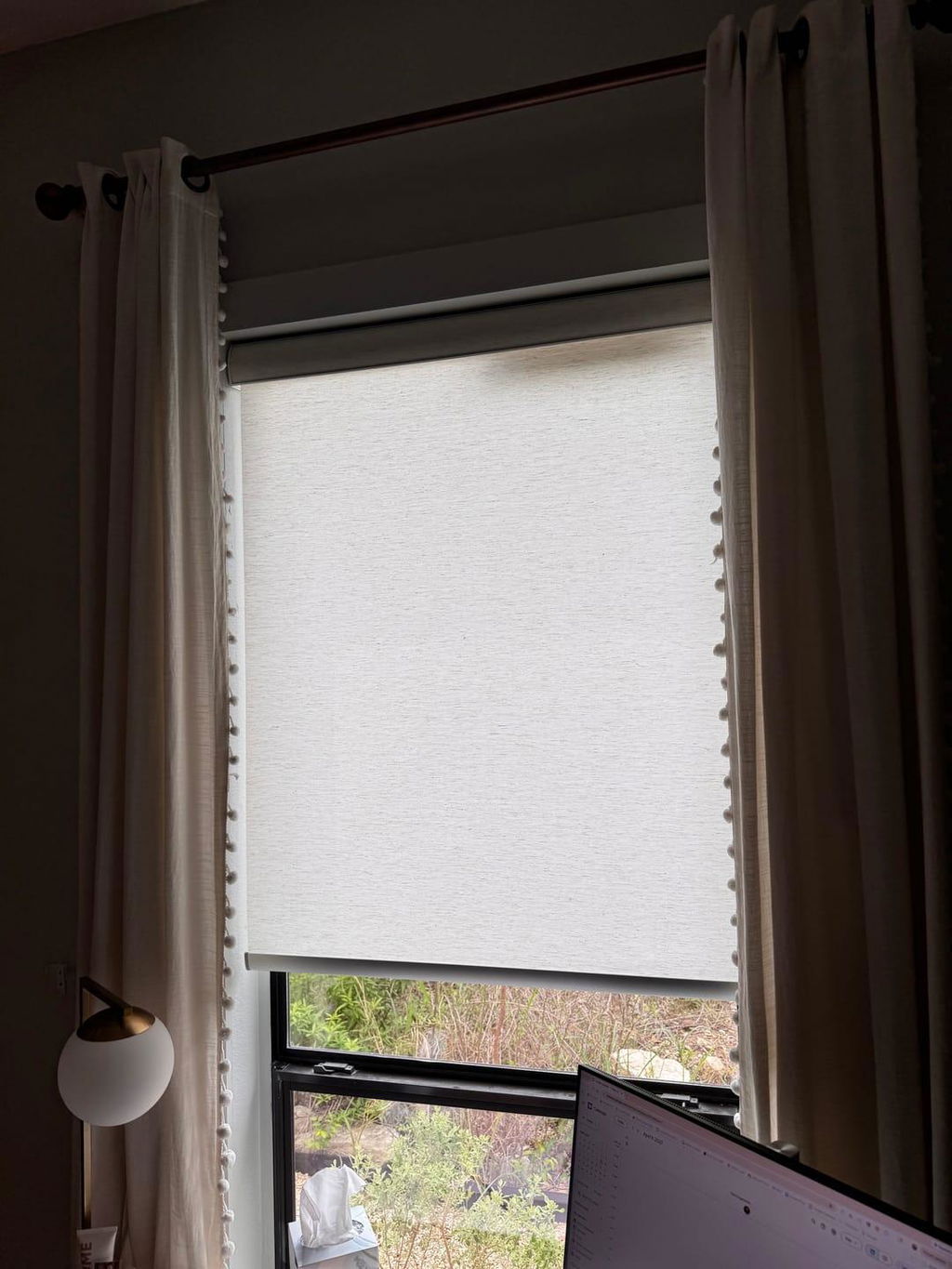
Switching to cotton window shades changed the way I design rooms. Cotton is the reliable, structured cousin of flax. It offers that same matte, earthy texture that we all love, but it has 'memory.' When you pull a cotton shade up, it stacks neatly. When you let it down, it hangs straight. I once spent four hours steaming a set of linen panels for a photoshoot, only to have them wrinkle again before the photographer finished his coffee. With cotton, you steam it once during installation, and you are done for the season.
3 Reasons a Cotton Roman Shade Beats Linen Every Time
The first reason is all about the folds. Because cotton fibers are slightly stiffer than flax, they hold a crease beautifully. This is especially vital for wide windows where a flimsy fabric will bow in the middle. If you are worried about the stack looking too bulky, you should look into The 3 Fold Styles That Stop Roman Window Blinds From Looking Bulky. Cotton’s natural density works in your favor here, creating sharp, architectural lines that feel intentional rather than accidental.
Second, let's talk about the sun. Linen is notoriously susceptible to sun rot. If you have west-facing windows that bake in the afternoon, linen fibers will eventually become brittle and snap. Cotton window blinds, particularly those made from heavy-duty canvas, handle the heat with much more grace. They don't lose their shape under the stress of thermal expansion.
Finally, there is the 'maintenance' factor. Cotton roman blinds are significantly easier to spot-clean. If a stray splash of coffee or a sticky hand hits the fabric, a damp cloth and mild soap usually do the trick. Linen, on the other hand, often water-spots, leaving you with a permanent ring that screams for a professional dry cleaner.
How to Choose the Right Weight for Cotton Window Blinds
The biggest mistake people make is choosing a cotton that is too thin. If you use a fabric that feels like a standard bedsheet, it will look cheap. Period. For a high-end look, you want a weight between 8 oz and 12 oz. Think about the thickness of a pair of vintage workwear chinos or a sturdy tote bag. This is often referred to as cotton duck or canvas cloth.
A heavy-weight cotton provides a 'thunk' factor. When the shade hits the windowsill, it should have enough weight to stay put. I always insist on a high-quality sateen lining. Even if you don't need blackout levels of darkness, a lining adds a layer of protection and gives the cotton roman shade a uniform look from the street. Without a liner, your window cotton blinds will look washed out when the sun shines through them, losing all their color and texture.
Wait, Will Cotton Blinds Look Too Casual?
I hear this from clients all the time: 'Isn't cotton just for farmhouse kitchens?' Absolutely not. The 'casual' reputation comes from poorly made, unlined retail options. When you opt for professionally tailored Roman Shades, the material is secondary to the construction. A flat-fold cotton shade in a crisp white or a deep charcoal can look just as sophisticated as silk in a modern penthouse.
The trick to making cotton shades look expensive is the mounting style. I almost always recommend an outside mount, installed about 4 to 6 inches above the window frame. This makes the window appear taller and allows the cotton fabric to act as a frame for the glass. Pair it with high-quality hardware—think matte black or unlacquered brass—and suddenly that 'simple' cotton shade looks like a custom architectural feature.
My Go-To Layering Trick for Flat Cotton Roman Blinds
If you are worried that a room feels too 'stiff' with just a structured shade, layering is your best friend. I love pairing a flat-fold cotton shade with long, flowing drapes. This creates a beautiful contrast between the rigid lines of the shade and the soft movement of the curtains. It is the interior design equivalent of a tailored blazer over a silk slip dress.
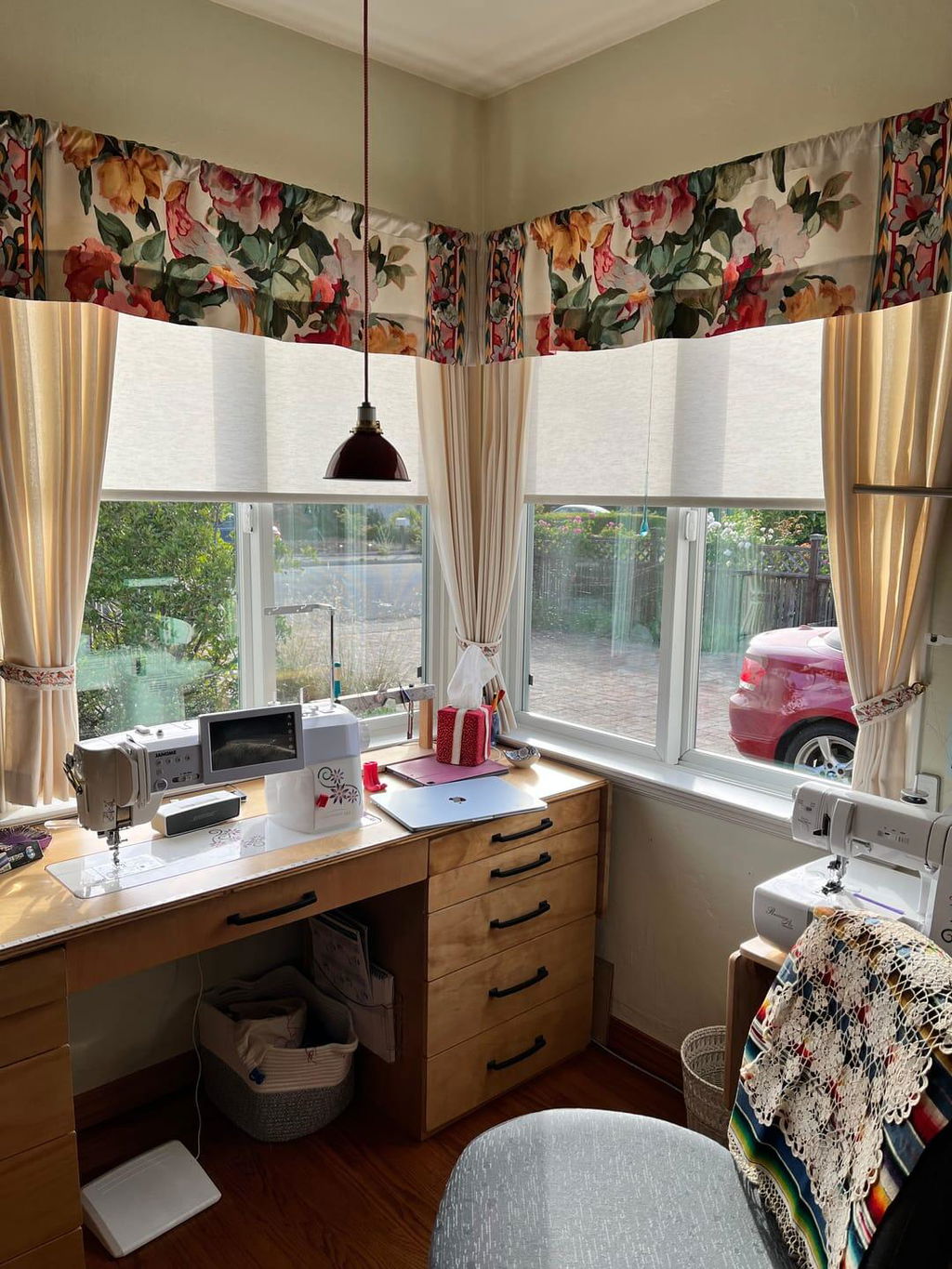
When layering, keep the shade neutral. A white or cream cotton shade provides a clean backdrop for patterned or textured drapes. For more guidance on this, check out The 3 Rules For Layering Roman Blinds For Window Depth And Warmth. This approach ensures your windows have depth and dimension without feeling cluttered. It also gives you two layers of light control, which is a lifesaver in bedrooms or media rooms.
The Verdict: When to Commit to Cotton
Cotton is the workhorse of the design world for a reason. It is durable, it holds its shape, and it offers a clean, matte finish that fits almost any aesthetic. While linen has its place in a breezy sunroom or a relaxed beach house, the structured beauty of a cotton shade is unbeatable for a polished, everyday home. If you want window treatments that you can install and then forget about—knowing they will look just as good in five years as they do today—cotton is the clear winner.
FAQ
Are cotton roman shades hard to keep clean?
Not at all. I usually tell clients to give them a quick pass with the upholstery attachment of their vacuum once a month. For small stains, a tide pen or a damp microfiber cloth works wonders. Unlike linen, cotton doesn't typically leave 'water rings' if you have to dab at a spot.
Do cotton window shades fade in the sun?
All natural fibers will eventually fade if exposed to direct, harsh UV rays for years. However, cotton holds its dye better than flax. To maximize the life of your shades, always choose a high-quality lining which acts as a sacrificial layer against the sun.
Can I wash my cotton roman blinds in the machine?
I wouldn't recommend it. Even though the fabric is cotton, the internal strings, rings, and dowels that create the folds won't survive a wash cycle. Professional dry cleaning or on-site steam cleaning is the way to go for a deep refresh.